
By Michael Randall · Founder, Mediband
Medically reviewed · Updated August 2025 · 10 min read
Medically reviewed · Updated August 2025 · 10 min read
School Lunch Box Ideas for Kids With Allergies — 2025 Australian Guide
Updated August 2025. If you’ve got the school-lunch-box blues, you’re not alone. Australian parents pack roughly 180 lunches per child per school year — and that’s before the complication of food allergies, dietary needs, school nut-free policies, or a fussy 7-year-old who refuses anything green. This is the practical, parent-tested Australian guide to lunch boxes kids actually eat, parents actually have time to pack, and allergy-safe schools actually approve.
Built around 2025 Australian school requirements, food allergy guidelines from ASCIA, and 17 years of parent feedback from Mediband families managing peanut, nut, dairy, egg, gluten and complex allergies at school.
The Australian School Lunch Box Rules
Most Australian schools follow these guidelines (NSW Health Crunch&Sip, Healthy Kids Association):
- No nuts — standard at the vast majority of primary schools since 2010
- No nut spreads — including peanut butter, Nutella, almond butter
- No shared food — lunchbox stays with the child it was packed for
- Encourage fruit + veg + water — many schools have Crunch&Sip programs
- Limit sugary drinks + processed snacks — many schools ban specifically
For kids with their own diagnosed allergies, the rules tighten further — their food must avoid their specific allergens, not just nuts.
Recommended for you
Products related to this article
Hand-picked to go with what you just read.
The 7-Rule Lunch Box Formula
Build every lunch box on these 7 rules:
- 1. Protein — chicken, ham, cheese, egg (if safe), legumes, yogurt. Keeps kids full until 3 pm.
- 2. Complex carb — wholegrain bread, wraps, pasta, rice, crackers. Sustained energy.
- 3. Fresh fruit or veg — minimum one piece each.
- 4. Dairy or alternative — milk, cheese cubes, yogurt tube, soy or oat milk.
- 5. Hydration — water bottle (mandatory). Add a small juice or milk if school allows.
- 6. Treat — small biscuit, dried fruit, popcorn. NOT chocolate that melts in summer.
- 7. Allergen check — read every label, every Sunday packing, even on brands you trust.
20 Allergy-Safe Lunch Box Ideas (Tested + Aussie-Friendly)
20 combinations Australian parents report actually get eaten:
- Wholegrain wrap + chicken + lettuce + cheese + cucumber
- Vegemite + cheese sandwich + apple + carrot sticks + yogurt
- Cold pasta + cherry tomato + cheese cubes + crackers + grapes
- Rice paper rolls (kid-rolled at home) + dipping sauce + fruit
- Sushi (no fish if seafood allergy) + edamame + mandarin
- Mini frittatas (eggs + veg, batch-cooked Sunday) + crackers + apple
- Mini quiches + tomato + spinach + sultanas
- Boiled egg + cheese + crackers + grape + carrot sticks
- Pancake roll-ups + sliced strawberry + dip
- Chickpea + rice salad + cucumber + tomato + small biscuit
- Pita bread + hummus (egg/nut-free) + carrot + apple slice
- Veggie sticks + cream cheese dip + crackers + dried apricot
- Cooked chicken drumstick + cherry tomato + cheese stick + grapes
- Mini meatballs + cucumber sticks + cheese + crackers
- Cheese + ham roll-ups + apple slice + mini muffin (home-baked)
- Mini pizza (English muffin base) + cheese + tomato + cucumber
- Cold sausages (no nut content) + crackers + cucumber + fruit
- Tuna mayo on wholegrain + lettuce + carrot + grapes
- Vegetable fried rice (leftover) + cherry tomato + apple
- Baked sweet potato + cheese + cucumber + plum
Nut Substitutes That Actually Work
If your school requires nut-free + your child loves peanut butter, alternatives that taste similar enough:
- Sunflower seed butter (SunButter) — closest texture + flavour to peanut butter
- Tahini — sesame paste; check school sesame policy
- Pumpkin seed butter — mild, sweet flavour kids accept
- Cream cheese + honey — protein + sweet, no allergens beyond dairy
- Vegemite + cheese — the Aussie classic, salty + savoury
For severe peanut + nut allergies, double-check labels — "may contain traces of nuts" warnings on seed butters are real.
The Cross-Contamination Rule
If you have an allergic child + a non-allergic sibling at home, set strict food separation:
- Wash hands + tools between preparing allergy-safe + regular lunches
- Use different cutting boards (colour-coded works wonders)
- Pack the allergic child’s lunch FIRST, then the others
- Wipe down lunch box exteriors before they go in school bags
- Read the labels on every brand — reformulations happen quietly
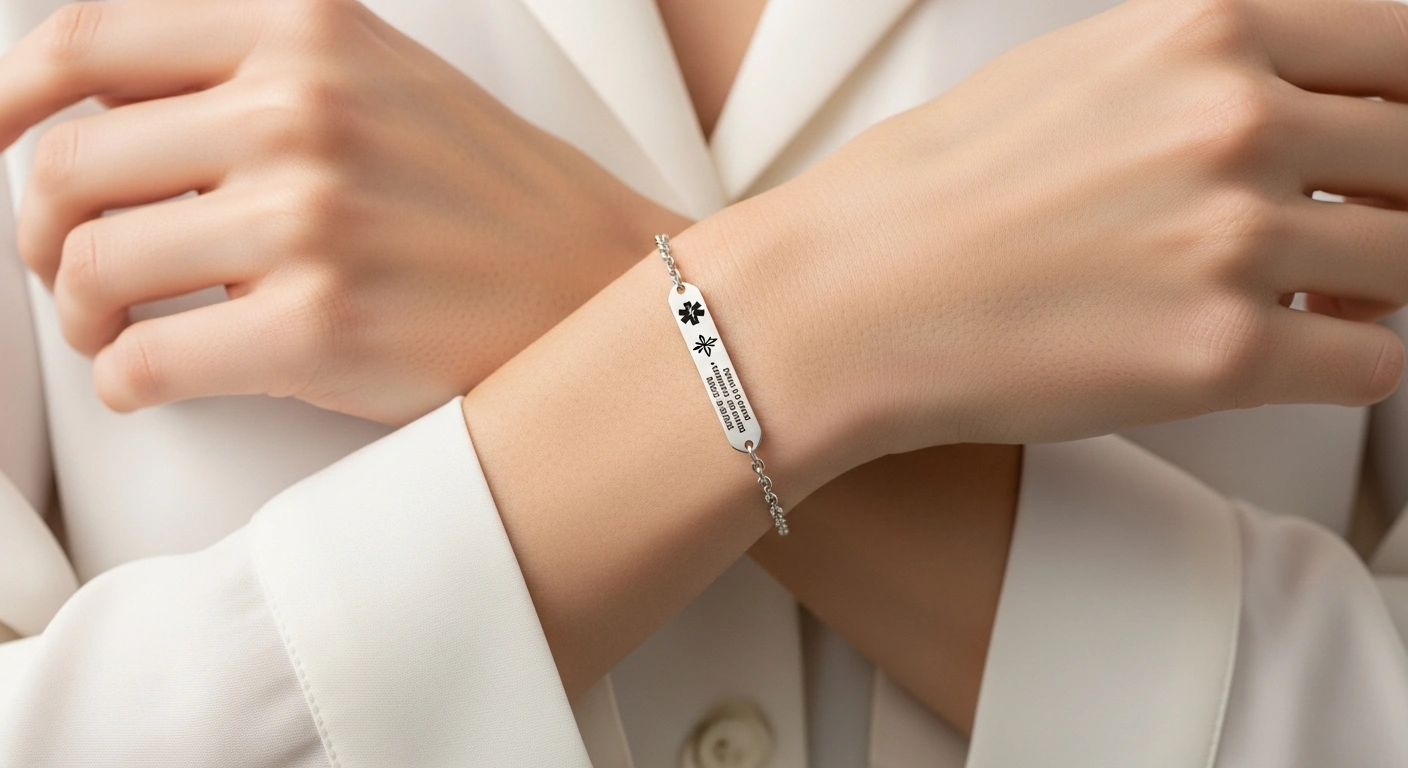
The Allergy Bracelet — School’s Most Important Item
A visible food allergy bracelet is the school nurse’s #1 recommendation for any child with a diagnosed food allergy. Reasons:
- Teachers + canteen staff identify the child instantly without checking the class list
- Excursion + sport-day supervisors get the message even if they don’t know your child
- Other parents at school events know not to share their kids’ food
- In an emergency, the bracelet works without an adult having to find paperwork
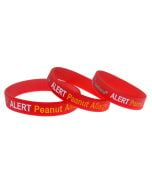
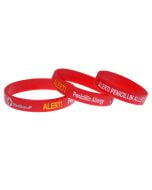
Mediband’s kids range includes peanut allergy, penicillin allergy, multi-allergy, and write-on options — all in soft silicone safe for school sport + swimming.
What to Engrave on a Child’s Allergy Bracelet
- The specific allergen ("Peanut Allergy", "Egg Allergy", "Multi-allergy")
- Severity if known ("Anaphylaxis" if EpiPen prescribed)
- Child’s first name
- Parent mobile number (including country code for travel)
Storage + Food Safety Reminders
- Use insulated lunch boxes + cooler packs for protein
- Don’t pack mayo or cream-based foods on 30°C+ days unless cooled
- Pre-prep Sunday: cooked protein keeps 3 days in fridge
- Wash lunch boxes daily; check seals + drainage holes weekly
The 30-Minute Sunday Prep Routine
Batch-cook 5 weekday lunches in 30 minutes:
- Boil 5 eggs (10 min)
- Cook 1 kg of chicken breast or thighs (15 min in pan, sliced after cooling)
- Wash + chop carrot, celery, cucumber, capsicum (5 min)
- Portion cheese, crackers, fruit into containers
- Refrigerate everything in single-serving containers
Monday-Friday morning becomes a 3-minute assembly job. Add the daily fruit + put in lunch box. Done.
Mediband-Friendly Lunch Box Brands
Australian-friendly insulated lunch boxes:
- Bento + Yumbox — compartmentalised, leak-proof, supports portion control
- Tupperware Eco Lunch Set — durable, BPA-free, microwave-safe
- PackIt Freezable — built-in cooler keeps everything cool to 3 pm
- Sistema KLIP IT — affordable, dishwasher-safe, widely stocked
For Schools With Strict Food Policies
If your school is one of the increasing number with FULL nut-free policies, all-day food + drink policies, or "no shared food" rules:
- Read the school policy thoroughly — they’re usually on the school website
- Ask the canteen for their cross-contamination protocols
- Send a one-page allergy letter to the class teacher at the start of each term
- Keep an in-date EpiPen at home + a back-up at school (if school allows)
- Ensure your child wears their allergy alert bracelet every day
Excursions + Sport Days — Higher-Risk Days
Off-site days are the highest-risk school events for allergic kids:
- EpiPen travels with the child or the supervising teacher (depending on age)
- Letter from the parent + ASCIA Action Plan in the school bag
- Lunch packed extra-cautiously — double-check labels, send 2 portions
- Bracelet over the sleeve so it’s visible to any responder
- Parent contact mobile in the teacher’s phone before departure
Common Lunch Box Mistakes
- Packing too much — kids eat 30% of what’s in front of them; overpacking is waste
- New foods on Day 1 — test at home first, not at school
- Forgetting the water bottle — hydration drives concentration
- Skipping the allergy bracelet — even on days the parent is volunteering at school
- Not labelling the box — Australian primary schools collect 100+ unlabelled boxes per term
The Mediband Promise
Mediband’s allergy alert range covers every primary school kid’s needs — peanut, penicillin, multi-allergy, write-on, and design-yours-own. Soft silicone, waterproof, chlorine-safe, available in 30+ kid-friendly designs. Trusted by over 100,000 Australian families for school + sport + travel allergy safety.
References + Further Reading
- NSW Health — Crunch and Sip Program + Healthy School Canteens Strategy.
- ASCIA (Australasian Society of Clinical Immunology and Allergy) — Schools Anaphylaxis Action Plan + Resources.
- Healthy Kids Association — School Lunch Guidelines for Australian Schools.
- Australian Department of Health — Dietary Guidelines for Children + Adolescents.
- Allergy + Anaphylaxis Australia — Best Practice School Anaphylaxis Management.
Frequently Asked Questions
Quick answers from the Mediband team
What's the best lunch box for kids with food allergies?
Insulated, compartmentalised + leak-proof. Yumbox, Bento, PackIt Freezable, and Sistema KLIP IT are all parent-favourite Australian options. Compartments help separate cross-contamination between allergic + non-allergic siblings + keep cold foods cold until lunch.
How do I deal with my child being the only one with a food allergy?
Pack lunches that look similar to other kids' — same shape sandwich, same containers, similar treats. The Mediband allergy bracelet is the visible safety net so they can play + eat normally without isolation. Talk to the school about allergy-aware seating arrangements.
What if my child wants to eat food from a friend's lunch box?
Set a strict 'never accept food' rule from age 3. Keep their bracelet visible so other parents at school events know. Many Australian schools now enforce 'no sharing' policies; check yours. For older kids, teach them to read labels themselves.
Are 'may contain nuts' warnings reliable?
Not always. In Australia these warnings are voluntary — some manufacturers include them as blanket precaution, others omit them despite real risk. For severe nut allergy, choose products specifically labelled 'nut-free' or call the manufacturer directly.
How early should my child wear an allergy bracelet?
From age 3 if they have any diagnosed food allergy. Soft silicone is safe and comfortable from this age. The Mediband kids range includes peanut allergy, penicillin allergy, and custom write-on options — all in designs kids actually want to wear.
Should I pack 'safe treats' for class parties?
Yes — keep a labelled 'allergy-safe treat box' at school. Ask the teacher to use it on birthday celebration days. This stops your child from feeling left out and reduces the chance of an accidental reaction from a well-meaning classmate's birthday cake.
What's the best protein for school lunches in summer heat?
Hard-boiled egg, cheese cubes, cooked chicken (with insulated lunch box + cooler pack), or hummus (chickpea). Avoid mayo-based fillings on 30°C+ days. Tinned tuna is fine if the lunch box has a cooler pack.

Written by
Founder, Mediband
Founder of Mediband; over 20 years providing medical IDs worldwide.
← Previous
Digital Medical IDs in Australia — Phone Health Records + Wearable Alerts
Next →
Are You a Fan of Dr Google? — Smart Health Research 2025
Comment(s)