
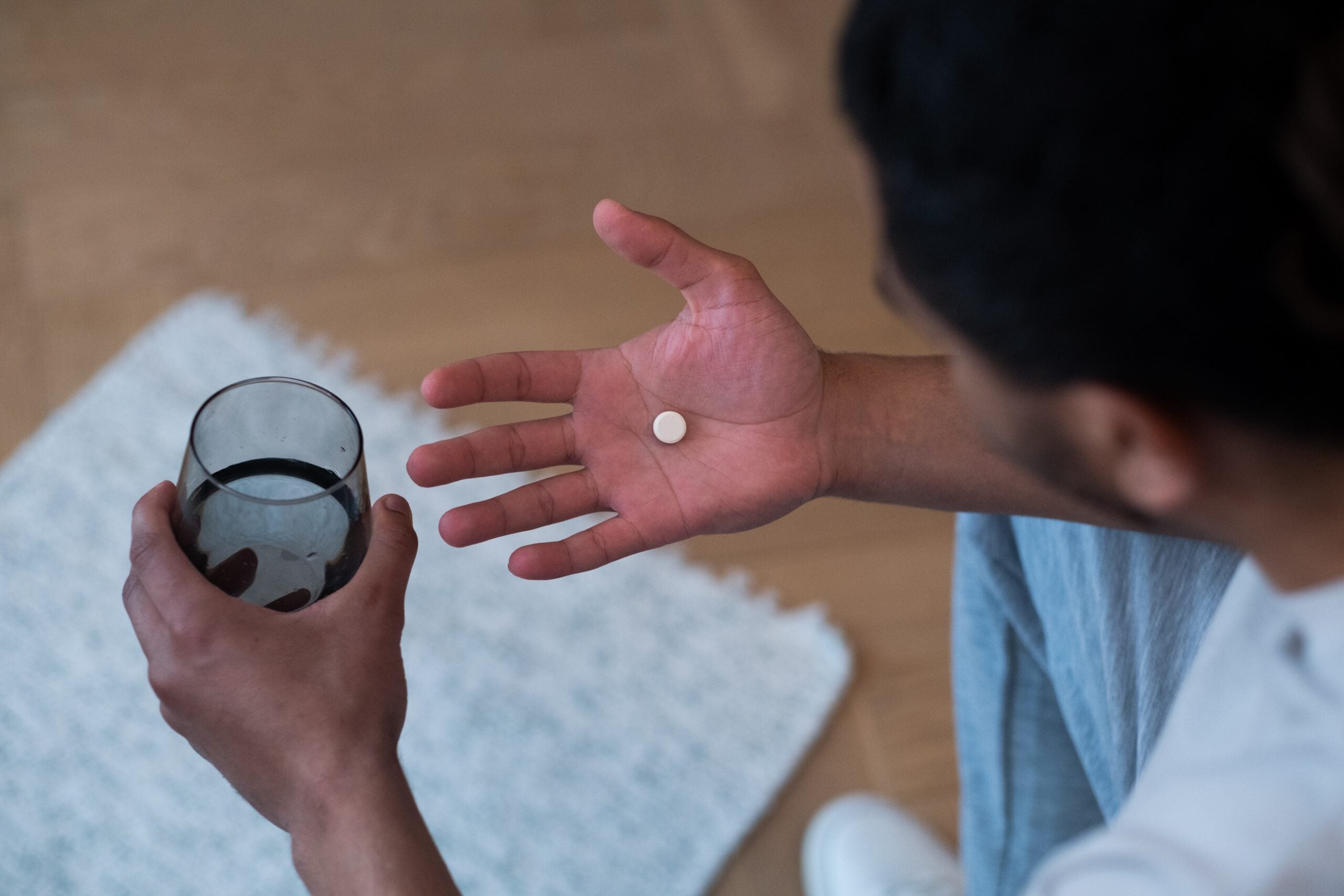
If your doctor has recently prescribed blood thinners, you likely have many questions about this important medication. Anticoagulants are among the most commonly prescribed medications in Australia — the Heart Foundation estimates that over 1 million Australians take some form of blood-thinning medication to prevent blood clots, stroke and heart attack.
Understanding how blood thinners work, their potential side effects, and how to stay safe is essential. And one of the most important safety measures you can take is wearing a blood thinner medical alert bracelet — because in an emergency involving bleeding or injury, paramedics need to know you are on anticoagulants before they begin treatment.
What Are Blood Thinners and Why Are They Prescribed?
Blood thinners (anticoagulants and antiplatelets) are medications that prevent blood clots from forming or existing clots from getting larger. Despite the name, they do not actually make your blood thinner — they alter the clotting process to reduce the risk of dangerous clots.
Your doctor may prescribe blood thinners if you have:
- Atrial fibrillation (AF) — an irregular heartbeat that increases stroke risk
- Deep vein thrombosis (DVT) — a blood clot in your leg
- Pulmonary embolism — a blood clot in your lungs
- Heart valve replacement — mechanical valves require lifelong anticoagulation
- Previous stroke or heart attack
- Certain autoimmune conditions such as lupus
Types of Blood Thinners: Anticoagulants vs Antiplatelets
Anticoagulants
These work by interfering with proteins in your blood that help it clot. Common anticoagulants include:
- Warfarin (Coumadin) — the oldest and most established, requiring regular blood tests (INR monitoring)
- Rivaroxaban (Xarelto) — a newer DOAC that does not require regular blood monitoring
- Apixaban (Eliquis) — another DOAC with a lower risk of bleeding
- Dabigatran (Pradaxa) — a DOAC that targets a different clotting protein
- Heparin/Enoxaparin (Clexane) — injectable anticoagulants used in hospital or short-term
Antiplatelets
These prevent platelets from clumping together to form clots. Common examples include:
- Aspirin — often used after heart attack or stent placement
- Clopidogrel (Plavix) — frequently combined with aspirin after cardiac procedures
Recommended for you
Products related to this article
Hand-picked to go with what you just read.
Blood Thinner Side Effects and Warning Signs
The most significant risk of blood thinners is excessive bleeding. Watch for these warning signs:
- Nosebleeds that take longer than usual to stop
- Bleeding gums when brushing teeth
- Heavy or prolonged menstrual periods
- Blood in your urine (pink, red or brown) or stools (red or black)
- Cuts that bleed more than expected
- Unexplained bruising
Seek immediate medical attention if you experience severe or uncontrolled bleeding, blood in vomit, sudden severe headache, or signs of stroke (face drooping, arm weakness, speech difficulty).
Safety Tips for Living on Blood Thinners
Medication Management
Take your blood thinner at the same time every day. Never double up if you miss a dose — follow your doctor's specific instructions for your medication. If you take warfarin, attend all scheduled INR blood tests to ensure your dose is correct.
Diet Considerations
If you take warfarin, vitamin K can reduce its effectiveness. Maintain consistent (not excessive) intake of vitamin K-rich foods like leafy greens, broccoli and kale. Newer DOACs (Xarelto, Eliquis) do not require dietary restrictions, but always discuss your diet with your doctor.
Avoiding Injury
Take sensible precautions to avoid cuts and injuries. Use an electric razor instead of a blade. Wear gloves when gardening. Avoid contact sports. Always inform your dentist and any new healthcare provider that you are on blood thinners.
Is Panadol a blood thinner? Common medication questions
A common question when starting anticoagulants is which everyday medicines also affect bleeding. Here is where the popular ones sit:
- Panadol (paracetamol): not a blood thinner. Paracetamol relieves pain and fever without affecting how your blood clots, which is why it is often the preferred pain reliever for people on anticoagulants. Confirm with your pharmacist.
- Aspirin: yes — an antiplatelet. Low-dose aspirin, including brands such as Cartia and Astrix, reduces the ability of platelets to clump together.
- Ibuprofen (Nurofen) and other NSAIDs: not classed as blood thinners, but they can increase bleeding risk and irritate the stomach, so they are generally avoided alongside anticoagulants unless your doctor advises otherwise.
- Fish oil, turmeric and vitamin E: may have a mild effect on clotting. Tell your doctor about any supplements you take.
If you take a prescribed blood thinner, the safest step is to check any new medicine — prescription, over-the-counter or supplement — with your pharmacist or GP before starting it. People managing a heart rhythm condition or an implanted device can read more in our pacemaker and anticoagulant medical ID guide.
Natural blood thinners: foods, supplements and the facts
Some foods and supplements are described as “natural blood thinners” because they may have a mild effect on clotting — these include turmeric (curcumin), ginger, garlic, fish oil (omega-3) and vitamin E. The evidence is limited, and the effect is far weaker and far less predictable than prescribed anticoagulants.
Important: natural blood thinners are not a substitute for prescribed medication. Never stop, reduce or replace a prescribed anticoagulant with foods or supplements — doing so can leave you unprotected against a dangerous clot or stroke. Always talk to your doctor before changing your diet or starting a supplement, especially if you take warfarin, where vitamin K intake needs to stay consistent.
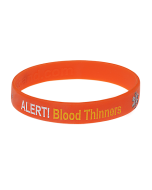
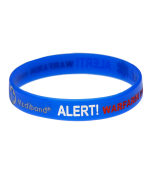
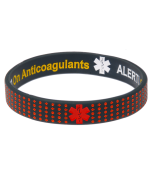
Whatever blood thinner you take, wearing a blood thinner medical alert bracelet means emergency responders know about your anticoagulant before they treat you. Browse the full medical alert bracelet range or add a medical wallet card for extra detail.
Frequently Asked Questions
Why do I need a medical alert bracelet if I take blood thinners?
In an emergency involving bleeding or injury, paramedics need to know you are on anticoagulants immediately. This changes how they treat wounds, whether surgery is safe, and which medications they can administer. A bracelet provides this information when you cannot speak.
What is the difference between warfarin and newer blood thinners?
Warfarin requires regular blood tests (INR monitoring) and has dietary restrictions around vitamin K. Newer DOACs like rivaroxaban (Xarelto) and apixaban (Eliquis) do not require routine monitoring or dietary changes, though they may cost more and are not suitable for all conditions.
Can I drink alcohol while taking blood thinners?
Small amounts of alcohol may be acceptable for some people, but alcohol can increase bleeding risk and interact with anticoagulant medications. Discuss your specific situation with your doctor. If you do drink, limit intake and avoid binge drinking.
What foods should I avoid on blood thinners?
If you take warfarin, maintain consistent intake of vitamin K-rich foods (leafy greens, broccoli, kale) — do not suddenly increase or decrease them. Avoid excessive cranberry juice, grapefruit and alcohol. Newer DOACs have fewer dietary restrictions, but check with your doctor.
Is Panadol (paracetamol) a blood thinner?
No. Paracetamol relieves pain and fever without affecting blood clotting, so it is often recommended for people on anticoagulants. Aspirin, by contrast, is an antiplatelet blood thinner. Check any new medicine with your pharmacist.
What are natural blood thinners?
Foods and supplements such as turmeric, ginger, garlic and fish oil may have a mild effect on clotting, but they are not a substitute for prescribed anticoagulants and should never replace your medication. Speak to your doctor before changing your diet or taking supplements.
What should you avoid while on blood thinners?
Avoid combining your anticoagulant with NSAIDs like ibuprofen, heavy alcohol use, and contact sports that risk injury. Tell every doctor, dentist and pharmacist that you take a blood thinner, and wear a medical alert bracelet so emergency responders know before they treat you.
Related guides: anticoagulant and blood thinner medical ID bracelets, common medical ID abbreviations.

Written by
Founder, Mediband
Founder of Mediband; over 20 years providing medical IDs worldwide.
← Previous
Food Allergies in Australia: Symptoms, Triggers, and How to Stay Safe
Next →
Epilepsy Safety Tips: How to Live Safely with Epilepsy in Australia
1 Comment(s)
Suresh
May 25, 2022 01:24
Such a great blog! Thank you for this information, I appreciate your effort, please keep us update.