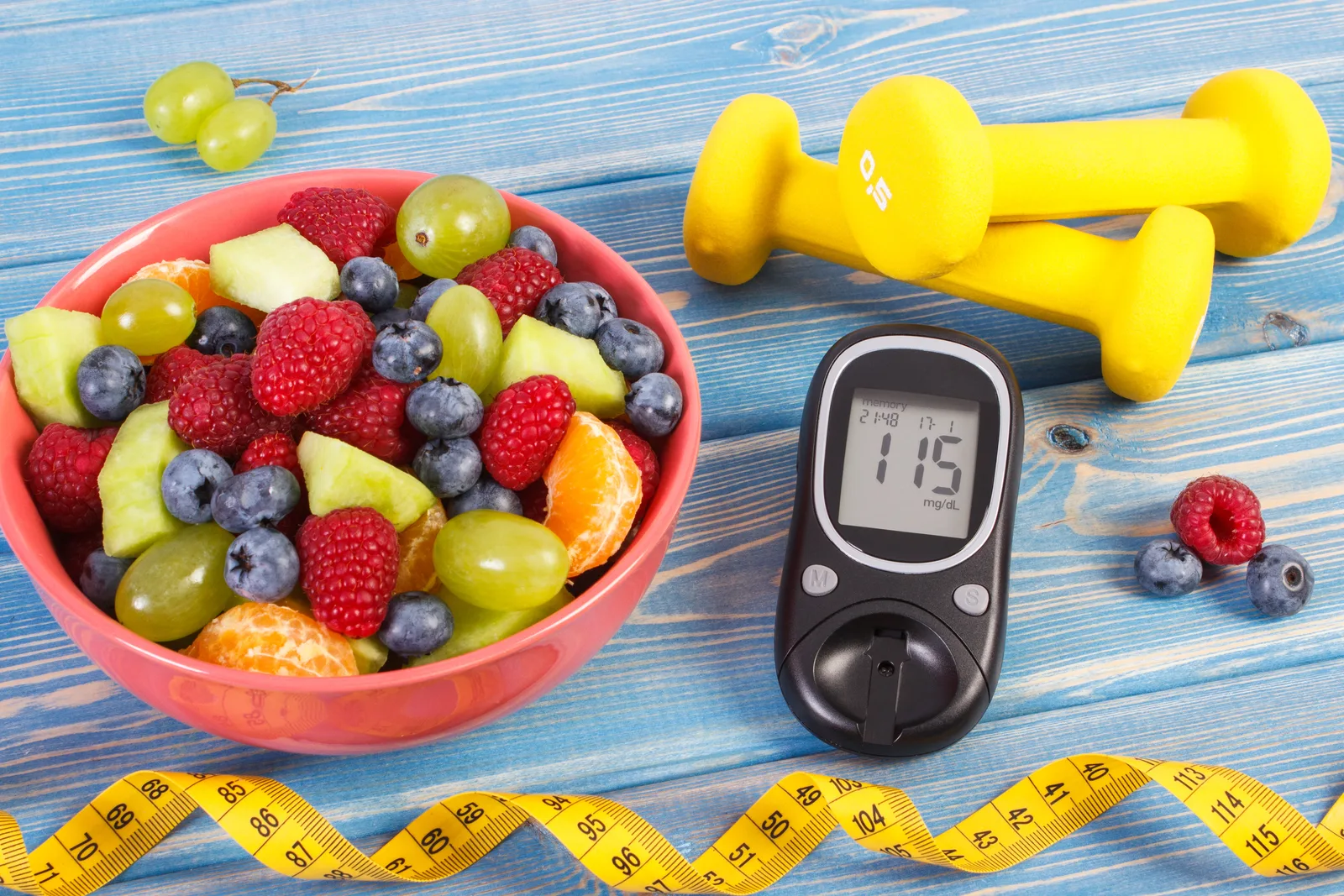

The first weeks of January are when most Australians swap mince pies for marathon training plans — and within a fortnight, half of those plans are gathering dust. The problem is not motivation; it is pacing. According to the Australian Institute of Health and Welfare, only about 18 % of adults meet the national physical activity guidelines, and the post-Christmas spike in injuries reported by Medicare hits a five-year peak every January. A healthy way to get into the new year is not about going harder — it is about going smarter, layering small habits that compound into 365 days of better health.
This 2026 guide walks you through evidence-based ways to ease into the new year, what to drink (and what to avoid), why walking still wins, and how a simple medical ID bracelet can protect anyone in your family with a chronic condition while they get moving again.
Start slower than you think you need to
The rhabdomyolysis warning that triggered our 2013 article — a condition where intense exercise releases muscle proteins that overload the kidneys — has only become more relevant. The Royal Australian College of General Practitioners (RACGP) warns that “weekend warrior” routines double the risk of musculoskeletal injury in adults over 35 compared with progressive training.
The fix is boring but effective: ramp your weekly volume by no more than 10 % week-on-week. If you walked zero kilometres in December, three brisk 30-minute walks in week one is plenty.
Drink the right things — including the right juice
Cold-pressed juice and smoothie chains exploded in Australia between 2013 and 2025, and yes, your favourite mango-pineapple-coconut bowl can carry more sugar than a can of Coca-Cola. The Heart Foundation recommends keeping added-sugar intake below six teaspoons per day for adults; one large fresh juice can blow that budget before breakfast.
- Choose a regular (300 ml) cup, not large or super-size.
- Look for at least 50 % vegetables — spinach, kale, cucumber, celery.
- Eat the fruit instead when you can. Whole fruit keeps the fibre that blunts the sugar spike.
- Drink water with it. Hydration is a multiplier on everything from blood pressure to skin.
Walking is still the highest-ROI exercise
The 2013 stroke-risk study referenced in our original article has been replicated several times. A landmark 2024 meta-analysis published in the British Journal of Sports Medicine looked at 226,889 participants and found that just 2,600 to 7,000 steps per day cut all-cause mortality by 25 % in adults over 40. The benefits plateau gently after about 10,000 steps but the curve is steepest at the start — meaning even a small lift in steps delivers an outsized health return.
If you are starting from sedentary:
- Add a 10-minute walk after one meal a day.
- Park at the far end of the supermarket carpark.
- Take a phone call standing or walking.
- Walk with a friend at least once a week — the social element doubles adherence.
Plan your nutrition the night before
One of the single highest-leverage behaviours is what behavioural economists call a “Ulysses contract”: locking in tomorrow’s good choices tonight. Lay out tomorrow’s breakfast, fill your water bottle, set out workout clothes. The Australian Dietary Guidelines recommend filling half your plate with vegetables — meal-prepping a Sunday-night base of roasted veg and grains makes that effortlessly easy.
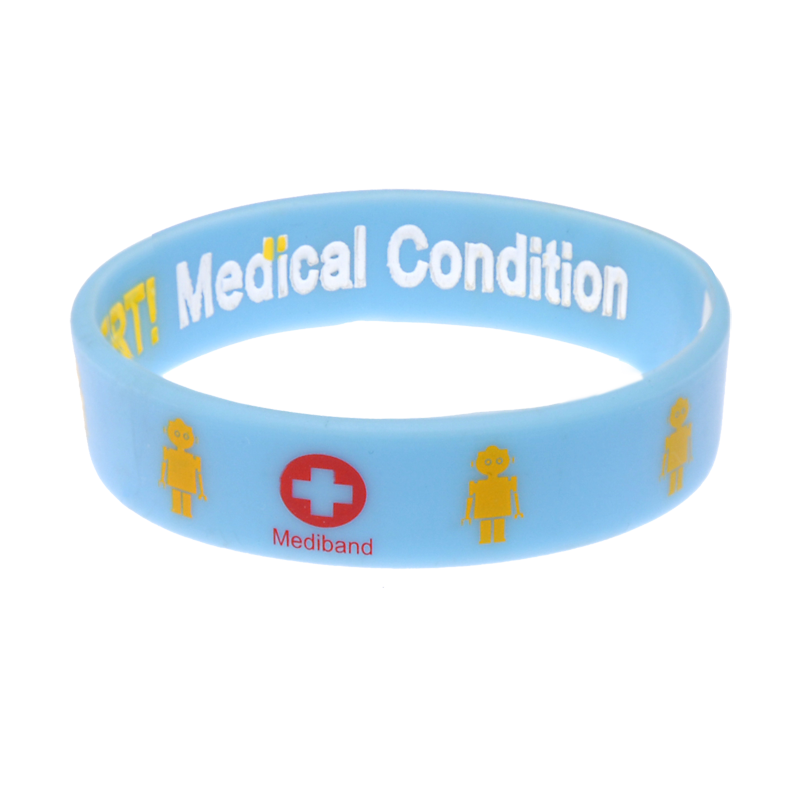
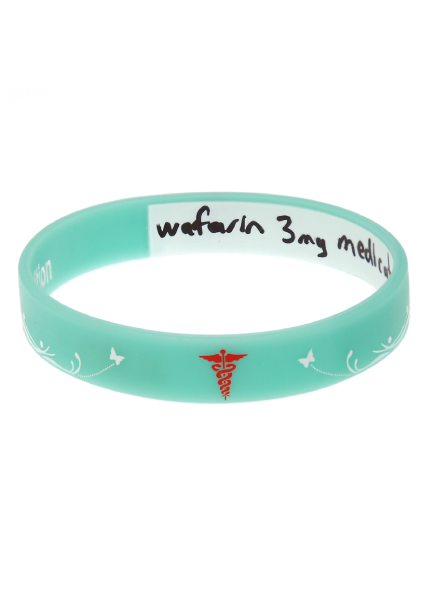
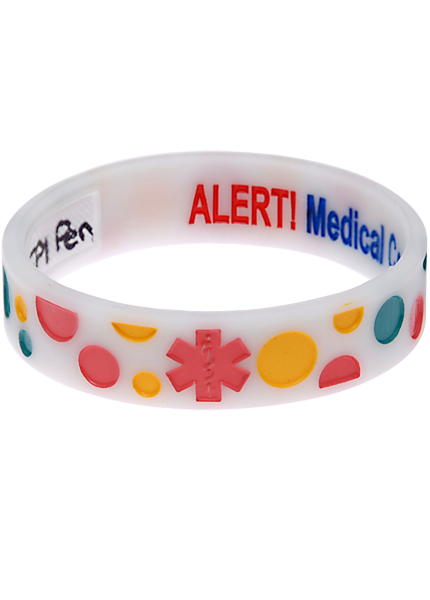
Build your new-year safety net — Mediband medical ID
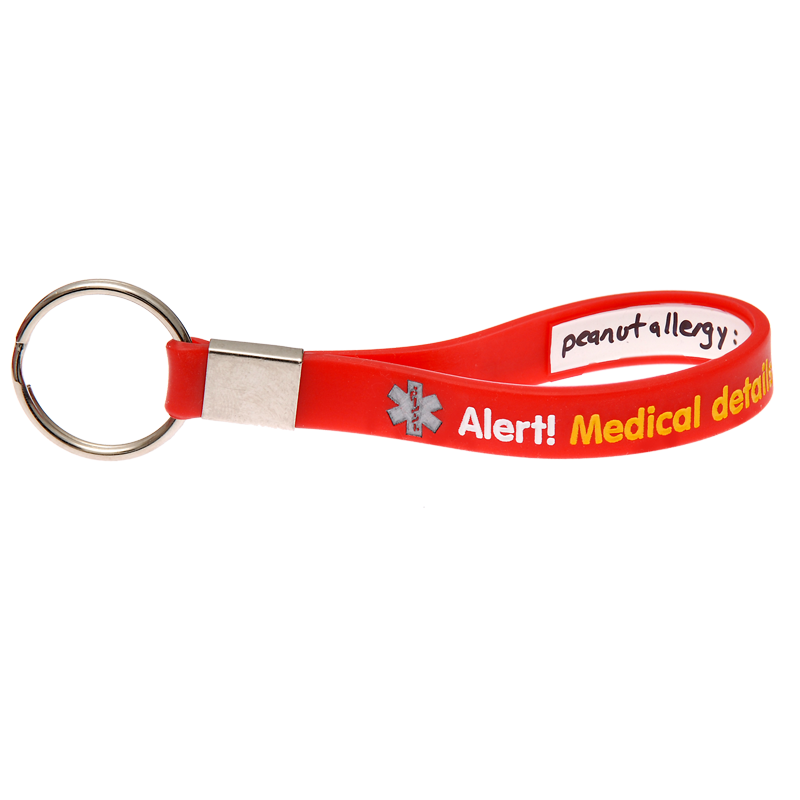
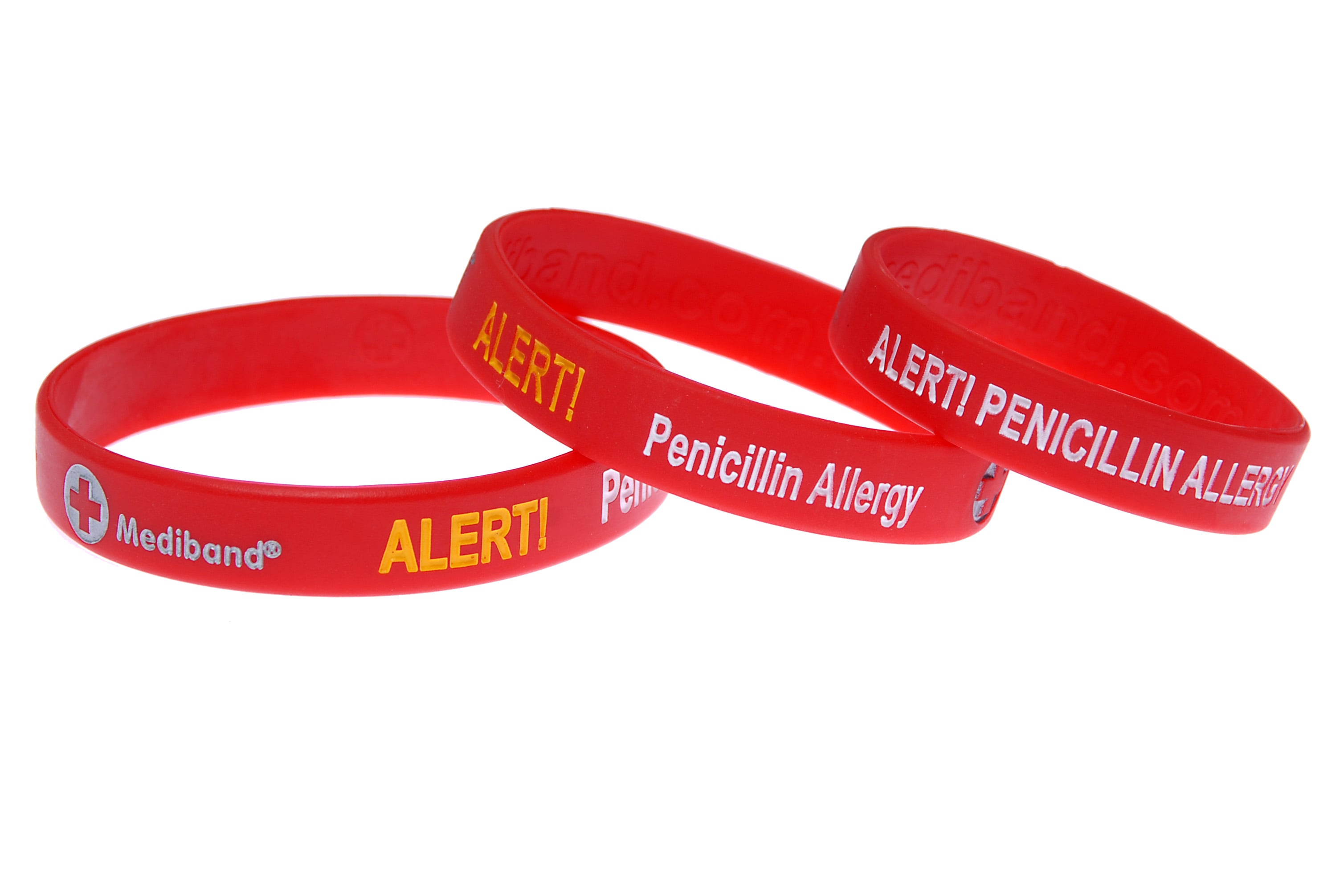
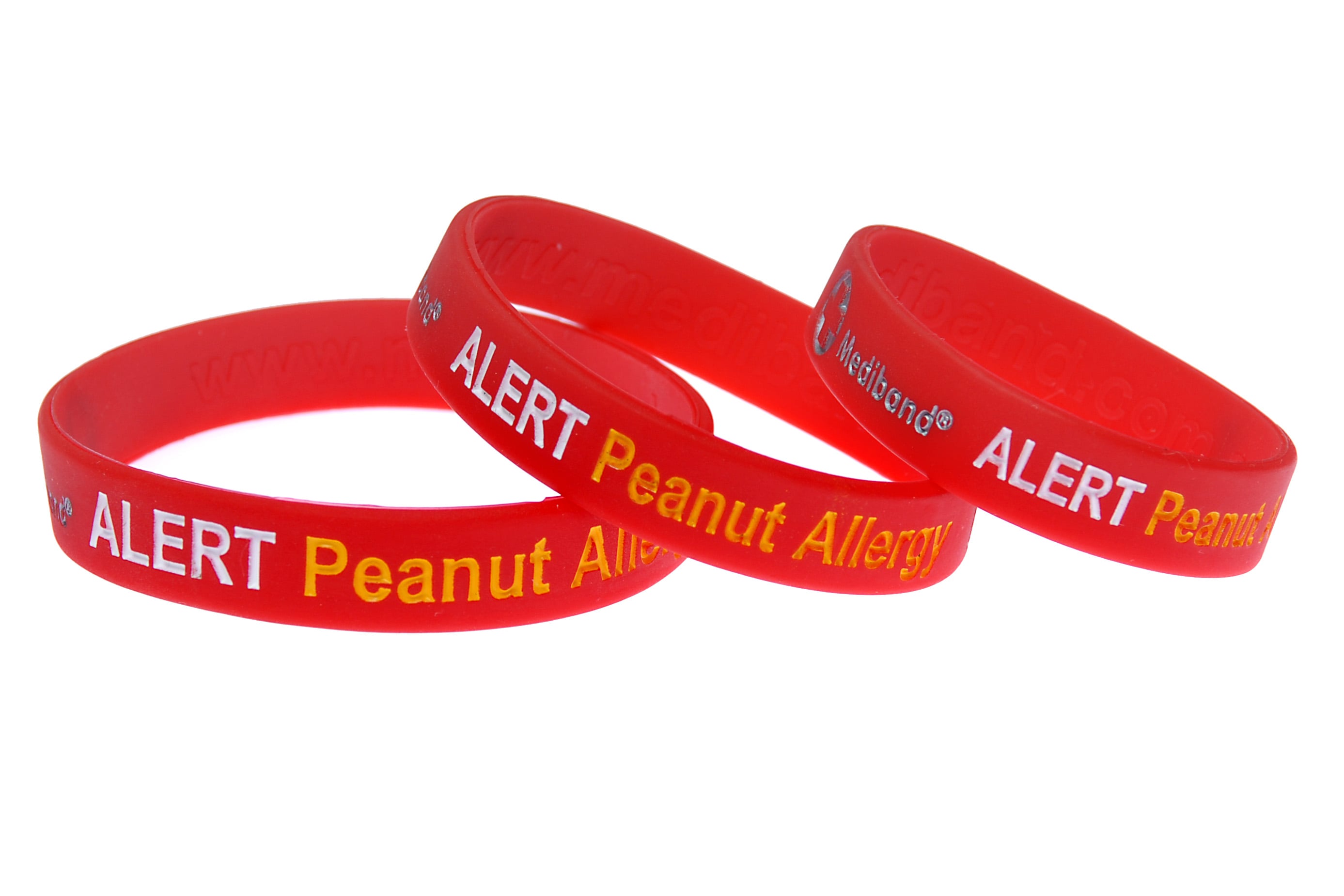
If your wellness plan includes a family member with allergies, diabetes, asthma or epilepsy, add a discreet medical ID. Engraved with the condition + emergency contact, it gives first responders the 15 seconds of context that can change an outcome.
Get your sleep schedule back before your workouts
Sleep is the multiplier for everything else. The Australian Government Department of Health guideline is 7 to 9 hours per night for adults; less than six hours triples your risk of catching the flu and is associated with a 26 % higher risk of cardiovascular events over five years.
If you only do one thing this January, fix your sleep window: same bed-time, same wake-time, no screens 60 minutes before lights-out.
Track something, but only one thing
Wearable adoption has tripled since 2013, but most new users abandon them within 90 days. The trick is to pick a single metric — steps, resting heart rate, or sleep duration — and ignore the rest for the first month. One metric, one win, then layer.
If you have a chronic condition, plan around it
For Australians living with type 1 or type 2 diabetes, epilepsy, severe allergies, heart conditions or asthma, the new-year fitness push needs an extra layer of planning. Diabetes Australia notes that exercise can drop blood glucose unpredictably for up to 24 hours after the session — particularly for type 1 patients.
A small silicone medical ID bracelet engraved with your condition, medications and emergency contact gives first responders the 15 seconds of context they need if something goes wrong on your morning run. They are sweatproof, waterproof and do not interfere with smartwatches.
Train your kids’ healthy habits early
The Australian physical activity guidelines recommend at least 60 minutes of moderate-to-vigorous activity for children aged 5 to 17 every day. Make it a family thing — weekend bushwalks, a Saturday-morning basketball shootout, biking to school on the days the weather plays nice.
For kids with severe allergies, asthma, type 1 diabetes or epilepsy, an age-appropriate medical ID bracelet is a discreet safety net — teachers, coaches and parents at the playground can act quickly if your child cannot speak for themselves.
Mind the mental health load
January is statistically the worst month for Beyond Blue and Lifeline call volume in Australia. If you or a loved one is dipping, please reach out to Beyond Blue (1300 22 4636) or Lifeline (13 11 14). Exercise helps — but professional support helps more.
Avoid the “all or nothing” trap
The single biggest reason resolutions fail by mid-February is not laziness — it is perfectionism. Miss one workout, eat one pizza, and the mental script says “the whole plan is ruined.” The fix: define a minimum dose. Even a 5-minute walk counts. Three workouts a week with two skipped is still 156 workouts a year — an extraordinary improvement over zero.
Hydrate to your body weight, not the trend
The 8-glasses-a-day rule is a myth. Healthdirect Australia recommends roughly 35 ml of water per kilogram of body weight, plus more in heat or after exercise. A 70 kg adult is closer to 2.5 litres on a hot day — not the arbitrary 2 litres on every wellness account.
Add one strength session per week
Walking handles cardio. But after 40, muscle mass declines by about 1 % per year — a process called sarcopenia. Exercise Right recommends two strength sessions per week, but if that is a stretch in week one, start with one. Bodyweight squats, push-ups against a kitchen bench, banded rows — 15 minutes is enough to begin.
Re-test what is and is not working at 6 weeks
Six weeks is when the “new” wears off but before the “old” sets back in. Sit down on Friday 13 February with a coffee and a notebook. What worked? What slid? Adjust — do not restart.
The 80/20 of January wellness
If you only do five things, do these:
- Sleep 7 to 9 hours, same window every night.
- Walk 6,000+ steps daily.
- One strength session per week.
- Half a plate of vegetables at dinner.
- One litre of water before lunch.
That is 80 % of the result of the most aggressive programs — with 20 % of the effort and zero % of the burnout.
When to talk to your GP first
If you are over 45, returning to exercise after a long break, or living with cardiovascular disease, diabetes, asthma or a known orthopaedic injury, book a 15-minute GP visit before you start. A pre-exercise screening (the standard Australian instrument is the APSS) takes minutes and can flag risks well before they become emergencies.
The bottom line
A healthy new year does not require a gym membership, a $300 supplement stack or a wearable that pings you twelve times an hour. It requires sleep, vegetables, a daily walk, and the willingness to start smaller than the loudest accounts on Instagram. Add a medical ID bracelet if a chronic condition is part of your life, train one habit at a time, and re-test in six weeks. By July you will be the friend that the others are asking how you did it.
Frequently asked questions
Is it really safer to start slow than to push hard?
Yes. Rapid increases in exercise volume after a sedentary period are the most common cause of musculoskeletal injury and, in extreme cases, exertional rhabdomyolysis. A 10 % week-on-week increase in training load is the evidence-based ceiling that minimises injury risk while still delivering progress.
How many steps a day do I actually need?
The 10,000-step target is a marketing number from a 1960s Japanese pedometer. Modern meta-analyses show meaningful all-cause-mortality reduction from as little as 2,600 steps daily, with the steepest benefit between 6,000 and 8,000 steps in adults over 40. Anything above zero is meaningful.
Are smoothies and juices unhealthy?
Not inherently — but portion size and ingredients matter. A 600 ml fruit smoothie can contain 30+ grams of sugar, the same as a soft drink. Choose vegetable-heavy blends, keep portions to 300 ml or under, and eat the whole fruit when you can — the fibre matters.
When should I see a GP before starting?
If you are over 45, returning after a six-month break, or living with cardiovascular disease, type 1 or type 2 diabetes, asthma, epilepsy or known orthopaedic injury. A 15-minute pre-exercise screening using the APSS instrument is a low-friction safety check.
Should my child with diabetes or allergies wear a medical ID when exercising?
Yes. Exercise can cause unpredictable blood-glucose drops in type 1 diabetes for up to 24 hours after the session, and severe allergic reactions can begin within minutes. A medical ID bracelet gives teachers, coaches and bystanders the 15 seconds of context they need to act.
How much water do I actually need?
Roughly 35 ml per kilogram of body weight, plus more in hot weather or after exercise. For a 70 kg adult that is 2.5 litres on a normal day, 3+ litres in summer or after intense training. The 8-glasses rule is folklore, not science.
What is the most common reason people quit by February?
Perfectionism. The mental script that says “I missed a workout, so the whole plan is ruined” collapses 60 % of resolutions by mid-February. Define a minimum dose — even five minutes of walking counts — and accept that 80 % adherence is better than 0 % from quitting.
References
- Australian Institute of Health and Welfare — Physical activity overview aihw.gov.au
- Heart Foundation Australia — Sugar and heart health heartfoundation.org.au
- Diabetes Australia — Exercise and glucose diabetesaustralia.com.au
- RACGP — Weekend-warrior injury prevention racgp.org.au
- Eat For Health (Australian Dietary Guidelines) eatforhealth.gov.au
- Australian Government Department of Health — Physical activity guidelines health.gov.au
- Healthdirect Australia — Hydration healthdirect.gov.au
- Exercise Right Australia — Strength training exerciseright.com.au
- Beyond Blue 1300 22 4636 — beyondblue.org.au
- Lifeline 13 11 14 — lifeline.org.au
Build your new-year safety net — Mediband medical ID
If your wellness plan includes a family member with allergies, diabetes, asthma or epilepsy, add a discreet medical ID. Engraved with the condition + emergency contact, it gives first responders the 15 seconds of context that can change an outcome.

Written by
Founder, Mediband
Founder of Mediband; over 20 years providing medical IDs worldwide.
← Previous
Medical Allergy Bracelet for People with Severe Food Allergies
Next →
What Is in First Aid Kits for Home Emergencies
Comment(s)