What is an asthma action plan?
May 30, 2023

If you or your child are living with asthma, an action plan can help you manage the condition and live well with it.

In our latest post, we’re going to take a closer look at action plans and what goes into them.
We’ll also give you some tips on how to live confidently with asthma so that you manage the condition — rather than asthma controlling you!
About asthma action plans
It’s essential for everyone with the condition to have their own personalised asthma action plan, no matter how mild or severe it is for them.
That’s because it aims to prevent and control your asthma so that it impacts less on your everyday life.
It also serves as a guide to managing your asthma with clear instructions on what to do if you have an attack or flare-up.
If you combine following the steps in your action plan with checking in with your doctor regularly then you should have fewer days off sick, less chance of being admitted to hospital as an emergency and be less likely to need to use medication.
Writing your asthma action plan and what goes in it
You can write your asthma action plan in collaboration with your doctor. They will ask you questions about what triggers your symptoms and how you can manage them.
As well as your patient details like your name, doctor’s name and emergency contact info, the typical asthma action plan will have four main sections:
- How to manage your asthma when it’s well controlled
- What you should do if you get a flare-up
- What you should do if your flare-up is severe
- What you should do if you have an asthma emergency
Each section will define your asthma status, and the first three will recommend which medication you should take and any other necessary steps, such as making an appointment with your doctor.
In section four, you (or your carer) will be guided on the steps to take when you have an asthma emergency, like calling an ambulance and getting first aid.
If you have a risk of anaphylaxis, a severe and life-threatening reaction, your doctor may also recommend that you have a separate anaphylaxis plan.
If you’re looking for a ready-made template for your asthma action plan, check out the example on the Asthma Australia website. It works as an adult asthma action plan and for children too.
Once completed, you should make sure that your plan is easy to access for you and others:
Print it out and keep it somewhere easy to find, for example, the same place where you keep your medication
Give a copy to your child’s school or your workplace so that teachers and colleagues know what to do
Take a photo of your plan and keep it on your phone
You can also upload it on the Kiss My Asthma app, which helps you track and manage your asthma
Shop Asthma Medical Alert Bracelets
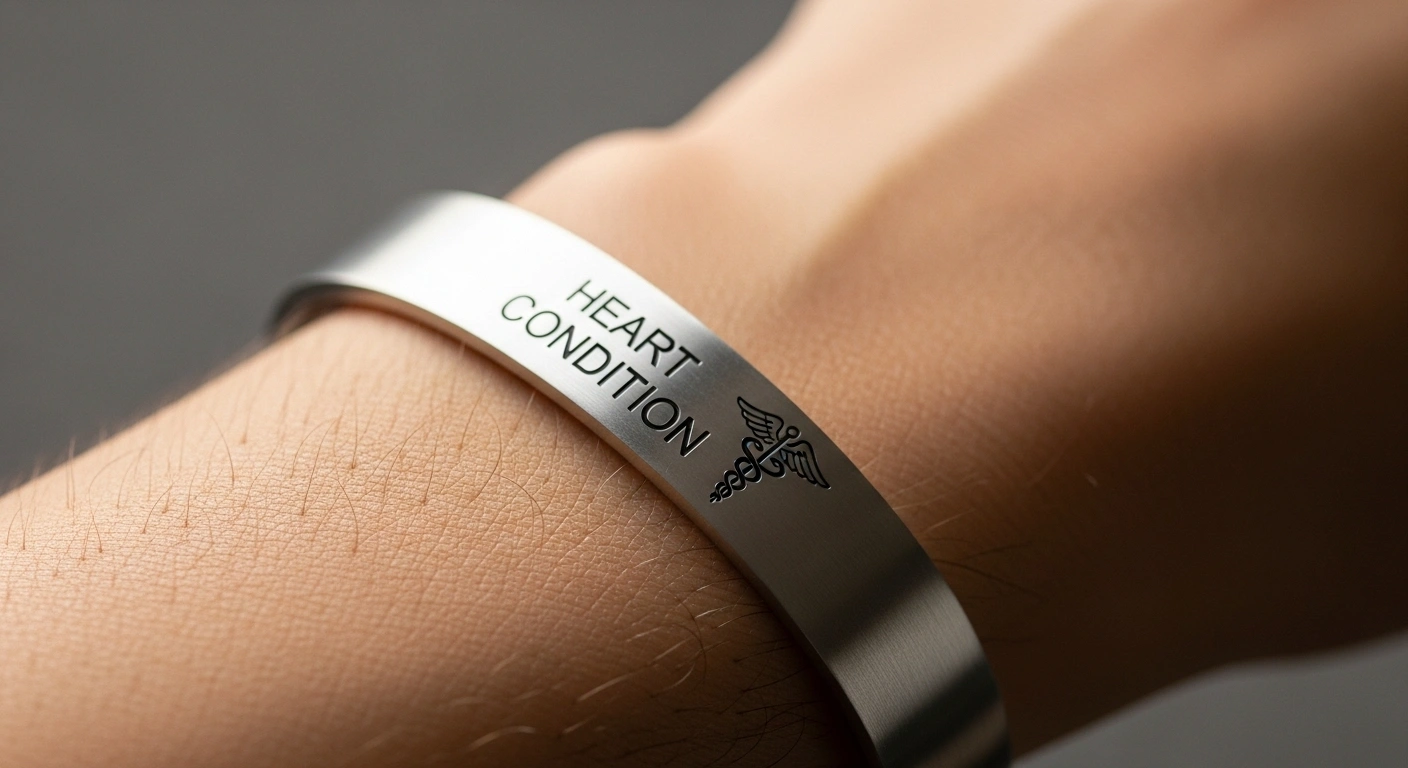
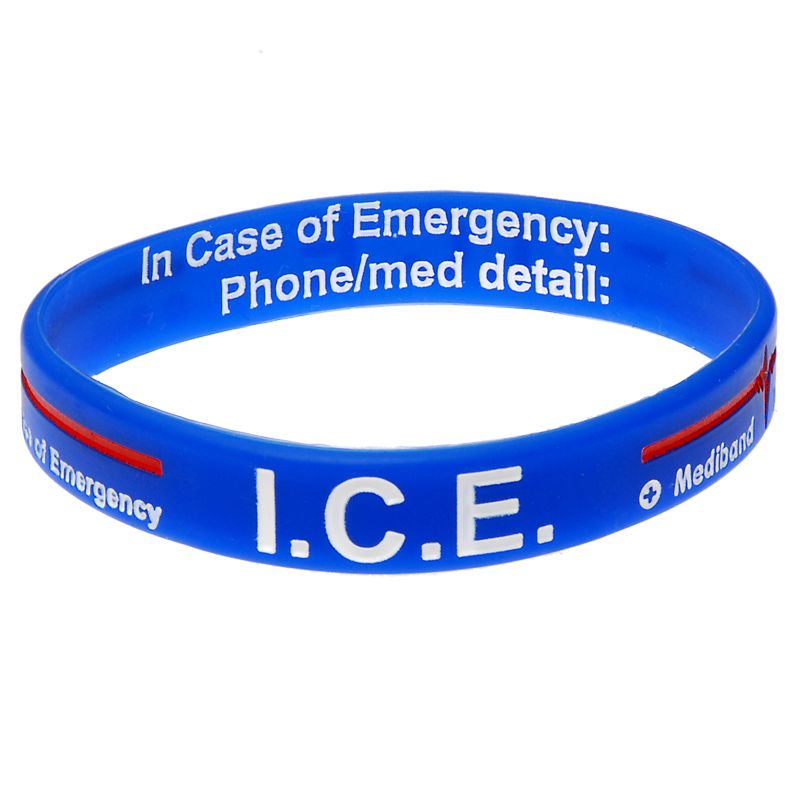
Your asthma action plan tells you what to do — your bracelet tells paramedics what they need to know.
How else can I live well with asthma?
Managing your asthma well means that you will be sick less frequently and be able to live as full a life as possible.

You can do this by:
- Seeing your doctor for a review every six to 12 months. At your review, you can discuss your medication, update your asthma action plan and ask any questions you may have about your condition
- Taking your preventer inhaler every day or as directed by your doctor. This will reduce inflammation in your airways and reduce the frequency and severity of symptoms
- Being aware of your triggers. These may change according to the season and environment you are in. If you have a change in your symptoms or how your medication is controlling them as a result, you may need to review your medication with your doctor
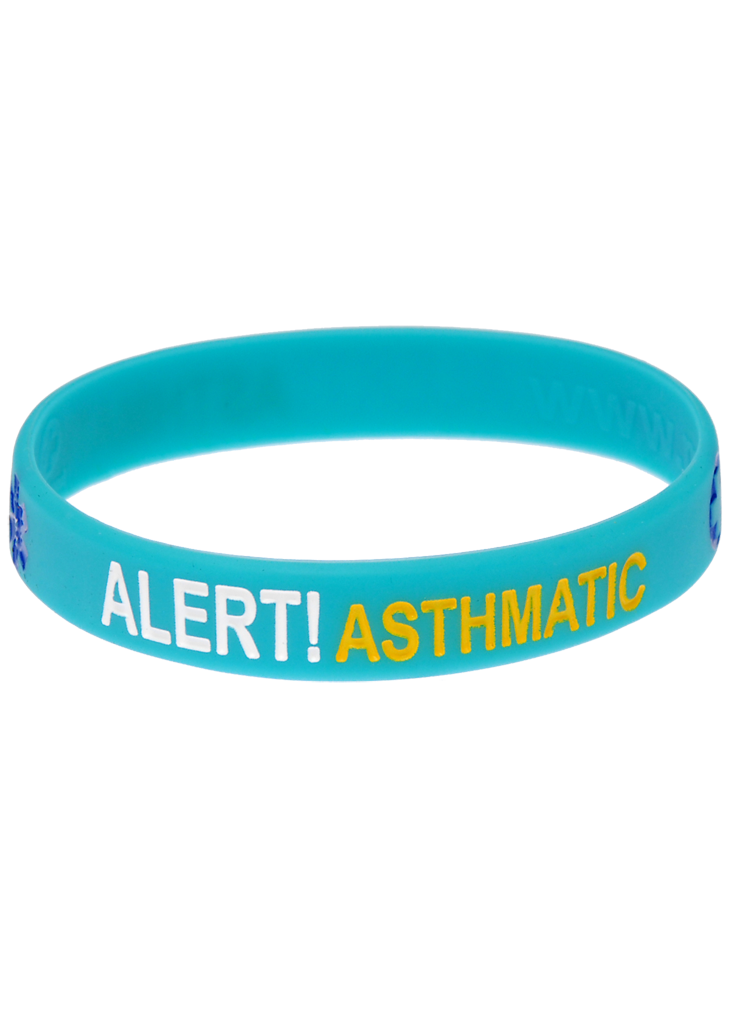
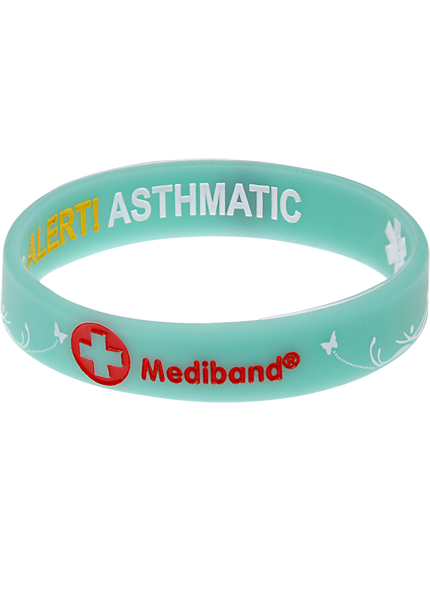
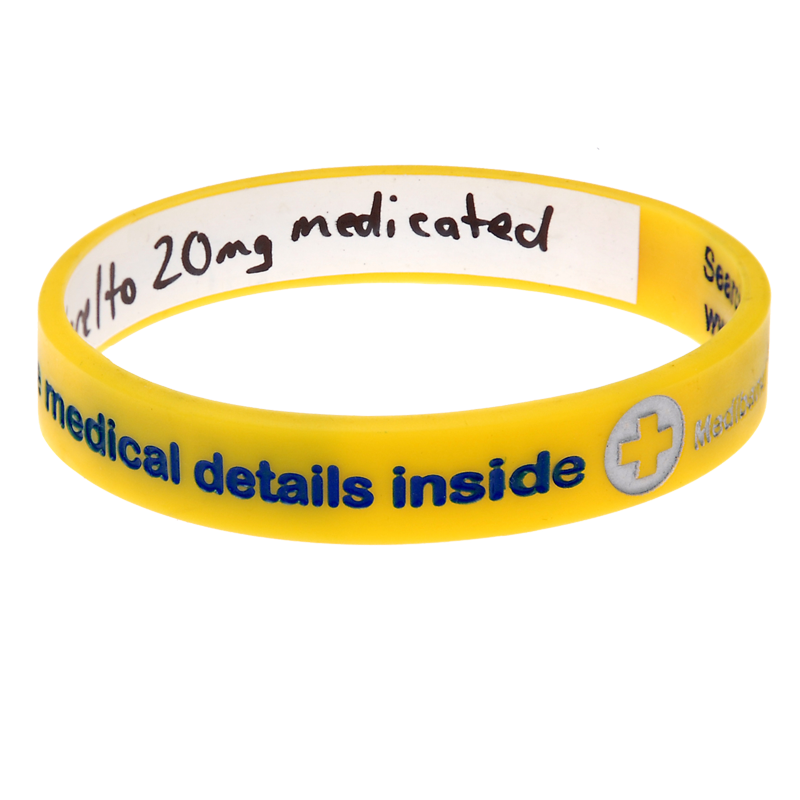
- Wearing a medical ID bracelet with details of your condition. Silicone asthma medical alert bracelets are invaluable in an emergency when you may not be able to communicate details of your condition. As well as stating that you are asthmatic, your medic alert can be personalised with your medication and emergency contact. If bracelets aren’t your thing, you can also opt for a dog tag-style necklace or wallet card containing the same information
Living your best life with asthma
Asthma doesn’t have to be a life-limiting condition. With an action plan, regular support from your healthcare team and a few self-care strategies, you can make the most of your life.
One simple way of doing this is by wearing a medical alert that details your condition and medication. More than anything, it offers peace of mind knowing that you will receive the right treatment in an emergency.
That’s exactly what the Mediband range of healthcare IDs is all about — empowering you to live your best life with asthma.
So why not browse our collection and discover our range of med alerts — remember that small steps like wearing your ID will add up to a big change in the quality of your life, regardless of your asthma!
Frequently Asked Questions
What is an asthma action plan?
An asthma action plan is a written document created with your doctor that outlines how to manage your asthma daily, what to do when symptoms worsen, and when to seek emergency help. It uses a traffic light system — green for well-controlled, yellow for worsening, and red for emergency. Asthma Australia recommends every person with asthma has one.
How common is asthma in Australia?
According to the Australian Institute of Health and Welfare, approximately 2.7 million Australians (about 11 percent of the population) have asthma. Australia has one of the highest rates of asthma in the world. Asthma causes around 400 deaths per year in Australia, many of which are preventable with proper management.
Why should someone with asthma wear a medical alert bracelet?
A severe asthma attack can render you unable to speak or use your inhaler. A medical alert bracelet tells paramedics you have asthma, what medications you take, and any drug allergies — enabling them to administer the correct emergency treatment immediately without waiting for you to communicate.
What should an asthma action plan include?
Your plan should include your usual medications and doses, how to recognise worsening symptoms, step-by-step instructions for what to do during an attack, when to increase medication, when to call 000, your emergency contacts, and your doctor details. Review and update it with your GP at least once a year.
Can asthma be life-threatening?
Yes. Severe asthma attacks can be fatal if not treated promptly. In Australia, approximately 38,000 people are hospitalised for asthma each year according to the AIHW. People with poorly controlled asthma, a history of severe attacks, or who delay seeking help are at highest risk. An asthma action plan and medical alert bracelet significantly reduce this risk.

Share on Facebook

Share on X

Share on Pinterest
Comment(s)
Recent Posts

The Risk Of Not Wearing An Allergy Medical Alert Bracelet
March 23, 2026