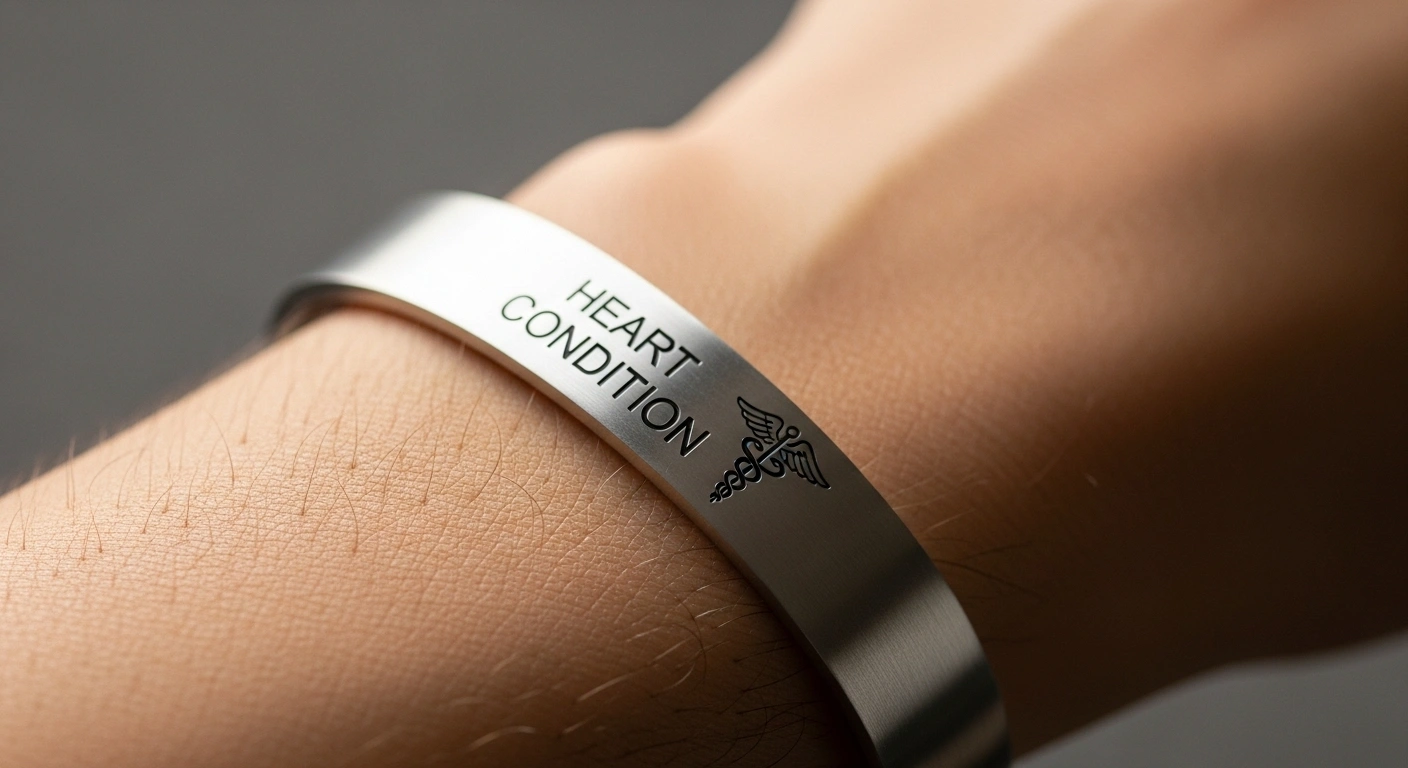
Blood Thinners and Bleeding Risk: Why You Need a Medical Alert Bracelet
October 23, 2020

Anticoagulant medications — commonly known as blood thinners — are among the most widely prescribed drugs in the world. They are used to prevent dangerous blood clots in conditions such as atrial fibrillation, deep vein thrombosis, pulmonary embolism, and following heart valve replacement. While blood thinners save lives by preventing strokes and clots, they also carry a significant and well-documented risk: if a person on anticoagulants is injured, bleeds internally, or requires emergency surgery, the consequences can be life-threatening.
This guide explains how blood thinners work, who takes them, the specific risks they create in emergencies, and why a medical alert bracelet is considered an essential safety tool for anyone on long-term anticoagulant therapy.
What Are Blood Thinners and How Do They Work?
The term "blood thinner" is a misnomer — these medications do not actually thin the blood. They work by interfering with the coagulation (clotting) cascade, a series of biochemical reactions that the body uses to form blood clots. By interrupting this cascade, anticoagulants reduce the ability of blood to clot, thereby preventing the formation of dangerous clots in blood vessels.
There are several main classes of anticoagulant medication:
- Vitamin K antagonists (VKAs): The most established class, including warfarin. These work by blocking the action of vitamin K, which is necessary for producing several clotting factors. They require regular blood monitoring (INR tests) to ensure the dose remains in the therapeutic range.
- Direct oral anticoagulants (DOACs): A newer class including rivaroxaban (Xarelto), apixaban (Eliquis), dabigatran (Pradaxa), and edoxaban. DOACs work by directly inhibiting specific clotting factors (Factor Xa or thrombin) and do not require routine blood monitoring.
- Heparins: Injectable anticoagulants used in hospital settings for acute clot treatment and prevention. Low-molecular-weight heparins (such as enoxaparin) are also used in some outpatient settings.
According to a report by the WHO Medication Without Harm initiative, anticoagulants are consistently identified as one of the highest-risk drug classes for medication errors and adverse events globally — largely because of their narrow therapeutic window and significant bleeding risk.
Who Takes Blood Thinners?
Anticoagulant therapy is prescribed for a wide range of conditions, including:
- Atrial fibrillation (AF): Irregular heart rhythm that significantly increases stroke risk
- Deep vein thrombosis (DVT) and pulmonary embolism (PE): Blood clots in leg veins or lung vessels
- Mechanical heart valves: Require lifelong warfarin therapy
- Antiphospholipid syndrome: An autoimmune condition causing a clotting tendency
- Inherited thrombophilias: Genetic conditions increasing clot risk
- Post-surgical prophylaxis: Short-term use after major joint replacement or other surgeries
Many people take anticoagulants for years — in some cases, for life. The sheer breadth of conditions requiring anticoagulation means that millions of people worldwide carry this elevated bleeding risk as a daily reality.
Why Bleeding Risk Makes Blood Thinners Especially Dangerous in Emergencies
Anticoagulants significantly reduce the body's ability to control bleeding. In everyday life, this risk is managed through dose monitoring, dietary consistency (particularly with warfarin, which is affected by vitamin K intake), and avoiding activities with high injury risk. However, accidents happen — and in an emergency, the stakes are dramatically higher for someone on anticoagulant therapy.
Trauma and Blood Loss
In a car accident, fall, or other traumatic injury, a person on blood thinners will bleed more and for longer than someone not on anticoagulants. Internal bleeding — which may not be immediately visible — can become life-threatening rapidly. Emergency responders need to know about anticoagulant use so they can alert the hospital, administer reversal agents if available, and approach haemorrhage control with appropriate urgency.
Surgery and Medical Procedures
Any surgical procedure — even a dental extraction — requires advance planning when the patient is on anticoagulants. Emergency surgery on an anticoagulated patient requires rapid reversal strategies (such as vitamin K, clotting factor concentrates, or specific reversal agents like idarucizumab for dabigatran or andexanet alfa for factor Xa inhibitors). Knowing which anticoagulant the patient is on is essential for selecting the right reversal approach.
Intracranial Bleeding
Bleeding inside the skull — whether from a traumatic head injury or a spontaneous bleed — is one of the most feared complications of anticoagulation. Even a minor head injury that would cause no lasting harm in a non-anticoagulated person can cause a significant intracranial haematoma in someone on warfarin or a DOAC. Rapid reversal and emergency neurosurgical intervention may be required.
Why a Medical Alert Bracelet Is Essential for Blood Thinner Users
In any emergency involving a person on anticoagulants, time is critical. A medical alert bracelet communicates this information without delay — before the patient can speak, before medical records can be retrieved, and before emergency services are contacted.
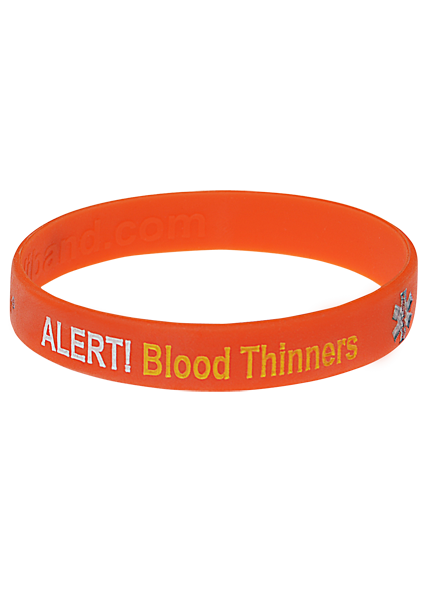
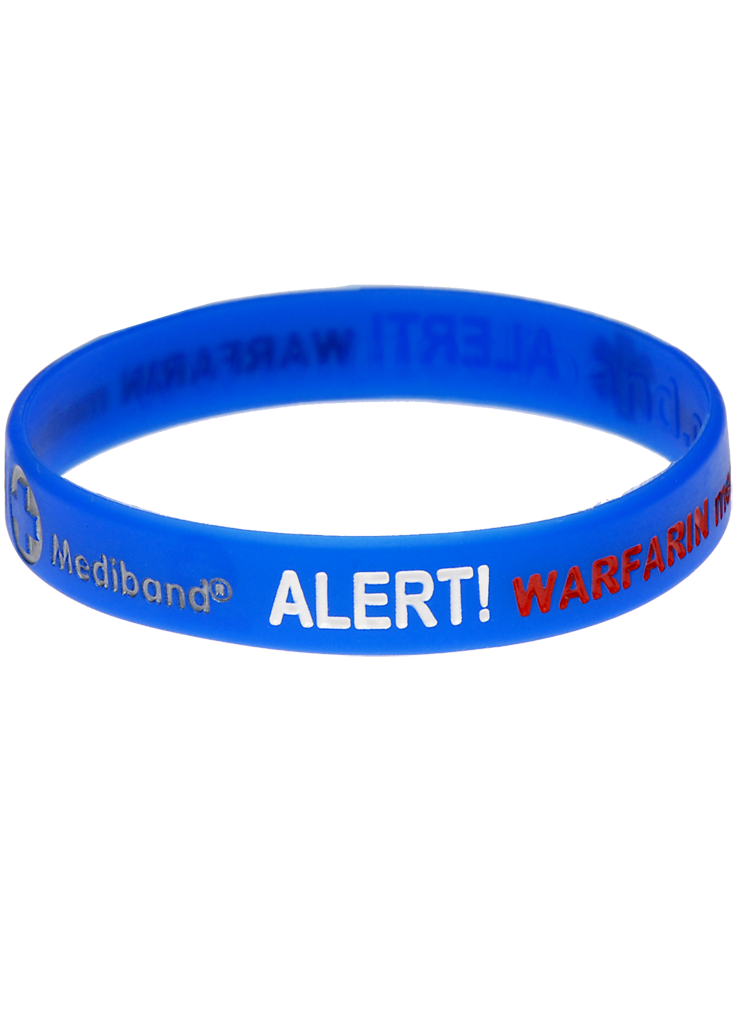
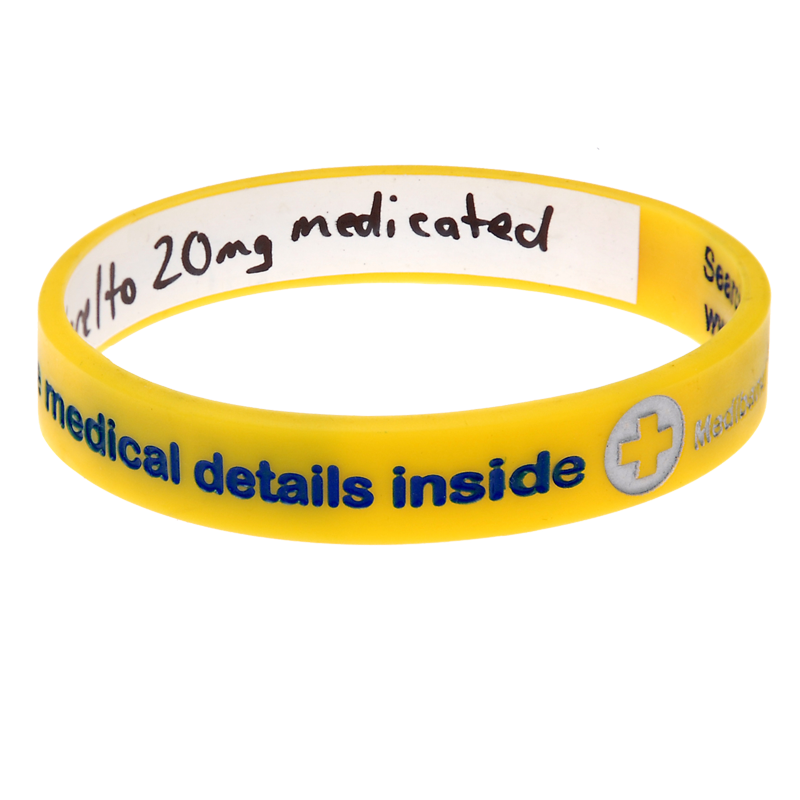
A blood thinners medical alert bracelet tells first responders and hospital staff immediately that this patient has an elevated bleeding risk — changing their approach to assessment and treatment. Warfarin specifically warrants its own identification: a warfarin medical alert bracelet enables staff to immediately consider the current INR, vitamin K administration, and specific reversal protocols.
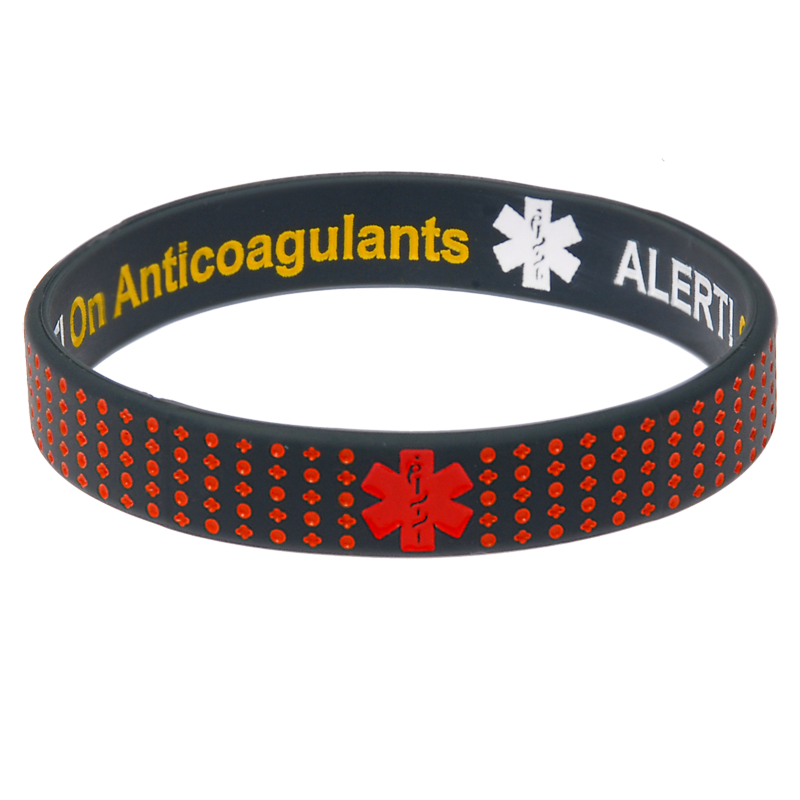
For those on DOACs, an anticoagulant medical alert bracelet flags the medication class and prompts consideration of the appropriate reversal strategy for the specific drug being taken. Combined with a write-on bracelet that lists the specific drug name, this provides maximum information.
Daily Life on Blood Thinners: Practical Safety Measures
Beyond medical identification, people on anticoagulant therapy can take several practical steps to manage their bleeding risk safely:
- Keep anticoagulation clinic appointments: Regular INR monitoring is essential for warfarin users. Do not skip tests or adjust doses without medical advice.
- Avoid non-steroidal anti-inflammatory drugs (NSAIDs): Ibuprofen and similar medications increase bleeding risk when combined with anticoagulants. Use paracetamol instead for pain relief.
- Inform all healthcare providers: Including dentists, pharmacists, and specialists. Many medications and supplements interact with anticoagulants.
- Maintain a consistent diet: For warfarin users, significant changes in vitamin K intake (found in leafy green vegetables) affect INR. Consistency rather than avoidance is the key.
- Use protective equipment: For activities with fall or injury risk, appropriate helmets, pads, and protective gear reduce bleeding risk.
Medical Alert Bracelets for Blood Thinners
Your anticoagulation status must be communicated instantly in any emergency.

Carrying a Medical Alert Card for Detailed Anticoagulation Information
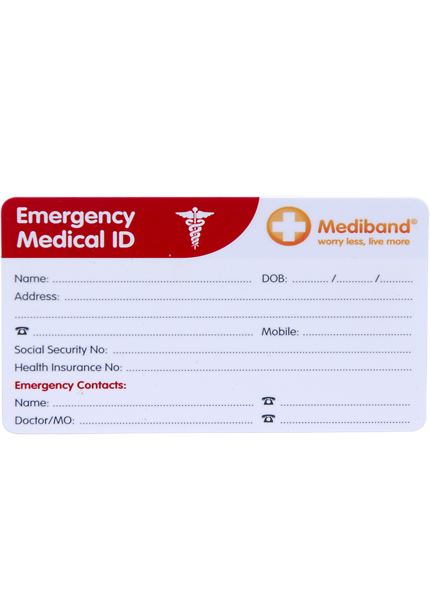
A medical alert bracelet communicates the most critical information quickly, but a medical wallet card provides space for the detail that emergency responders and hospital staff need for the best possible treatment decisions.
Your medical wallet card should include the specific anticoagulant medication name and dose, the reason for anticoagulation, the most recent INR result and date (for warfarin users), your anticoagulation clinic name and contact number, your prescribing cardiologist or haematologist's details, and any relevant reversal agent information or specific instructions from your treating team.
This combination of a visible wrist bracelet and a detailed wallet card ensures that any emergency provider — from a first responder at the scene to a specialist in the emergency department — has the information they need to treat you safely. For anyone on long-term anticoagulant therapy, this preparation is not optional. It is one of the most important safety investments you can make.
Frequently Asked Questions
What does "high bleeding risk" mean for someone on blood thinners?
High bleeding risk means that the normal mechanisms that stop bleeding after an injury are impaired. A cut or internal injury that a healthy person would clot off quickly can cause prolonged, severe bleeding in someone on anticoagulants. This changes how emergency care must be approached — including the potential need for reversal agents, urgent blood transfusions, or modified surgical approaches.
Can I take ibuprofen if I am on blood thinners?
No — ibuprofen and other NSAIDs significantly increase bleeding risk when combined with anticoagulant medications. Use paracetamol (acetaminophen) instead for pain relief. Always check with your doctor or pharmacist before taking any new medication, including over-the-counter products, if you are on anticoagulation therapy.
Why do I need a specific medical alert bracelet for warfarin versus other blood thinners?
Warfarin has a specific reversal agent (vitamin K, with or without clotting factor concentrates) and requires INR monitoring, which affects emergency treatment decisions differently from newer direct oral anticoagulants (DOACs) like rivaroxaban or apixaban, which have their own reversal agents. Specifying the drug helps emergency providers select the most appropriate response rapidly.
Should I stop my blood thinners before surgery?
Never stop anticoagulant medication without explicit medical advice. For planned procedures, your healthcare team will provide a specific protocol — often called a "bridging" strategy — that temporarily modifies your anticoagulation while maintaining clot prevention. In emergency surgery, rapid reversal strategies are available. Always ensure surgeons and anaesthetists are aware of your anticoagulant use before any procedure.

Share on Facebook

Share on X

Share on Pinterest
Comment(s)
Recent Posts
The Risk Of Not Wearing An Allergy Medical Alert Bracelet
March 23, 2026