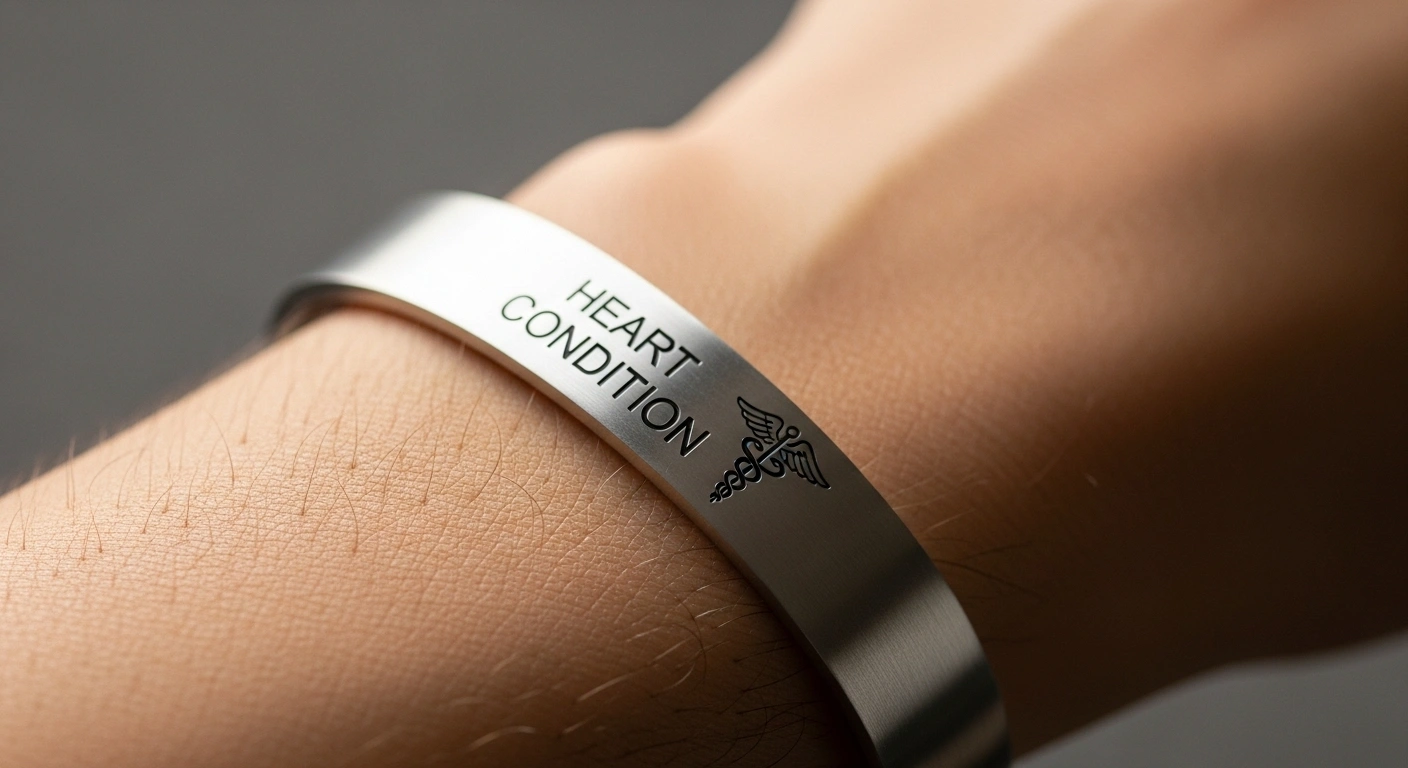
Epilepsy Management: Seizure Safety, First Aid, and Medical Alert Bracelets
October 28, 2020
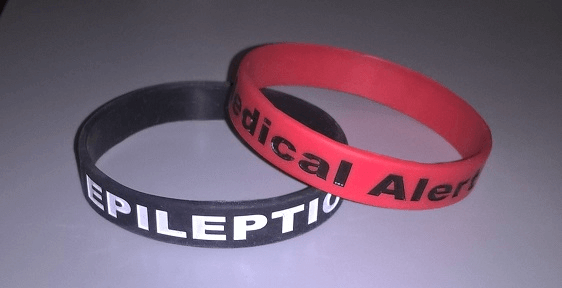
Epilepsy is one of the most common neurological conditions in the world, affecting approximately 50 million people globally according to the World Health Organization. Despite its prevalence, epilepsy is frequently misunderstood, and the response to a seizure in a public setting is often inappropriate — causing harm rather than helping.
This guide provides a comprehensive overview of epilepsy management, covering seizure safety, correct first aid, medication management, lifestyle considerations, and the critical role of medical alert identification for people living with seizure disorders.
Understanding Epilepsy: More Than Just Seizures
Epilepsy is defined as a tendency to have recurrent seizures due to abnormal electrical activity in the brain. However, epilepsy is not a single condition — it is a spectrum of seizure disorders with different causes, seizure types, and management needs. Some forms begin in childhood and are outgrown; others are lifelong. Some are well-controlled with a single medication; others require complex medication regimens or surgical intervention.
Seizures themselves vary enormously. Generalised tonic-clonic seizures (the type most people picture when they hear the word "epilepsy") involve loss of consciousness and rhythmic convulsive movements. Absence seizures cause brief episodes of "blanking out" that may be mistaken for daydreaming. Focal (partial) seizures affect only one part of the brain and may cause unusual sensations, involuntary movements of one limb, or altered awareness without full loss of consciousness.
Understanding the type of seizures a person experiences is essential for providing appropriate first aid and for informing others about what to expect.
Seizure First Aid: What to Do and What Not to Do
Correct seizure first aid is simple but often misapplied. The most common and dangerous myth — that you should put something in the mouth of someone having a seizure — has no medical basis and risks injury to both the person having the seizure and the bystander.
What to Do During a Seizure
- Stay calm and stay with the person. Time the seizure from the start.
- Protect from injury. Clear away hard or sharp objects. Cushion the head with something soft if possible.
- Turn the person onto their side (recovery position) once the convulsive movements stop, to protect the airway and allow any fluid to drain.
- Do not restrain the person. Attempting to hold someone still during a seizure can cause injury. Let the seizure run its natural course.
- Do not put anything in the mouth. The person cannot swallow their tongue. Objects in the mouth risk broken teeth and bitten fingers.
- Talk calmly to the person as they recover — the post-ictal (recovery) phase can be disorienting and frightening.
When to Call Emergency Services
Call emergency services if:
- The seizure lasts longer than 5 minutes (this is a medical emergency called status epilepticus)
- The person does not regain consciousness after the seizure stops
- A second seizure begins shortly after the first
- The person is injured during the seizure
- This is the person's first known seizure
- The seizure occurs in water
A medical alert bracelet for epilepsy immediately tells bystanders and paramedics that the person has a diagnosed seizure disorder, which helps responders distinguish a typical known seizure from a first-time event requiring urgent investigation.
Epilepsy Medications: How They Work and Why Adherence Matters
Anti-seizure medications (ASMs) are the cornerstone of epilepsy management. There are more than 20 licensed ASMs available, each with a different mechanism of action, side effect profile, and suitability for different seizure types. Common options include levetiracetam, lamotrigine, valproate, carbamazepine, and many others.
Approximately 70% of people with epilepsy achieve good seizure control with medication. For the remaining 30%, combinations of medications, dietary approaches (such as the ketogenic diet), or surgical options may be explored.
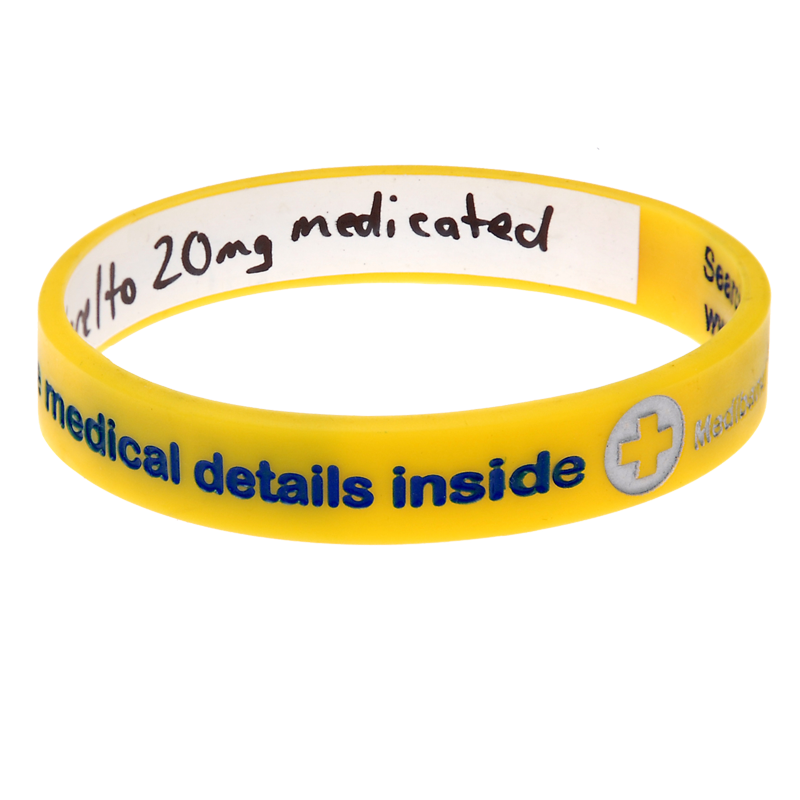
Medication adherence is critical in epilepsy. Missing doses — even occasionally — significantly increases seizure risk. Dose timing, drug interactions (including with common over-the-counter medications and alcohol), and the specific medication being taken are all information that emergency responders may need. A write-on medical bracelet can include current medication names alongside the epilepsy diagnosis.
Safety Considerations for Daily Life with Epilepsy
Epilepsy affects daily safety in ways that require practical planning:
Driving
Driving restrictions apply in most countries for people with epilepsy who are not seizure-free. The required seizure-free period before driving is permitted varies by jurisdiction — typically between 6 months and 2 years depending on seizure type and local regulations. Healthcare providers can advise on specific requirements.
Water Safety
Drowning risk is significantly elevated in people with uncontrolled epilepsy. Showering rather than bathing, or bathing with the door unlocked and someone aware, is generally recommended. Swimming should always be supervised. A medical alert bracelet that is waterproof and remains on during swimming activities can alert lifeguards and responders to the diagnosis.
Heights and Heavy Machinery
Working at heights or with heavy machinery carries significant risk for people with uncontrolled epilepsy. Workplace adjustments and open communication with employers — supported by medical documentation — are important for managing these risks safely.
Sleep and Seizure Triggers
Sleep deprivation is one of the most reliable seizure triggers. Maintaining consistent sleep patterns, avoiding alcohol, managing stress, and adhering to medication schedules are key components of epilepsy self-management. For some people, specific triggers such as photosensitivity (flashing lights) or hormonal fluctuations are relevant.
The Role of Medical Alert Bracelets in Epilepsy Management
A medical alert bracelet is one of the most important safety tools for anyone with epilepsy. During a seizure, a person cannot communicate their condition, their medications, or their history. A bracelet does this instantly and reliably.
For epilepsy specifically, a medical alert bracelet communicates:
- That the person has epilepsy — helping bystanders provide appropriate first aid rather than panic
- That the event is likely a known seizure, reducing unnecessary emergency calls for typical brief seizures
- Key medications — particularly important if anti-seizure medications affect other treatment decisions
- Emergency contact information for a person who can provide further history
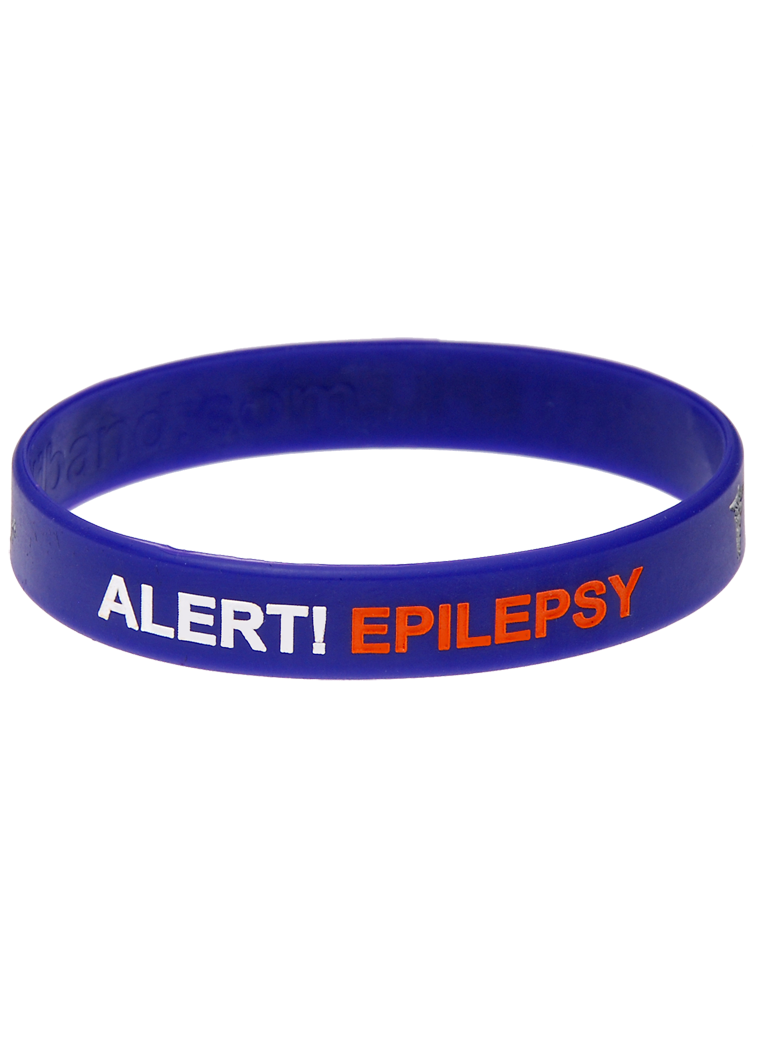
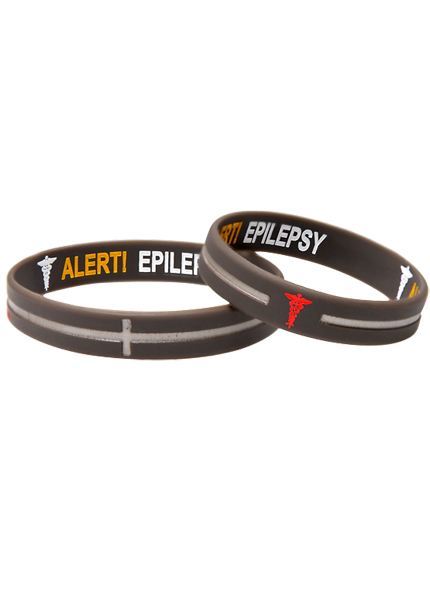
Options include pre-engraved bracelets such as the epilepsy alert medical bracelet, write-on versions for those who want to include medication details, and designer styles that make the bracelet something you are happy to wear every day.
Epilepsy Medical Alert Bracelets
Worn every day, for safety every moment — your epilepsy ID speaks when you cannot.


Supporting Someone with Epilepsy
For family members, friends, and colleagues of someone with epilepsy, knowing how to respond to a seizure is a critical life skill. The principles of seizure first aid — protect, time, do not restrain, do not put anything in the mouth — should be shared with anyone who spends significant time with a person who has epilepsy.
Beyond seizure first aid, supportive roles include encouraging medication adherence, being aware of known triggers, and understanding when to call for emergency help. Having a clear, shared understanding of the person's epilepsy action plan — including their typical seizure pattern and what constitutes an emergency — is invaluable.
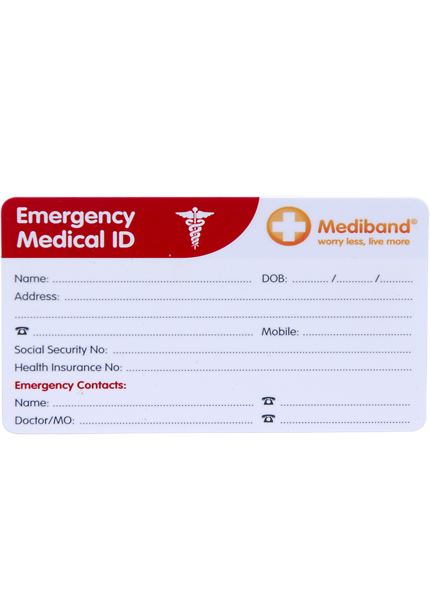
A medical wallet card kept alongside the medical alert bracelet provides space for more detail — medication names and doses, the treating neurologist's contact, and specific instructions for the person's particular seizure pattern. This combination of bracelet plus card gives any first responder the information they need for safe, effective care.
Epilepsy well-managed is compatible with a full, active, and meaningful life. The right safety measures — consistent medication, seizure awareness, first aid education for those nearby, and reliable medical alert identification — create the conditions for that life.
Frequently Asked Questions
What should I do if someone is having an epileptic seizure?
Stay calm and stay with them. Clear away anything hard or sharp nearby, cushion their head, and time the seizure. Do not restrain them or put anything in their mouth. Once the convulsive movements stop, gently roll them onto their side. Call emergency services if the seizure lasts longer than 5 minutes, they do not regain consciousness, they have a second seizure, or they are injured.
Can epilepsy be cured?
Epilepsy cannot always be cured, but for many people it can be well-controlled. Approximately 70% of people with epilepsy achieve good seizure control with the right anti-seizure medication. For some people — particularly those with a structural cause identified — surgery may offer long-term seizure freedom. Some childhood epilepsy syndromes are outgrown. An epilepsy specialist (neurologist) is best placed to advise on the likely prognosis for an individual.
Why is it important to wear a medical alert bracelet for epilepsy?
During a seizure, a person cannot speak for themselves. A medical alert bracelet communicates the epilepsy diagnosis immediately to bystanders and paramedics, helping them provide correct first aid, understand that the event is likely a known seizure rather than a new emergency, and contact the right person for further information. It also communicates current medications, which may affect treatment decisions in an emergency department.
What triggers epileptic seizures?
Common seizure triggers include sleep deprivation, alcohol consumption, stress, illness with fever, missed medication doses, and in some people, photosensitive stimuli (flashing lights). Triggers vary significantly between individuals — many people with epilepsy can identify their own personal triggers through observation and keeping a seizure diary. Avoiding known triggers is an important part of everyday epilepsy management.

Share on Facebook

Share on X

Share on Pinterest
Comment(s)
Recent Posts

The Risk Of Not Wearing An Allergy Medical Alert Bracelet
March 23, 2026