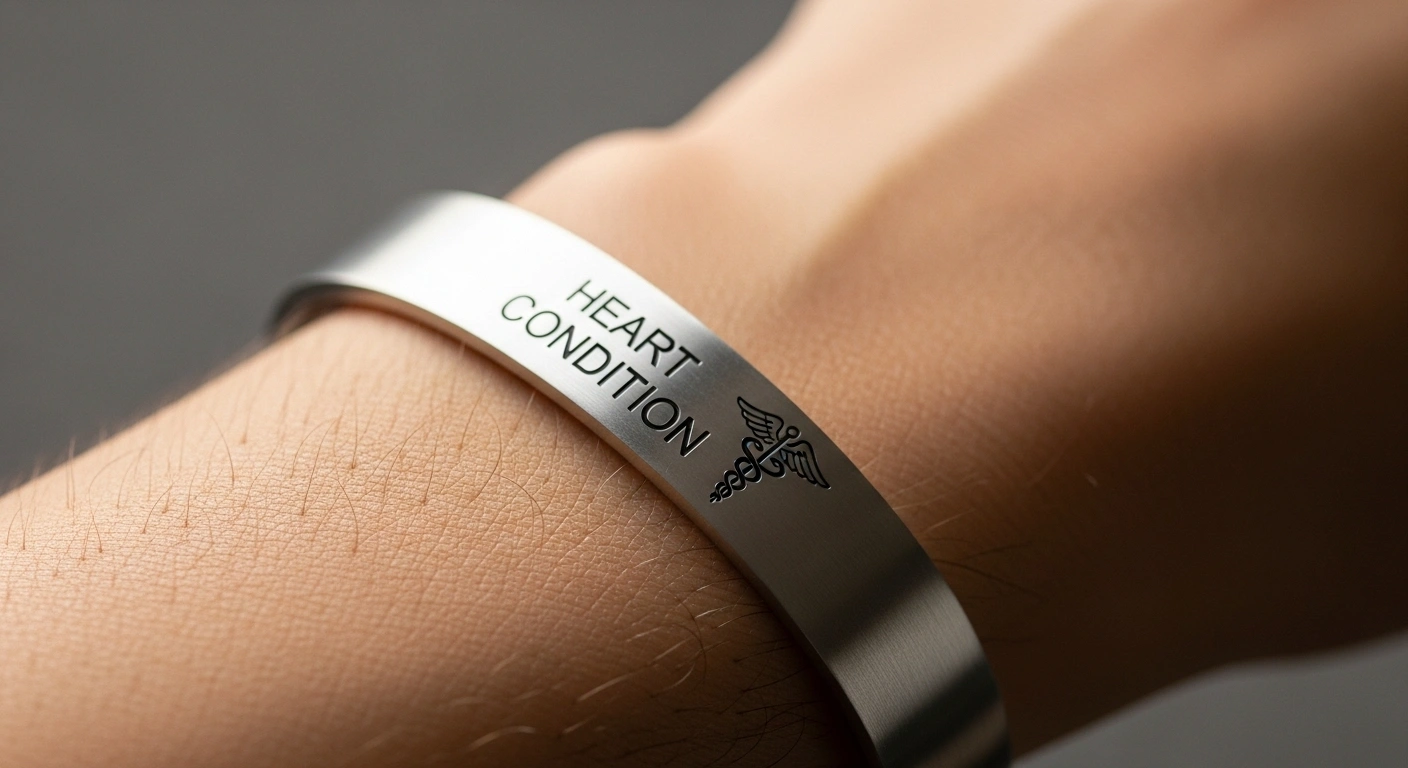
How to Manage Your Health Records: A Complete Guide to Personal Health Information
November 19, 2020

Your personal health information is one of the most important resources you will ever need — yet most people have no organised system for managing it. From medication lists to allergy histories, surgical records to emergency contacts, the information that could save your life in a crisis is often scattered across different providers, apps, and drawers at home.
This guide explores practical strategies for organising and managing your health records, and explains why having accessible, accurate health information — including a wearable medical ID — is essential for anyone with ongoing health needs.
Why Personal Health Record Management Matters
Medical care today is rarely delivered by a single provider. Most people see a general practitioner, one or more specialists, a pharmacist, and potentially allied health professionals — each holding different pieces of their health history. When these records are not coordinated, gaps emerge, and those gaps can lead to dangerous errors.
A study published in the British Medical Journal estimated that diagnostic errors affect approximately 12 million people in high-income countries each year. While not all errors are attributable to poor information management, having accurate records accessible at the point of care is a significant protective factor.
According to the World Health Organization's Medication Without Harm initiative, medication-related harm represents one of the leading causes of preventable patient injury globally, costing health systems billions each year. Many of these incidents involve unknown allergies, missed interactions, or incorrect dosing — all problems that accurate personal health records can help prevent.
Method 1: Build a Personal Health Record Folder
The foundation of good health record management is a dedicated, organised storage system. Whether physical or digital, your personal health record should be a centralised repository that includes:
- Medical history: Diagnoses, surgeries, hospitalisations, and significant illnesses with approximate dates
- Current medications: Drug name, dose, frequency, and prescribing doctor for every medication
- Allergy list: Medications, foods, and environmental allergens, with a note of the reaction type
- Vaccination records: Dates and types of all immunisations received
- Test results: Blood tests, imaging reports, and specialist letters with dates
- Provider contacts: Names, phone numbers, and addresses for all treating doctors and specialists
- Emergency contacts: Next of kin and a trusted person who knows your medical history
For paper records, a simple ring binder with labelled dividers works well. For digital records, cloud-based storage — password protected and shared with a trusted contact — provides accessibility anywhere. Many people use both, keeping a compact summary accessible and full records stored securely.
Method 2: Use a Medical Wallet Card for Everyday Emergencies
A full personal health folder is valuable at a doctor's appointment, but it is not practical in an emergency. That is where portable, wearable, and wallet-sized solutions become essential.
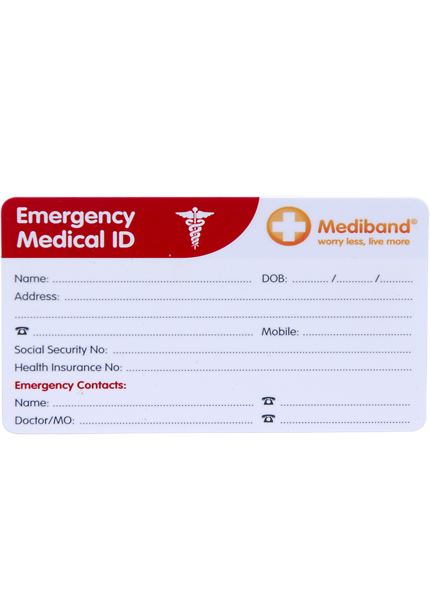
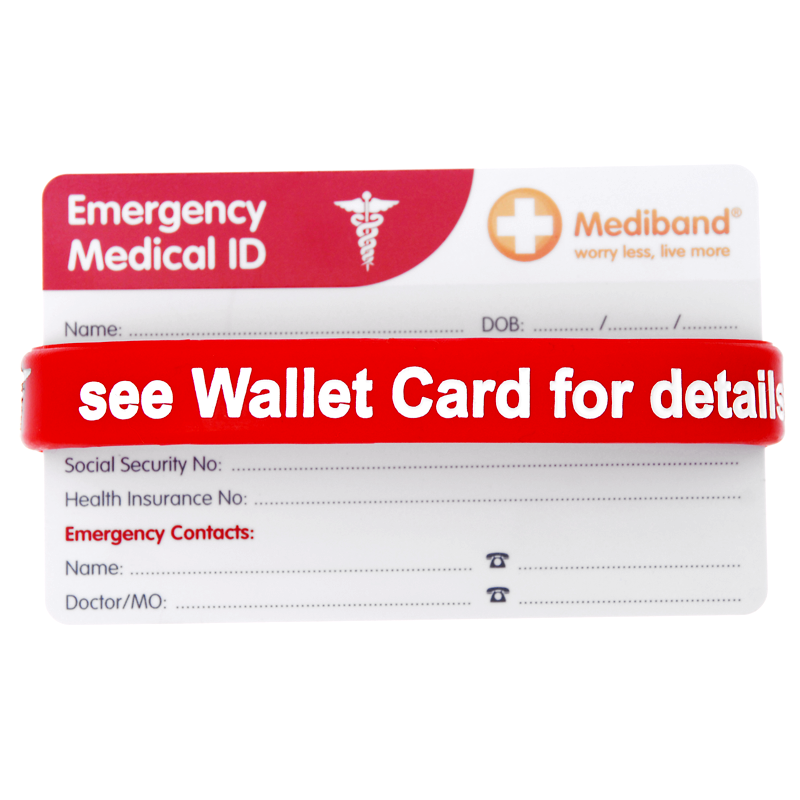
A medical information wallet card is a compact, laminated card that fits in a wallet or purse and contains your most critical health details. Most people carry their wallet everywhere — making it one of the most reliable forms of personal health record for emergency use.
Your wallet card should include your name, primary condition(s), current medications and doses, known allergies with reaction type, emergency contact details, and your primary doctor's name and phone number. This one-page summary ensures that the information a paramedic needs is immediately available, even if you cannot speak.
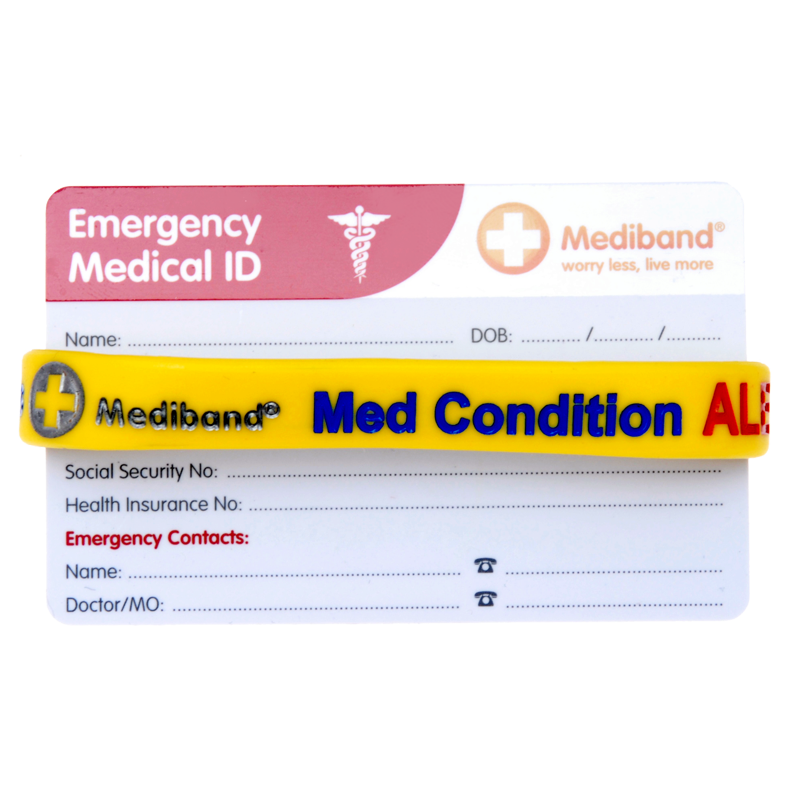
Wallet cards work particularly well as a companion to a medical alert bracelet. The bracelet flags the existence of a condition; the card provides the full detail. Together, they create a highly effective emergency health communication system.
Method 3: Wear a Medical Alert Bracelet for Visible, Instant Communication
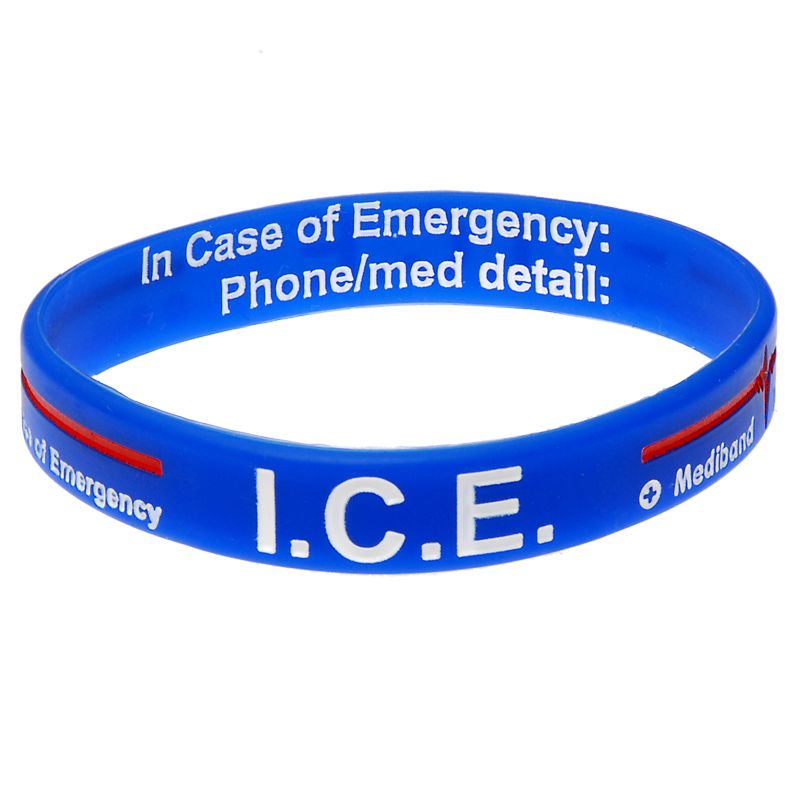
In a medical emergency, a wallet may not be immediately checked. A bracelet, worn on the wrist, is one of the first places trained responders look. Medical alert bracelets communicate the most critical information at a glance — often before any verbal communication is possible.
There are two main types of medical alert bracelet that align well with personal health record management:
Write-On Bracelets for People with Multiple or Changing Conditions
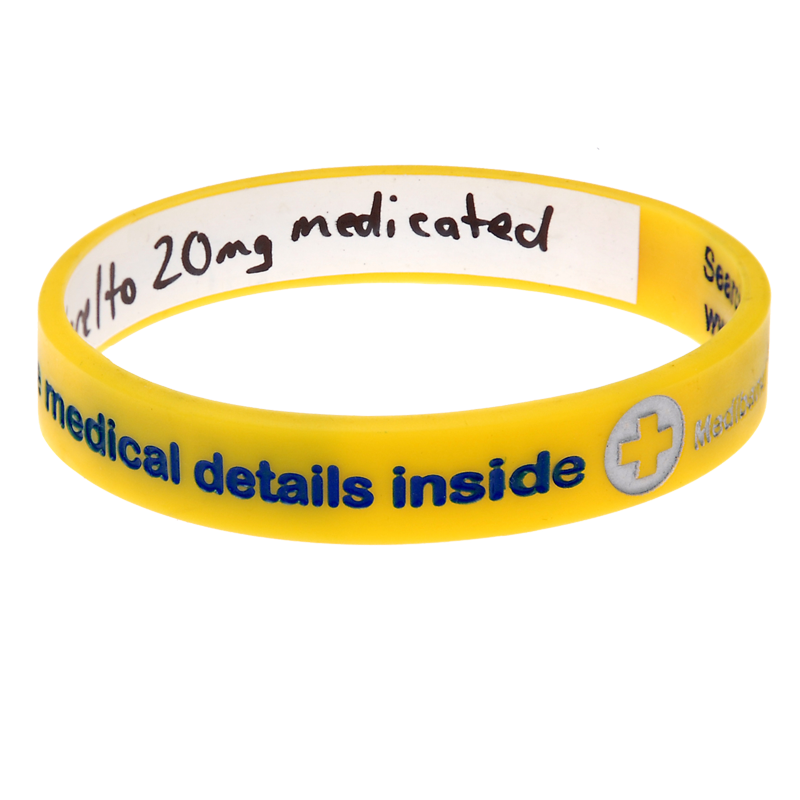
If your conditions, medications, or allergies change regularly, a write-on medical bracelet allows you to update your information without purchasing a new bracelet. These are ideal for people managing multiple conditions or undergoing changes in medication.
Pre-Engraved Bracelets for Single Well-Defined Conditions
If you have one primary condition — such as a specific allergy or diabetes — a pre-engraved bracelet provides clear, professional, permanent identification. The stainless steel classic engraved bracelet is a popular choice for those who want a durable, everyday-wear option with a professional appearance.
Sharing Your Health Records with Trusted Contacts
One underused but highly effective element of personal health record management is sharing a health summary with a trusted person. This might be a family member, close friend, or colleague who is likely to be nearby in an emergency. This person can advocate on your behalf, provide information to responders, and make decisions if you are incapacitated.
A designated health contact should ideally have:
- A copy of your key medical information summary
- Knowledge of your primary condition and how to respond
- Access to your emergency medications if relevant (e.g. location of EpiPen or glucose tablets)
- Contact information for your treating doctor
An ICE (In Case of Emergency) bracelet is a simple way to flag the existence of an emergency contact to first responders who follow the internationally recognised ICE protocol.
Reviewing and Updating Your Health Records Regularly
Health information changes. New diagnoses are made, medications are added or removed, specialists change, and personal circumstances evolve. Outdated health records can be as dangerous as no records at all — particularly if they list medications you are no longer taking or omit new conditions.
A practical habit is to review your personal health record at least once a year, or after any significant health event such as a new diagnosis, hospital admission, or medication change. Many people find it useful to schedule this review around an existing annual appointment, such as a check-up with their GP.
Similarly, medical alert bracelets should be reviewed whenever your health status changes. Write-on bracelets make this easy — simply update the information with a waterproof pen. Pre-engraved bracelets may need to be replaced when the underlying information changes.
Digital Tools for Health Record Management
A growing number of digital tools and apps support personal health record management. Many hospitals and health systems now offer patient portals that allow you to view your own records, request referrals, and download test results. Dedicated personal health record apps can aggregate information from multiple providers into a single view.
When using digital tools, consider:
- Security: Use strong, unique passwords and enable two-factor authentication on any platform that holds health data.
- Accessibility: A digital record on a locked phone may not be accessible in an emergency. Pair digital records with a physical wallet card or bracelet.
- Backup: Store copies of key documents in more than one location.
Technology is a powerful supplement to physical health records, but it should not replace them entirely — particularly for emergency communication.
Health Record Tools You Can Wear and Carry
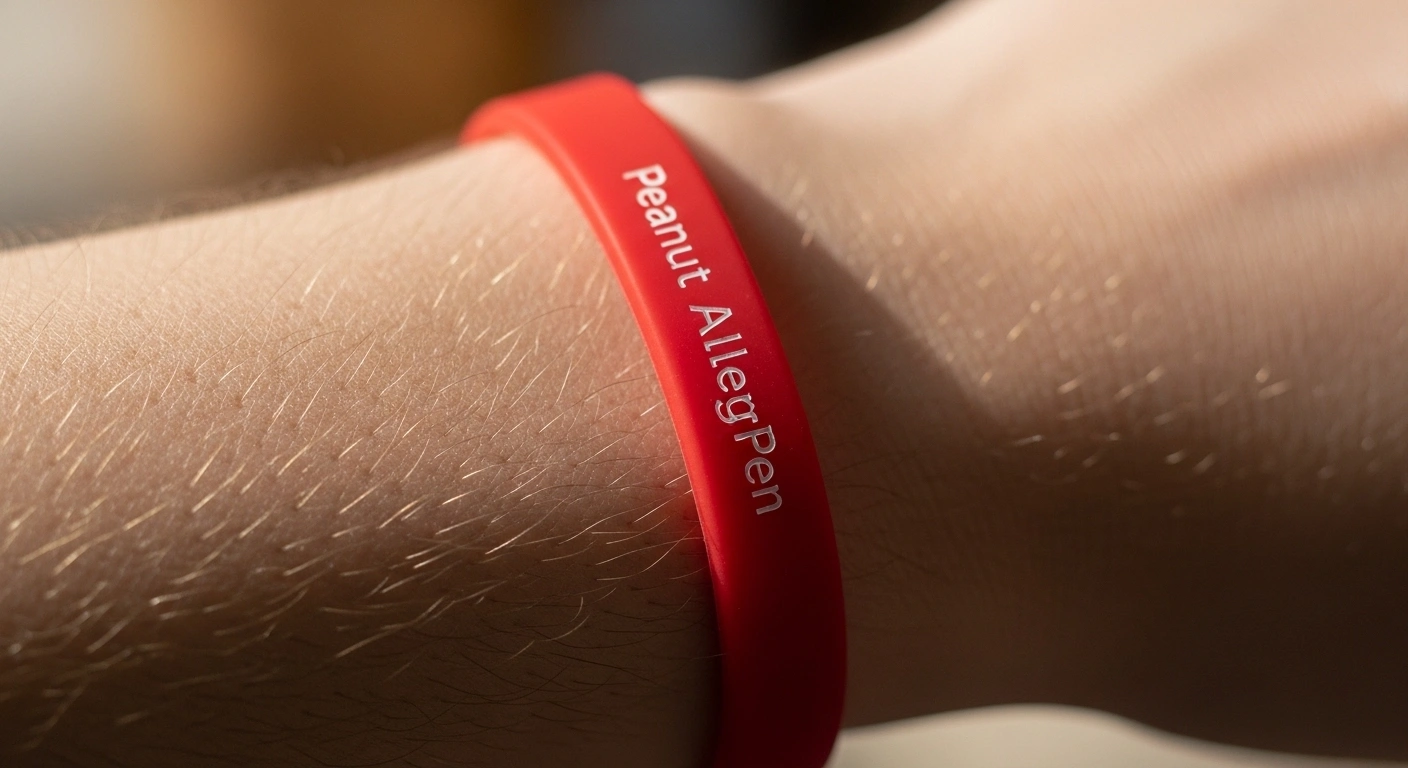
Wearable IDs and wallet cards complement your health records to ensure help is always informed.

Building Your Personal Emergency Health Plan
Good health record management goes beyond filing documents. The ultimate goal is to have a plan that works at the moment it is needed — whether that is at a scheduled appointment or in a roadside emergency.
Consider creating a one-page health summary that you keep in your wallet alongside a medical card and update each time your records change. Combine this with a medical alert bracelet that flags your primary condition, and share a copy with at least one trusted person.
This three-layer approach — records, wearable ID, and trusted contact — covers most emergency scenarios and ensures that the people caring for you always have the information they need to help.
Frequently Asked Questions
What is a personal health record and why should I keep one?
A personal health record is a comprehensive summary of your medical history, current medications, allergies, vaccination records, and provider contacts that you maintain yourself. Unlike records held by your doctor, your own personal health record goes with you, is accessible anywhere, and can be shared immediately in an emergency — making it an essential tool for anyone with ongoing health needs.
How do I keep my health records accessible in an emergency?
The most effective approach combines a medical alert bracelet (which is immediately visible to first responders), a medical wallet card (which provides detailed information), and a trusted contact who has a copy of your health summary. Digital records on a smartphone can supplement these but should not replace physical identification.
What is the difference between a medical bracelet and a wallet card?
A medical alert bracelet is worn on the wrist and is immediately visible to responders even if you are unconscious or cannot speak. A medical wallet card is kept in your wallet and provides more detailed information than a bracelet can display. The two work best together — the bracelet draws attention to your condition and the wallet card provides full detail.
How often should I update my personal health records?
Review your health records at least once a year, or after any significant change — a new diagnosis, a hospital stay, a change in medications, or a new specialist. Update your medical alert bracelet and wallet card at the same time to ensure consistency across all your health communication tools.

Share on Facebook

Share on X

Share on Pinterest
Comment(s)
Recent Posts
The Risk Of Not Wearing An Allergy Medical Alert Bracelet
March 23, 2026