
Epilepsy Safety Tips: How to Live Safely with Epilepsy in Australia
March 16, 2022

Epilepsy affects approximately 250,000 Australians — around 1 in 100 people — according to Epilepsy Action Australia. While two in three people with epilepsy achieve good seizure control with medication, one in three continues to experience seizures despite treatment.
For those living with uncontrolled or partially controlled seizures, safety planning is not optional — it is essential. From reducing risks at home to wearing an epilepsy medical alert bracelet, the right precautions can dramatically reduce the risk of injury and give you the confidence to live your life fully.
Why Is Safety Planning Important for People with Epilepsy?
Seizures are unpredictable. They can happen at any time — while cooking, bathing, exercising, commuting or sleeping. During a seizure, you may lose consciousness, fall, or be unable to control your movements. This creates risk of burns, drowning, falls and head injuries.
According to Better Health Victoria, good seizure management — including medication compliance, safety planning and wearing a medical alert ID — is the most important step in reducing these risks.
Epilepsy Safety Tips for the Home
Kitchen Safety
- Use a microwave instead of a stovetop when possible
- Place saucepans on back burners with handles turned inward
- Use a timer to remind you when cooking is complete
- Avoid deep frying — use an oven or air fryer instead
- Keep a fire blanket accessible
Bathroom Safety
- Take showers instead of baths to reduce drowning risk
- Use an "Engaged/Vacant" sign instead of a lock on the door
- Install temperature-regulated taps to prevent scalding
- Use non-slip mats on the floor and in the shower
- Leave the bathroom door slightly ajar when bathing alone
General Home Safety
- Secure loose wires and cables to prevent tripping
- Use guards on fires and heaters
- Cover sharp furniture corners with protective padding
- Choose a low bed to reduce fall distance
- If you have a pool, hot tub or pond, fence it off and only use it with someone present
- Consider carpet or cork flooring instead of hard tiles
Shop Epilepsy Medical Alert Bracelets
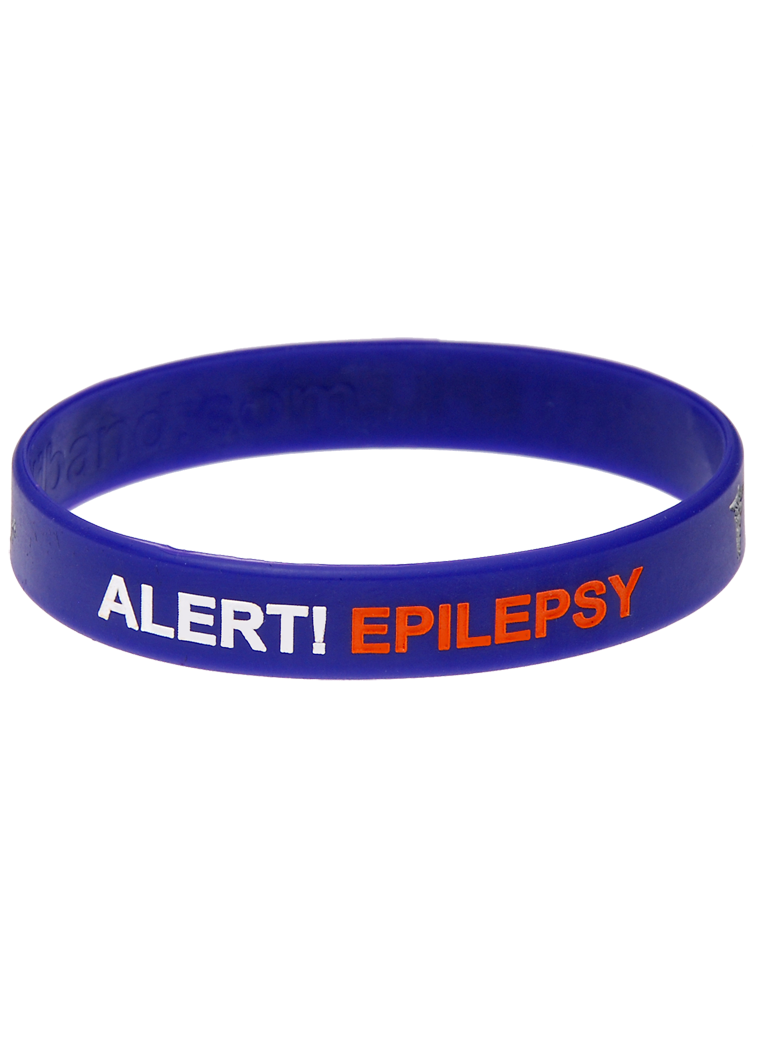
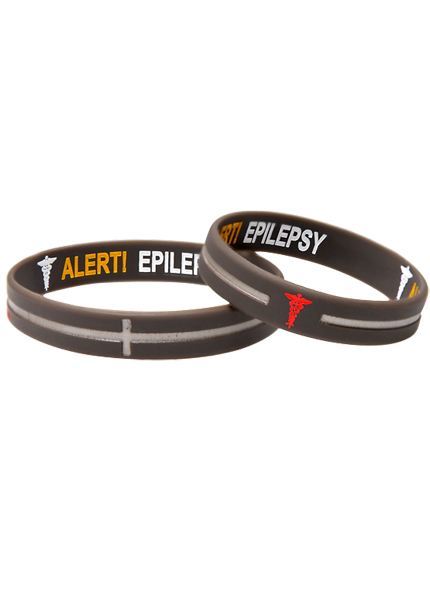
Let emergency responders know about your epilepsy — a bracelet speaks when you cannot.


Epilepsy Safety Tips Outside the Home
Wear a Medical Alert Bracelet
An epilepsy medical alert bracelet is the single most important safety tool you can carry. If you have a seizure in public, bystanders and paramedics can immediately see that you have epilepsy — and act accordingly. Your bracelet can include your condition, medications, emergency contacts and any seizure first aid instructions.
Silicone bracelets are the best choice for people with epilepsy — they are soft, flexible and will not cause injury if you fall while wearing one.
At Work
Inform your employer and close colleagues about your epilepsy and what to do if you have a seizure. You do not need to tell everyone — just the people who need to know. Provide them with your seizure first aid plan and emergency contact details.
When Travelling
Always carry enough medication for your trip plus extra in case of delays. Keep a copy of your prescription. Use a tracking app on your phone so family members know your location. And always wear your epilepsy medical alert bracelet.
Seizure First Aid: What Bystanders Should Know
If you witness someone having a tonic-clonic (convulsive) seizure:
- Stay calm — most seizures end on their own within 1 to 3 minutes
- Protect them from injury — move hard objects away and cushion their head
- Do NOT restrain them or put anything in their mouth
- Time the seizure — call 000 if it lasts longer than 5 minutes
- Once the seizure ends, gently roll them onto their side (recovery position) and stay with them until they are fully alert
- Check for a medical alert bracelet — it will tell you about their condition and who to contact
Frequently Asked Questions
Why should I wear an epilepsy medical alert bracelet?
During a seizure, you cannot communicate your condition or medication needs. A medical alert bracelet tells paramedics and bystanders you have epilepsy, what medication you take, and who to contact — ensuring you receive appropriate care immediately.
How common is epilepsy in Australia?
Epilepsy affects approximately 250,000 Australians — about 1 in 100 people. It can develop at any age, though it is most commonly diagnosed in children and adults over 65. Around one-third of people with epilepsy continue to have seizures despite medication.
What should I do if someone has a seizure?
Stay calm, protect them from injury, do not restrain them or put anything in their mouth, and time the seizure. Call 000 if it lasts more than 5 minutes. Once it ends, place them in the recovery position and check for a medical alert bracelet.
Can I drive with epilepsy in Australia?
Driving regulations vary by state, but generally you must be seizure-free for a specified period (usually 12 months for a private licence) and have medical clearance. Check the Austroads guidelines and discuss your situation with your neurologist.

Share on Facebook

Share on X

Share on Pinterest
Comment(s)
Recent Posts


Kids Cooling Patch: A Safe, Gentle Way to Manage Fever
February 27, 2026

Are Stick on Thermometers Accurate? Pros, Cons, and Mor
February 23, 2026

Alcohol Gel Sanitiser: Top 5 Benefits for Your Health
February 19, 2026