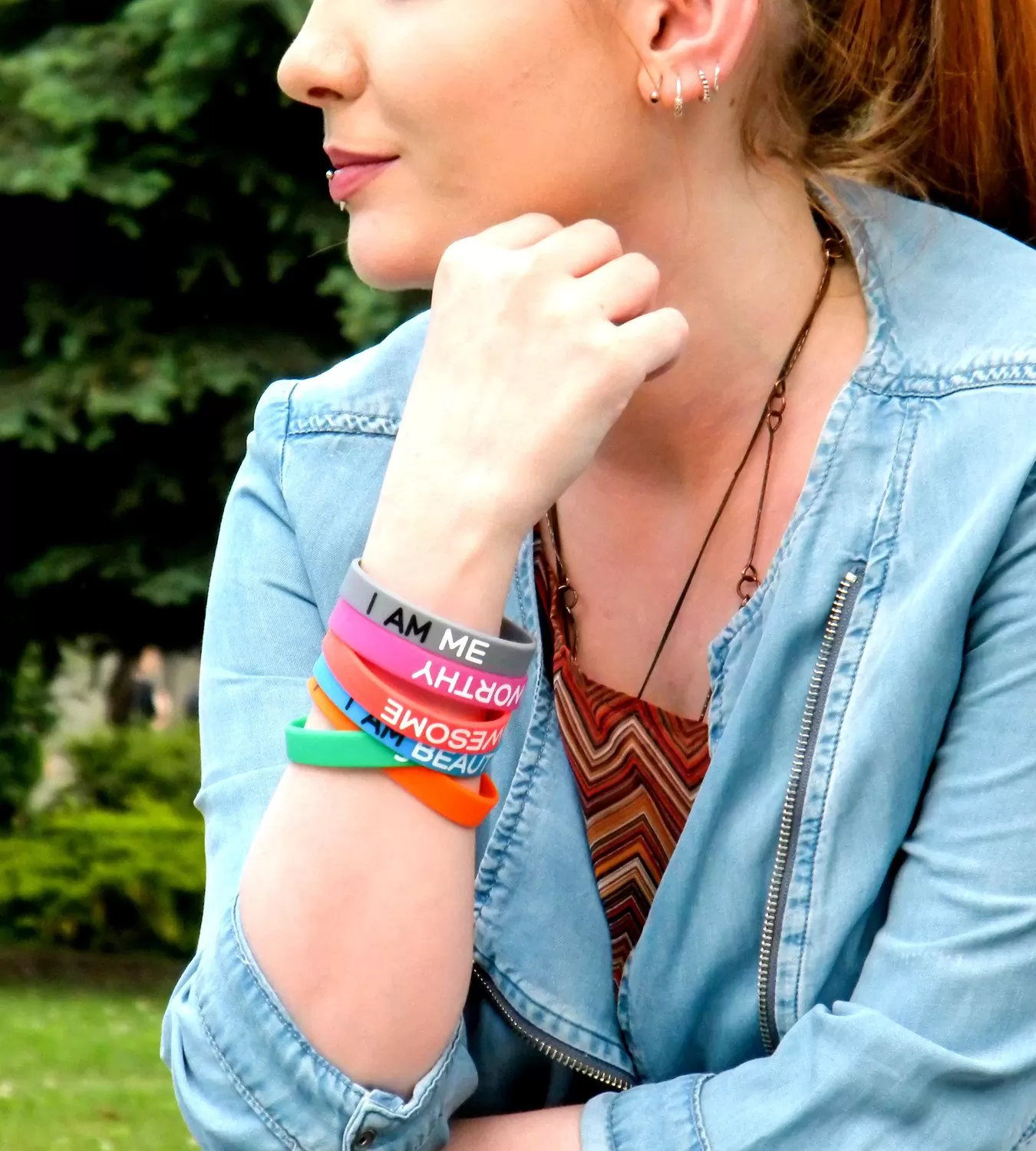

An allergic reaction can escalate from a mild flush to anaphylaxis in minutes — and when your child is at school, at a friend's house, or out with grandparents, the adults around them may not know the signs. A clearly visible medical ID bracelet bridges that information gap, telling every teacher, parent, paramedic or stranger exactly what your child is allergic to and what to do next. This guide explains the practical benefits of medical IDs for kids with allergies — and how to choose one your child will actually wear.
Did you know that 10% of infants, up to 8% of children in Australia and New Zealand have food allergies? The most common allergens are eggs, peanuts and tree nuts, sesame, soy, wheat, shellfish, and cow's milk. While some allergies are mild, others can cause life-threatening allergic reactions.
If your child has an allergy, particularly a severe one, you might want to consider a medical ID. By that, teachers, first-responders, or other adults administering first aid know what they are allergic to. To learn more about children's' allergies and medical ID bracelets and necklaces, read on.
Types of Child Allergies
The most common type of allergies are environmental:
- trees
- pollen
- plants
- insect bites or stings
- pet or animal dander
- dust mites
- mold
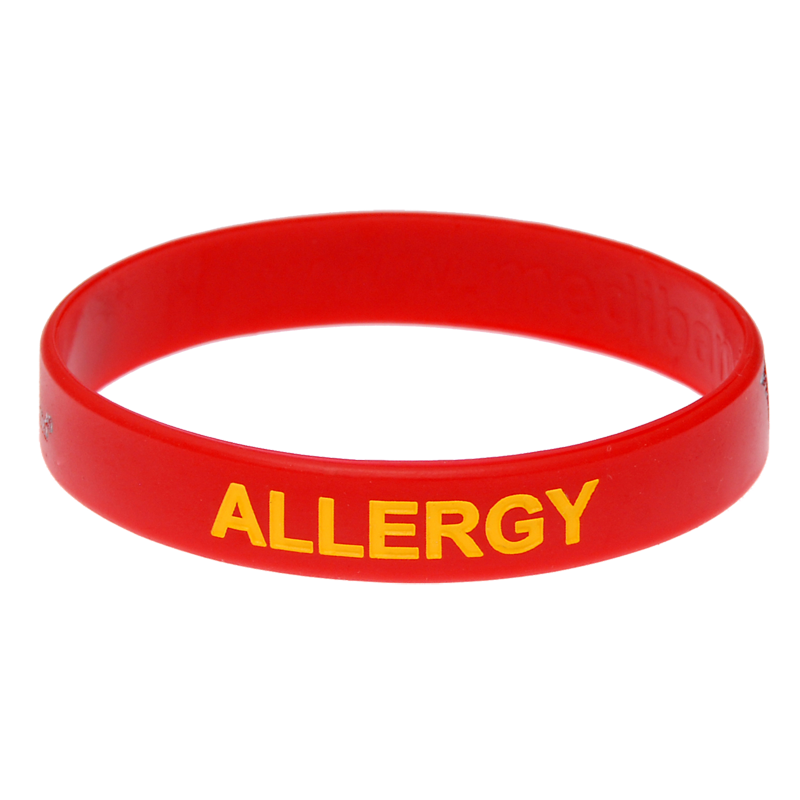
Children can also be allergic to foods. Food allergies often cause the most serious reactions, called anaphylaxis. Kids often outgrow food allergies to cow's milk, soy, eggs, and wheat. Allergies to fish and shellfish, peanut, and tree nuts are all potential lifetime allergies, though.
Food allergies in children often come to light when the mother is breastfeeding. Then baby has a reaction to something that they ate and is passed in their breastmilk. Babies can be tested for allergies and intolerances, and often if the mother removes any foods that cause reactions from her diet, the allergies will subside.
Effects of Child allergies
Environmental allergies or pet allergies often cause minor effects, often referred to as "hay fever." The medical term for hay fever is allergic rhinitis and the symptoms are probably what you think of when you hear the term allergies: runny nose, itchy eyes and nose, sneezing, and nasal congestion. Children with allergies can often develop chronic ear infections as well.
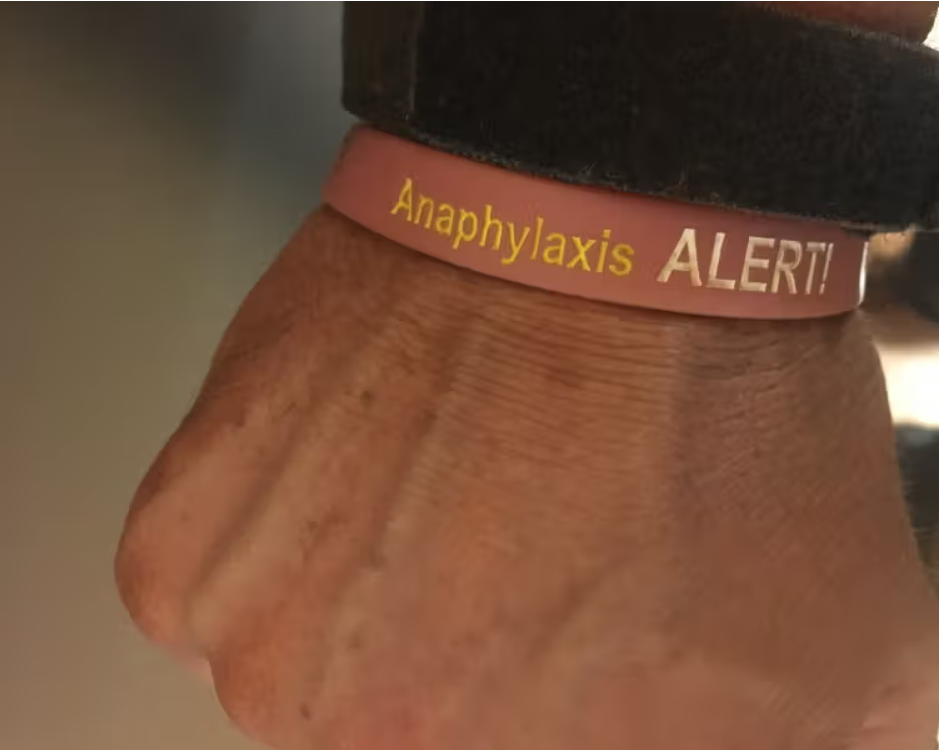
Allergic rhinitis isn't life-threatening and can typically be treated with over-the-counter children's allergy medication. More serious allergies, which are typically food allergies, are what parents need to worry about. Severe allergies to food can cause anaphylactic shock, which causes impaired breathing, a sudden drop in blood pressure, and can also send the body into shock.
Children with severe food allergies are typically prescribed epinephrine, administered via an epi-pen as soon as the food is ingested or symptoms develop. Some children have such severe allergies that if they don't receive the epinephrine shot and medical attention immediately, they could die.
Recommended for you
Products related to this article
Hand-picked to go with what you just read.
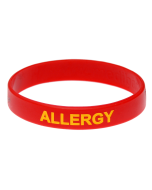
Medical ID Bracelets and Necklaces
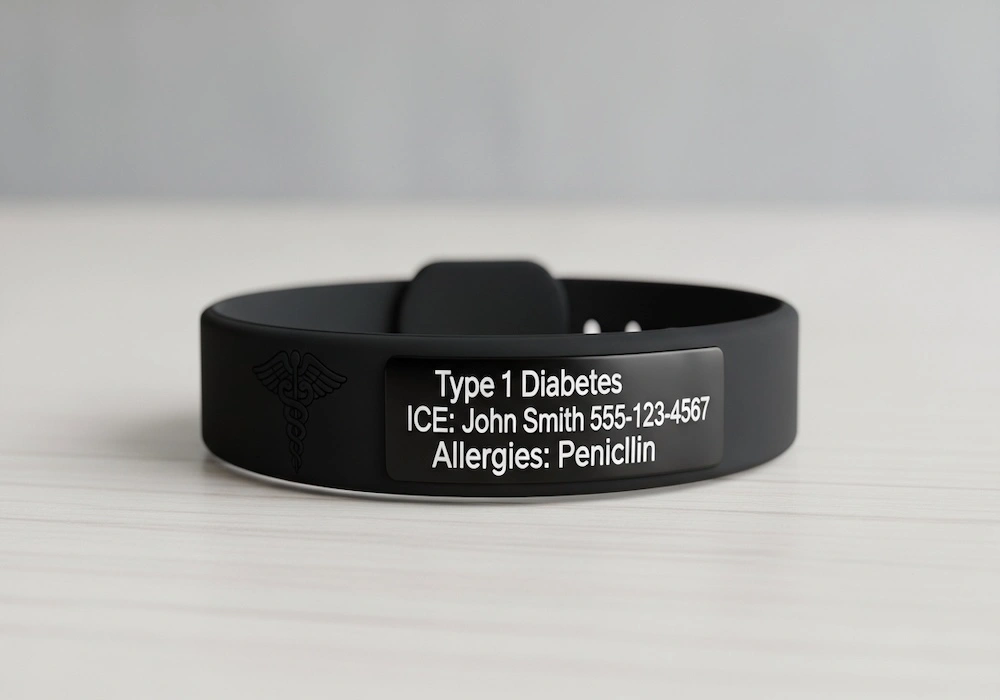
Medical alert IDs include information about your particular allergies and include information about your diagnosis and treatment (such as an allergy to a particular drug, for example). They also are typically engraved with contact information for your emergency contact and can contain medical provider information as well.
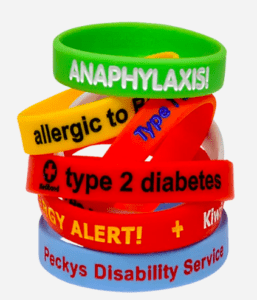
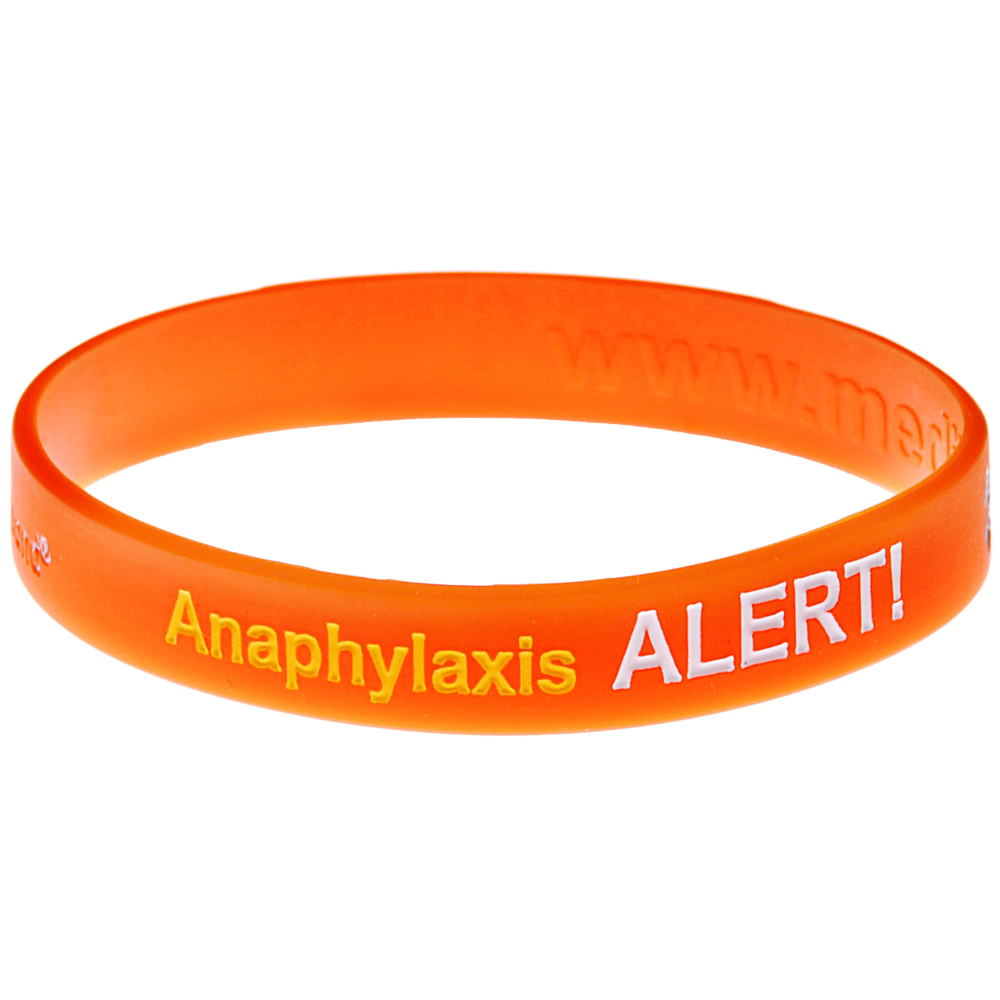
Mediband has options ranging from bracelets to necklaces to keyrings and wallet cards. Each type of medical condition has a specific color assigned to it, so it's easy for medics to find your bracelet and know what condition or allergy you have.
Medical IDs can be the difference between life or death if you unknowingly ingest something that you are allergic to and go into anaphylactic shock. If you aren't with anyone familiar with your allergies, the medical ID will tell those performing first-aid what they need to know so they can treat you for an allergic reaction.
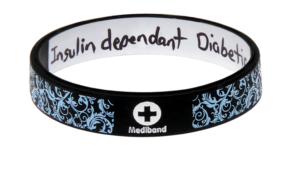
Grab your Silicone Write-on band
These are especially important for children at school, out with friends, or playing sports. Even if the adults supervising know about your child's allergies, providing this information for first responders is also important.
Keep Your Child Safe
Keep your child safe with a medical ID. If your child has severe allergies, a medical ID can give you peace of mind that if they ever have an allergic reaction, their medical information is easily accessible by those giving treatment.
Shop our full collection of medical ID bracelets, necklaces, and accessories for everything that you need to protect your child and give yourself peace of mind.
Check out our socials:
Why Allergy Kids Need a Medical ID From the Start
Roughly 1 in 10 Australian children develops a food allergy before their first birthday, and around 20% of allergic children experience anaphylaxis at some point. Three reasons a Mediband matters in those moments:
- Communication when your child can't. A toddler in anaphylaxis is too distressed to explain what triggered it.
- Continuity of care across carers. School, daycare, grandparents, sports coaches and party hosts all rotate. The bracelet stays.
- Faster, safer paramedic response. Knowing the trigger and any co-occurring conditions changes the medication and protocol used.
Frequently Asked Questions
At what age can a child start wearing a medical ID bracelet?
Any age. Mediband silicone bands are soft, hypoallergenic and sized for infants and toddlers. Most parents fit one as soon as a diagnosis is confirmed — typically between 6 and 18 months — so teachers, carers and paramedics can always see the allergy.
What should be engraved on a child's allergy bracelet?
List the allergen clearly (e.g. "Peanut Allergy — Anaphylaxis"), the child's first name, the parent's emergency contact number, and "EpiPen" if they carry one. Keep it under 5 seconds of reading time.
Do schools and childcare centres accept medical alert bracelets?
Yes — they're actively encouraged. Under Australia's National Allergy Strategy, all early learning services and schools must have an anaphylaxis management plan. A visible medical ID makes teachers' jobs easier and helps substitute staff respond correctly.
Will a medical ID work alongside my child's EpiPen action plan?
Absolutely. The bracelet doesn't replace the ASCIA Action Plan or the EpiPen — it accelerates the response. Anyone seeing the band knows to look for the EpiPen and call 000 immediately.
How do I get a hesitant child to wear a medical ID bracelet?
Let them choose the colour and design — write-on silicone, designer reversible, or kids' bright themes (bubbles, robots, butterflies). Wearing one becomes a personal choice rather than a rule, and most kids end up proud of their "special bracelet".

Written by
Founder, Mediband
Founder of Mediband; over 20 years providing medical IDs worldwide.
← Previous
How Medical ID's can help you in a Medical Emergency
Next →
Outdoor Activities with a Medical Condition: How to Stay Safe and Enjoy Every Adventure
Comment(s)