

Has your child recently been diagnosed with a chronic illness? You're far from alone. Around 10 to 20 million children and adolescents in the US are living with some form of chronic illness or disability, and roughly one in five Australian children lives with at least one chronic condition.
Chronic illness changes how your family functions — school days, holidays, sleepovers, sport, food. The first year is usually the hardest. The good news is most kids with chronic illness grow up to live full, active lives, especially when their family, school, and care team are aligned around a clear plan.
This guide gives you the practical steps that paediatricians, child psychologists, and parents who've been through it actually recommend — not just what sounds nice on paper.
1. Understand the Diagnosis Together
The first thing your child needs is for you to be calm and informed. Read the official patient information from your hospital. Ask the specialist team to write down the diagnosis, the medications, the warning signs, and the emergency plan. Keep that information somewhere everyone can find it — on the fridge, in your phone, in your child's school file.
Australian families can use trusted resources like The Royal Children's Hospital Kids Health Info and Raising Children Network for plain-English explanations you can read alongside your child.
2. Be Honest, Age-Appropriate, and Reassuring
Children pick up on tension. Hiding the diagnosis or pretending nothing is wrong usually backfires — they imagine something worse. Use language that fits their age:
- Toddlers and preschoolers: "Your body needs special help. The medicine helps you feel better."
- Primary school: Name the condition. Explain what it does in simple terms. Reassure them it's no one's fault.
- Tweens and teens: Be honest about long-term management. Involve them in decisions. Let them ask hard questions.
Reassure them that the condition does not define who they are or what they're capable of. Many of the world's best athletes, artists, and scientists live with chronic illness.
Recommended for you
Products related to this article
Hand-picked to go with what you just read.
3. Build a Support System That Actually Shows Up
You will need help — emotional, practical, and sometimes financial. Build the network before you're in crisis:
- Medical: A GP who knows your child, a specialist team, and a 24/7 emergency contact.
- School: A written health management plan signed off by the teacher, school nurse, and front office. Most Australian schools require one for chronic conditions.
- Family and friends: Two or three trusted adults who know the emergency plan and can collect your child if needed.
- Peer support: Local or online groups of parents managing the same diagnosis. They've solved problems you haven't even hit yet.
4. Keep Routines — They Help Kids Feel Safe
Chronic illness can feel chaotic. Routines anchor your child. Keep mealtimes, bedtime, school drop-off, and weekend rituals as predictable as you can. If hospital appointments disrupt the week, build a simple ritual around them — a special breakfast, a favourite playlist in the car, a small treat afterwards.
Sleep is non-negotiable for kids with chronic conditions. Poor sleep makes symptoms worse, immune function weaker, and emotional regulation harder. Protect bedtime even when life is busy.
5. Address Mental Health Early
Children with chronic illness are two to three times more likely to experience anxiety or depression than their peers. Don't wait for a crisis to act. Watch for warning signs:
- Withdrawal from friends, school, or activities they used to love
- Persistent sadness, irritability, or anger
- Sleep changes that aren't explained by the condition
- "I don't want to be here" or "What's the point?" type comments
Ask your GP for a Mental Health Care Plan — it gives access to subsidised psychology sessions in Australia. Kids Helpline (1800 55 1800) is free and available 24/7 for children aged 5–25.
6. Make Sure Your Child Can Be Identified in an Emergency
If your child has a serious chronic condition — epilepsy, severe allergies, type 1 diabetes, asthma, a heart condition — first responders need that information in seconds, not minutes. A paediatric medical ID bracelet is the single cheapest, most effective tool you can give them.
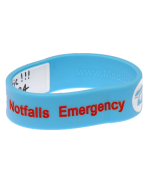
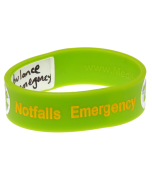
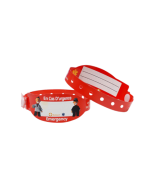
For young children, write-on travel bracelets let you note their condition and your phone number on a soft, kid-friendly band they're happy to wear. For older kids and teens, condition-specific bracelets in colours and styles they choose are far more likely to actually be worn.
7. Help Them Stay a Kid
It's easy for the diagnosis to take over family life. Resist that. Make space for play, hobbies, sport (modified if needed), school events, sleepovers, and just being silly. Kids with chronic illness are still kids. They want to be invited, included, and treated normally.
Talk with their teacher about how to handle absences without your child feeling singled out. Coach friends' parents on what to do in an emergency so playdates can still happen.
8. Look After Yourself Too
Parents of chronically ill children are at high risk of burnout. You can't pour from an empty cup. Sleep when you can. Accept help when it's offered. Carve out a small amount of time each week that is yours alone — a walk, a coffee, a shower without anyone needing you. Talk to your own GP about a Mental Health Care Plan if you need one.
Children watch how their parents cope. Showing them that asking for help is normal teaches them to do the same as adults.
You Don't Have to Do This Alone
A chronic illness diagnosis is the start of a long marathon, not a sprint. Take it one appointment, one school day, one bedtime at a time. Build your support team. Keep your child identifiable. Look after your own wellbeing. The first 12 months will be the steepest part of the curve — it does get easier.
For more guidance, browse our parent resource library or contact our team for help choosing the right ID for your child.
Frequently Asked Questions
How do I tell my child they have a chronic illness?
Use age-appropriate language, be honest, name the condition, and reassure them it's not their fault. Avoid trying to cover everything in one conversation — revisit it as they grow and have more questions.
Should my child wear a medical ID bracelet to school?
Yes. Schools, teachers, and emergency responders can identify the condition in seconds, even if your child is too unwell to speak. A clearly engraved or written ID is one of the simplest, most effective safety tools you can give them.
What should I include on my child's medical ID?
Their first name, your phone number, the condition (e.g. "Type 1 Diabetes" or "Anaphylaxis — Peanuts"), and any critical medication or allergies. Keep it short enough to read at a glance.
Will my child be able to do sport, school camps, and sleepovers?
Almost always — with planning. Talk to the supervising adults in advance, share the written health plan, pack the medication, and make sure your child wears their medical ID. Kids with well-managed chronic conditions thrive when included normally.
Where can I get support as a parent in Australia?
Start with your GP for a Mental Health Care Plan, the Royal Children's Hospital Kids Health Info site, Raising Children Network, and condition-specific charities like Diabetes Australia, Asthma Australia, and Epilepsy Action Australia. Peer support groups (online and local) are often the most practical help.

Written by
Founder, Mediband
Founder of Mediband; over 20 years providing medical IDs worldwide.
← Previous
Everything Your Child Should Know About Stranger Danger
Next →
5 Reasons Why Businesses Should Switch to Biodegradable Packaging (2026 Guide)
Comment(s)