Medical Alert Bracelets — The Complete Australian Guide for 2026
A medical alert bracelet is one of the simplest and highest-impact safety tools available to anyone with a chronic condition, severe allergy, or critical medication. The bracelet sits on the wrist 24/7, carries the wearer's most important medical information, and speaks for them when they cannot — at the moment of an emergency, when seconds matter and the wrong response can be fatal. This guide walks through every aspect: who needs one, what to engrave, how to choose, and how to make sure the bracelet actually does its job.
According to HealthDirect Australia, accurate identification at the moment of emergency response is one of the most important factors in survival from medical events. Yet research from Australian Red Cross finds that fewer than half of Australians with chronic conditions wear any visible medical identification. Closing that gap is what this guide is about.
Who Should Wear a Medical Alert Bracelet?
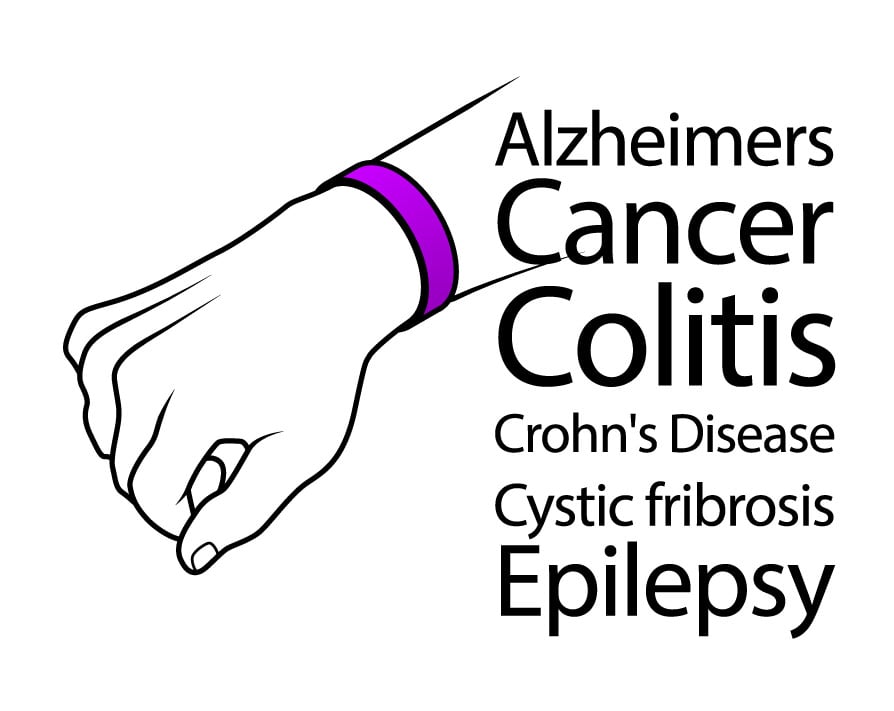
Anyone whose treatment in an emergency could be affected by their medical history. Specifically:
Adults With Chronic Conditions
Diabetes, epilepsy, asthma, heart disease, kidney disease, autoimmune conditions, hypertension. Anyone whose emergency care depends on the responder knowing the underlying condition.
People on Critical Medications
Anticoagulants (Warfarin, Apixaban), immunosuppressants, beta-blockers, insulin, biologics, antipsychotics. All interact dangerously with common emergency medications. The bracelet warns responders.
Severe Allergy Sufferers
Anaphylaxis-risk patients — peanut, shellfish, latex, contrast dye, penicillin, bee sting. Need responders to know what NOT to give as much as what to give.
Older Adults
Falls, sudden cardiac events, medication interactions, dementia onset. The bracelet bridges the gap between collapse and family arrival at hospital.
Children
Kids at school, weekend sport, holiday camps, friends' homes. The bracelet speaks for the child when a parent isn't around.
Athletes and Travellers
Solo runners, hikers, cyclists, divers, international travellers. Far from family and home medical records — the bracelet is the constant ID.
Recommended for you
Products related to this article
Hand-picked to go with what you just read.
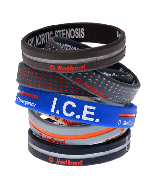
The Five Types of Medical Alert Bracelets
1. Engraved Stainless Steel
Polished, durable, dressy. Engraving stays sharp for years. Ideal for adults with stable chronic conditions and daily wear that includes sport, work, and formal occasions. Lifespan: 10+ years.
2. Silicone Write-On
Soft, waterproof, easy to update. Best for kids, athletes, and people whose medications or contact info change. Cost-friendly enough to replace seasonally as conditions evolve. Lifespan: 12-24 months per band.
3. Designer Reversible
Stylish on one side, alert on the other. The wearer flips the band based on context — alert side out at the doctor or hospital, designer side out for daily life. Popular with teens, professionals, and self-conscious wearers.
4. Premium Materials (Rose Gold, Sterling Silver, Leather)
For occasions when the band needs to look like jewellery first and a medical ID second. Ideal for adults attending events, formal dinners, or professional contexts.
5. QR-Coded and NFC Bands
Carry far more information than engraving alone — full medical history, current medications, scanned documents, advance care directives. Useful for international travel, complex conditions, and ultra-distance athletes.
What Should You Engrave on Your Medical Alert Bracelet?
Less is more. First responders need to read the band in seconds, not minutes. The five priority fields, in order:
- Wearer's name — first name plus last name if there's space.
- Primary medical condition — "Type 1 Diabetic", "Anaphylaxis – Peanut", "Epilepsy".
- Critical medication or allergy — what NOT to give, or what's life-saving ("EpiPen", "No Aspirin", "Warfarin").
- Emergency contact phone number — answered 24/7 by family or carer.
- "See wallet card" — if you carry a fuller medical history elsewhere.
Skip information that doesn't help in an emergency: home address, full date of birth, sensitive history. Less crowding means faster reading.
Why Bracelets Beat Phones, Cards, and Tattoos
- Phones: locked, dead battery, in another room, smashed in the impact. Even unlocked phones don't reliably show medical info on the lock screen unless configured.
- ID cards: in the wallet, which is in the bag, which is in the car. Not on the body when an emergency happens away from belongings.
- Medical tattoos: only visible if the tattoo location is exposed. Often missed under clothing or bandages. Cannot be updated when meds change.
- Verbal info: requires the wearer to be conscious and able to speak — exactly the situation a bracelet is designed for.
A medical alert bracelet is on the wrist, neck, or ankle 24/7. It survives water, sweat, sleep, exercise, falls, and accidents. It's the most reliable identification system any patient has — which is why paramedics are trained to look for it first.
How a Medical Alert Bracelet Works in a Real Emergency
The mechanism is simple but powerful:
- A responder, bystander, or family member notices the bracelet — typically within the first 30 seconds.
- They read the engraved alert — primary condition, critical medication, emergency contact.
- They use that information to make immediate decisions: avoid wrong medications, deliver correct treatment, contact family.
- The wearer gets the right care faster, with less risk of dangerous mistakes.
The Star of Life and snake-and-staff symbols on the bracelet flag it as medical alert to anyone trained in emergency response. Paramedics worldwide are trained to check for these symbols in the first 30 seconds of arriving at any emergency.
Choosing and Caring for Your Bracelet
The best Mediband is the one you'll actually wear every day. Match the bracelet to your lifestyle:
- Active life → silicone (waterproof, durable, replaceable)
- Office daily wear → stainless steel (dressy, lasts 10+ years)
- Self-conscious wearers → designer reversible (fashion side daily, alert side when needed)
- Premium occasions → rose gold, sterling silver (jewellery-grade)
- Complex profile → QR-coded (links to full digital profile)
Care basics: wash weekly with mild soap and warm water; avoid harsh chemicals; check engraving annually; replace silicone every 12-24 months; review info every six months at GP visits.
Browse the full Mediband range to find the right alert bracelet for your daily life. For more on what to engrave and how the bracelet helps in emergencies, see our first responder guide and FAQ guide.
Frequently Asked Questions
Do I really need a medical alert bracelet?
If you have a chronic condition, severe allergy, or critical medication — yes. Paramedics worldwide are trained to check for medical IDs in the first 30 seconds of any emergency. The bracelet tells them what NOT to do (wrong medications, wrong treatments) and what to do faster. For diabetes, anaphylaxis, epilepsy, anticoagulant therapy, and many other conditions, the bracelet is one of the highest-impact safety tools available. Cost is small; benefit is potentially life-saving.
Will paramedics actually look at my bracelet?
Yes. Checking for medical IDs is part of standard paramedic training and protocols globally. The Star of Life and snake-and-staff symbols are recognised in every country with formal emergency medical training. Most paramedics check both wrists and the neck within the first 30 seconds of starting patient assessment.
What if I have multiple medical conditions?
Prioritise the alert that most changes emergency response — usually anticoagulants, severe allergies, or implants. Use a wallet card or QR-coded layer for the deeper detail. Some wearers use multiple bracelets for different settings (daily-wear stainless steel plus sport-specific silicone), but a single well-engraved band plus wallet card covers most cases.
Can I shower, swim, and exercise with a medical alert bracelet?
Yes — choose the right material. Silicone and stainless steel are both fully waterproof, sweat-proof, and pool-safe. Avoid leather or fabric for water-heavy activities. Always rinse with fresh water after sea swimming to prevent corrosion. Quality bracelets are designed for 24/7 wear without needing to remove them.
How often should I update my medical alert bracelet?
Review every six months at GP visits, and after any major change in medication, condition, or emergency contact. Write-on silicone is easiest to update; engraved bands can be re-engraved or replaced inexpensively. QR-coded versions update instantly. Out-of-date info is more dangerous than no bracelet, so don't let updates slip.

Written by
Founder, Mediband
Founder of Mediband; over 20 years providing medical IDs worldwide.
← Previous
Why Trust Mediband? Our Story, Awards, and Commitment to Medical Safety
Next →
Medical Bracelets for Women & Girls: Stylish AND Affordable (2026 Guide)
Comment(s)