
Outdoor Activities with a Medical Condition: How to Stay Safe and Enjoy Every Adventure
August 03, 2020

Why Outdoor Activity Matters When You Have a Medical Condition
There is a persistent — and damaging — misconception that having a chronic or serious medical condition means outdoor activities must be significantly curtailed or abandoned. For the vast majority of people managing conditions such as asthma, epilepsy, diabetes, heart conditions, allergies, or musculoskeletal problems, this is simply not true. With thoughtful planning, the right safety measures, and appropriate medical guidance, outdoor activity remains accessible — and is, in most cases, actively beneficial for physical and mental health.
The evidence for this is compelling. A comprehensive review published in the British Journal of Sports Medicine found that regular physical activity reduces all-cause mortality by up to 35 percent, with benefits observed even in people with multiple chronic conditions. For mental health, the combination of exercise and nature exposure has been shown to reduce symptoms of depression, anxiety, and chronic stress more effectively than indoor exercise alone.
The goal is not recklessness — it is informed participation. Understanding the specific considerations your condition creates, building an appropriate emergency plan, and wearing the right identification mean you can hike, cycle, swim, camp, run, or explore without leaving safety to chance.
The Most Important Step: Knowing Your Condition's Specific Outdoor Risks
Different medical conditions create different considerations for outdoor activity, and understanding yours specifically is the starting point for safe participation. For people with asthma, cold air, high pollen, and sudden increases in exertion are the most common triggers — a pre-exercise bronchodilator and avoiding exercising outdoors when air quality is poor can manage most of these risks effectively. For people with epilepsy, certain activities carry a higher risk if a seizure occurs unexpectedly — solo open-water swimming, high-altitude scrambling, and cycling alone on roads require specific planning. For people with diabetes, the impact of sustained exercise on blood glucose — which can cause hypoglycaemia during or hours after activity — requires preparation including appropriate snacks, glucose monitoring, and informing companions.
Speak with your GP or specialist about your specific condition's outdoor activity considerations. In many cases, a brief conversation and written guidance will give you the green light with specific preparation steps — rather than a blanket restriction that is neither necessary nor beneficial.
Choosing the Right Activity for Your Condition and Fitness Level
Beginning with activities matched to your current fitness level and condition significantly reduces risk. Walking is the most universally accessible outdoor activity and provides substantial cardiovascular and mental health benefits. Swimming in supervised, calm water is low-impact and excellent for people with joint conditions or who require cool conditions to manage their health. Cycling on safe paths combines cardiovascular benefit with reduced joint stress.
Progress gradually and listen to your body. Rest when needed without guilt, and build duration and intensity incrementally over weeks and months rather than attempting to match pre-diagnosis activity levels immediately. Most people find that their capacity improves considerably with consistent, gentle progression.
How to Plan for Safety on Any Outdoor Adventure
The difference between a successful outdoor adventure and a dangerous situation is rarely luck — it is preparation. For people with medical conditions, this preparation has additional layers that are worth investing time in before every outing.
Inform Someone of Your Plans
Before any solo or remote outdoor activity, always inform someone of where you are going, your expected route, and when you expect to return. Give them specific instructions for when to raise an alarm — "if I haven't contacted you by 6pm, call emergency services and give them my route." This simple step dramatically reduces the time it takes for help to reach you in an emergency.
Carry Appropriate Emergency Supplies
For people with medical conditions, the minimum emergency kit for outdoor activity includes: any prescribed emergency medication (adrenaline auto-injector for allergy, rescue inhaler for asthma, glucose for diabetes); a fully charged mobile phone; a basic first aid kit; and, for remote areas, a personal locator beacon or satellite communicator. These are not excessive precautions — they are standard safety practice for anyone who takes outdoor activity seriously.
Medical Alert Bracelets for Active Outdoor Living
Stay safe on every trail, swim, and ride — wear your medical ID with pride.
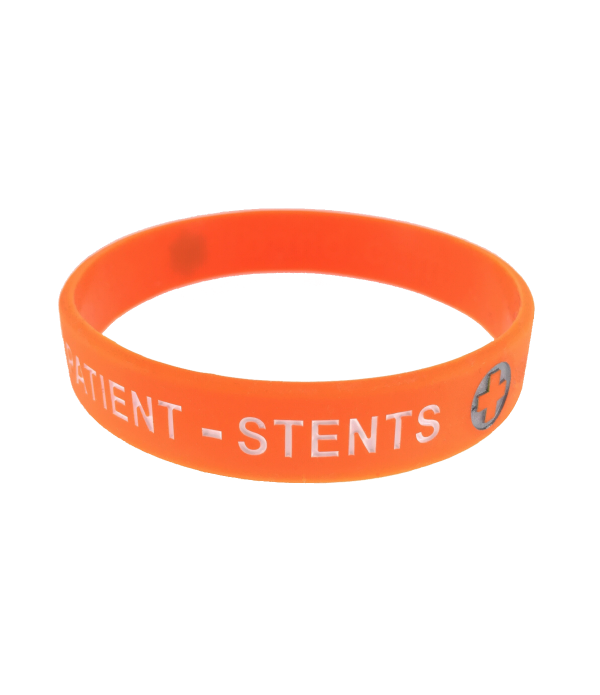
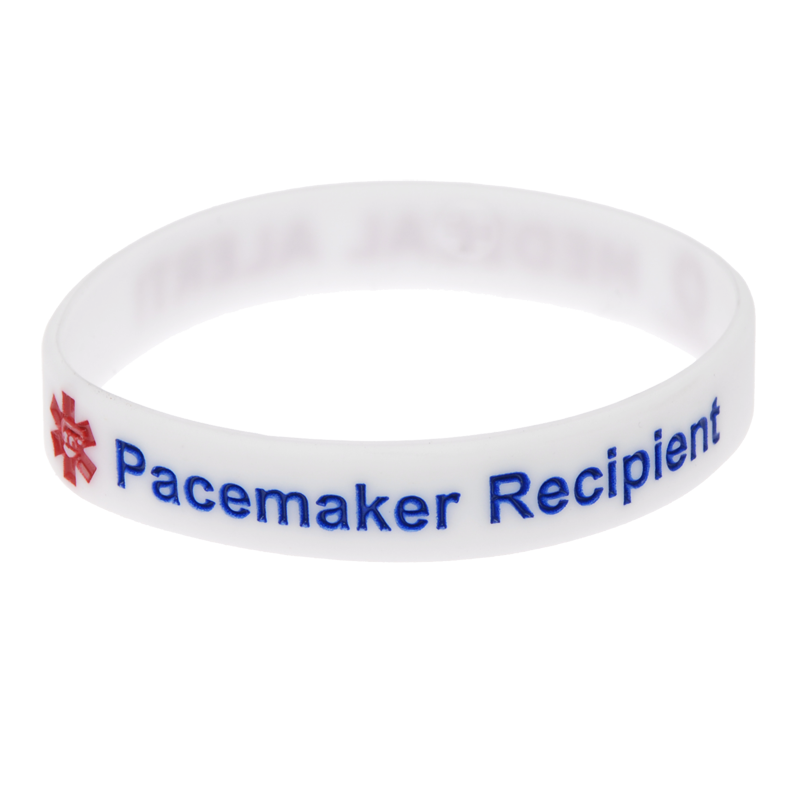
Medical Alert Bracelets: Non-Negotiable Safety for Outdoor Activities
A medical alert bracelet is one of the most important pieces of safety equipment for anyone with a medical condition who participates in outdoor activities. When you are hiking, running, cycling, swimming, or camping away from immediate medical facilities, the time it takes for responders to understand what is happening — and act appropriately — can be the difference between a manageable emergency and a life-threatening one.
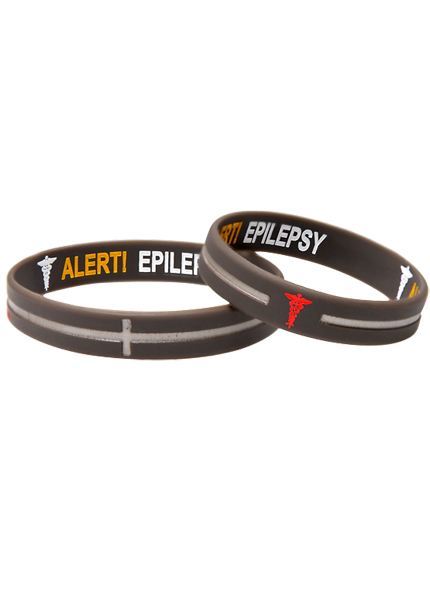
Consider a scenario: a person with epilepsy has a seizure on a hiking trail. Bystanders who do not know the person call emergency services but cannot provide any information about the person's medical history. Responding paramedics treat for an unknown cause. A bracelet that clearly states "Epilepsy — Do Not Restrain" tells responders immediately what is happening, guides appropriate care, and reduces the risk of injury from unnecessary restraint or incorrect medication.
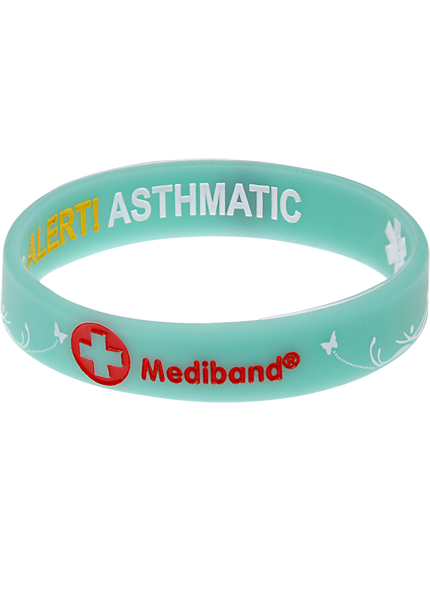
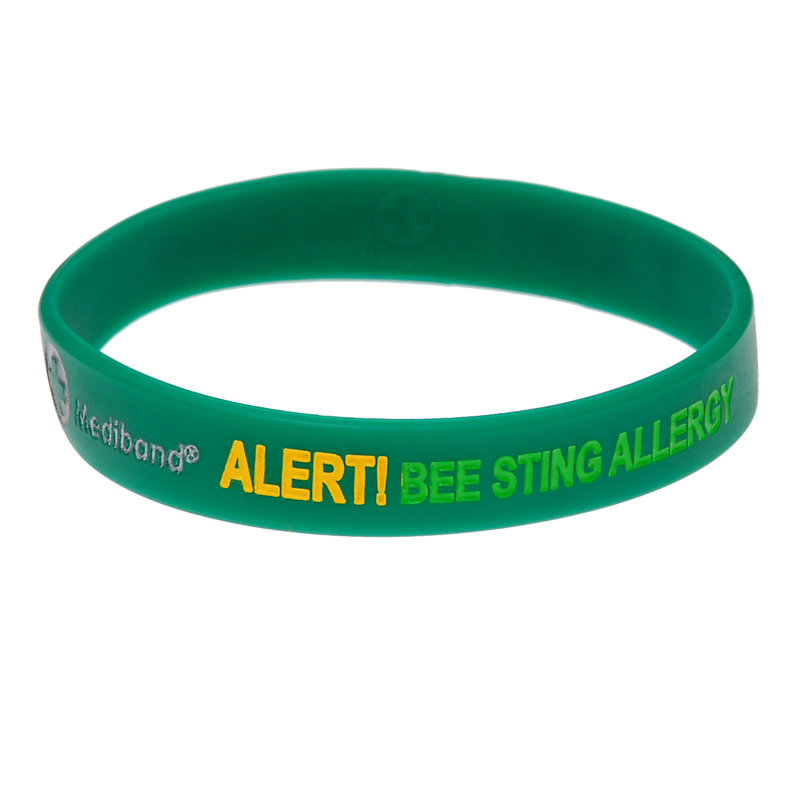
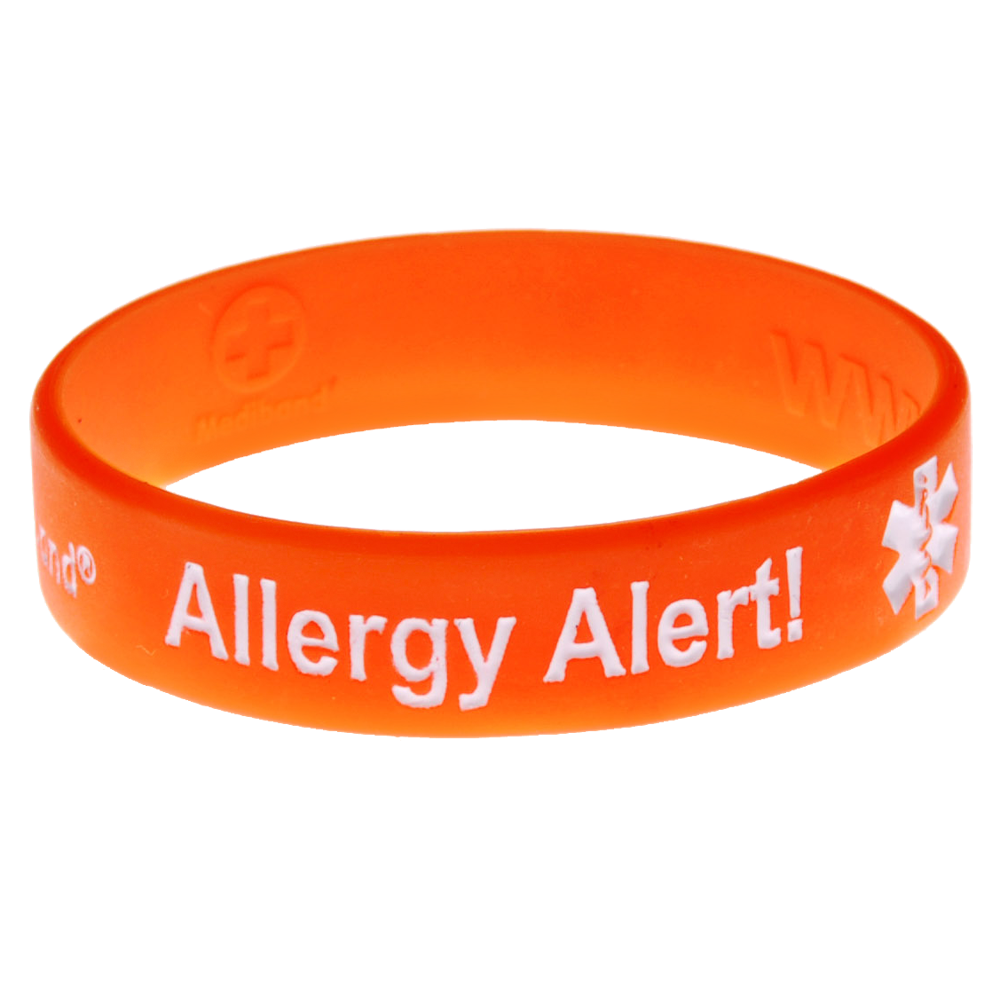
For active and outdoor pursuits, the most practical bracelets are: silicone write-on or debossed styles (durable, waterproof, comfortable during exercise); designs that sit snugly on the wrist without catching on equipment; and reversible options that carry both condition information and ICE contact details. Mediband's range includes options specifically designed for active lifestyles — explore our full medical ID collection to find the right fit.
Silicone medical ID bracelets are waterproof and comfortable for swimming, hiking, and gym use. A clearly printed or debossed condition alert ensures that your bracelet remains readable even after extended exposure to sweat, sunscreen, and water — conditions that would render a handwritten or paper ID illegible.
Activity-Specific Safety Guidance for Common Medical Conditions
While individual advice from your healthcare team is always most important, here is evidence-based guidance for the outdoor activities most commonly enjoyed by people with common conditions.
For asthma: carry your reliever inhaler at all times; warm up gradually to allow airways to adapt; check pollen count and air quality before outdoor exercise; wear a buff or light scarf over the nose and mouth in cold weather; and avoid exercising during high-pollen periods if allergic asthma is a trigger. With appropriate management, most people with asthma can participate in virtually all outdoor activities without limitation.
For epilepsy: choose supervised swimming over open-water swimming; cycle with a companion on off-road trails rather than solo on busy roads; always wear a helmet; and inform companions of your condition, what a seizure looks like, and how they should respond. The charity Epilepsy Action provides excellent activity-specific guidance for people with epilepsy that is worth reviewing before any high-risk outdoor activity.
For allergies: carry at least two adrenaline auto-injectors; inform companions of your allergy and how to use the auto-injector; check the outdoor environment for known triggers (bee and wasp activity, specific plant pollens) before choosing your location; and wear a medical ID bracelet identifying your allergy and the instruction to use the EpiPen. Visit Mediband's allergy bracelet range for options suited to active outdoor use.
For cardiac conditions: always obtain medical clearance and ideally a graded exercise test before beginning or significantly increasing outdoor exercise; carry a list of your medications; inform companions of your condition and emergency response; and consider a heart rate monitor to avoid over-exertion. Explore our cardiac condition medical IDs for appropriate identification options.
Building Your Outdoor Activity Emergency Plan
Every person with a medical condition who participates in outdoor activities should have a written emergency plan — not stored only in memory, but written and shared with regular companions. The plan should include: the person's diagnosis and relevant medical history; a list of current medications (doses and timing); the location of emergency medication in their pack; step-by-step response instructions for the most likely medical emergencies; the person's GP's contact details; and the emergency contact number of a family member or close friend.
Companions should be given a verbal briefing — especially for multi-day trips or remote locations — covering what to watch for and what to do. Most people are happy to receive this information when it is presented practically and matter-of-factly, without drama. Knowing what to do in an emergency dramatically reduces the panic that otherwise delays effective response.
With good preparation, a medical condition does not have to be a reason to stay indoors. The world's trails, waterways, and natural spaces are accessible to people who take reasonable precautions — and the physical and mental health benefits of getting out into nature are well worth the planning effort.
Frequently Asked Questions
Is it safe to exercise outdoors if I have asthma?
Yes — for most people with well-controlled asthma, outdoor exercise is not only safe but actively recommended. The key is managing known triggers: cold air, high pollen, and rapid increases in exertion are the most common. Using a reliever inhaler before exercise, warming up gradually, and monitoring air quality and pollen forecasts allows most people with asthma to participate in outdoor exercise without significant limitation. Speak with your GP or respiratory specialist for personalised guidance based on your specific asthma triggers.
What should someone with epilepsy consider before outdoor activities?
The most important considerations are activity selection and companion awareness. Open-water swimming, solo cycling on busy roads, and high-altitude scrambling carry specific risks if a seizure occurs unexpectedly. Supervised swimming, accompanied hiking, and cycling on dedicated paths with a companion are safer choices for most people with epilepsy. Always inform companions of your condition, what to do during a seizure, and when to call for emergency help. Wear a medical alert bracelet so that any bystander or responder can immediately identify your condition.
How does outdoor exercise affect blood glucose in people with diabetes?
Sustained aerobic exercise typically lowers blood glucose by increasing the muscles' uptake of glucose — which is a benefit for glucose management but also a hypoglycaemia risk, particularly for people taking insulin or sulfonylurea medications. Blood glucose should be checked before, during (for longer activities), and after exercise. Carry fast-acting carbohydrate. Discuss your specific exercise glucose management strategy with your diabetes care team, as it depends on your medications, typical glucose patterns, and the type and duration of activity planned.
What should I include in my outdoor activity medical kit?
At minimum: any prescribed emergency medication (adrenaline auto-injector, rescue inhaler, glucose tablets, or equivalent); a fully charged phone; written emergency contact information; and a basic first aid kit. For remote or multi-day adventures, add: a personal locator beacon, extra medication in a waterproof container, your written emergency plan, and clear briefing for your companions. Your medical alert bracelet should be worn throughout — it is the most reliable identification system because it stays on your body regardless of what happens to your pack.
Can I go hiking alone with a chronic medical condition?
Solo hiking with a chronic medical condition is possible but requires additional precautions. Always inform someone of your exact route and expected return time with instructions to raise an alarm if you don't check in. Carry a personal locator beacon for remote areas. Ensure your emergency plan is current and your medical alert bracelet is on your wrist. Consider starting with well-marked, well-trafficked trails before progressing to more remote routes. Your GP or specialist can advise on whether solo hiking is appropriate for your specific condition and fitness level.

Share on Facebook

Share on X

Share on Pinterest
Comment(s)
Recent Posts



Kids Cooling Patch: A Safe, Gentle Way to Manage Fever
February 27, 2026

Are Stick on Thermometers Accurate? Pros, Cons, and Mor
February 23, 2026

Alcohol Gel Sanitiser: Top 5 Benefits for Your Health
February 19, 2026