

Why Stick-On Thermometers Are a Parent's Best Friend
Anyone who has tried to take an accurate temperature reading from a sleeping toddler at 2am knows the problem. Digital ear thermometers wake them up. Forehead infrared scanners need a still target. Mouth thermometers don't work on a cranky two-year-old. Each disturbance disturbs sleep — for both parent and child — and turns a routine fever check into a battle.
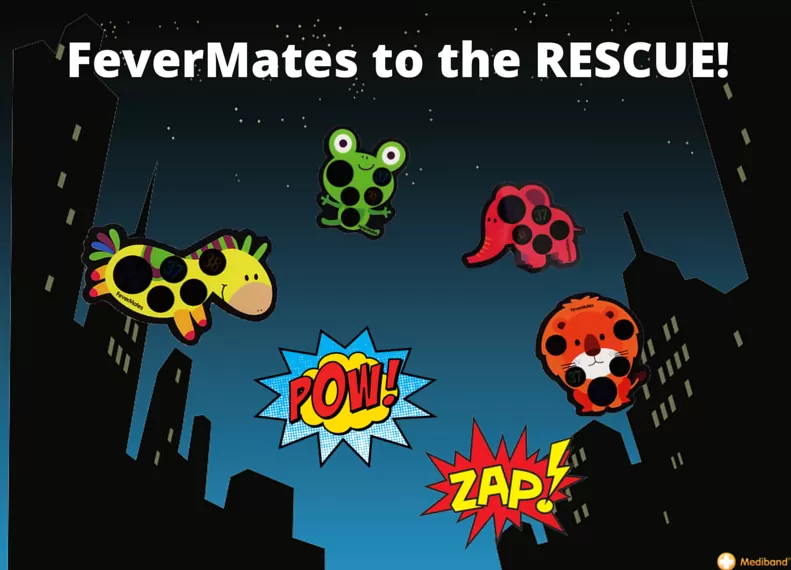
Stick-on temperature indicators solve this. The wearable patch sits on the child's forehead and continuously displays the temperature reading without contact, without disturbance, and without batteries. Glance at it during the night and you have an instant reading. Through fevers, growth spurts, viral infections, and the dreaded daycare bugs, stick-on thermometers turn every parent into a calmer, more confident caregiver.

How a Stick-On Thermometer Works
Stick-on thermometers use temperature-sensitive crystals (liquid crystal technology) that change colour when warmed. Different sections of the patch are calibrated to different temperatures, and the highlighted section indicates the wearer's temperature.
- No batteries — the colour change is purely thermal-physical, not electronic.
- Continuous reading — no need to hold a probe or wait for a beep.
- Skin-safe adhesive — designed for sensitive child skin, hypoallergenic.
- Compact — fits comfortably on a small forehead, easy to apply and remove.
- Reusable for monitoring — most can be re-applied through a single illness episode.
For ongoing fever monitoring (where the child has been confirmed unwell and is recovering at home), stick-on thermometers are far less stressful than repeatedly waking a sleeping child to check.
Recommended for you
Products related to this article
Hand-picked to go with what you just read.
When Stick-On Thermometers Are Most Useful
Overnight Monitoring
This is the killer use case. A child with a fever from a cold, ear infection, or other viral illness sleeps lightly. Repeatedly waking them to take a temperature delays recovery and exhausts the parent. With a stick-on patch, the parent peeks in, reads the patch in dim light, and adjusts care without disturbing the child.
Daycare and School Drop-Offs
Some kids get a low-grade fever in the morning that's borderline — fit for daycare or not? A stick-on patch on the school run gives a continuous read until the moment of drop-off; if it climbs, the parent can turn back. Useful in flu season particularly.
Travel Days
Long flights, road trips, hotel rooms, family gatherings — environments where a digital thermometer might be packed away or hard to reach. The patch stays on the child for hours and lets the parent check on them mid-meal, mid-flight, mid-anything.
Babysitters, Grandparents, and New Carers
Anyone unfamiliar with using a digital thermometer on a kicking baby will appreciate a stick-on indicator they can read at a glance. Plus the patch leaves no doubt about the reading method or accuracy if there's a question to relay back to mum or dad.
Post-Vaccination Monitoring
Mild fever after vaccination is common and expected. Stick-on indicators let parents track a baby's temperature for the 24-48 hours after a vaccine without repeated invasive checks.
Limitations and What They're NOT For
Stick-on thermometers are excellent for monitoring an established fever — but they're not as accurate as a digital probe thermometer for the initial diagnostic reading. Important caveats:
- Not suitable for newborn fever diagnosis — fever in babies under 3 months requires accurate clinical-grade measurement (rectal or ear). Stick-ons are for monitoring once a baseline is established.
- Skin temperature ≠ core temperature — forehead patches read skin temperature, which can lag core temperature by 0.3-0.5°C. Useful for trends, less precise for exact readings.
- Ambient conditions affect accuracy — a hot room, recent active play, or a cold environment can skew the reading. Take readings after the child has been settled at room temperature for at least 5 minutes.
- Not a substitute for medical assessment — any fever above 38.5°C in a young child, or above 38°C in an infant, warrants medical advice regardless of method used.
According to HealthDirect's children's fever guidance, parents should monitor symptoms alongside temperature — irritability, refusal to drink, breathing difficulty, rash, or unresponsiveness all warrant urgent medical attention regardless of the temperature reading.
Combining Stick-On Thermometers with Other Fever Care Tools
The best children's fever-care kit layers several tools together:
Stick-On Indicator (for monitoring)
Continuous overnight reading, no disturbance to a sleeping child, no batteries.
Digital Thermometer (for diagnostic accuracy)
Use for the initial reading and any clinically important check.
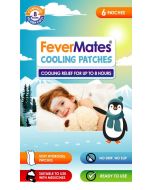
Cooling Forehead Patches
Soothe fever discomfort while medication takes effect. Different from temperature indicators — these provide cooling relief, not measurement.
Pediatric Paracetamol/Ibuprofen
For comfort, not strictly to "treat" a fever. Use according to weight-based dosing with your pharmacist or GP guidance.
Hydration
Fever increases fluid loss; offer small frequent drinks even if appetite is low.
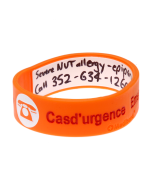
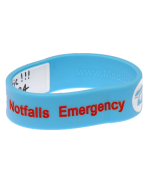
A Kid's Medical Alert Bracelet
For children with chronic conditions (diabetes, allergies, epilepsy, asthma), a clear medical ID is critical when fever symptoms layer onto an existing condition. A daycare worker, casual relief teacher, or grandparent dealing with a feverish child needs to know the underlying condition before reaching for any medication.
Choosing a Quality Stick-On Thermometer
Not all stick-on indicators are equal. Look for:
- TGA-listed or equivalent regulatory approval — confirms the device meets medical-product safety standards.
- Hypoallergenic adhesive — designed for sensitive child skin.
- Clear temperature range markings — easy to read in dim light.
- Reasonable wear time — most quality patches stay accurate for 12-24 hours of continuous wear.
- Trusted brand — Australian and international brands like Fevermates have a strong track record with parents and pediatric clinicians.
Frequently Asked Questions
Are stick-on thermometers as accurate as digital probe thermometers?
Not as precise for diagnostic readings, but excellent for ongoing monitoring. Forehead skin temperature lags core temperature by 0.3-0.5°C, so use a digital probe (ear, mouth, or rectal in babies) for the initial diagnostic reading and the stick-on for continuous monitoring afterwards.
Can I use a stick-on thermometer on a newborn baby?
Stick-ons can be used for monitoring on babies and small children, but newborn fever diagnosis (under 3 months) requires accurate clinical-grade measurement. Always use a digital rectal or ear thermometer for the initial reading on a young baby and seek medical advice for any fever in this age group.
How long can a stick-on thermometer stay on?
Quality patches stay accurate for 12-24 hours of continuous wear. The hypoallergenic adhesive is designed for prolonged contact with sensitive skin. Replace the patch if it lifts, gets wet, or stops responding to body heat. Always remove gently to avoid skin irritation.
What's the difference between a stick-on thermometer and a cooling patch?
A stick-on thermometer measures temperature; a cooling patch provides physical cooling for fever discomfort. They're complementary — use a thermometer to monitor and a cooling patch to soothe. Both come from the same supplier brands (e.g. Fevermates) and are designed to work together.
When should I take my child to a doctor for a fever?
Any fever above 38°C in an infant under 3 months, above 38.5°C in a child 3-6 months, or above 39°C in older children warrants medical advice. Also seek urgent care for any fever combined with severe drowsiness, breathing difficulty, persistent vomiting, rash, or unresponsiveness regardless of temperature.

Written by
Founder, Mediband
Founder of Mediband; over 20 years providing medical IDs worldwide.

Thank u