What is the In Case of Emergency programme?
March 15, 2023

Do you know about the ICE medical bracelet or In Case of Emergency programme? It originated in the UK as a way for first responders to contact a patient’s next of kin by mobile phone in a medical emergency.

Since its origins, it’s helped relay important medical details to health professionals and reunite many patients with their loved ones in their time of need.
In our latest article, we take a look at this valuable scheme and explain how it has extended to medical wristbands and more.
The origins of ICE
Back in the mid-2000s, the mobile phone company Vodafone published a survey in the UK that found that fewer than 25% of people at that time carried information with them about who they would like to be contacted in an emergency.
Following these findings, Bob Brotchie, a paramedic working for the East of England Ambulance Service in the UK, started a campaign to encourage people to save an emergency contact in their phone under the heading “ICE” or “In Case of Emergency”.
Brotchie also lobbied mobile phone manufacturers to include the ICE heading in the contact section of all mobile phones.
The idea soon caught on — in the UK and worldwide — particularly after the chaos and devastation of the terrorist attacks in London carried out in July 2005.
How does ICE work today?
As mobile phones have evolved, so too has the ICE system. Nowadays, there’s a wide range of apps for your phone that offers access to ICE information for both iPhone and Android users.
They work by creating a notification on your locked display screen. This notification has essential information about you and your contacts that could help in an emergency.
This means there are no worries about being able to unlock a phone to search through the contacts when time is of the essence.
Shop ICE Medical Alert Bracelets
Your phone might be locked in an emergency — an ICE bracelet on your wrist never runs out of battery.
ICE med alerts
And the programme has developed beyond just the use of mobile phones. In addition to using an app, many people now note their ICE details on their medical ID.
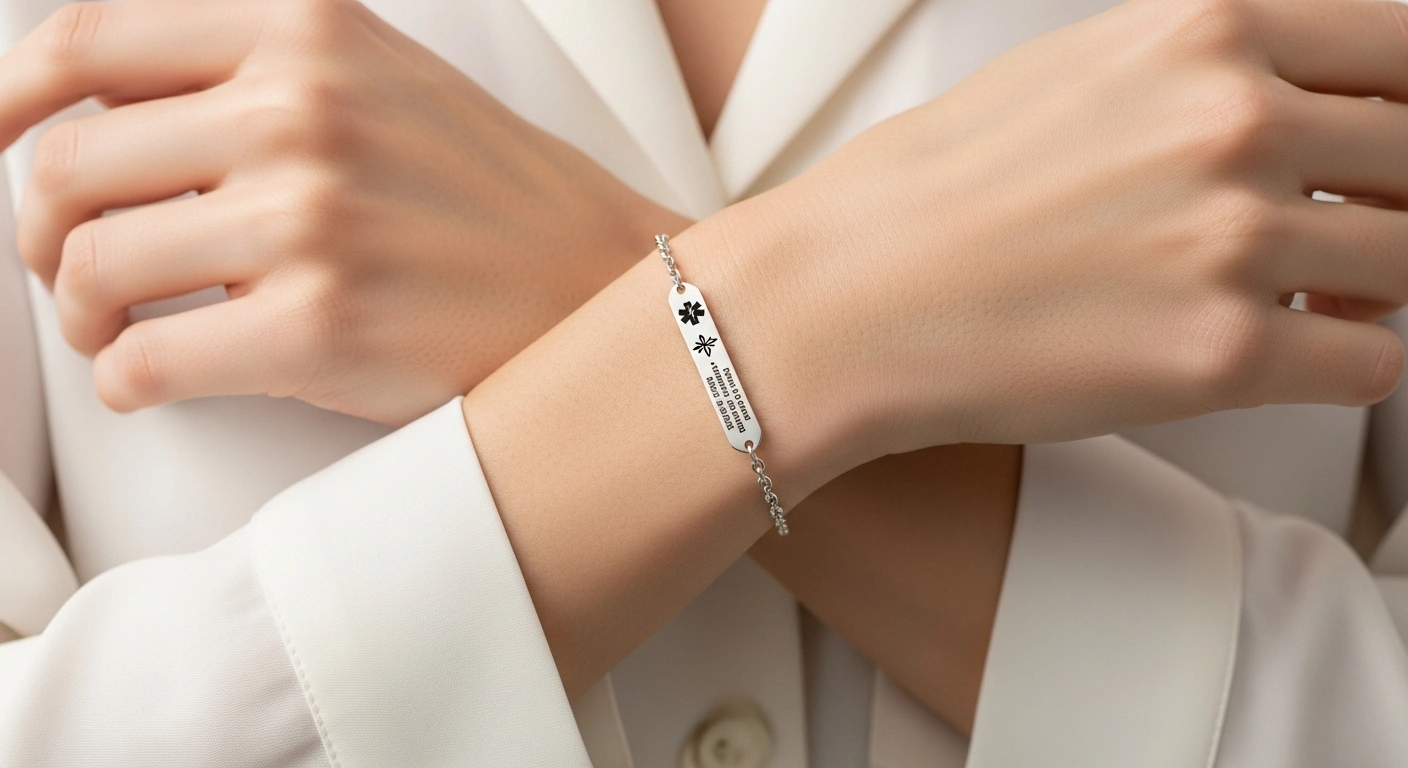
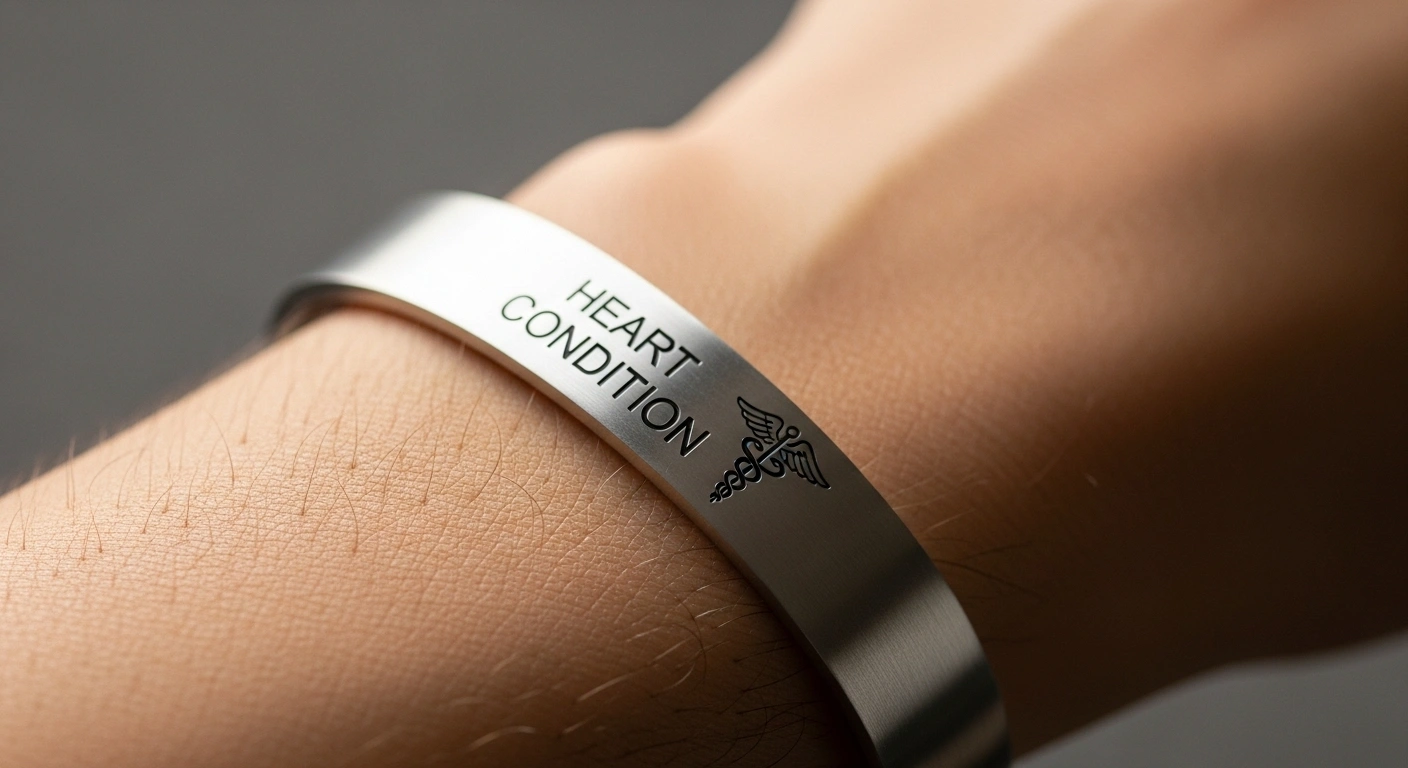
This could take the form of bracelets or other jewellery that can be personalised with the wearer’s details.
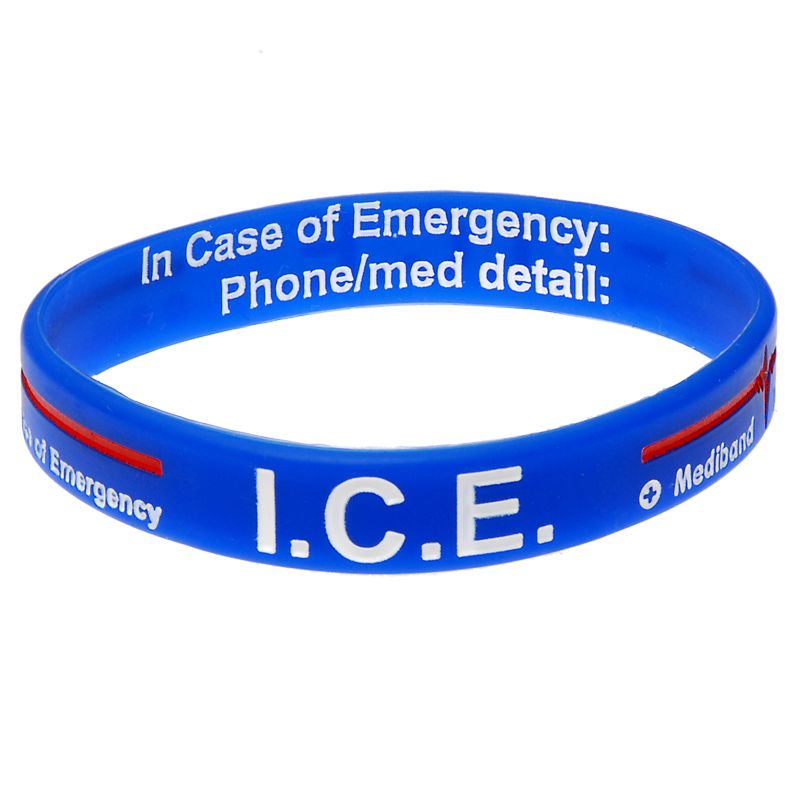
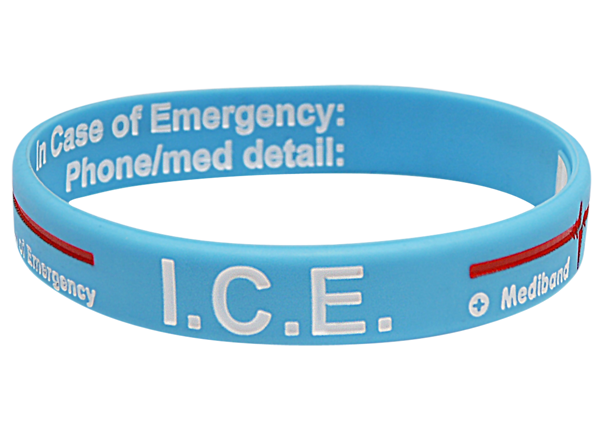
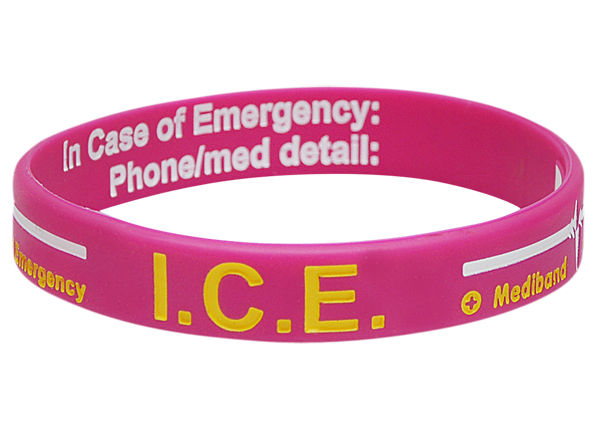
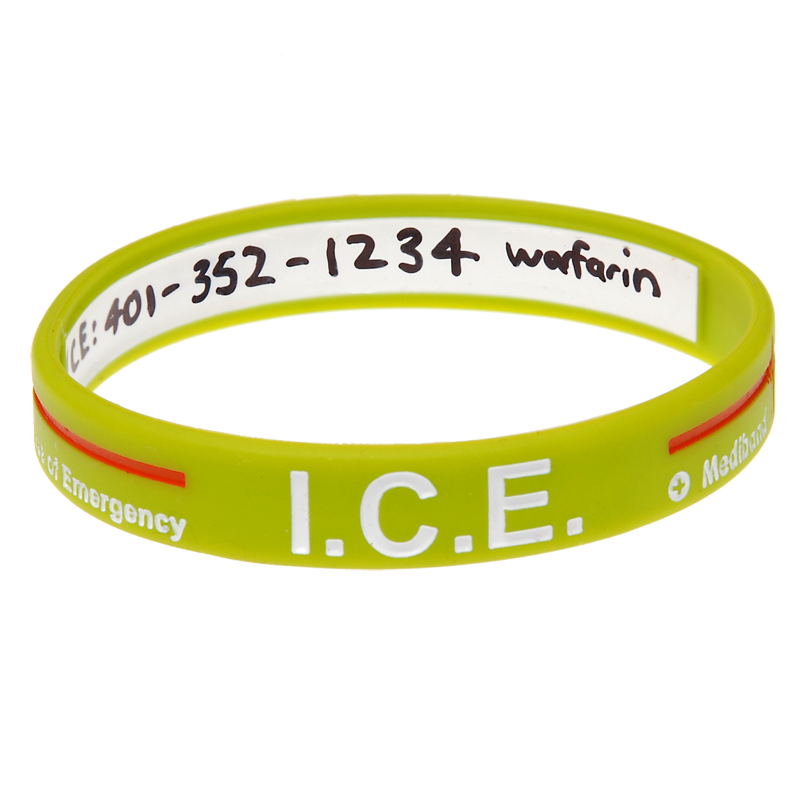
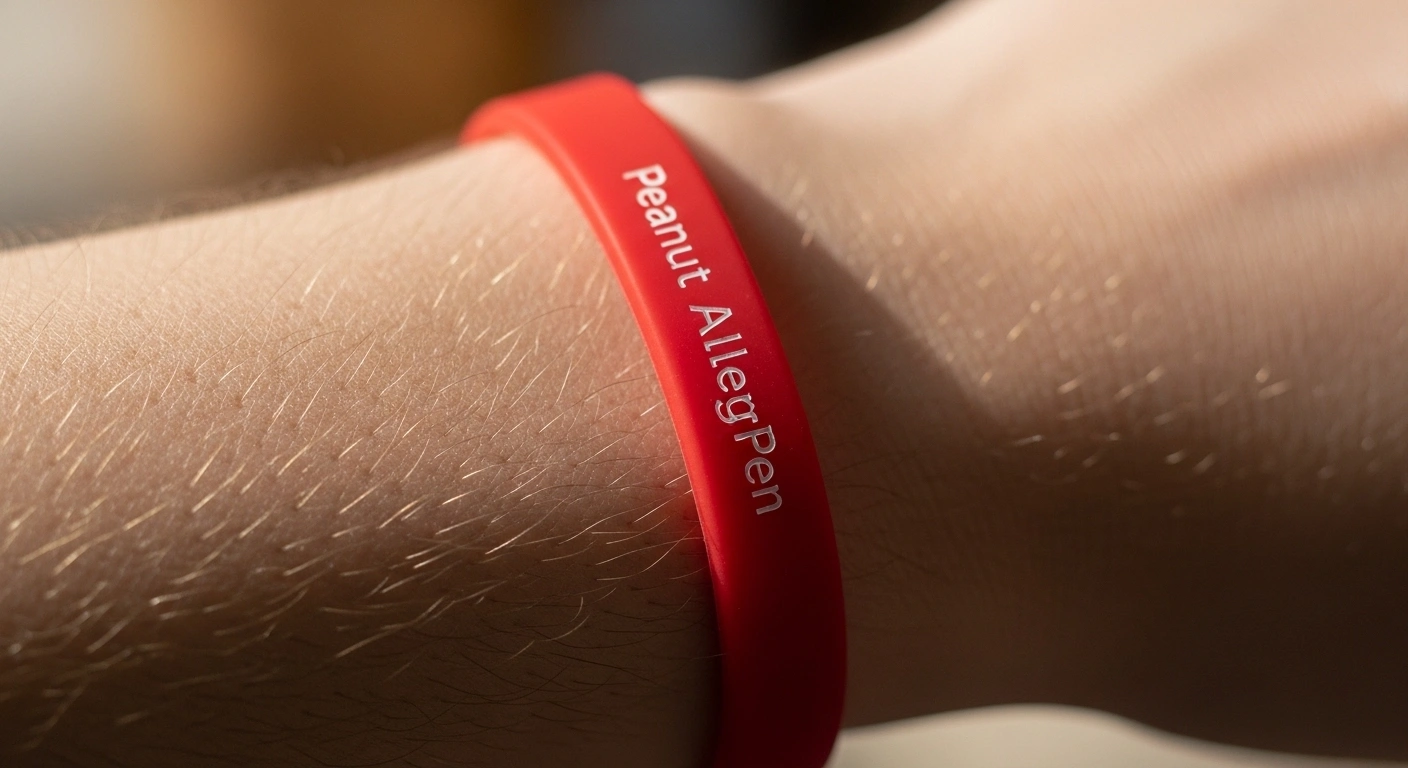
This medical alert bracelet from the Mediband range displays ICE on the outside and can be customised with the wearer’s medical and contact details on the inside.
It’s just one of our range of comfortable, durable and hypoallergenic silicone medic alert wristbands which can be designed with your unique details.
You may also like to know about our range of pendants and necklaces, which can be engraved with the details of your choice.
Made from tough but stylish stainless steel or aluminium, these med alerts are a practical alternative to bracelets offering the same level of durability and practicality.
Emergency information medical wallet cards are another way to ensure you’re your health records and contact information can be easily accessed.
There’s room for your personal and ICE contact details, as well as information on your medical conditions, allergies, medication and blood group. You can even denote whether you wish to be an organ donor.
Know that when you opt for one of our medical IDs, you are also choosing peace of mind. They can be linked to the MedibandPlus database, where subscribers can store additional medical information — it’s all part of our service to support the wellbeing of our valued customers!
More tips on emergency information
Using an app on your phone and wearing a medical ID are great ways to ensure access to your details in an emergency.

For extra security, you might want to display the same information in more than one place to make it easier for first responders to find it.
So you could also:
- Keep medical information close to your front door so that it can be seen early on if paramedics ever have to visit your home
- Ensure that all your medication is kept in a single place that’s easy to spot with a form including your medical and contact details
In addition, you should make sure that the person named in your ICE information knows about any health conditions and medication you are taking.
Be prepared for whatever life throws at you!
It’s reassuring to know that there are a lot of things you can do to make it easier for healthcare professionals treating you in an emergency.
For bracelets, necklaces, pendants, wallet cards and more, check out our online collection.
Our products are designed to help you live confidently, knowing that you’ve done all you can to make navigating a medical emergency easier for anyone caring for you.
And know that our sister company, MediBC, provides a full range of first aid kits and supplies, ensuring that you are super safe and prepared for whatever life throws at you!
Frequently Asked Questions
What is the In Case of Emergency (ICE) programme?
The ICE programme encourages people to store emergency contact information in an easily accessible format. Originally designed for mobile phones by storing contacts under the name ICE, the concept has expanded to include ICE medical bracelets, wallet cards, and key fobs that provide emergency information even when a phone is locked, damaged, or unavailable.
Why is an ICE bracelet better than an ICE phone contact?
In an emergency, your phone may be locked with a passcode, damaged, lost, or out of battery. Paramedics cannot legally access a locked phone. An ICE bracelet is always visible on your wrist, requires no technology, and provides instant access to your emergency contacts and medical information — guaranteed, every time.
What information should I include on an ICE bracelet?
Include your full name, one or two emergency contact names and phone numbers, your blood type if known, any critical medical conditions, current medications, and allergies. Prioritise the most important information first. A write-on reversible ICE bracelet gives you space for multiple pieces of information on both sides.
Does everyone need an ICE bracelet or just people with medical conditions?
Everyone benefits from ICE information — not just people with medical conditions. If you are in a car accident, fall unconscious, or are otherwise unable to communicate, paramedics need to contact your family and understand your medical background. An ICE bracelet is especially important for people who live alone, travel, exercise outdoors, or work in hazardous environments.
How do paramedics use ICE information during an emergency?
Australian paramedics are trained to check the wrists, neck, and wallet of an unresponsive patient for medical identification and emergency contacts. ICE information helps them contact your family quickly, understand your medical history before providing treatment, and make informed decisions about your care in those critical first minutes.

Share on Facebook

Share on X

Share on Pinterest
Comment(s)
Recent Posts
The Risk Of Not Wearing An Allergy Medical Alert Bracelet
March 23, 2026