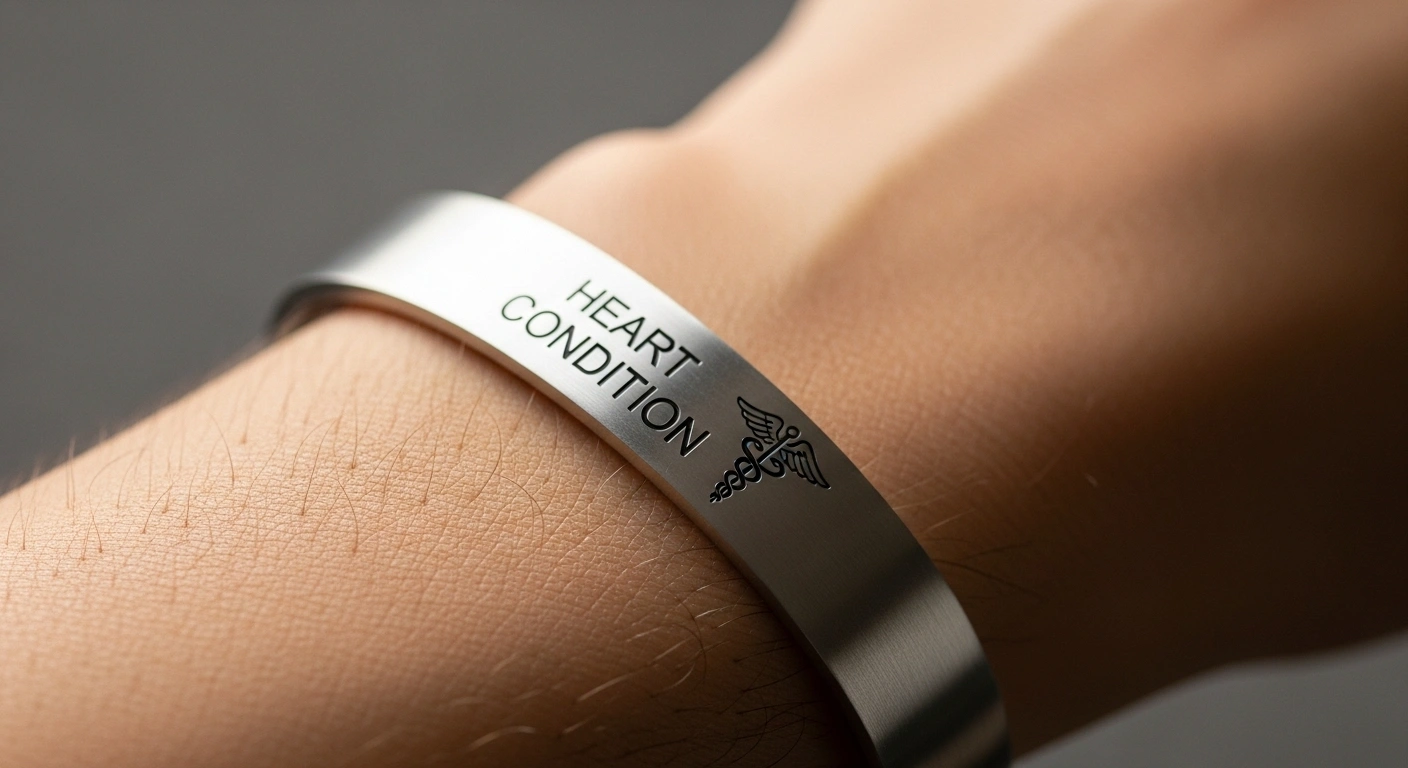
Breast Cancer Awareness: Early Detection, Support, and Why a Medical Alert Bracelet Matters
October 15, 2021

Breast cancer is the most commonly diagnosed cancer in women worldwide, with approximately 2.3 million new cases diagnosed globally each year, according to the World Health Organization (2022). It accounts for 1 in 4 of all cancer diagnoses in women. Yet despite its prevalence, breast cancer remains surrounded by fear and, sometimes, silence — a combination that can delay diagnosis and reduce survival rates. When detected early, breast cancer is highly treatable: the five-year survival rate for Stage 1 breast cancer exceeds 99% in many high-income countries. The difference between early and late detection is not just medical — it is the difference between lives saved and lives lost.
This guide covers breast cancer symptoms, screening, treatment, and the important role of medical alert bracelets for people living with or recovering from breast cancer.
Understanding Breast Cancer: What You Need to Know
Breast cancer develops when cells in the breast grow uncontrollably. Most breast cancers begin in the cells lining the milk ducts (ductal cancers) or the milk-producing glands (lobular cancers). Breast cancer is not one disease — it encompasses many subtypes with different biological characteristics, treatments, and prognoses.
While breast cancer primarily affects women, it can occur in men — approximately 1% of all breast cancers globally are diagnosed in men, and male breast cancer is often diagnosed later due to lower awareness and screening rates.
Risk Factors for Breast Cancer
Breast cancer risk is influenced by a combination of genetic, hormonal, environmental, and lifestyle factors:
- Age: Risk increases with age; most breast cancers are diagnosed in people over 50
- Family history and genetics: BRCA1 and BRCA2 gene mutations significantly increase risk
- Dense breast tissue: Associated with higher risk and can obscure mammogram results
- Hormone exposure: Long-term hormone replacement therapy (HRT), early menstruation, or late menopause
- Lifestyle factors: Alcohol consumption, obesity (particularly post-menopause), physical inactivity, and smoking
- Previous breast abnormalities: Previous diagnosis of atypical hyperplasia or DCIS (ductal carcinoma in situ)
Early Signs and Symptoms of Breast Cancer
Many breast cancers are detected by the individual themselves, before any formal screening. Knowing what to look for can lead to earlier diagnosis. Be aware of:
- A new lump or thickening in the breast or armpit
- A change in the size, shape, or appearance of a breast
- Dimpling, puckering, or other changes to the breast skin
- A newly inverted nipple, or changes to the nipple appearance
- Nipple discharge (especially if bloodstained)
- Redness, scaling, or peeling of the nipple or breast skin
- Persistent breast or nipple pain
Most breast lumps are not cancerous. However, any new or persistent change should be assessed by a doctor promptly. Don’t dismiss it or wait to see if it resolves on its own.
Regular breast self-examination helps you become familiar with what is normal for you, making it easier to notice changes. Ask your doctor to demonstrate the correct technique.
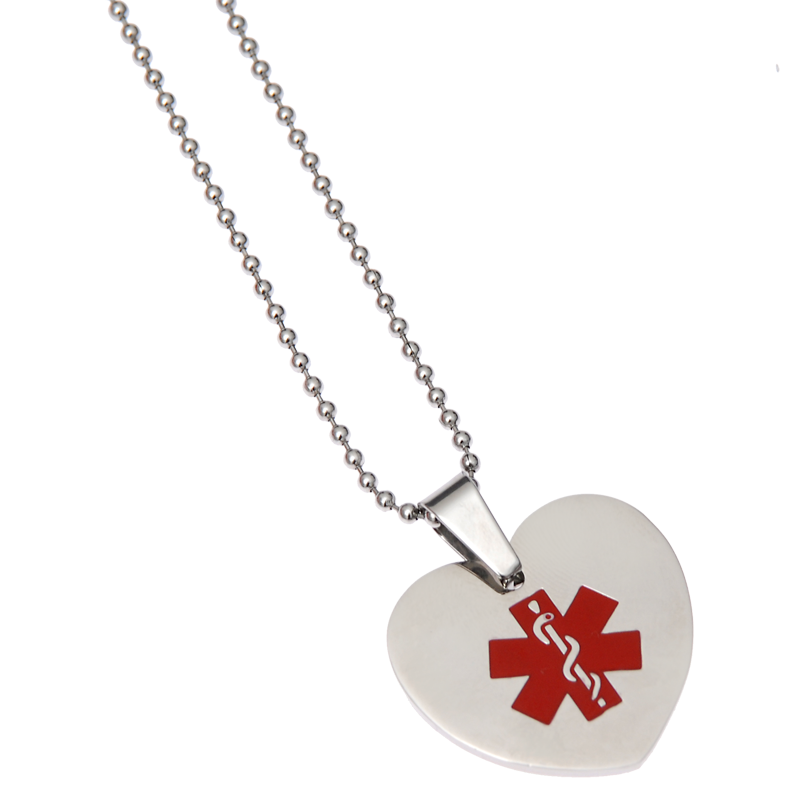
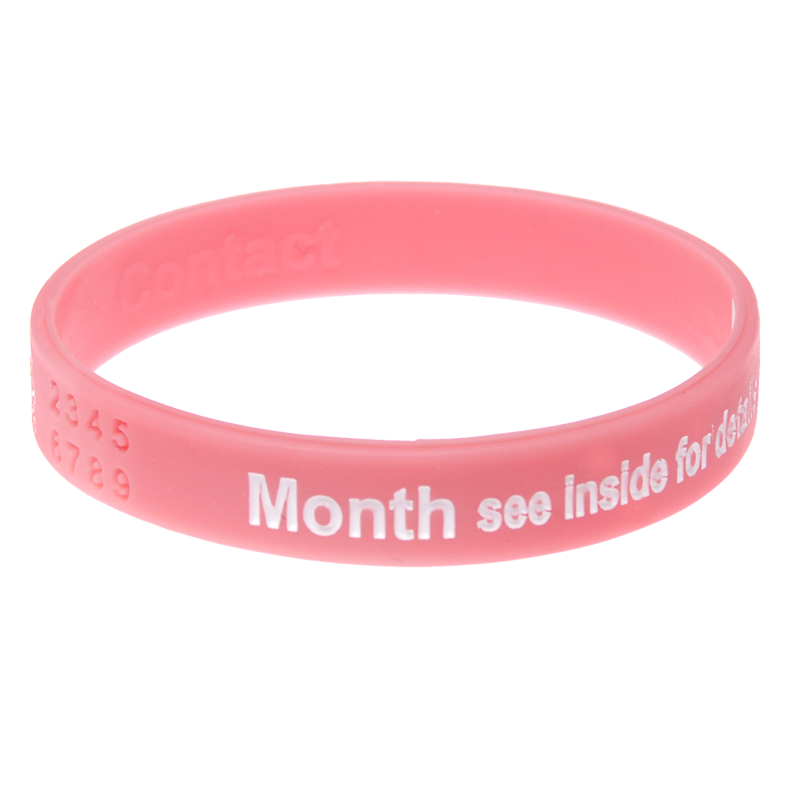
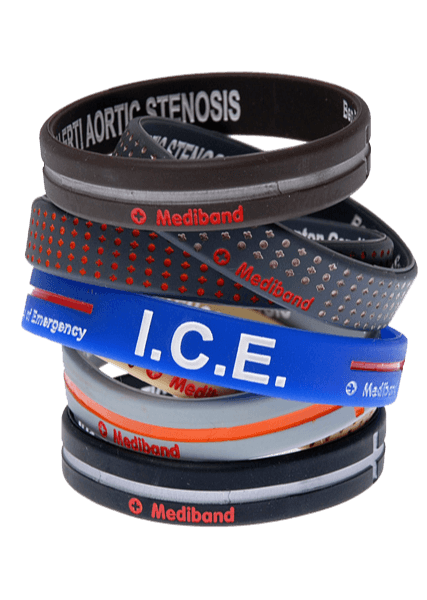
Medical Alert Bracelets for Breast Cancer Patients
From lymphedema alert to axillary node awareness — essential medical ID for breast cancer patients and survivors.
Breast Cancer Screening: How to Detect It Early
Mammography remains the gold standard for breast cancer screening. Regular mammograms can detect cancers up to three years before they become palpable as lumps, dramatically improving treatment options and outcomes. Screening recommendations vary by country and individual risk profile — speak to your doctor about what schedule is appropriate for you.
Additional screening tools may be recommended for high-risk individuals, including:
- Breast ultrasound: Particularly useful for people with dense breast tissue where mammograms are less sensitive
- MRI: Recommended for high-risk individuals (BRCA mutation carriers, strong family history)
- Genetic testing: BRCA1 and BRCA2 genetic testing for those with significant family history
Between formal screenings, breast awareness — knowing what is normal for your body and noticing changes — is the most important self-care tool you have.
Why Breast Cancer Patients Need a Medical Alert Bracelet
Breast cancer treatment — particularly surgery involving the removal of lymph nodes from the armpit (axillary lymph node dissection) — creates lasting medical needs that emergency and healthcare staff must be aware of.
Axillary Lymph Node Removal
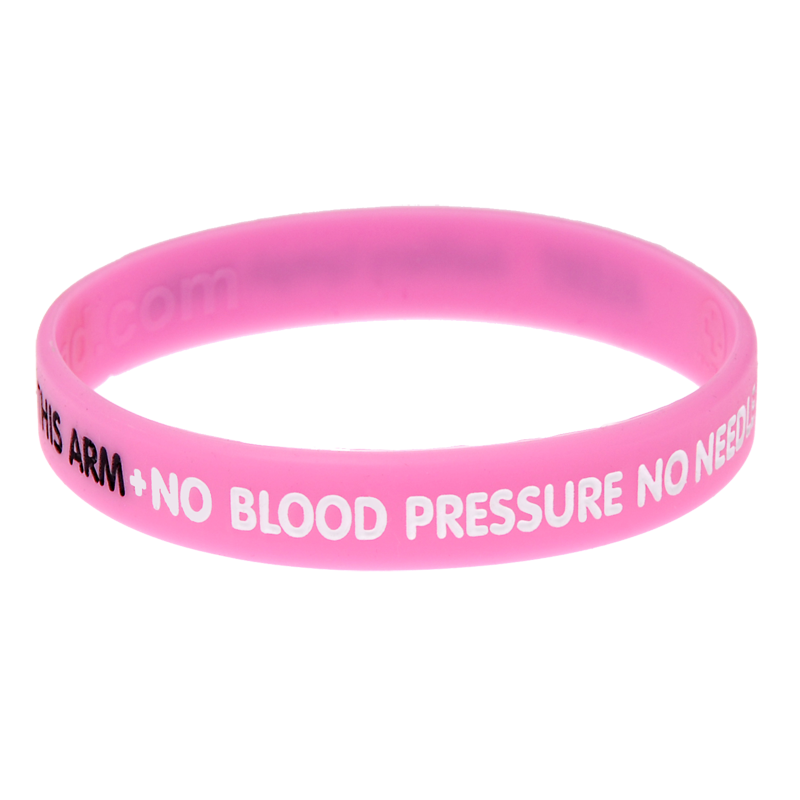
After axillary lymph node removal or sentinel lymph node biopsy, blood pressure measurement, injections, blood tests, and IV lines should NOT be performed on the affected arm. This is a permanent restriction — it applies for life, not just during the recovery period. In an emergency room, staff may not know this unless it is clearly communicated. An axillary lymph node medical alert bracelet communicates this restriction instantly.
Lymphedema
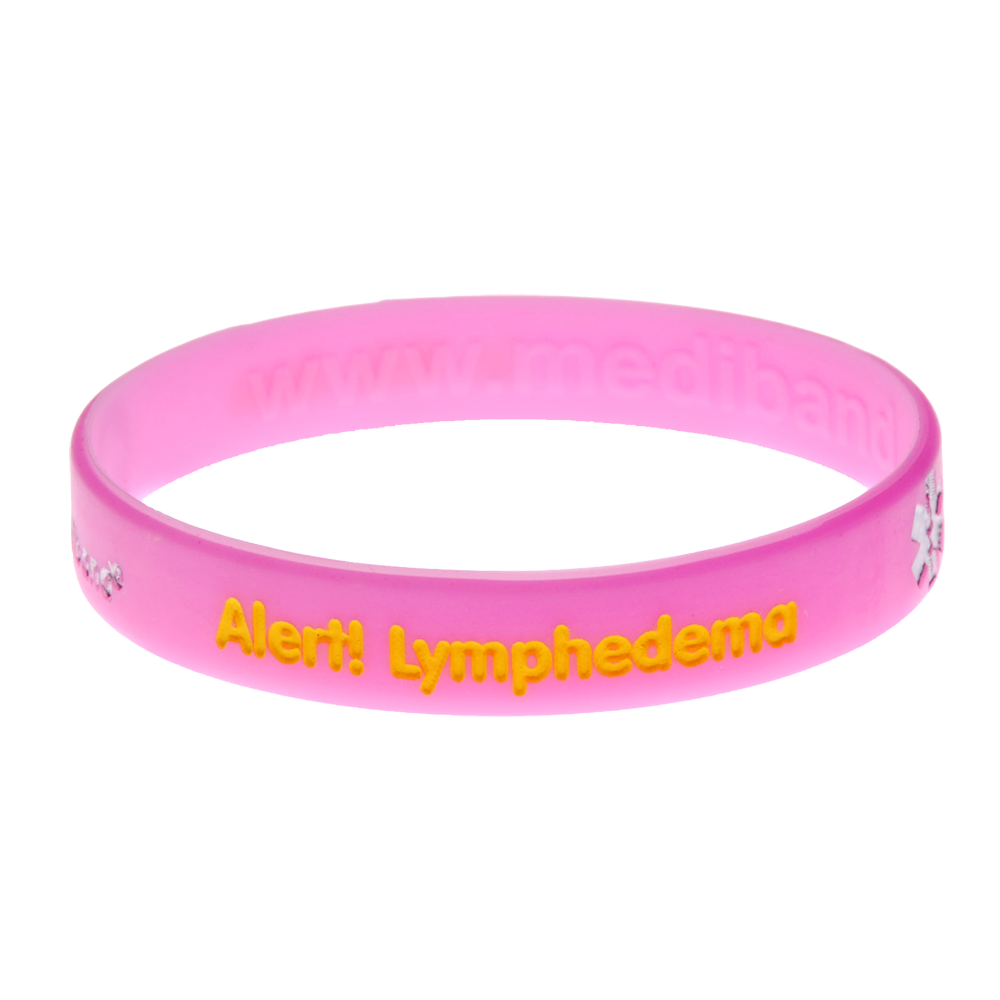
Lymphedema — swelling caused by damage to the lymphatic system — is a common complication following breast cancer treatment involving lymph node removal. In people with lymphedema, any trauma to the affected arm (including IV lines, blood pressure cuffs, or infections) can trigger or worsen the condition. A lymphedema alert bracelet is a simple, effective way to protect the affected limb when the individual is unable to speak for themselves.
Other Treatment-Related Medical ID Needs
- Anticoagulant therapy: Many breast cancer patients take blood thinners during and after treatment
- Immunosuppression: Chemotherapy suppresses immunity; this affects how infections are managed in emergencies
- Implanted ports: Chemotherapy ports require specific handling
Supporting Someone Through Breast Cancer Treatment
If someone you love is undergoing breast cancer treatment, your support — practical and emotional — is one of the most valuable things you can offer. Some ways to genuinely help:
- Offer specific, practical help rather than vague offers (“I’ll drive you to your next appointment on Tuesday” rather than “let me know if you need anything”)
- Educate yourself about their specific treatment and its side effects so you can provide informed support
- Research medical alert bracelets appropriate to their treatment needs (axillary lymph node bracelet if they have had lymph nodes removed)
- Be consistent and present — support that continues throughout the long treatment journey, not just at diagnosis, is what sustains people
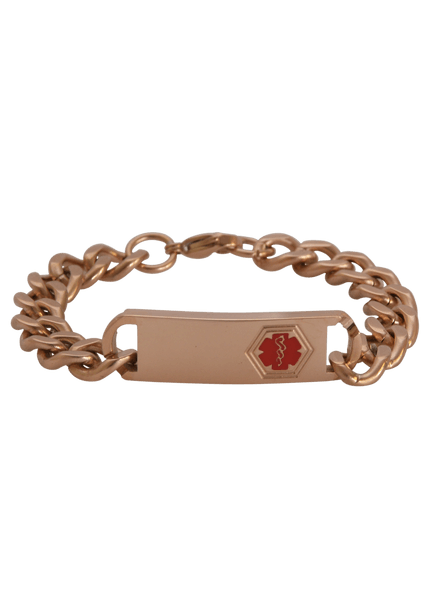
Browse the full range of medical ID bracelets at Mediband, including specialised bracelets for axillary lymph node removal and lymphedema, as well as elegant rose gold options for breast cancer survivors.
Frequently Asked Questions
Why do breast cancer patients need a medical alert bracelet?
Breast cancer treatment — particularly surgery involving axillary lymph node removal — creates permanent restrictions that all healthcare staff must know about. Procedures like blood pressure measurement, injections, and IV lines should not be performed on the affected arm for life. In an emergency, when the patient cannot communicate, a medical alert bracelet stating "No BP/needles — left arm — axillary nodes removed" can prevent serious complications.
What is lymphedema and how does a medical alert bracelet help?
Lymphedema is swelling caused by damage to the lymphatic system, commonly occurring after breast cancer surgery involving lymph node removal. People with lymphedema must avoid any pressure, trauma, or infection to the affected arm, as this can worsen the condition. A lymphedema medical alert bracelet communicates this restriction to medical staff when the patient cannot do so themselves — protecting the limb during any medical treatment or emergency.
How often should I have a mammogram?
Screening recommendations vary by country, age, and individual risk profile. Most guidelines recommend regular mammograms from age 40-50 for women of average risk, typically every one to two years. Women with higher risk factors — including BRCA gene mutations, strong family history, or dense breast tissue — may be recommended to start earlier or screen more frequently. Ask your doctor about the schedule appropriate for your situation.
What are the early warning signs of breast cancer I should check for?
Key signs include: a new lump or thickening in the breast or armpit, any change in breast size or shape, dimpling or puckering of the skin, a newly inverted nipple, nipple discharge (especially if bloodstained), redness or scaling of the nipple or breast skin, and persistent breast or nipple pain. Most lumps are benign, but any new or persistent change should be assessed by a doctor promptly — never delay for fear of bad news.

Share on Facebook

Share on X

Share on Pinterest
Comment(s)
Recent Posts

The Risk Of Not Wearing An Allergy Medical Alert Bracelet
March 23, 2026