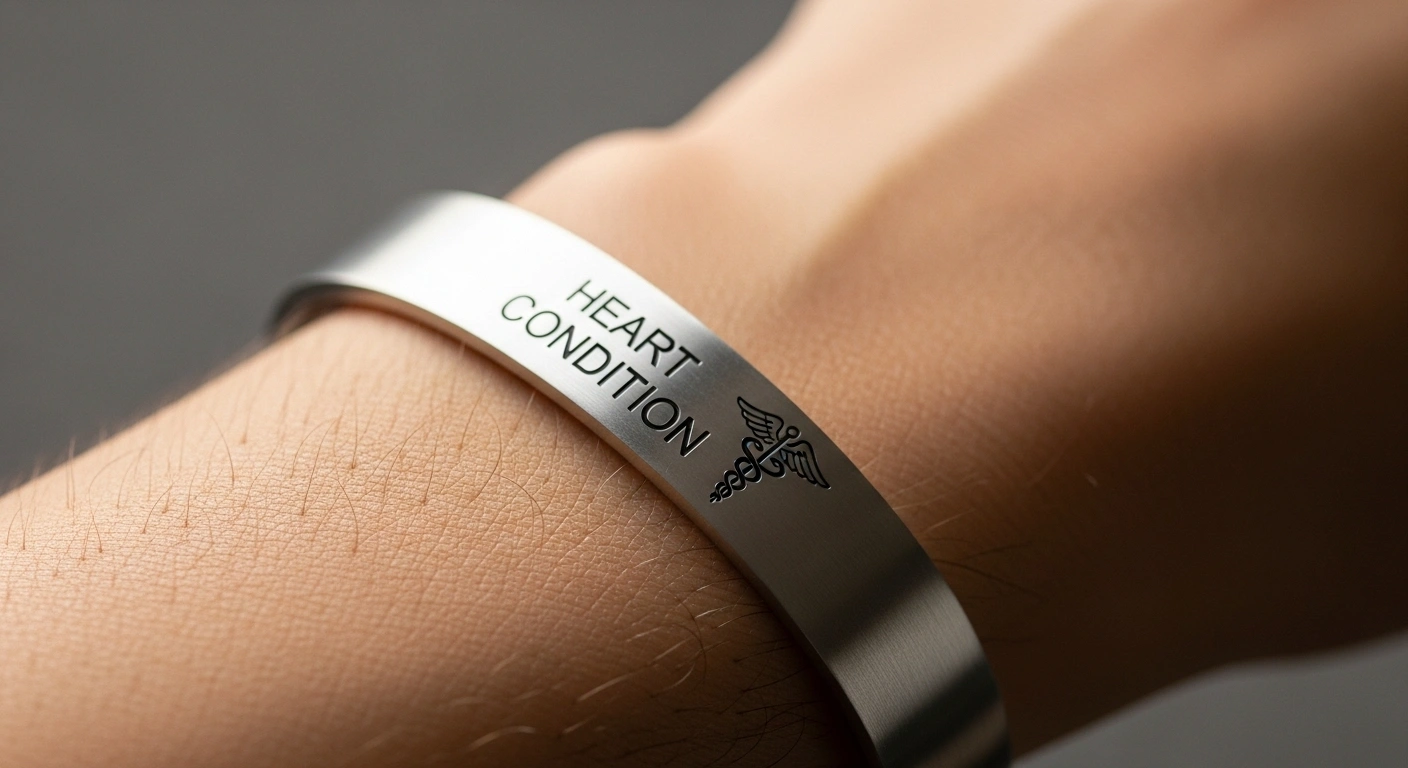
The Role of Identification Wristbands in Preventing Medical Errors
January 19, 2026
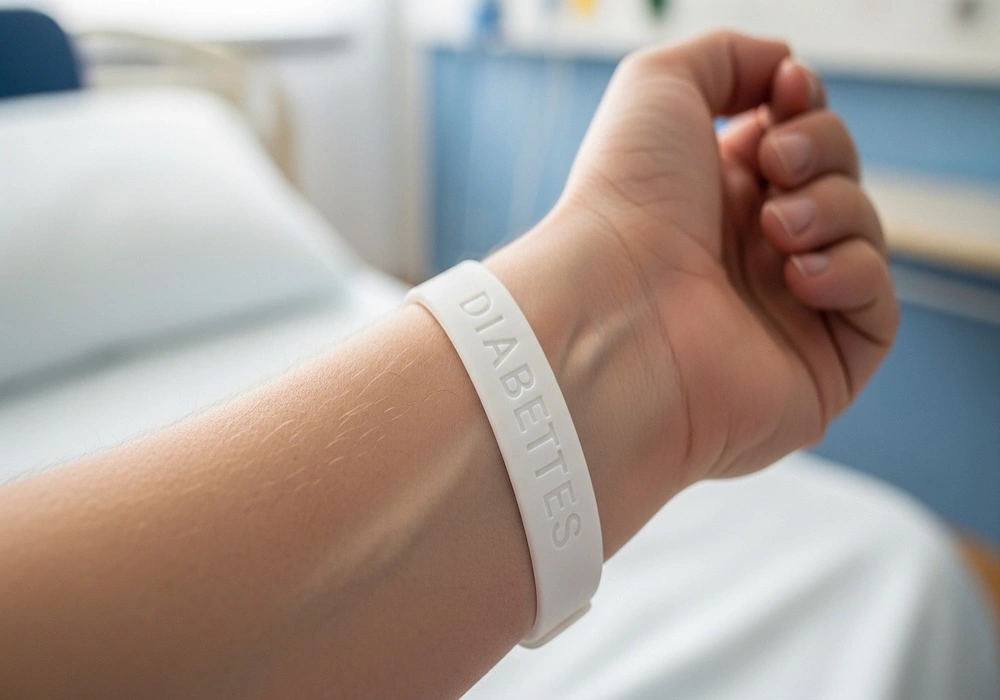
Medical errors remain a serious concern in healthcare facilities worldwide. Among the various safety measures implemented to protect patients, one simple tool stands out for its effectiveness: the identification wristband. This small plastic band, worn by millions of patients daily, serves as a crucial defense against mistakes that can occur during treatment, medication administration, and medical procedures.
The purpose of this article is to educate readers on the vital role identification wristbands play in preventing medical errors, enhancing patient safety, and ensuring accurate treatment by providing healthcare professionals with immediate access to crucial patient information. Understanding how these simple tools function within the broader healthcare system reveals why they remain indispensable despite technological advances.
What Are Identification Wristbands?
Identification wristbands are secure bands worn around a patient's wrist that display essential personal and medical information. These bands serve as portable identity verification tools that travel with patients throughout their healthcare experience, from admission through discharge.
Definition and Overview
At their core, patient identification wristbands contain fundamental details such as the patient's full name, date of birth, medical record number, and sometimes additional information like allergies or special care requirements. The bands are designed to remain securely fastened and legible throughout a patient's stay, withstanding daily activities, medical procedures, and even exposure to water during bathing or handwashing.
Common Types of Patient Identification Wristbands
Healthcare facilities utilize several varieties of patient identification wristband designs, each serving specific purposes:
- Standard printed wristbands feature basic patient information printed directly on the band material, typically in clear, easy-to-read text
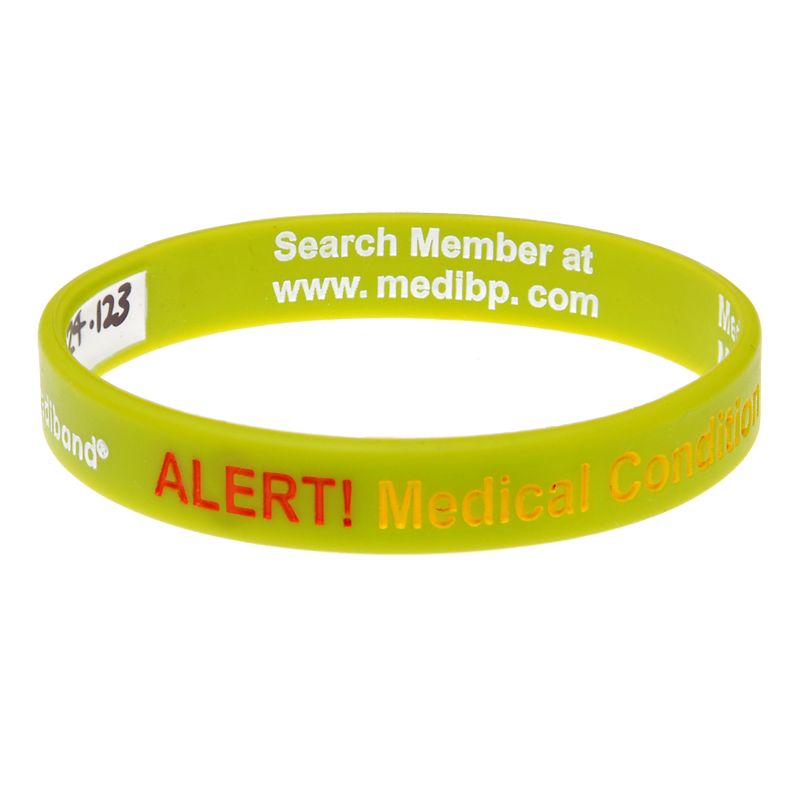
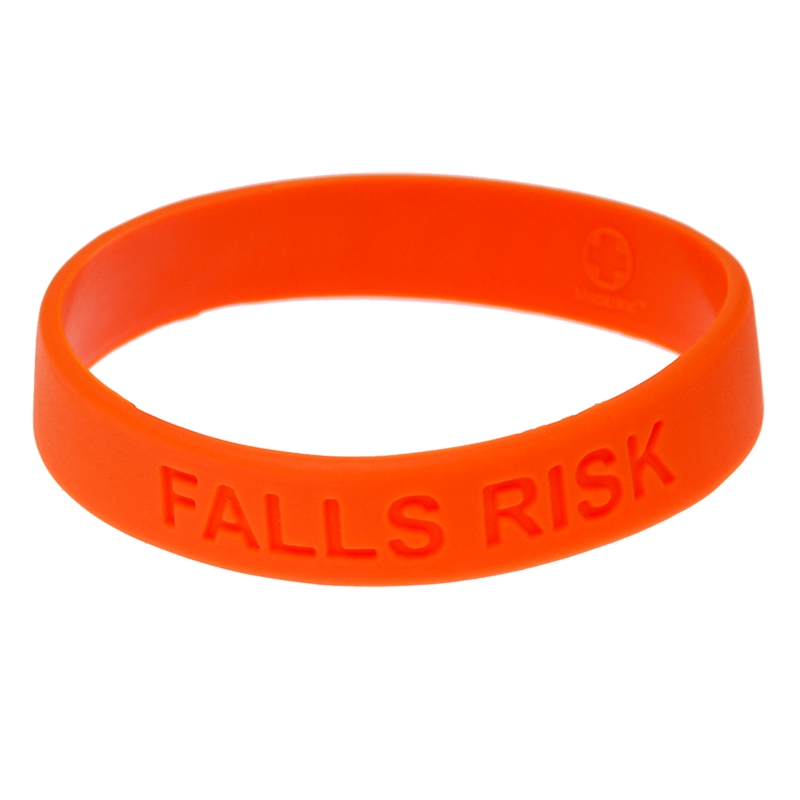
- Color-coded wristbands use different colors to alert staff to specific conditions or risks, such as fall risks, allergies, or DNR (Do Not Resuscitate) status
- Barcode and QR code wristbands incorporate scannable technology that links to comprehensive electronic medical records when scanned with compatible devices
The Importance of Patient Identification in Healthcare
Accurate patient identification forms the foundation of safe medical care. Without reliable verification methods, the entire healthcare delivery system becomes vulnerable to preventable errors that can compromise patient outcomes.
Preventing Wrong-Patient Errors
Wrong-patient errors occur when medical care intended for one person is inadvertently provided to another. These mistakes can happen during medication administration, laboratory testing, surgical procedures, or blood transfusions. Patient identification wristbands create a standardized system that requires healthcare workers to verify identity before performing any medical intervention, significantly reducing the likelihood of such errors.
Research demonstrates the tangible impact of proper identification practices. A comprehensive study published in the Journal of Patient Safety (Henneman et al., 2010) examined patient identification practices across multiple hospitals and found that consistent use of wristband verification protocols reduced identification errors by approximately 50%.
The research, available through the Agency for Healthcare Research and Quality (AHRQ), highlighted that facilities with mandatory two-identifier verification policies—typically name and date of birth from the wristband—experienced significantly fewer adverse events related to patient misidentification.
Ensuring Correct Treatment and Medication
Each patient requires individualized care based on their specific diagnosis, medical history, and current condition. Identification wristbands enable healthcare providers to quickly confirm they're administering the correct treatment to the intended recipient. This verification process is particularly crucial in settings where patients may be unable to communicate effectively, including:
- Patients under anesthesia or sedation who cannot verbally confirm their identity
- Individuals experiencing altered mental states due to medical conditions or confusion
- Non-verbal patients, including infants, young children, or those with communication disabilities
- Patients facing language barriers who may not understand identification questions
Improving Patient Safety and Compliance
Beyond preventing immediate errors, patient identification wristbands contribute to overall safety protocols. They facilitate compliance with established healthcare standards and provide a consistent method for identity verification across different departments and shifts. When every staff member follows the same identification protocol, the risk of miscommunication and oversight diminishes substantially.
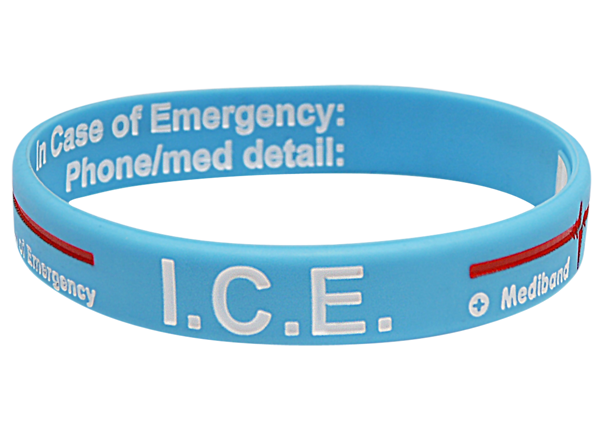
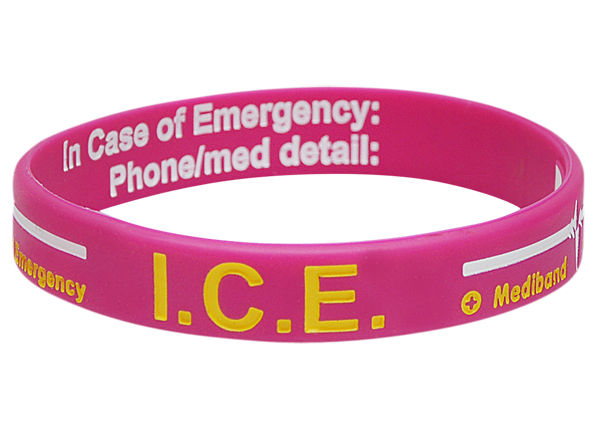
Shop Medical Identification Wristbands
Reduce the risk of medical errors — wear an identification wristband that keeps your critical health information visible at all times.
How Identification Wristbands Help Prevent Medical Errors
The practical applications of identification wristbands extend throughout the patient care continuum, creating multiple safeguards against potential mistakes.
Reducing Human Error
Healthcare professionals work in demanding environments where fatigue, distractions, and high patient volumes are common realities. Identification wristbands serve as an external memory aid, removing the burden of relying solely on verbal confirmation or visual recognition. By implementing a standard "scan or check" protocol before any medical intervention, facilities create a systematic barrier against human error.
The wristband verification process typically involves several key steps:
- Two-identifier check: Staff members verify at least two pieces of information from the wristband, such as full name and date of birth
- Patient confirmation: When possible, healthcare providers ask patients to state their name rather than confirming with a yes/no question
- Barcode scanning: For electronic systems, staff scan the wristband barcode and match it with the prescribed treatment or medication
- Documentation: Each verification is recorded in the patient's medical record to maintain an audit trail
Streamlining Workflow in Healthcare Settings
In healthcare, being efficient really matters. Decisions made quickly can often mean the difference between good and bad outcomes for patients. Patient identification wristbands help speed things up by giving immediate access to confirmed patient information. Instead of digging through charts or waiting for computer systems to load, healthcare workers can instantly check who a patient is right there when they're providing care. This doesn't make things less safe, though. It actually helps keep things moving fast and accurate at the same time.
Tracking and Verifying Patient Information in Real-Time
Modern healthcare involves constant movement—patients transfer between departments for tests, procedures, and consultations. Identification wristbands travel with patients, ensuring their identity remains verifiable regardless of location. This continuity proves especially valuable during emergencies when quick access to accurate information becomes critical for appropriate intervention.
The Role of Technology in Enhancing Identification Wristbands
Traditional printed wristbands have served healthcare well for decades, but technological integration has expanded their capabilities considerably.
Barcode and QR Code Integration
Barcode technology has transformed how healthcare facilities manage patient identification. When scanned, barcodes on patient identification wristbands instantly pull up complete medical records, including current medications, allergies, scheduled treatments, and test results. This integration reduces transcription errors and ensures healthcare providers work with the most current information available. QR codes offer similar functionality with increased data storage capacity, allowing more information to be embedded directly within the wristband code.
RFID Technology
Radio-Frequency Identification (RFID) represents another technological advancement in patient tracking. RFID-enabled wristbands contain tiny chips that transmit information wirelessly to compatible readers. This technology allows for automated patient location tracking within facilities, reducing instances of patients being in the wrong locations for procedures and providing real-time updates on patient movement throughout the healthcare system.
Benefits of RFID-enabled wristbands include:
- Automated check-in: Patients are automatically registered when entering specific departments or procedure rooms
- Asset tracking: Healthcare facilities can monitor equipment assigned to specific patients
- Workflow optimization: Real-time location data helps staff coordinate care more efficiently and reduce wait times
- Enhanced security: Alerts can be triggered if patients enter restricted areas or attempt to leave the facility unexpectedly
Smart Wristbands with Real-Time Updates
The newest generation of identification wristbands incorporates smart technology that can display changing information. These advanced bands can show updated allergy information, current vital signs, or alerts about new care requirements.
While still emerging in adoption, smart wristbands represent the potential future of patient identification, where the band itself becomes an interactive healthcare tool rather than simply a static identifier.
Conclusion
It's pretty amazing how something as simple as an identification wristband shows that good healthcare solutions don't always need to be complicated. These bands offer a straightforward, dependable way to confirm a patient's identity. They act as a basic but crucial protection against medical mistakes that could otherwise mess with patient safety and the accuracy of treatments.
You've got everything from basic printed bands to fancy smart tech now. Patient identification wristbands have changed to keep up with healthcare's evolving needs. But they've stuck to their main job: making sure the right patient gets the right care at the right time.
Healthcare systems are really focused on patient safety and getting better. Because of that, these little but powerful tools will keep being a key part of stopping errors. As they keep changing, with new technology and standard rules, they'll probably offer even more protection for patients. They'll also help out the healthcare workers who are working so hard to give safe, effective care.
Frequently Asked Questions
What information is typically included on a hospital identification wristband?
Hospital wristbands display the patient name, date of birth, medical record number, and a barcode or QR code linked to their electronic health record. Some wristbands also include allergy alerts, blood type, or fall-risk indicators using colour-coded systems to help staff identify critical information at a glance.
What do the different wristband colours mean in hospitals?
Colour coding varies by hospital, but common Australian standards include red for allergies, yellow for fall risk, purple for do-not-resuscitate orders, and pink for restricted limb (no blood pressure or IV on that arm). White is the standard identification band. Always check your hospital specific colour-coding policy.
Can patients refuse to wear an identification wristband?
Patients have the right to refuse, but healthcare staff will strongly advise against it. Without a wristband, the risk of identification errors increases significantly — potentially leading to wrong medication, missed allergies, or incorrect procedures. Most hospitals require wristbands as part of their patient safety protocols.
How do identification wristbands prevent medication errors?
Before administering any medication, nurses scan the patient wristband barcode and cross-reference it with the prescribed drug in the electronic system. This two-step verification catches mismatches in patient identity, dosage, or medication type — preventing errors that could otherwise go unnoticed in busy wards.
Are hospital identification wristbands waterproof?
Most modern hospital wristbands are water-resistant and designed to withstand showering, handwashing, and general wear during a hospital stay. The printing is typically thermal or laser-based to prevent smudging. However, prolonged submersion can degrade some materials, so patients should avoid soaking the wristband.

Share on Facebook

Share on X

Share on Pinterest
Comment(s)
Recent Posts

The Risk Of Not Wearing An Allergy Medical Alert Bracelet
March 23, 2026