CPR Face Shield Keyring: Compact Protection for Life-Threatening Situations
February 06, 2026
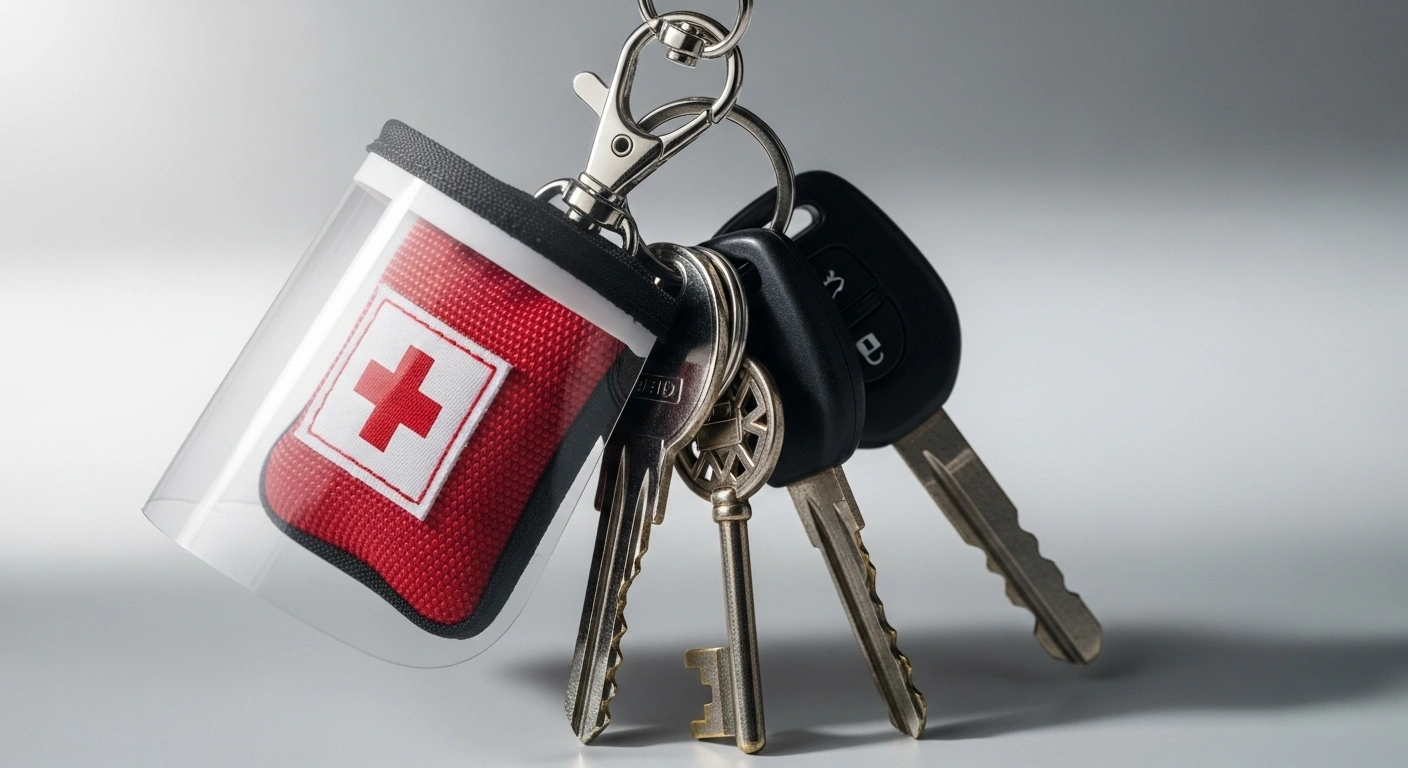
Every day, people walk out the door carrying their keys without giving them a second thought. They're just keys. But what if those same keys could carry something capable of saving a life? That's exactly the idea behind the St John Ambulance CPR face shield keyring — a small, unassuming device that clips right onto your keychain and gives you the means to perform CPR safely, wherever you happen to be. No bag. No kit. No searching. Just immediate, pocket-ready protection when someone needs it most.
What Is a CPR Face Shield Keyring?
The St John Ambulance CPR face shield keyring, available through Mediband Australia, is a compact barrier device designed to protect both the rescuer and the victim during mouth-to-mouth resuscitation. It comes in a small sealed casing that attaches directly to a keyring, making it something you carry every single day without it ever getting in the way.
Definition and Function
Inside the casing is a thin, flexible face shield fitted with a one-way filter valve. That valve does two important things: it lets air flow from the rescuer into the victim's lungs, and it blocks any backward flow of saliva or breath. The shield itself unfolds to cover the victim's mouth and nose, creating a physical barrier that allows rescue breathing to happen safely and more confidently.
It's the kind of tool that's easy to overlook until the moment you actually need it — and in that moment, it's worth everything.
Key Features
The St John Ambulance keyring cpr mask face shield is built with simplicity and speed in mind. Key features include:
- A one-way valve that prevents cross-contamination between the rescuer and the victim
- A thin, transparent film so you can see the victim's face clearly while performing CPR
- A compact, sealed casing that sits neatly on a keychain, bag, or pocket without bulk
Single-use design to maintain hygiene standards during emergencies
How It Differs from Other CPR Equipment
Professional CPR masks and bag-valve-mask devices are designed for trained healthcare workers — they're larger, more technical, and not practical for everyday carry. The St John Ambulance CPR face shield keyring sits in a completely different category. It's designed for everyday people who've had basic CPR training and want to be genuinely useful in an emergency without hauling around specialist equipment. It's the difference between being prepared and being caught off guard.
Why You Need a CPR Face Shield Keyring in Emergencies
Immediate Access to Protection
The entire value of this device depends on it being with you. A face shield sitting in a first aid kit at the office, or in the glove box of a car parked three blocks away, is not going to help when someone collapses in front of you at the supermarket. A cpr face shield keyring on your actual keys — the thing you carry everywhere — is a completely different story.
Seconds matter in cardiac arrest. The brain begins to suffer from lack of oxygen faster than most people realize. Every moment spent searching for equipment is a moment that counts. Having this on your keychain means zero delay between recognizing the emergency and being ready to respond.
Avoiding Cross-Contamination
Rescue breathing puts you in very close contact with another person's airway — someone whose health history you almost certainly don't know. Without any barrier, both parties are exposed to each other's saliva and breath, which naturally makes people hesitant.
A published bench evaluation study on PubMed tested three face shield CPR barrier devices — including a keyring-style model called the Res-Cue Key — and found that face shields with one-way valves effectively prevented backward gas leakage. The protection these shields offer isn't just a marketing claim; it's been tested and measured under controlled conditions. The St John Ambulance keyring cpr mask face shield follows the same design principle: a one-way valve that works.
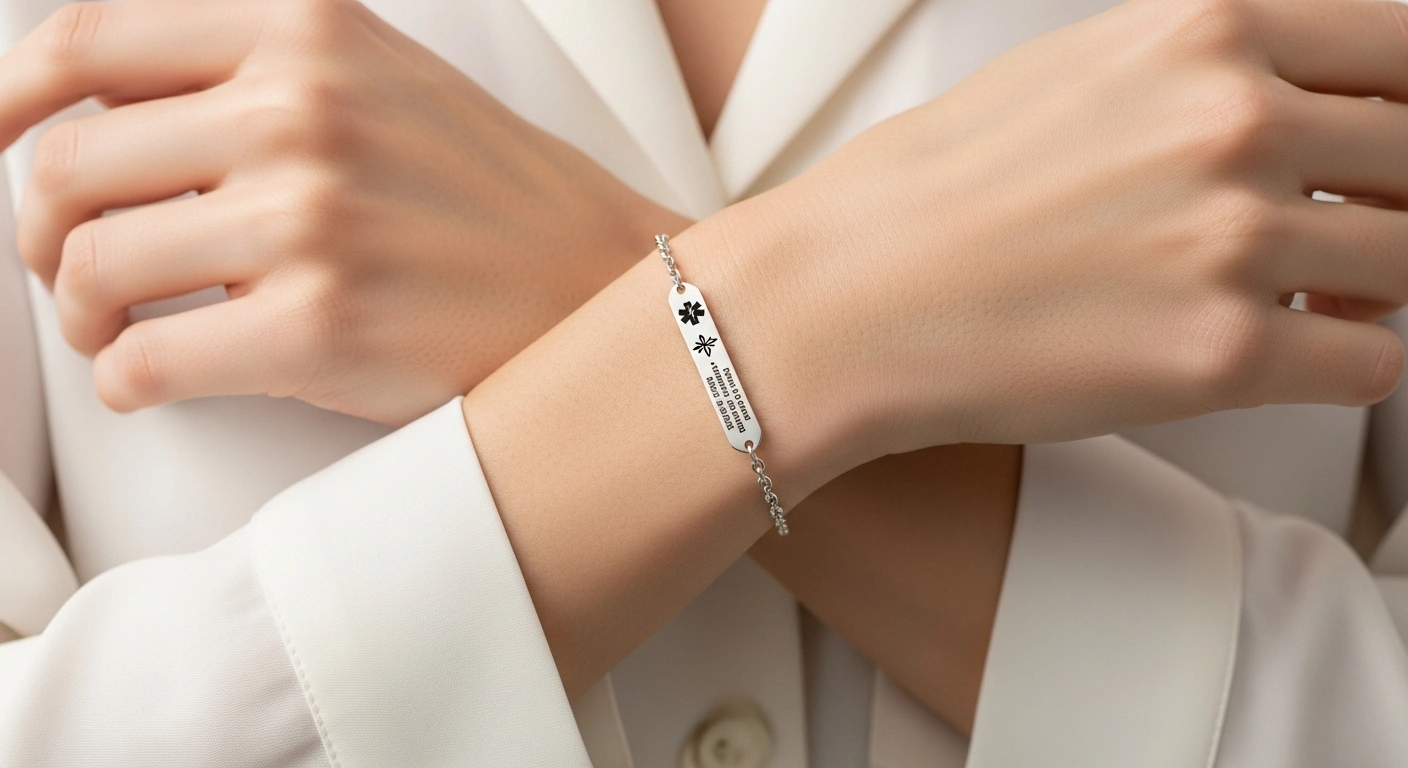
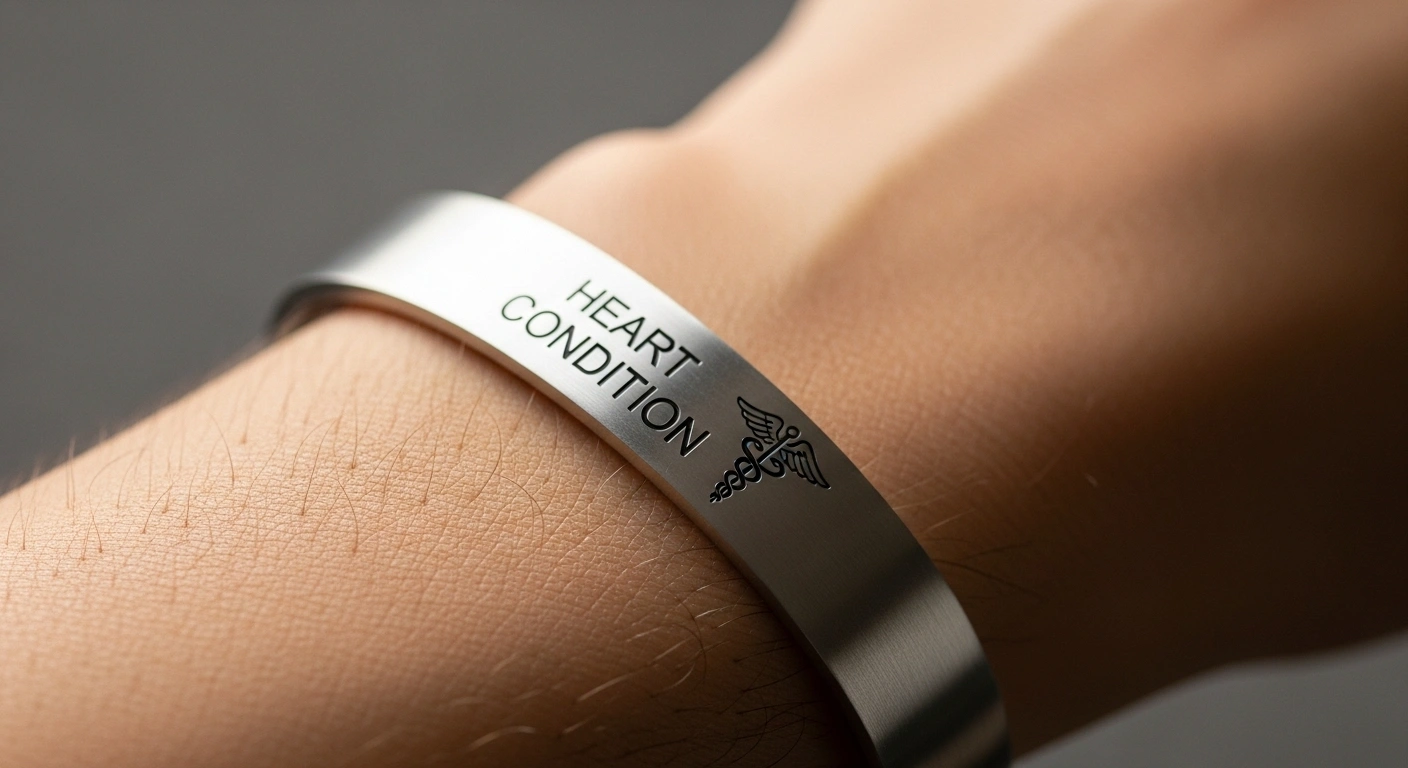
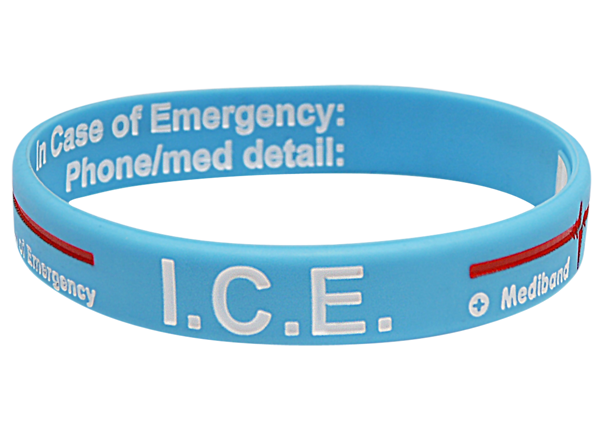
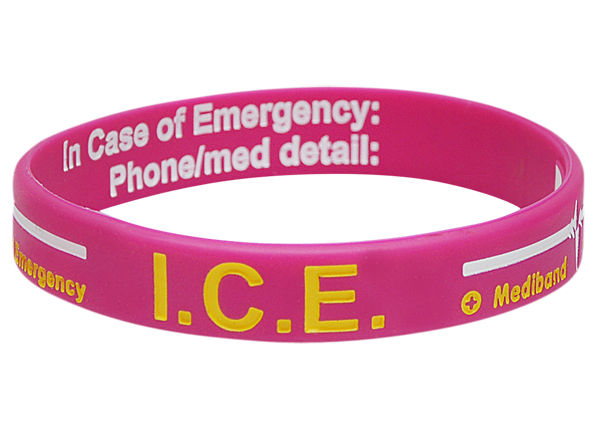
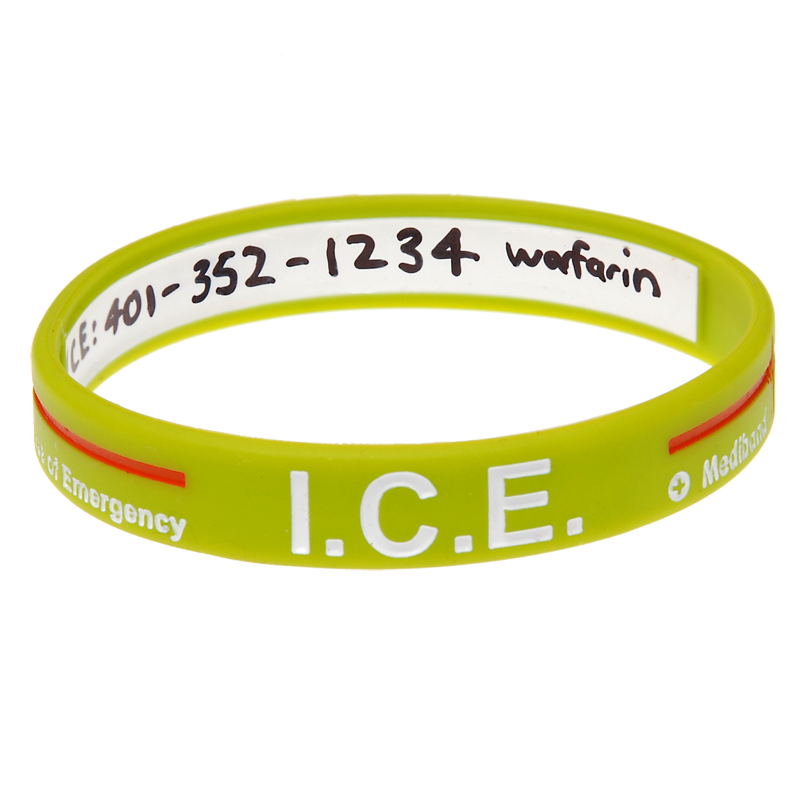
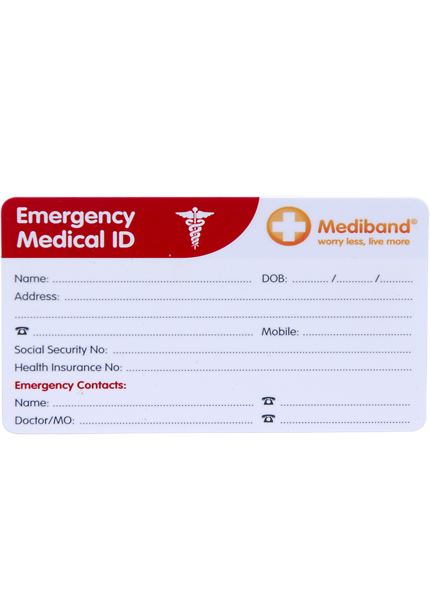
Be Ready for Any Emergency — Wear Your Medical ID
Pair your CPR preparedness with a medical alert bracelet — give first responders the information they need to help you fast.
The Importance of Being Prepared with CPR Tools
CPR and First Aid Readiness
St John Ambulance is one of the most trusted names in first aid training and equipment in Australia and worldwide. The fact that this CPR face shield keyring is a St John product matters — it reflects a standard of quality and a genuine commitment to community preparedness. Carrying this device is an extension of the same mindset that motivates people to take a first aid course: the belief that being ready to help is worth something.
First aid readiness isn't about being a hero. It's about being the person who doesn't freeze because they don't have what they need. A cpr face shield keyring is a small investment in that kind of readiness — one that takes up no space and costs very little.
Public Access Defibrillators and CPR
The face shield keyring works best as part of a broader emergency response — alongside calling 000 (or your local emergency number) and using an Automated External Defibrillator (AED) if one is nearby. AEDs are now widely available in public places across Australia, including shopping centers, gyms, airports, and schools.
A 2020 study published in The Lancet Public Health examined the combined effect of bystander-focused interventions in Singapore — including CPR training programs, improved emergency dispatch support, and a first responder mobile app — and found that these community-level efforts meaningfully increased the likelihood of layperson bystander CPR being performed. The lesson is consistent: when people have the right tools and knowledge, they act. A keyring cpr mask face shield is one of those tools.
Real-World Scenarios
Cardiac emergencies don't happen in convenient places. They happen at the beach, in a shopping mall, at a community football game, or during a family gathering. In none of those settings is there likely to be a paramedic within reach for the first critical minutes. The person who steps in is whoever is standing nearby. Carrying the St John Ambulance CPR face shield keyring means that if that person is you, you're at least equipped to act — and to act safely.
How to Use the CPR Face Shield Keyring in an Emergency
The St John Ambulance CPR face shield keyring is designed to be quick and straightforward to use, even under pressure. If you've completed basic CPR training, the device fits naturally into what you've already learned.
Step-by-Step Guide
Here's how to use it when it matters:
- Call for emergency help immediately. Call 000 in Australia (or your local emergency number) before starting CPR, or ask someone nearby to make the call while you prepare.
- Open the casing and unfold the shield. The device opens quickly — pull it out and unfold the face shield fully before placing it on the victim.
- Position the person on their back. Make sure they're on a flat, firm surface. Gently tilt the head back to open the airway.
- Place the shield over the victim's mouth and nose. Centre the one-way valve over the mouth and press the edges of the shield down firmly to create a seal.
- Give rescue breaths through the valve. Breathe in slowly and steadily, watching for the chest to rise with each breath.
- Alternate with chest compressions. Follow standard CPR guidelines — if trained, perform 30 chest compressions followed by 2 rescue breaths, and continue until help arrives.
Safety Tips
A few things worth keeping in mind:
- Store the shield in its original sealed casing until use — this keeps it hygienic and ready
- The face shield is a single-use device; dispose of it properly after use
- If you haven't been trained in rescue breathing, hands-only CPR (chest compressions without breaths) is still highly effective and recommended by major health organizations for untrained bystanders
When to Use the Face Shield
Use the face shield when someone is unresponsive and not breathing normally. If the person is breathing, even shallowly, CPR is not required. When in doubt, call 000 first and follow the operator's instructions — they're trained to guide you through the process in real time. The face shield is there to make the rescue breathing part of CPR safer and easier to commit to.
Final Thoughts
Cardiac arrest can happen to anyone, at any age, in any place. What happens in the minutes immediately after makes an enormous difference to whether that person survives and how well they recover. The St John Ambulance CPR face shield keyring — available for just $11.69 AUD through Mediband — is one of the most practical, low-effort things a person can add to their everyday carry.
It doesn't make you a paramedic. It doesn't replace proper first aid training. But it does remove one of the most common reasons people hesitate to help — and in those critical moments, removing hesitation can be everything.
If you carry keys, you can carry a cpr face shield keyring. And if you ever find yourself the only person standing between someone and irreversible harm, you'll be glad you did.
Frequently Asked Questions
What is a CPR face shield keyring?
A CPR face shield keyring is a compact, portable barrier device that attaches to your keys. It provides a protective layer between the rescuer and the person receiving CPR, preventing direct contact with bodily fluids while allowing effective rescue breaths during cardiac emergencies.
Is a CPR face shield keyring reusable?
Most CPR face shield keyrings are designed for single use only. After performing CPR, the shield should be disposed of safely due to contamination risk. Replacement shields are affordable and readily available, so keeping a spare is always recommended for ongoing preparedness.
Do you need CPR training to use a face shield?
While CPR training is strongly recommended, a face shield can be used by anyone attempting rescue breaths. According to the Australian Resuscitation Council, even untrained bystanders can save lives by performing compression-only CPR. A face shield simply adds protection if you choose to give breaths.
Where should I carry a CPR face shield keyring?
Attach it to your everyday keychain, gym bag, backpack, or car keys. The compact design means it fits anywhere you already carry essentials. First aid instructors in Australia recommend keeping one accessible at all times, especially if you work in healthcare, education, or community services.
Can a CPR face shield prevent disease transmission?
Yes. A CPR face shield acts as a barrier against saliva, blood, and other bodily fluids during rescue breathing. While the risk of disease transmission during CPR is statistically low, a face shield provides an important layer of protection that encourages bystanders to act confidently in emergencies.

Share on Facebook

Share on X

Share on Pinterest
Comment(s)
Recent Posts
The Risk Of Not Wearing An Allergy Medical Alert Bracelet
March 23, 2026