Medical Supply Preparedness: How to Build an Emergency Health Kit
February 15, 2021

Emergencies come in many forms — natural disasters, power outages, accidents, sudden illness. For people managing chronic health conditions, the disruption of normal medical routines during an emergency can be dangerous. Building a well-stocked emergency medical supply kit is one of the most important steps any person with a health condition can take.
According to Ready.gov, emergency kits should be tailored to individual medical needs — standard kits do not account for prescription medications, medical devices, or condition-specific supplies.
Why People with Health Conditions Need a Dedicated Emergency Kit
General emergency preparedness advice covers food, water, and first aid. But for someone with diabetes, severe allergies, asthma, epilepsy, or a heart condition, the stakes during any disruption to routine care are significantly higher. Medication gaps, lack of refrigeration for insulin, missing an EpiPen, or first responders not knowing your condition can all have serious consequences.
What to Include in Your Emergency Medical Kit
Medications
Keep a minimum 5-day supply (preferably 7 days) of all prescription medications in a waterproof, labelled container. Rotate stock regularly so medications do not expire. Include: all daily medications, emergency medications (EpiPen, fast-acting glucose, nitroglycerin, rescue inhaler), a written list of all medications including generic names, dosages, and prescribing doctor.
Medical Documentation
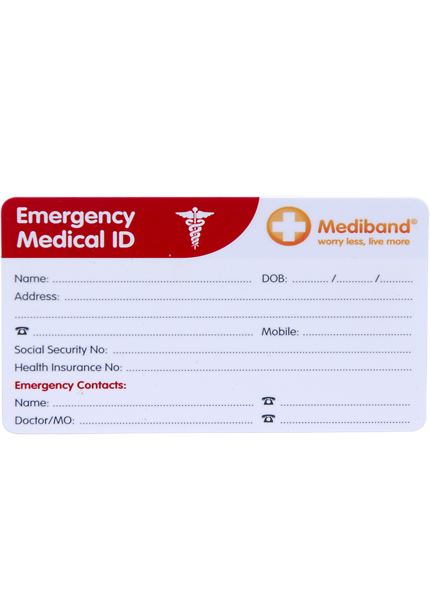
In an emergency, you may need to receive care from unfamiliar medical providers. An emergency information wallet card listing your diagnoses, medications, allergies, and emergency contacts ensures this information is always accessible. Include printed copies of your prescriptions and insurance documentation in a waterproof folder.
Medical Alert Identification
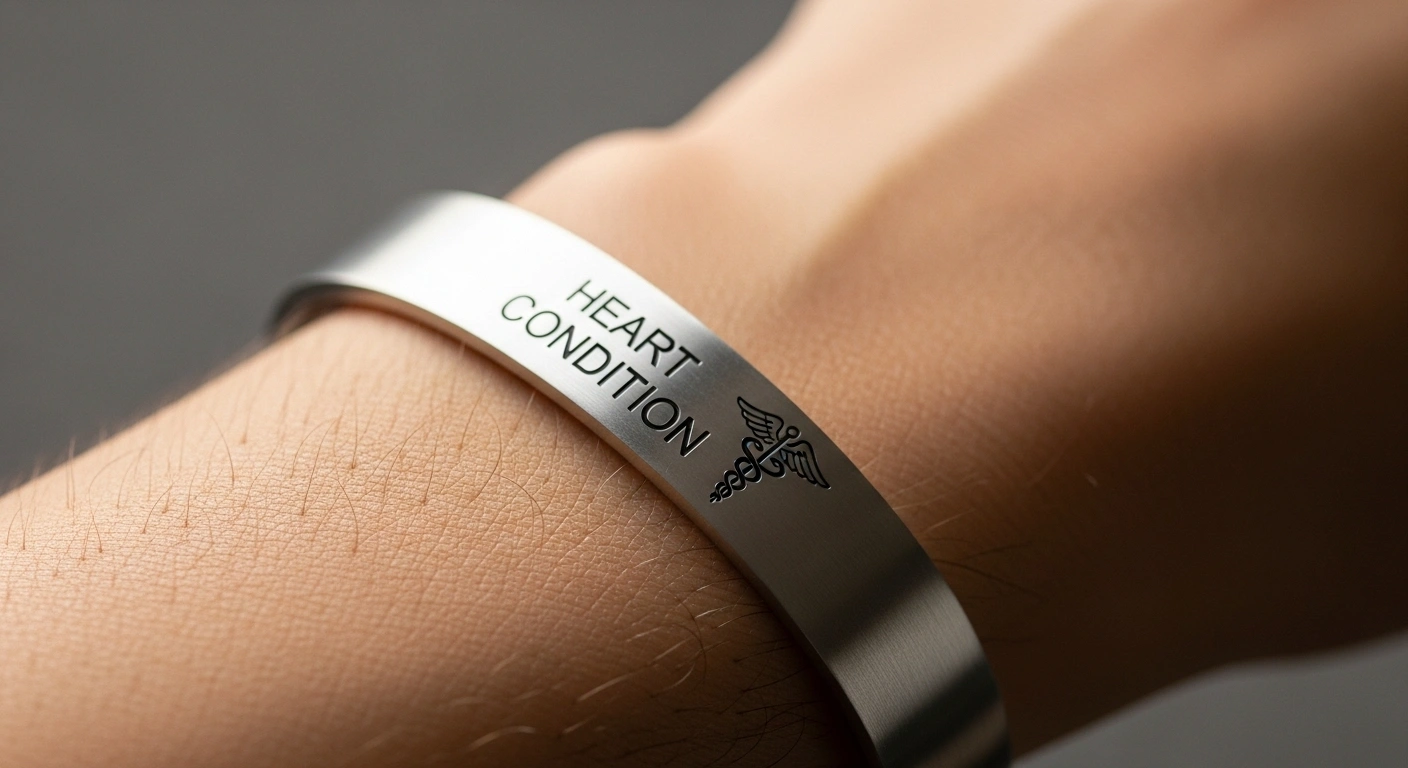
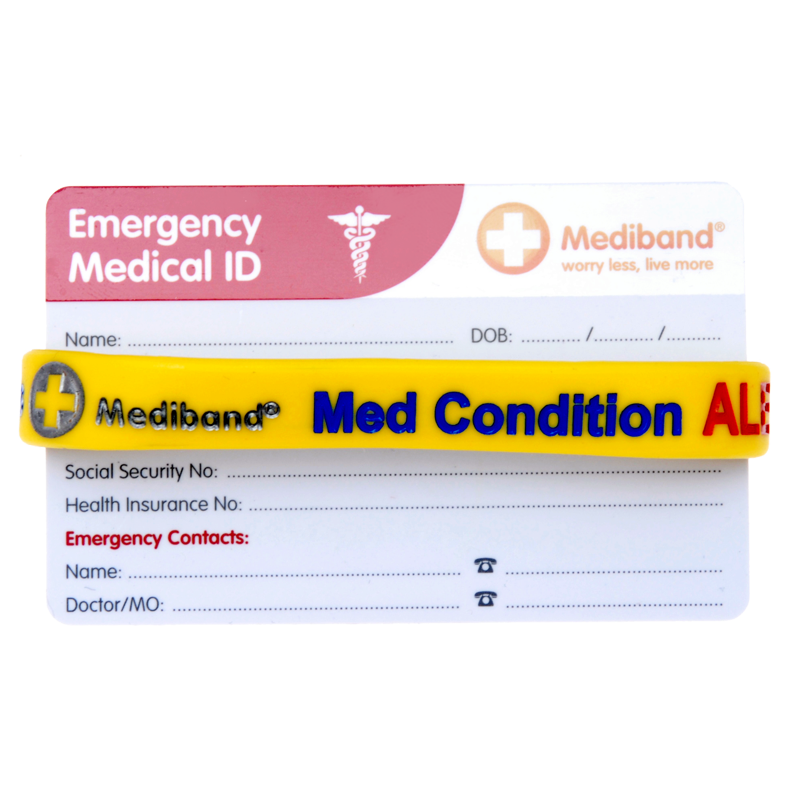
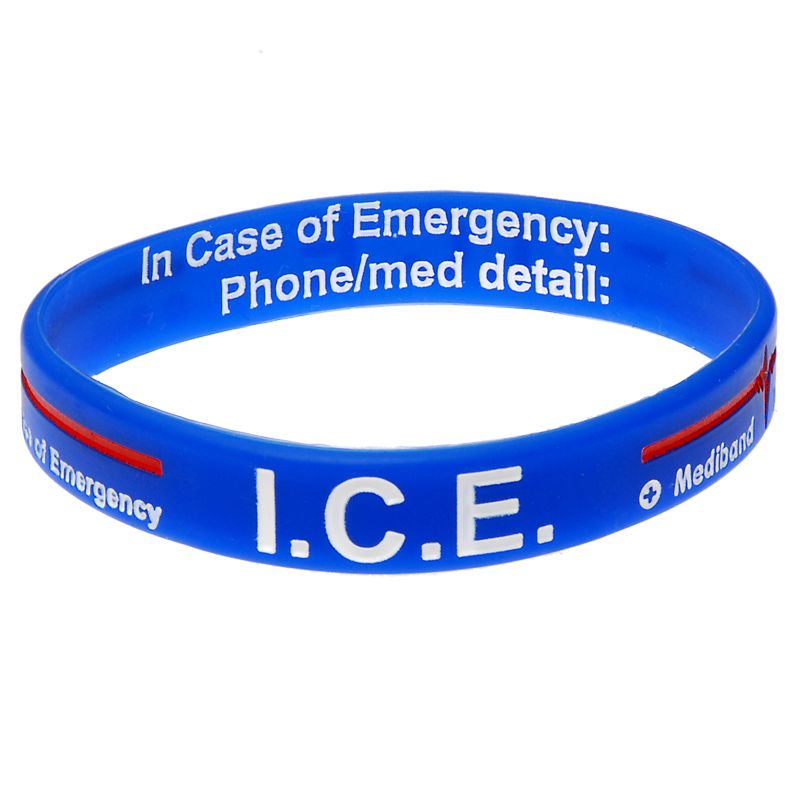
An emergency is not the time to wonder whether a responder knows about your condition. An ICE (In Case of Emergency) bracelet ensures your emergency contact is always on your wrist. A bracelet and wallet card combo pack provides a complete identification solution. For specific conditions, pre-engraved options like allergy, diabetes, and asthma alert bracelets are immediately understood by emergency responders.
Medical Devices and Accessories
Include spare batteries or charging cables for any battery-powered medical devices. If possible, identify a manual backup for power-dependent devices such as CPAP machines or insulin pumps.
First Aid Supplies
A well-stocked first aid kit includes: adhesive bandages in assorted sizes, sterile gauze and bandages, antiseptic wipes and cream, medical scissors and tweezers, disposable gloves, a digital thermometer, and any wound care products required for your specific conditions.
Organising and Maintaining Your Kit
Storage
Store your kit in a sturdy, waterproof container. Keep one at home and a smaller version in your car or bag. Choose a location that is easy to access quickly but away from extreme heat or moisture.
Regular Reviews
Set a reminder to check your kit every 6 months. Replace expired medications, update your medical documentation, and replace any used supplies. A good time to review is when clocks change or during an annual check-up.
Share Your Plan
Ensure a trusted person — family member, carer, or neighbour — knows where your kit is kept and understands your medical needs. In some emergencies, someone else may need to retrieve and use your kit on your behalf.
Condition-Specific Supply Checklists
Diabetes: insulin and syringes/pens, glucose meter and strips, fast-acting glucose (tablets or gel), glucagon emergency kit if prescribed, cool pack for insulin storage. Severe Allergies/Anaphylaxis: two EpiPens (or equivalent), antihistamines, written allergy action plan. Asthma: rescue inhaler, spacer, written asthma action plan, preventer inhaler. Heart Conditions: all cardiac medications, a list of your cardiologist's contact details.
Emergency Medical Identification — Be Ready for Anything
The right ID ensures responders act correctly from the first moment.
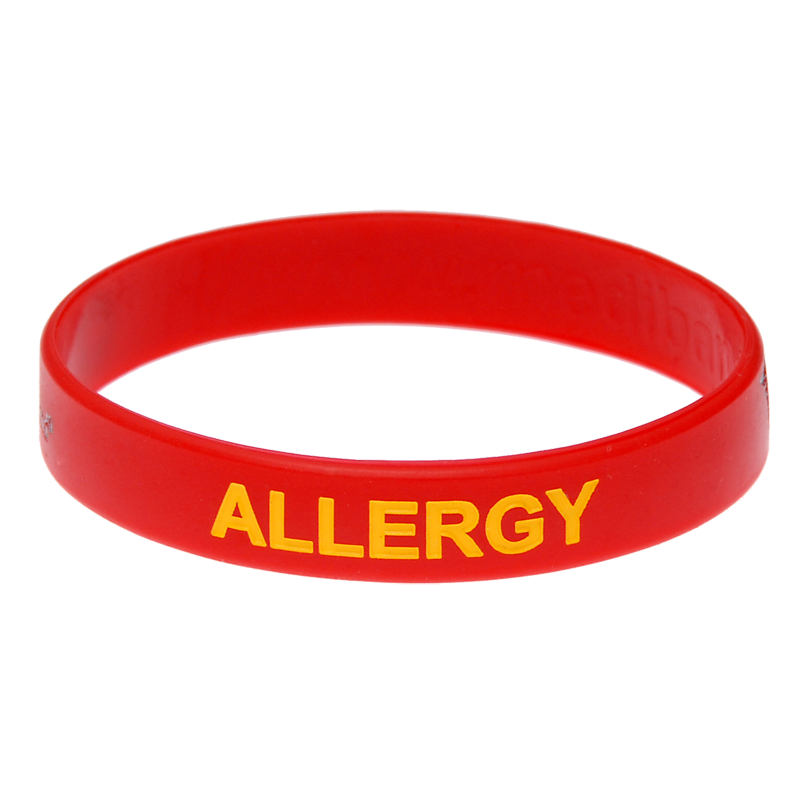
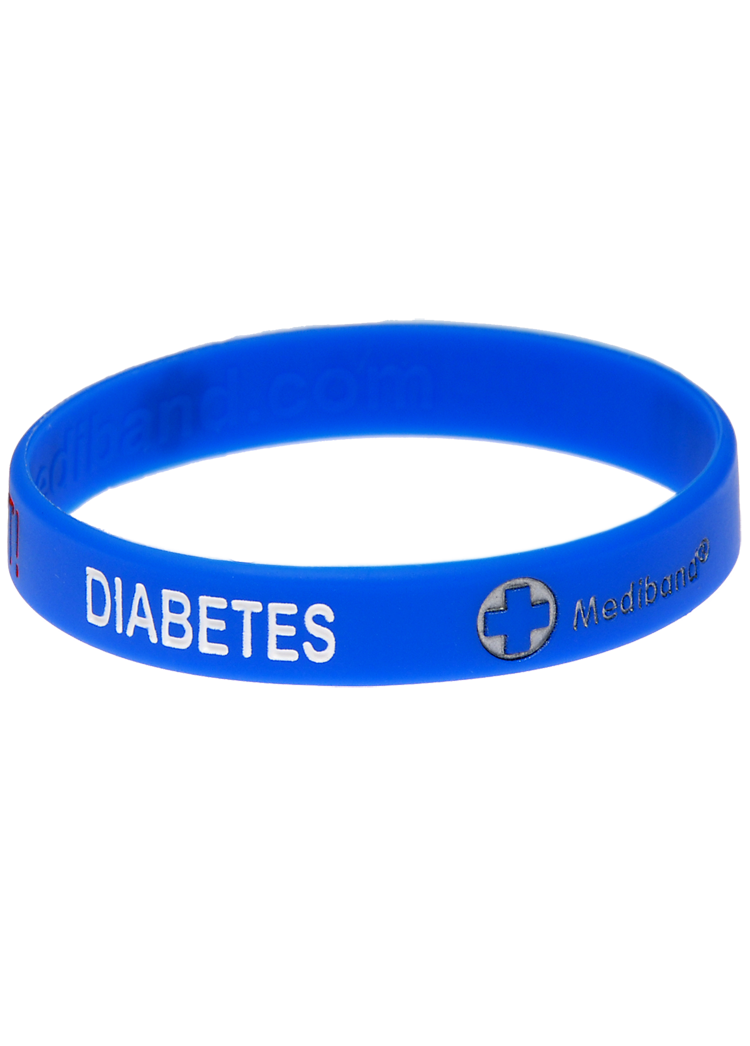
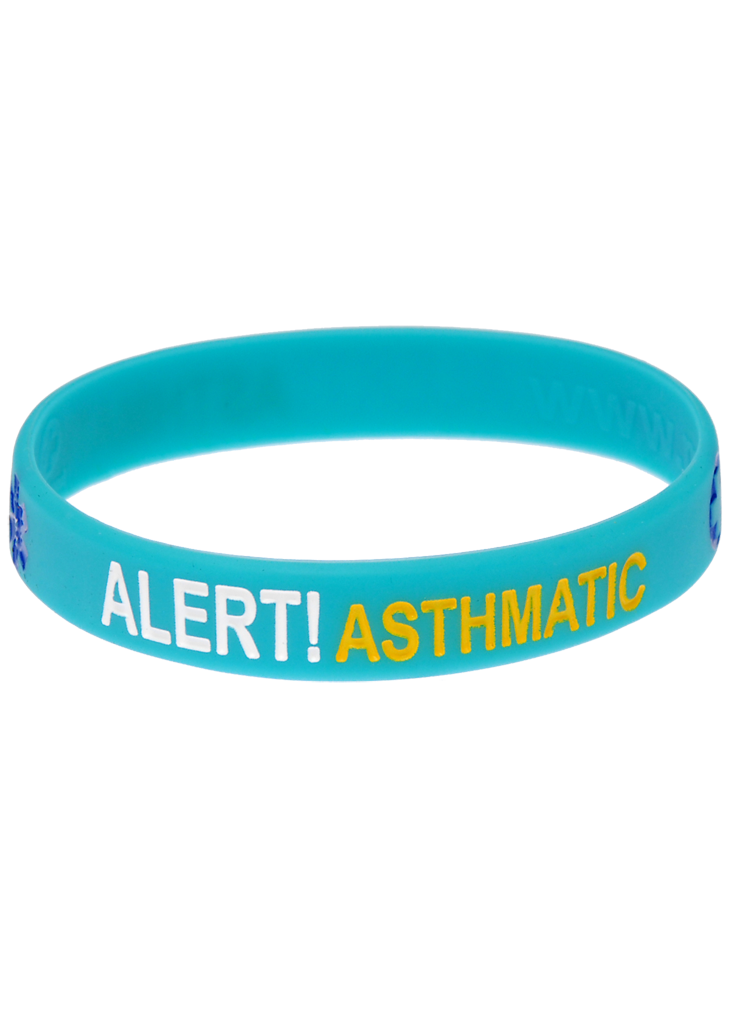
Building an emergency medical kit is a practical, achievable project that could save your life. Start today — gather your medications, prepare your documentation, and choose the right medical identification. When an emergency happens, you will be ready.
Frequently Asked Questions
What medications should I keep in an emergency kit?
Keep a minimum 5-7 day supply of all prescription medications, plus emergency medications such as EpiPens, fast-acting glucose, rescue inhalers, and nitroglycerin. Include a written list of all medications with dosages and prescribing doctor details.
How often should I check and update my emergency medical kit?
Check your kit every 6 months — replace expired medications, update your medical documentation, and replenish used supplies. Link this review to a calendar reminder such as a seasonal clock change or annual check-up.
Why is medical identification important in an emergency kit plan?
First responders often encounter patients who cannot communicate their medical history. A medical alert bracelet and emergency wallet card ensure your conditions, allergies, and treatment requirements are immediately known, enabling faster and safer care.
Should I keep a copy of my prescriptions in my emergency kit?
Yes. Printed prescription copies allow medical providers in unfamiliar locations to access and supply your medications during or after an emergency. Store them in a waterproof folder alongside your emergency wallet card.

Share on Facebook

Share on X

Share on Pinterest
Comment(s)
Recent Posts
The Risk Of Not Wearing An Allergy Medical Alert Bracelet
March 23, 2026