Keeping Allergy-Affected Children Safe — An Australian Parent's 2025 Guide

By Michael Randall · Founder, Mediband
Medically reviewed · Updated May 2025 · 10 min read
Medically reviewed · Updated May 2025 · 10 min read
Keeping Allergy-Affected Children Safe — An Australian Parent's 2025 Guide
Updated May 2025. One in 20 Australian children now lives with a diagnosed food allergy — the highest paediatric allergy rate in the world (ASCIA 2024). For families, every day involves navigating school excursions, playgrounds, birthday parties, sporting events, and sleepovers with a level of vigilance that most parents never have to think about. The good news: with the right systems, allergic kids live full, confident, normal childhoods.
This guide is the practical, evidence-based Australian playbook for keeping allergy-affected children safe at every age stage. Drawn from ASCIA Action Plans, Allergy and Anaphylaxis Australia resources, and 17 years of Mediband customer feedback.
The Australian Childhood Allergy Snapshot
2024 ASCIA + Sydney Children’s Hospital data:
- 1 in 20 Australian children has a diagnosed food allergy — the highest paediatric rate globally
- $24 million annual Australian healthcare cost of paediatric anaphylaxis
- EpiPen prescriptions up 24% in the last decade among Australian primary-age kids
- 27% spike in paediatric anaphylaxis ED presentations on Halloween night (2018-2024 data)
- 6 minutes faster — the average time gain in emergency treatment when an allergic child wears a visible medical alert bracelet
The Six Layers of Allergy Safety
Safe allergy management isn’t one thing — it’s six layered defences working together:
- 1. Diagnosis — formal allergy testing by an Australian-registered immunologist (skin prick, IgE blood test, food challenge if indicated)
- 2. Written Action Plan — the ASCIA Anaphylaxis Action Plan, printed and shared
- 3. EpiPen / Anapen — prescribed, in date, carried with the child every day
- 4. Visible Alert — a kids allergy alert bracelet worn always
- 5. Adult Awareness — teachers, coaches, friends’ parents all briefed
- 6. Child Education — age-appropriate teaching from the very first diagnosis
Age-Appropriate Allergy Conversations
What you teach the child evolves with their age:
- Ages 2-4 — teach them to never eat anything Mum or Dad hasn’t okayed. Use simple language: “That food makes you sick.”
- Ages 5-7 — teach them to read packaging labels (with help), wear the bracelet always, tell an adult immediately if they feel funny
- Ages 8-11 — show them how to read ingredient lists themselves, recognise early anaphylaxis symptoms, ask before accepting any food
- Ages 12+ — full self-management. They carry their own EpiPen. They know how to use it. They explain their allergy to teachers and friends.
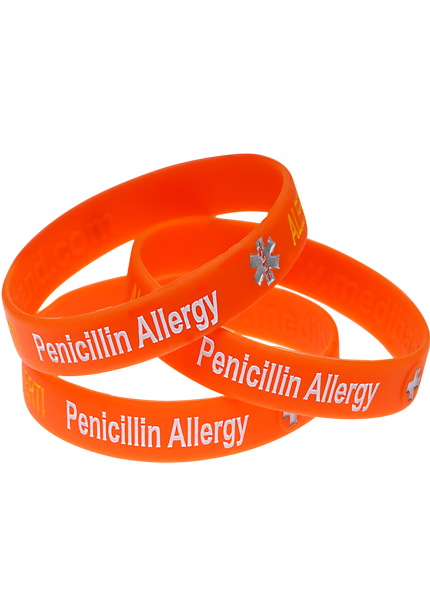
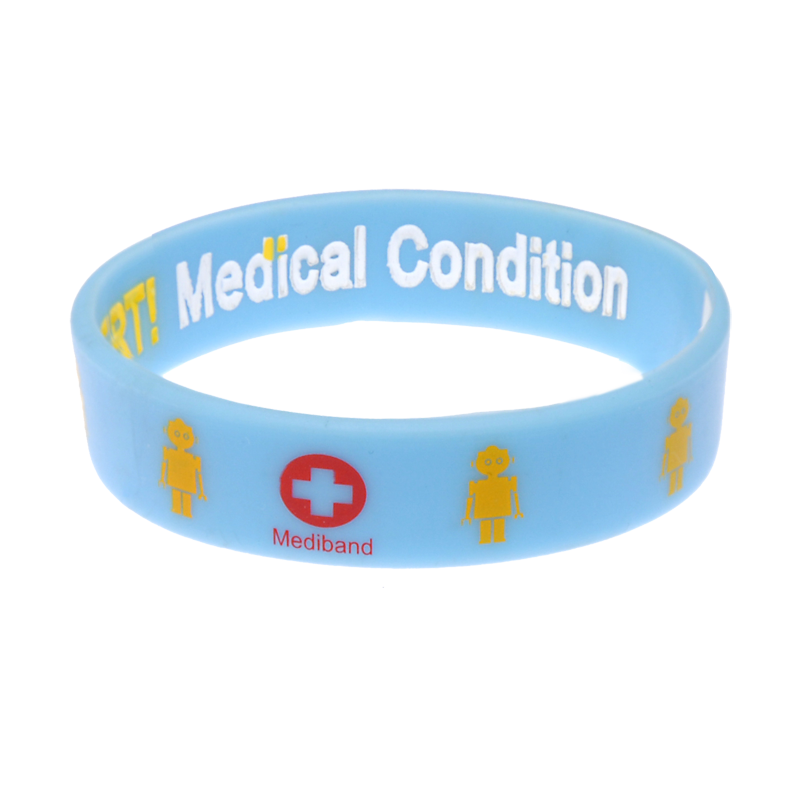
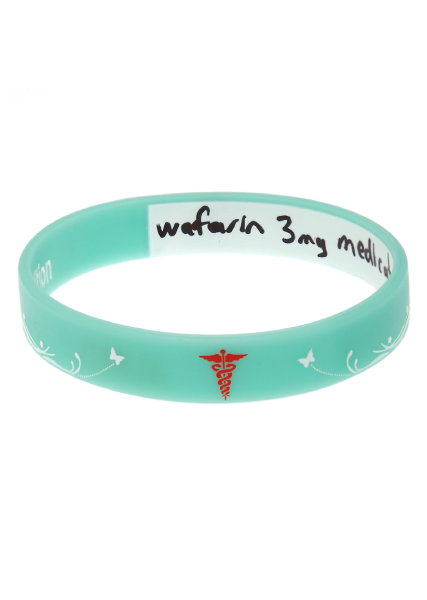
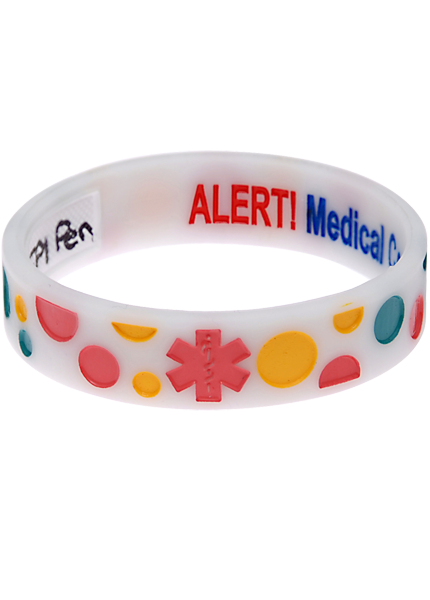
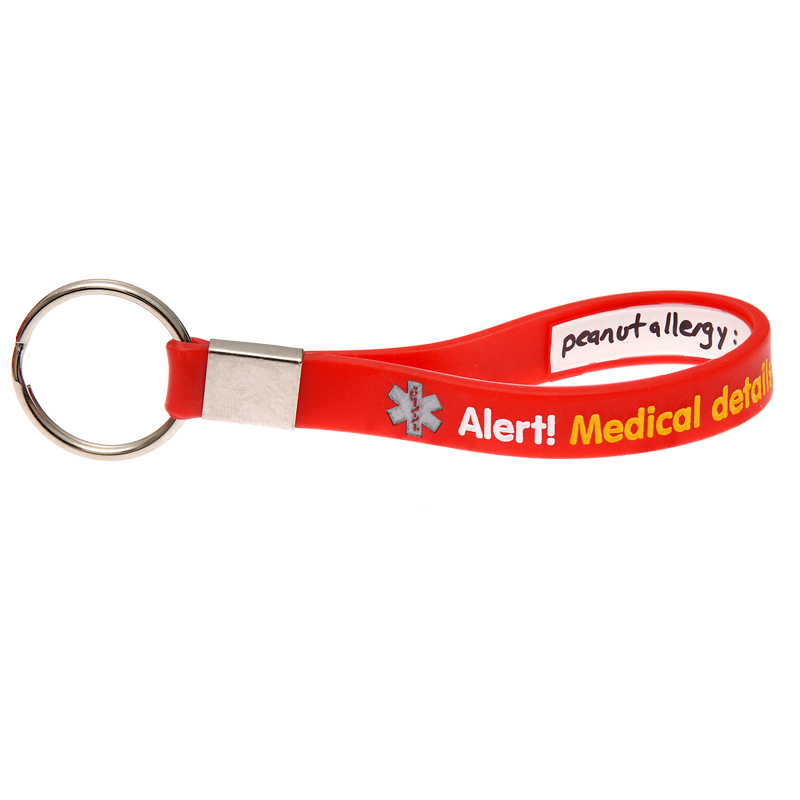
Kids Allergy Alert Bracelets — Australia
Soft silicone, waterproof, designs Australian kids actually wear. Trusted by school nurses + paramedics.

The Six Most Common Australian Childhood Allergens
- Peanut — ~3% of Australian kids; most common cause of paediatric anaphylaxis
- Tree nuts (almond, cashew, walnut, etc.) — ~2%
- Egg — ~9% of infants, dropping to ~2% by school age
- Cow’s milk — ~3% of infants, most outgrow by 5
- Wheat / gluten — less common, may be coeliac disease (different mechanism)
- Sesame — rising fast; common in modern Australian diets
Less common but serious: shellfish, fish, soy, lupin. ALL 10 of these are now compulsory bolded allergens on Australian food labels under FSANZ rules.
Anaphylaxis Symptoms Every Carer Should Know
Severe symptoms requiring IMMEDIATE EpiPen + 000:
- Difficulty / noisy breathing
- Swelling of tongue / throat tightness
- Wheeze, persistent cough
- Difficulty talking / hoarse voice
- Pale and floppy (in young children)
- Collapse / loss of consciousness
- Severe abdominal pain + vomiting
Action: lay the child flat (NOT standing), administer EpiPen at first sign, call 000, give a second EpiPen after 5 minutes if no improvement.
Safety at School — The 7-Point Checklist
- Provide an ASCIA Action Plan to the school office + classroom teacher at the start of every term
- Confirm the school has at least 2 in-date EpiPens for general use
- Brief the canteen staff on what your child can / can’t eat
- Check the school’s nut-free / sesame-free policy
- Ensure the child wears a visible food allergy bracelet daily
- Talk to the PE teacher about exercise-induced reactions
- Brief the librarian / yard duty teachers — allergies happen anywhere
Safety at Birthday Parties + Sleepovers
Three rules:
- Always brief the host parent in person (not text)
- Send safe food — matching-looking cake + snacks so child doesn’t feel left out
- EpiPen + Action Plan + bracelet all travel with the child
Safety at Sport + Camp
Australian school camps + sport events are higher-risk environments. Pre-camp:
- Send a one-page allergy briefing 2 weeks before
- Confirm the camp’s anaphylaxis training
- Pack a labelled allergy kit (EpiPen ×2, antihistamine, Action Plan, contact card)
- For multi-day camps, request to speak with the camp medical officer
- Make sure the bracelet is on, sized correctly, readable
Travel With Allergic Kids
- Carry 2-3 EpiPens (one in carry-on, one in checked luggage, one on the child)
- Allergy translation cards for international travel (ASCIA + Allergy & Anaphylaxis Australia publish free templates)
- Research nearest hospitals to your accommodation
- Travel insurance must declare the allergy
- Most major Australian airlines (Qantas, Virgin) accommodate nut-free meals with 48-72 hour notice
The Allergy Bracelet — Non-Negotiable
If a child has an EpiPen prescription, they need a visible allergy alert bracelet on at all times. Reasons:
- School excursion supervisors don’t always know your child’s allergy status
- Australian paramedic protocol checks wrists in first 30 seconds — 6 minutes faster treatment
- Other parents at school events can spot the bracelet before sharing food
- The child can show the bracelet themselves to friends and adults
What to engrave: the specific allergen (Peanut, Egg, Multi-Allergy), "Anaphylaxis" if relevant, child’s first name, parent’s mobile.
Common Mistakes Australian Parents Make
- Removing the bracelet at home or on quiet days (allergic reactions happen anywhere)
- Not updating the bracelet when emergency contact numbers change
- Assuming “may contain traces” warnings are reliable (they’re voluntary in Australia)
- Not briefing all carers thoroughly (grandparents, neighbours, regular sitters)
- Letting an older child go without a bracelet because they "find it embarrassing" — let them pick the design instead
- Skipping the annual specialist review — allergies can change with age
For Newly-Diagnosed Families
The week after diagnosis is overwhelming. Practical priorities:
- Day 1-3 — get the ASCIA Action Plan, fill EpiPen prescription, order Mediband alert bracelet
- Week 1 — allergen-proof the kitchen, brief immediate family
- Week 2 — notify school, GP, dentist, regular childcare
- Week 3 — restock pantry with safe brands, set up label-reading habits
- Month 2-3 — rejoin extended activities (sport, camps, parties) with full support kit
Australian Allergy Resources
- ASCIA (Australasian Society of Clinical Immunology and Allergy) — allergy.org.au — clinical practice guidelines
- Allergy & Anaphylaxis Australia — allergyfacts.org.au — family support + education
- NACE (National Allergy Centre of Excellence) — nace.org.au — research + clinical trials
- EpiClub — EpiPen reminder programme + expiry tracking
- FoodSwitch app — barcode scanning for allergens
The Mediband Promise
Mediband has supported over 100,000 Australian families managing childhood allergies since 2008. Soft silicone allergy bracelets safe for kids from age 3 up, designed for school + sport + travel. NDIS-registered, trusted by Australian school nurses, paramedics + allergy specialists.
References & Further Reading
- ASCIA (2024). Anaphylaxis Action Plan + Schools Anaphylaxis Resources.
- Sydney Children’s Hospital Network (2024). Paediatric Anaphylaxis Data 2018-2024.
- Allergy & Anaphylaxis Australia — Travel + School Resources.
- FSANZ — Food Allergen Labelling Code (compulsory bolded allergens).
- National Allergy Council — School Anaphylaxis Best Practice Guidelines.
Frequently Asked Questions
Quick answers from the Mediband team
At what age should my allergic child start wearing a medical alert bracelet?
From age 3 if they have any food allergy diagnosed by a registered immunologist. Soft silicone bands are safe for that age, comfortable, and dishwasher/chlorine-safe for daily wear including school sport and swimming.
Do Australian schools have spare EpiPens?
Most do — under Department of Education anaphylaxis policies, schools must hold general-use EpiPens. Confirm yours has 2 in date at the start of every term. Your own EpiPen still travels with your child as the primary device.
How fast does anaphylaxis develop?
Within minutes of allergen exposure. Severe symptoms peak in 5-30 minutes. Always administer EpiPen at first sign — lip/throat swelling, difficulty breathing, hives spreading rapidly — then call 000. Don't wait to see if it gets worse.
What should I engrave on my child's allergy bracelet?
The specific allergen (e.g. 'Peanut Allergy' or 'Multi-Allergy'), 'Anaphylaxis' if EpiPen is prescribed, child's first name, and parent's mobile number. Keep it readable in under 5 seconds — paramedics scan briefly.
Are 'may contain traces of nuts' warnings reliable?
Not always. In Australia these PEAL (precautionary allergen labelling) warnings are voluntary — some manufacturers add them as blanket precaution, others omit them despite real risk. For severe allergies, contact the manufacturer directly or stick to brands with formal allergen-handling protocols.
How do I get my child to actually wear the bracelet?
Let them pick the design. A 2023 University of Sydney study found kids who chose their own bracelet stuck with it 4.2× longer than those whose parents chose. Habit-stack it onto an existing routine (brushing teeth, getting dressed) for 2 weeks and it becomes automatic.
What's the difference between food allergy and food intolerance?
Food allergy is an immune reaction — minutes-to-hours onset, can cause anaphylaxis, requires EpiPen and medical alert ID. Food intolerance is digestive — hours-to-days onset, never anaphylactic, managed through dietary changes. Only true allergies need bracelets.
15 Feb 2013

Written by
Founder, Mediband
Michael founded Mediband in 2004 and has led the company for over two decades, providing medical IDs to people worldwide living with chronic conditions, allergies, and disabilities. Mediband is NDIS-registered, designed in Australia, and supplies hospitals including Boston Children's, LA County, and the St Vincent's Hospital allergy clinic. Michael works directly with peak bodies, NDIS support coordinators, and pharmaceutical clinical trials.

Share on Facebook

Share on X

Share on Pinterest
Comment(s)
Related posts