
Emergency Preparedness for Natural Disasters: How to Stay Safe with a Medical Condition
July 04, 2020

Natural disasters — from hurricanes and earthquakes to wildfires and floods — can strike with little warning. For most people, evacuation and disruption are stressful. For those managing a medical condition, they can be life-threatening.
According to the World Health Organisation, people with chronic health conditions, disabilities, and medication dependency face significantly greater risks during natural disasters. Planning ahead is not optional — it is essential.
Why Medical Preparedness Is Critical During Natural Disasters
Disrupted infrastructure, pharmacy closures, power outages affecting medical devices, and overwhelmed emergency services all create dangerous gaps in care. If you rely on daily medication, refrigerated insulin, oxygen equipment, or have a condition that requires specific emergency treatment, your disaster plan must account for these needs.
Build Your Emergency Medical Kit
Medications and Supplies
Keep at least a 5–7 day supply of all prescription medications in a waterproof container in your emergency bag. Include a copy of all prescriptions and the contact details of your prescribing doctor. If you use a medical device — insulin pump, CPAP, hearing aid — keep spare batteries and a manual backup option where possible.
Medical Documentation
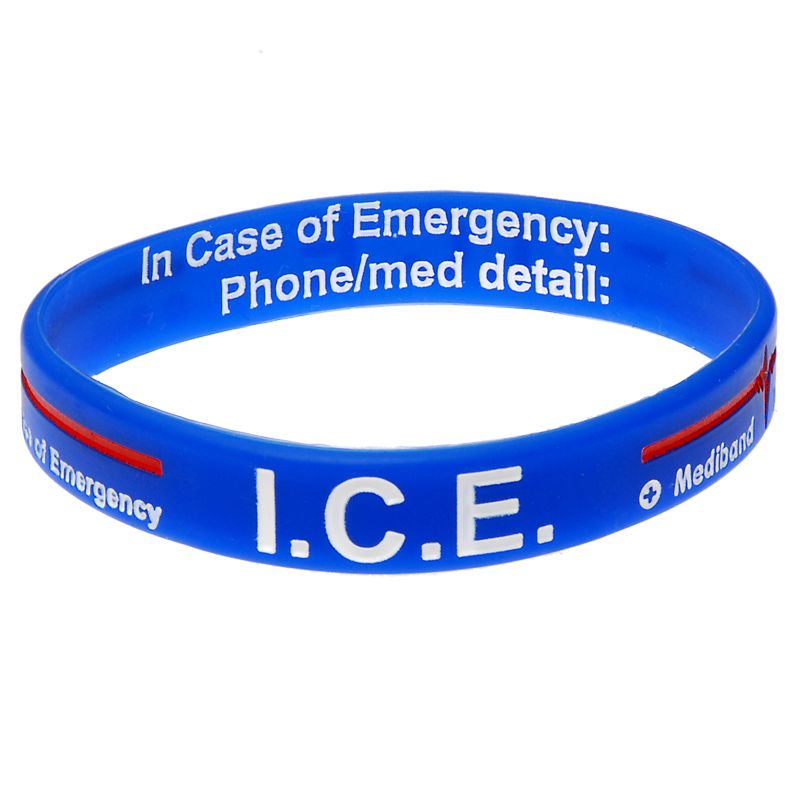
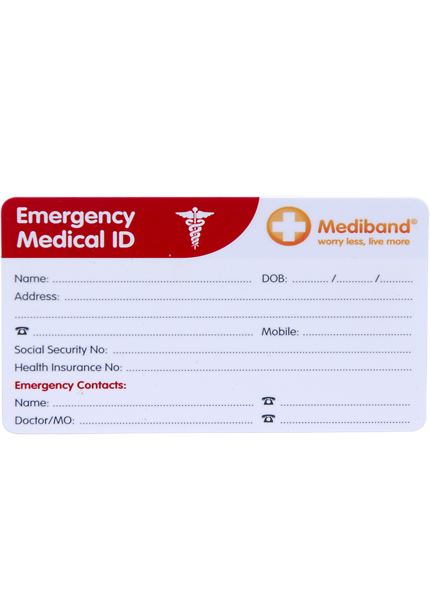
Store a printed copy of your medical history, including diagnoses, medications, allergies, and emergency contacts. An emergency information wallet card is ideal for keeping this information concise and accessible at all times. A write-on ICE bracelet ensures your emergency contact details are always on your wrist.
Medical Alert Identification: Your First Line of Defence
In a disaster scenario, you may not be able to communicate your medical needs verbally — due to injury, unconsciousness, shock, or communication barriers. A medical alert bracelet ensures that first responders immediately know your critical information.
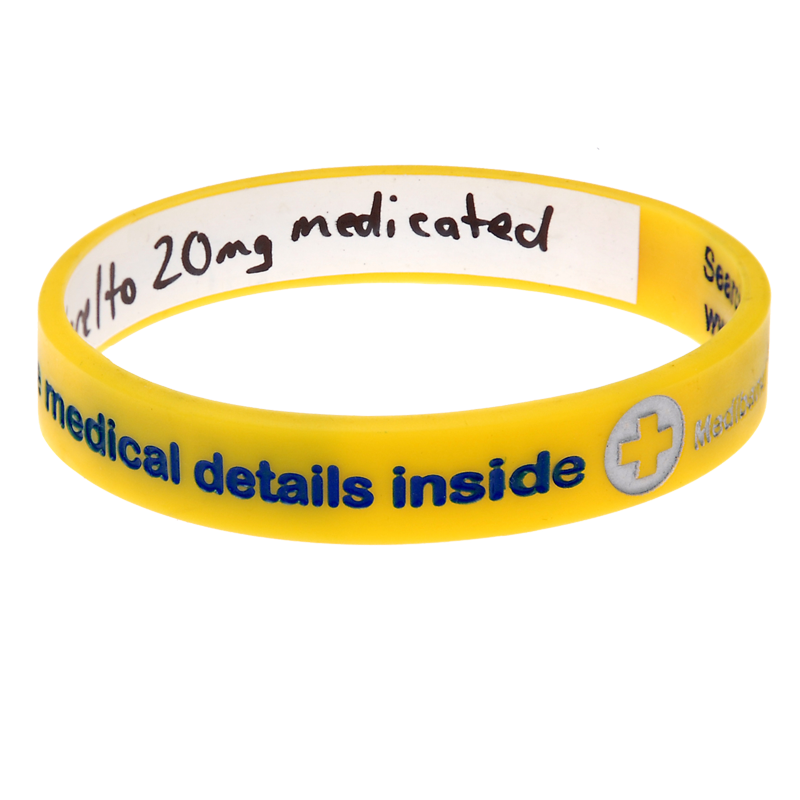
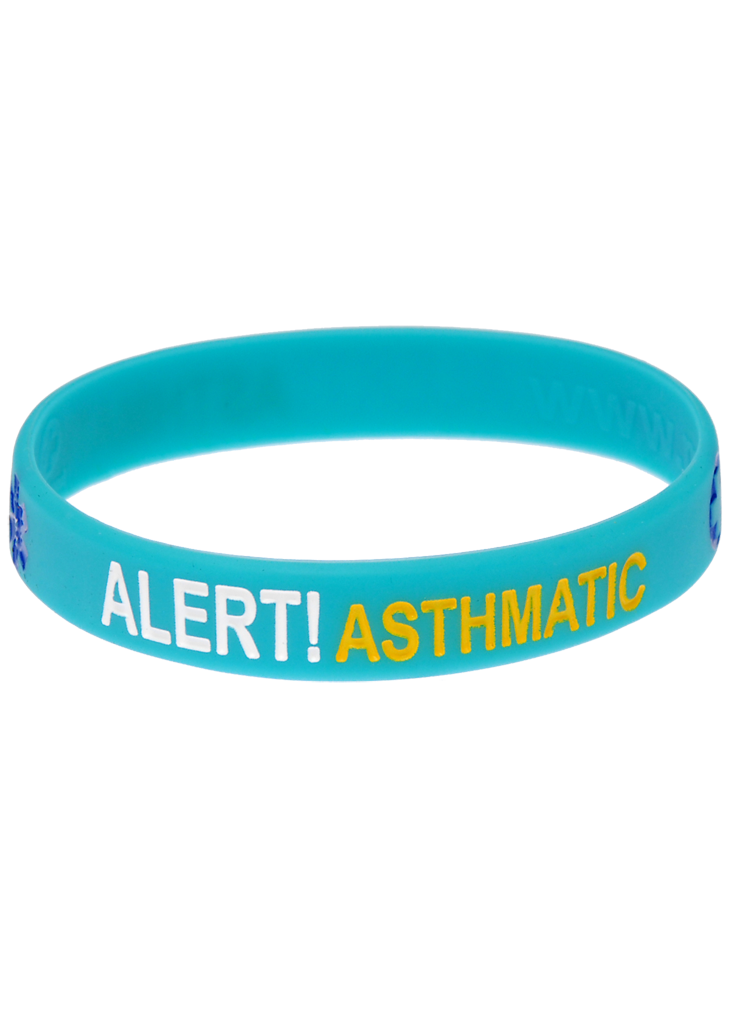
A reversible write-on medical bracelet lets you record your specific conditions and medications in your own handwriting — and update them as your treatment changes. For people with asthma, smoke and poor air quality during wildfires or dust storms can trigger acute attacks: an asthmatic alert bracelet helps responders identify and treat you correctly.
Preparing Your Evacuation Plan
Identify Accessible Evacuation Routes
Know at least two evacuation routes from your home. If you rely on mobility aids, medication refrigeration, or power-dependent equipment, identify which community shelters can accommodate your needs in advance.
Register with Local Emergency Services
Many local councils and emergency management agencies maintain a register of residents with medical needs. Registering ensures that emergency workers can prioritise your welfare during an event.
Nominate a Support Person
Identify a trusted person — a neighbour, family member, or carer — who can assist you in an emergency. Share your evacuation plan and a copy of your medical information with them.
Condition-Specific Considerations
Different conditions require different planning: Diabetes: insulin must be kept cool; carry glucose tablets for hypoglycaemia. An alert bracelet is critical if you become unconscious. Allergies: carry at least two doses of your EpiPen and an allergy alert bracelet. Emergency shelter environments can expose you to new allergens. Heart conditions: ensure your evacuation plan includes proximity to defibrillators and that your carers know your medication schedule. Asthma: smoke, dust, and mould after flooding are all major triggers. Keep multiple inhalers distributed in your emergency bags.
After the Event: Resuming Medical Care
Once the immediate danger has passed, reconnecting with healthcare providers is the priority. Many areas activate disaster health hotlines and mobile clinics after major events. Contact your GP or specialist as soon as communication is restored, and replace any medications that were lost or damaged.
Emergency Medical ID for Natural Disaster Preparedness
Stay identified and protected when it matters most.
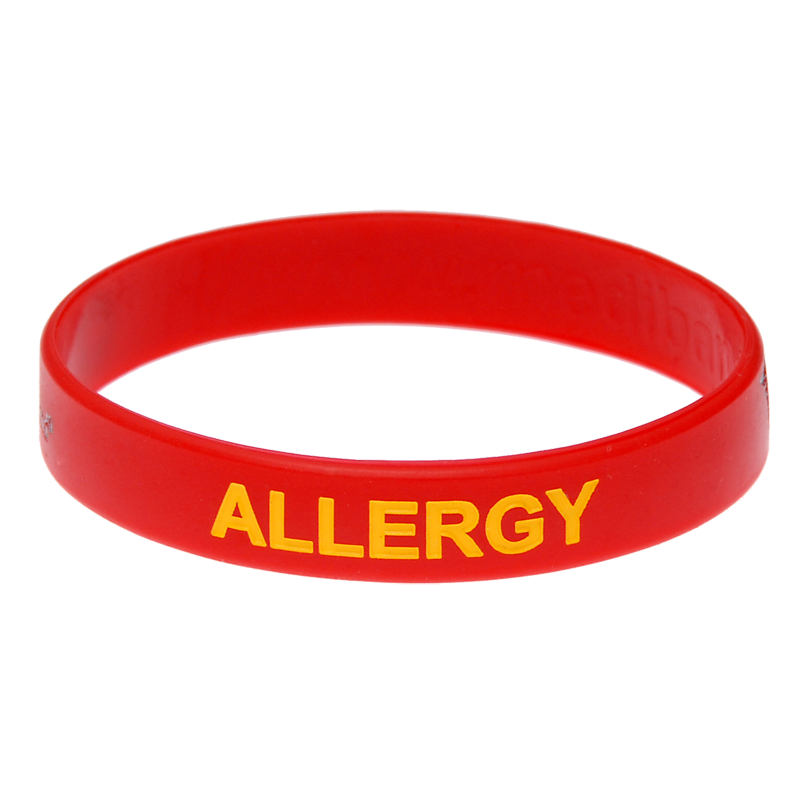
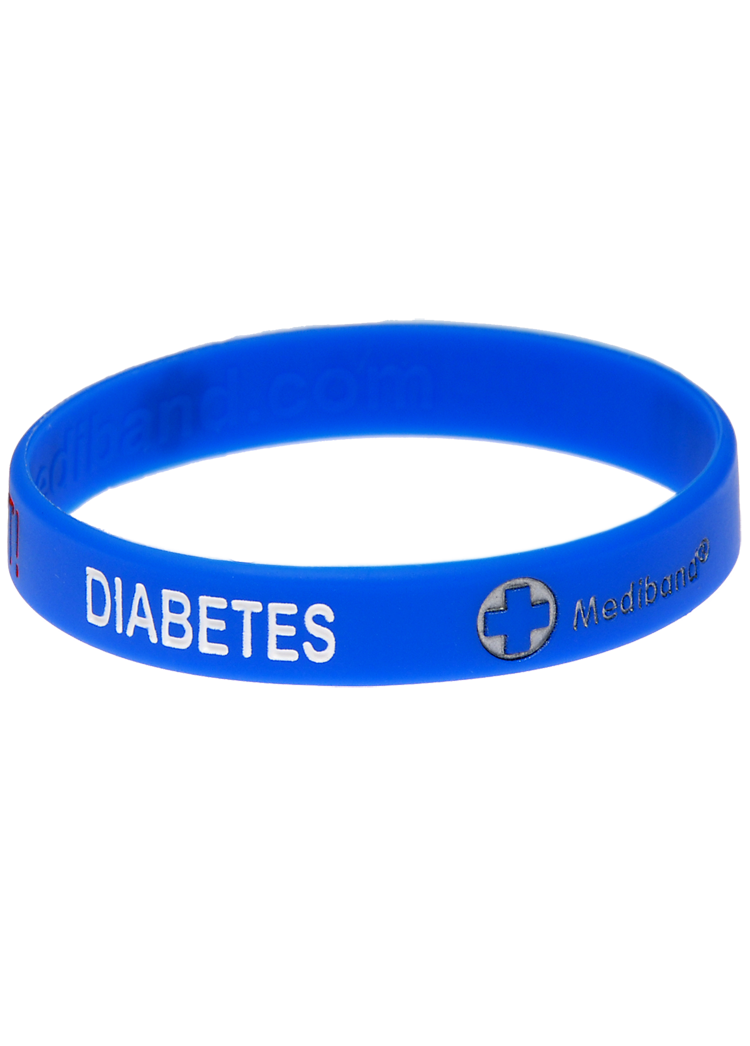
No one can predict a natural disaster, but everyone can prepare for one. For those with a medical condition, that preparation takes on additional urgency. Start with a properly stocked emergency kit, a clear evacuation plan, and the right medical identification — because when disaster strikes, the preparation you do today may save your life tomorrow.
Frequently Asked Questions
What should be in an emergency medical kit for someone with a chronic condition?
At minimum: a 5-7 day supply of all medications, prescription copies, a waterproof medical information card listing all diagnoses and allergies, spare medical device batteries, and a medical alert bracelet.
Why is a medical alert bracelet important in a natural disaster?
In emergencies, you may be unconscious, in shock, or unable to communicate. A medical alert bracelet gives first responders immediate access to your critical health information, enabling faster and safer treatment decisions.
How do I plan for medication refrigeration during a power outage?
Invest in an insulated medication case with ice packs for short outages. For longer disruptions, contact your pharmacist in advance — many have protocols for emergency medication supplies. Insulin manufacturers also publish guidance on safe storage temperatures during emergencies.
Should I register with local emergency services if I have a medical condition?
Yes. Many local councils and emergency management agencies maintain voluntary registers of residents with medical needs. This allows emergency workers to prioritise your welfare during an event.

Share on Facebook

Share on X

Share on Pinterest
Comment(s)
Recent Posts


Kids Cooling Patch: A Safe, Gentle Way to Manage Fever
February 27, 2026
Are Stick on Thermometers Accurate? Pros, Cons, and Mor
February 23, 2026
Alcohol Gel Sanitiser: Top 5 Benefits for Your Health
February 19, 2026