Epilepsy Safety Tips: How to Live Safely with Epilepsy in Australia
Essential epilepsy safety tips for home and outdoors. Learn how to reduce seizure risks and why an epilepsy medical alert bracelet could save your life.

The Mediband Blog
Essential epilepsy safety tips for home and outdoors. Learn how to reduce seizure risks and why an epilepsy medical alert bracelet could save your life.
It’s National Deaf Awareness Week 2021. Find out more about the deaf community in Australia and how you can help a hearing-impaired loved one in our article.
Complex regional pain syndrome is a type of chronic pain. If you or a loved one has CRPS, you’ll get more helpful information about it in this post.
10 evidence-based tips for living your best life — sleep, nutrition, movement, relationships, stress, and being prepared. Practical Australian wellness guide.
Practical guide to helping elderly relatives stay safe and independent — fall prevention and medical alert bracelets for emergencies.
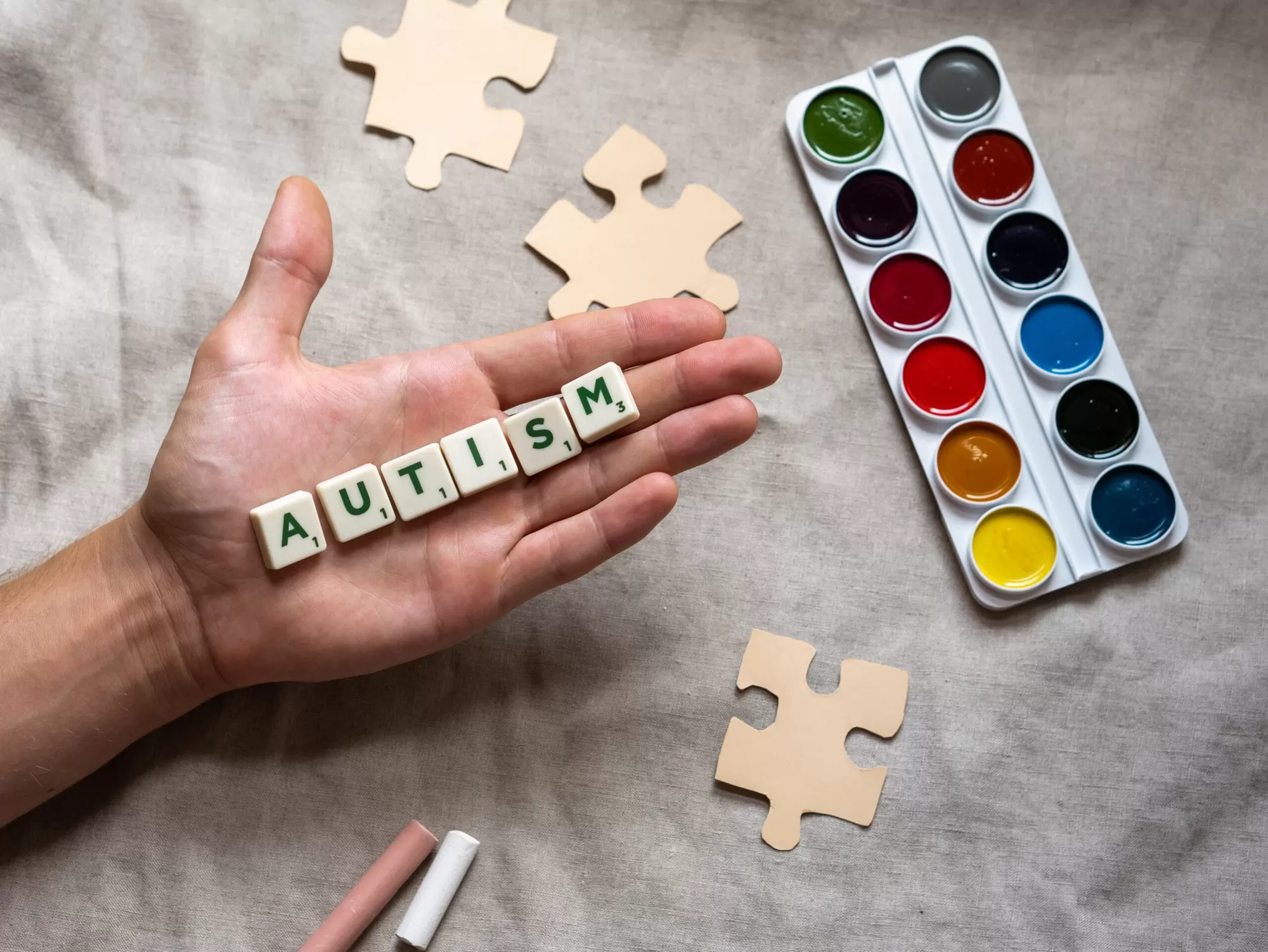
Practical guidance for parents after a child's autism diagnosis — early intervention, communication strategies, and safety planning.
How to drink more water: learn 12 practical tips to build a steady hydration habit that supports everyday health and condition management.
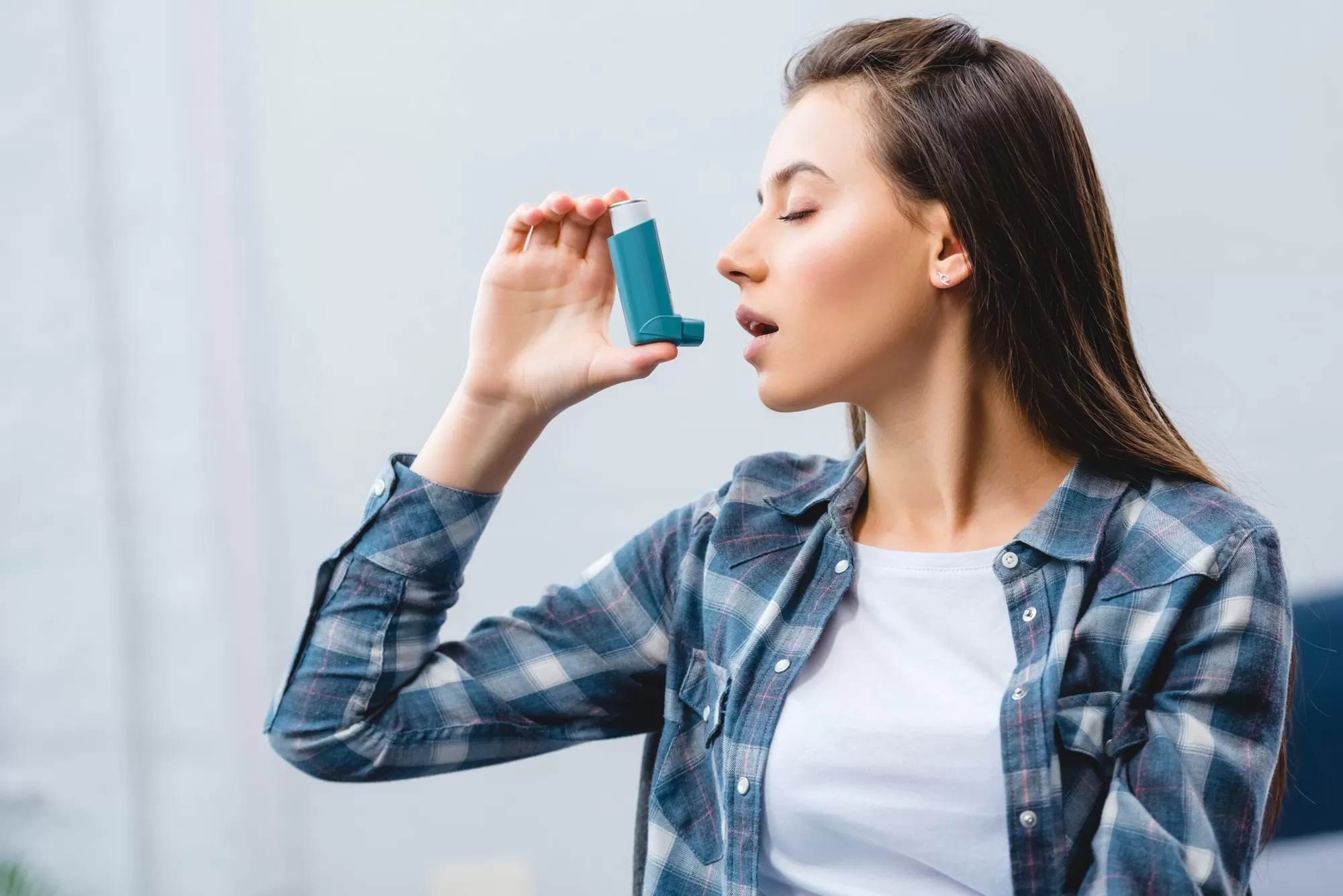
Most asthmatics use their inhaler wrong. The correct 10-step technique, when to use a spacer, and why every asthmatic needs a medical ID.
Lymphoedema explained: causes, symptoms, and management. Learn about compression, massage and exercise — plus why a medical ID protects your safety.
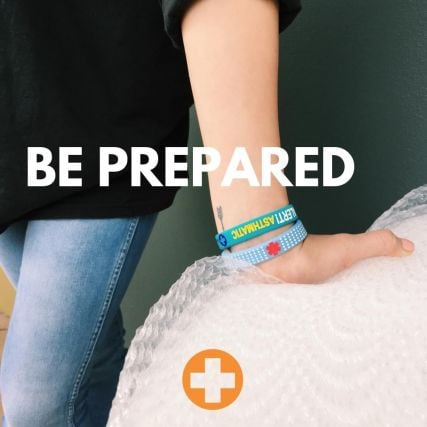
Build an emergency health kit for chronic-condition households. What to stock, how to rotate, and why a medical ID belongs in every kit.
5 reasons why spending time outdoors every day boosts mood, immunity, sleep and energy — plus simple tips for fitting fresh-air breaks into a busy day.
Engraving an allergy alert bracelet? Exactly what to include — allergen, severity, EpiPen, contacts — so paramedics can read it in seconds.