

Active Classic Badges DIABETES
EUR 4.82
SKU
Active-Classic-Badges-DIABETES


Active Classic Badges DIABETES
| SKU | Active-Classic-Badges-DIABETES |
|---|---|
| Manufacturer | Mediband |
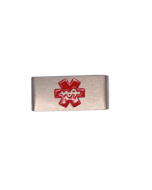
Active Classic Diabetes Badge — instant visual diabetes alert
The Active Classic Diabetes Badge offers a fast, unambiguous way to signal diabetes to first responders, caregivers and bystanders. Designed to slide into Mediband Active Classic wristbands, this diabetes-specific badge uses a high-contrast icon that can be recognised at a glance — critical when the wearer is unable to communicate. Lightweight, water-resistant and comfortable, it’s a practical medical alert solution for everyday life, sports and travel.
Why a diabetes-specific badge matters
Diabetic emergencies can escalate quickly. Low blood sugar (hypoglycaemia) or other sudden medical events mean the person affected may be confused, unconscious or unable to explain their condition. A clearly visible diabetes badge short-circuits that problem: it tells first responders immediately that diabetes is a likely factor so they can check blood sugar and administer appropriate care without delay. The speed of that recognition can change outcomes.
Built for active lives — comfort and durability
Unlike heavier metal ID options, the Active Classic Diabetes Badge prioritises comfort and resilience. Made from robust, hypoallergenic materials, it tolerates sweat, swimming and vigorous activity while retaining its colour and icon clarity. Its snap-fit design secures the badge into the band so it won’t slip or fall out during play or exercise, which makes it a natural choice for kids, athletes and outdoor enthusiasts who need reliable, low-bulk identification.
Design features and technical details
- High-contrast diabetes icon for immediate recognition by first responders.
- Secure slide-in attachment that fits the Active Classic band profile.
- Water-resistant construction suitable for pool, beach and everyday wear.
- Hypoallergenic and lightweight — comfortable for continuous use, even for sensitive skin.
- Compatible with engraving and MedibandPlus online records to provide layered information.
Who benefits most from this diabetes badge?
This badge is ideal for children with Type 1 diabetes, adults with insulin dependence, travelers, athletes, and those who prefer a low-profile, comfortable medical alert over heavier jewellery. Parents and caregivers appreciate that the badge communicates critical information instantly without requiring the wearer to carry extra cards or use a phone in an emergency.
Best practice — combine badge, engraving and online records
The most effective emergency ID strategy is layered. Use the diabetes badge as the immediate visual cue, add a concise engraved line on the band with the primary condition and emergency contact, and optionally register a full medical profile with MedibandPlus. That way responders see the visual alert first, then can use the engraved contact or MedibandPlus ID to access more detailed medical history if required.
Recommended engraving format
- Line 1: DIABETES (or TYPE 1 / TYPE 2 if needed)
- Line 2: Emergency contact number (short format)
- Keep entries concise to ensure quick readability in an emergency.
How this badge compares with competitor options
There are various approaches to diabetes identification. Membership-based services like MedicAlert focus on 24/7 record access and emergency call support. Road ID and other sport-focused brands offer slim plates tailored for runners and cyclists. The Active Classic Diabetes Badge is positioned to combine the best of both worlds: instant visual recognition suited to sport and everyday wear, plus the option to pair with engraving or a digital profile for deeper clinical data. If you prioritise comfort and immediate on-wrist recognition — especially for children or active users — the silicone badge is often the best fit.
Choosing band colour and placement for maximum visibility
Visibility is crucial. For high-detection scenarios — kids at school, runners in events, or travellers — choose a high-contrast band colour (neon, white, or bright red) so the diabetes icon stands out. For users who prefer subtlety, neutral colours still provide the essential alert while matching everyday style. Place the badge on the outside of the wrist for first-responder visibility.
Care and maintenance
To keep your badge in top condition: rinse with fresh water after exposure to pools or salt water, wash regularly with mild soap, avoid harsh chemicals, and inspect the slide-in fitting periodically. Replace the badge if you notice wear that affects visibility or the security of the fit.
Sizing, availability and shipping
The Active Classic Diabetes Badge is sold as an accessory compatible with Mediband’s Active Classic range. Choose the correct band size for a comfortable fit and check the product page for current stock and shipping options. If you require the badge urgently, expedited shipping is often available at checkout.
Practical tips for parents and caregivers
Kids are far more likely to keep on an ID if it’s comfortable and visually appealing. Let children pick a band colour and explain, in simple terms, what the badge means. Pair the badge with concise engraving and keep a digital summary of medical history accessible to caregivers. For schools and childcare providers, share a simple emergency plan so staff understand what the badge signifies and what actions to take.
Frequently asked questions
Will paramedics recognise the diabetes badge?
Yes — emergency personnel are trained to look for wrist IDs and familiar icons. A bold diabetes icon increases the chance of immediate recognition; pairing it with engraving and MedibandPlus improves the depth of information available.
Is the diabetes badge waterproof?
It is water-resistant and suitable for swimming and sport; rinsing after heavy pool or sea exposure helps preserve long-term appearance and function.
Related products and useful cross-links
Final thoughts — speed, comfort and reassurance
The Active Classic Diabetes Badge blends instant visual signalling with comfort and durability. It encourages consistent wear — the most critical factor in effective medical identification — while giving first responders a clear, immediate cue. Paired with concise engraving and optional online profiles, it becomes part of a robust emergency ID strategy that prioritises both speed and depth of information.
Related Products
Check items to add to the cart or

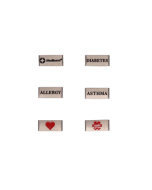
Active Classic Badges Mediband Logo
EUR 4.82

Active Classic Badges ALLERGY
EUR 4.82

Active Classic Badges ASTHMA
EUR 4.82

Active Classic Badges HEART LOGO
EUR 4.82
Active Classic Badges
Starting at EUR 4.82