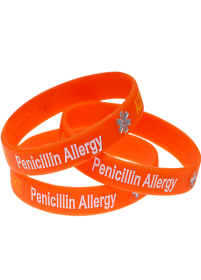

Why a Medical ID Bracelet Is Essential for Children's Safety
Every parent dreams of keeping their child safe — from the schoolyard to the soccer field. But emergencies don't wait for a calm moment. A child can have an asthma attack mid-recess, an allergic reaction to a snack at a friend's party, or a seizure on a school excursion when no parent is there to explain what's happening.
That's where a medical ID bracelet earns its place. Worn on the wrist, it speaks for your child when they can't — telling teachers, coaches, and first responders exactly what your child has, what they need, and how to reach you. Studies show that more than 95% of paramedics check for a medical ID first when responding to an unconscious or unresponsive patient.

What Conditions Should a Child's Medical ID Cover?
If your child has any of the following, a medical ID is no longer optional — it's standard care:
- Food allergies — peanut, tree nut, dairy, egg, shellfish, sesame, soy. Around 1 in 10 children worldwide now lives with a food allergy.
- Asthma — especially exercise-induced or severe attacks needing emergency reliever medication.
- Type 1 diabetes — to flag insulin therapy and protect against incorrect glucose treatment.
- Epilepsy — so first responders don't restrain or move a child mid-seizure.
- Autism, non-verbal, or sensory conditions — to explain communication needs to strangers in a panic.
- Heart conditions, bleeding disorders, or rare metabolic disorders — anything where the wrong treatment could be dangerous.
What If My Child Has No Diagnosed Condition?
Even healthy children benefit from wearing an ID with their name and a parent's contact number. If a child gets separated from family at a beach, festival, or shopping centre, a wristband shortcut to a phone call dramatically reduces panic on every side.
Recommended for you
Products related to this article
Hand-picked to go with what you just read.
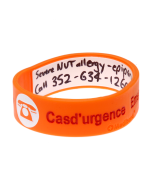
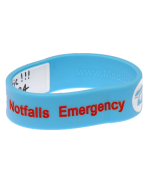
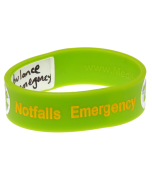
What to Engrave or Write on Your Child's Bracelet
Keep it short and emergency-relevant. The information someone reads in a panic should fit at a glance. The five essentials:
- Child's first name (and last name if there's space)
- Primary medical condition (e.g. "Type 1 Diabetic", "Anaphylaxis – Peanut")
- Critical medication or allergy (e.g. "EpiPen", "Insulin", "No NSAIDs")
- Parent or guardian phone number — the one always answered first
- "See wallet card" if a longer note travels in their school bag
For non-engraved write-on bands, use a permanent fine-tip pen and re-check the writing weekly — sweat and pool water can fade ink faster than you'd expect.
Choosing the Right Medical ID for Your Child
Children's tastes — and wrists — change quickly. The right ID is one your child will actually keep on. Look for these features:
Comfort and Sizing
Soft silicone or fabric bands are easier to tolerate than metal at a young age. Adjustable or stretch fit handles growth spurts and seasonal swelling. Avoid sharp edges or charms that can catch on uniforms or sports equipment.
Visibility
Bright colours — orange, yellow, red — are easier for a stranger to spot in a crowd or on a sports field. Subtle silver bracelets look great but disappear under sleeves at the worst moments.
Durability
Pick a band that survives daily life — pool, sandpit, glue stick, monkey bars. Waterproof silicone outlasts laminated paper or thread bracelets by years. Look for tear-resistant designs that won't snap during rough play.
Updateable Information
If your child's medication changes often (e.g. new asthma reliever, updated dose, fresh emergency contact), a write-on band you can rewrite is more practical than an engraved permanent one.
Helping Your Child Wear It Every Day
The best medical ID is the one your child actually wears. Try these proven tactics:
- Let your child pick the colour — ownership = compliance.
- Match it to a hero — a "superhero band" mindset makes it cool, not clinical.
- Make it a routine — wrist on with shoes, off with pyjamas. Same time every day.
- Spare in the school bag — for replacement after a missed return from camp or sleepover.
- Talk about why — age-appropriate explanation: "If you ever feel funny and can't talk, this tells the helper what to do."
Real-World Scenarios Where a Bracelet Made the Difference
According to HealthDirect, anaphylaxis can become life-threatening within minutes — and a clear ID lets responders deliver adrenaline without delay. Across pediatric emergency reports, a few patterns repeat:
- A child with peanut anaphylaxis collapses at a birthday party. The host doesn't know — but the bracelet tells the ambulance team what they need to know in 3 seconds.
- A primary-school student with Type 1 diabetes goes hypo during sports day. The teacher sees the band, calls mum, and feeds them juice instead of waiting for parents.
- A child with autism wanders from a beach playgroup. A passer-by reads the wristband phone number and calls home before panic sets in.
None of these stories require the child to talk, remember, or explain anything. The ID does the talking.
Frequently Asked Questions
What age should my child start wearing a medical ID bracelet?
As soon as a serious condition is diagnosed — even infants. Babies can wear soft fabric or silicone bands. By age 4 or 5, your child is old enough to understand what the band means and why it matters. Parents should keep wearing the spare while the child grows accustomed to theirs.
Will my child's school accept a medical ID?
Yes. Schools welcome medical IDs because they reduce risk and clarify emergency response. Inform the teacher and school nurse during enrolment, supply a wallet card or care plan, and ask for the band to be noted in your child's medical file. Most schools list it as required for kids with allergies or chronic conditions.
Can my child wear a write-on or print band instead of engraved metal?
Absolutely — write-on silicone is the most popular choice for children because it's soft, waterproof, and easy to update when medications or contact numbers change. Engraved stainless steel is great when info rarely changes, but silicone wins for daily wear and rough play.
How do I make sure the band stays on at school or sports?
Pick the right size — snug but not tight. Avoid one-size-fits-all bands that slip off small wrists. Reversible designs with secure snap-clasps stay put better than slip-on bands during PE. Always carry a spare in the school bag in case one is lost during play.
What information does NOT belong on a child's medical ID?
Skip home address, full date of birth, and any sensitive medical history that isn't urgent in an emergency. Stick to the five essentials: child's name, primary condition, critical med/allergy, parent contact, and "see wallet card" if needed. Less is more — first responders need to read it fast.

Written by
Founder, Mediband
Founder of Mediband; over 20 years providing medical IDs worldwide.
← Previous
Which Type of Life Insurance Is Smartest for You? (Australian Guide 2026)
Next →
Medical Alert Bracelets: How They Keep You and Loved Ones Safe
Comment(s)