Medical Alert Bracelets and Healthy Living — Built for Active Australians
The healthiest life with a chronic condition isn't a quieter one — it's a fuller one. People with diabetes complete marathons. People with epilepsy travel the world. People with severe allergies eat out, attend parties, and socialise without fear. The single thread that runs through all those active lives is preparation. A medical alert bracelet is the most fundamental piece of that preparation — a quiet, daily layer of safety that lets you push toward a healthy, active life rather than scaling back out of caution.
According to HealthDirect Australia, regular physical activity, healthy eating, sleep, and social connection reduce mortality from chronic conditions by 20-40%. Yet many Australians with chronic conditions limit these activities out of fear of emergencies. The bracelet doesn't change the underlying risk — but it dramatically improves the response if anything goes wrong, freeing the wearer to live more fully.

How a Medical Alert Bracelet Enables Healthier Living
1. Removes the "What If" Anxiety
Many Australians with chronic conditions limit activities out of "what if something happens?" anxiety. The bracelet replaces that anxiety with confidence: if something happens, the right care will start within seconds. That mental shift opens up activities people would otherwise avoid.
2. Lets You Exercise More Freely
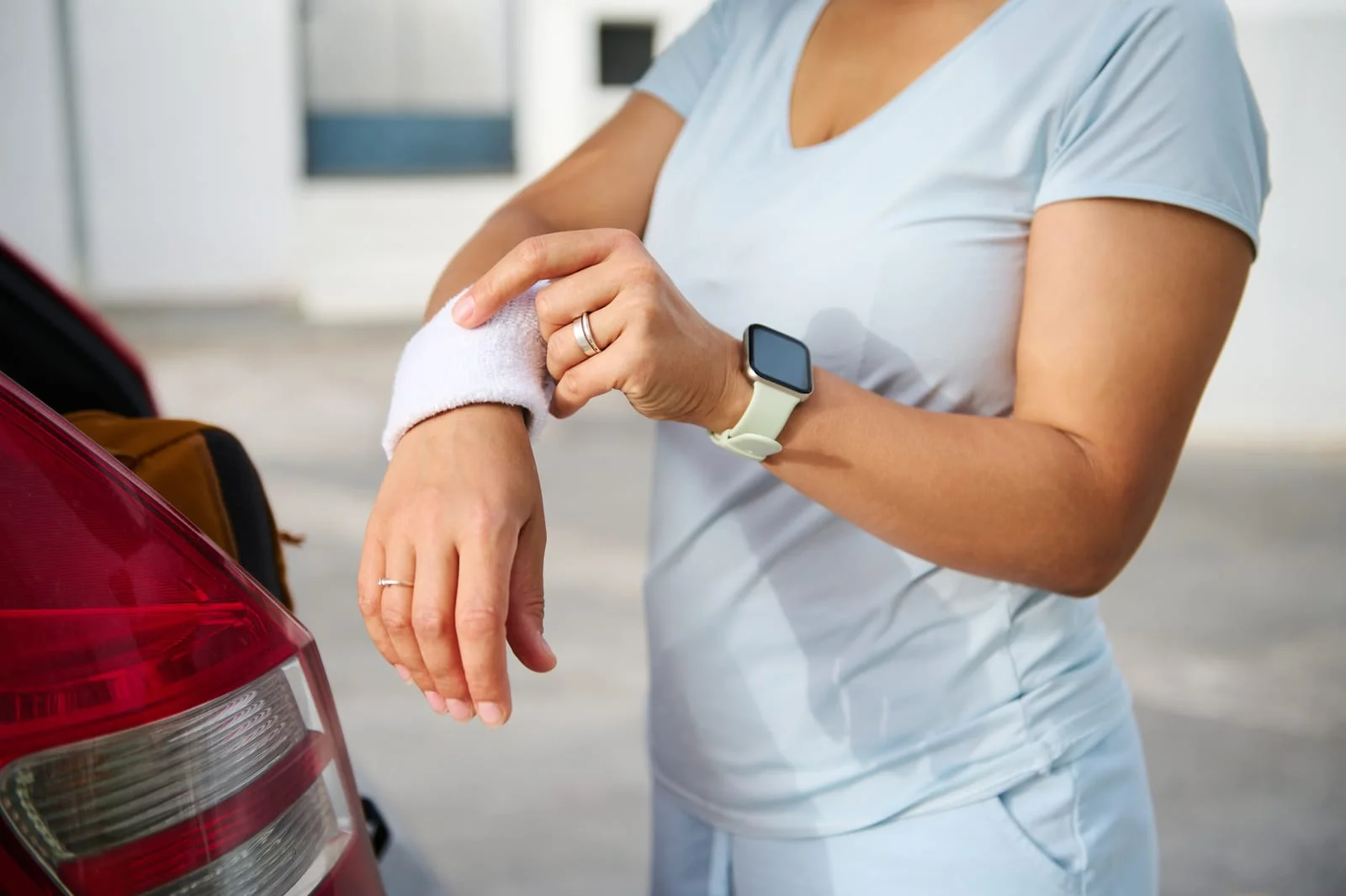
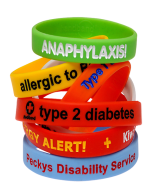
Running alone in the park, swimming at the beach, hiking remote trails, cycling long distances — all activities that improve cardiovascular health, mental wellbeing, and quality of life — become safer when you wear an ID that speaks for you if you can't speak for yourself.
3. Encourages Solo Travel
Travel is one of the biggest stress-relievers and life-enrichers. People with chronic conditions who avoid travel miss enormous quality-of-life benefits. A bracelet plus wallet card plus QR-coded profile makes solo and overseas travel meaningfully safer.
4. Reduces Family Stress
Your spouse, parents, and adult children worry about you. A visible medical ID worn daily reduces their worry — they know that any emergency response will have your information instantly. That's good for relationships and reduces conflict around your activities.
5. Supports Consistent Daily Habits
Wearing the bracelet becomes a daily ritual: morning routine includes "watch, bracelet, phone, keys." That ritual reinforces other healthy daily habits (medication, exercise, sleep). It's a small anchor that supports the bigger framework.
6. Lets You Say Yes More
Spontaneous offers — a hike, a beach trip, a meal at an unfamiliar restaurant, a sport you haven't tried — get easier to accept. You're not constantly evaluating "is this safe given my condition?" Your safety net is in place; you can focus on living.
Recommended for you
Products related to this article
Hand-picked to go with what you just read.
The Healthy Living Habits That Pair With a Medical Alert Bracelet
1. Regular Physical Activity
The Australian Department of Health recommends 150-300 minutes of moderate exercise per week. For people with chronic conditions, exercise is medicine — reduces complications, improves mood, slows disease progression. Wearing the bracelet during exercise makes solo and unfamiliar activities safer. Silicone bracelets are ideal for water and contact sport.
2. Anti-Inflammatory Diet
Mediterranean-style eating — vegetables, fruit, fish, olive oil, nuts, legumes — reduces inflammation that drives many chronic conditions. Combine with portion awareness and you control most diet-related health risks. The bracelet doesn't help with diet directly, but lets you eat out more freely (especially when paired with allergy-alert engraving for restaurant staff).
3. 7-9 Hours of Sleep
Sleep regulates blood sugar, immune function, mood, and inflammation. Sleep deprivation worsens almost every chronic condition. The bracelet stays on overnight (silicone and stainless steel both safe for sleep), so the safety net continues during sleep — when many emergencies happen.
4. Stress Management
Meditation, yoga, breathing exercises, social connection, hobbies, and outdoor time all reduce stress hormones that drive chronic-condition complications. The peace of mind from wearing a medical alert bracelet itself reduces a layer of low-grade anxiety.
5. Regular Medical Reviews
Six-monthly GP visits, annual specialist reviews, and condition-specific monitoring catch problems early. Use these visits to also confirm your bracelet engraving is still accurate.
6. Hydration
Many medications and most chronic conditions are affected by hydration status. Aim for 2-3 litres of water per day. The bracelet stays on through showers, swims, and sweat-heavy exercise without issue.
7. Social Connection
Loneliness has measurable health impacts comparable to smoking. Active social life reduces mortality across all chronic conditions. The bracelet helps make social activities (parties, dining out, group sport, travel) safer.
Choosing a Bracelet That Supports Healthy Living
For Active Lifestyle (Sport, Swim, Outdoor)
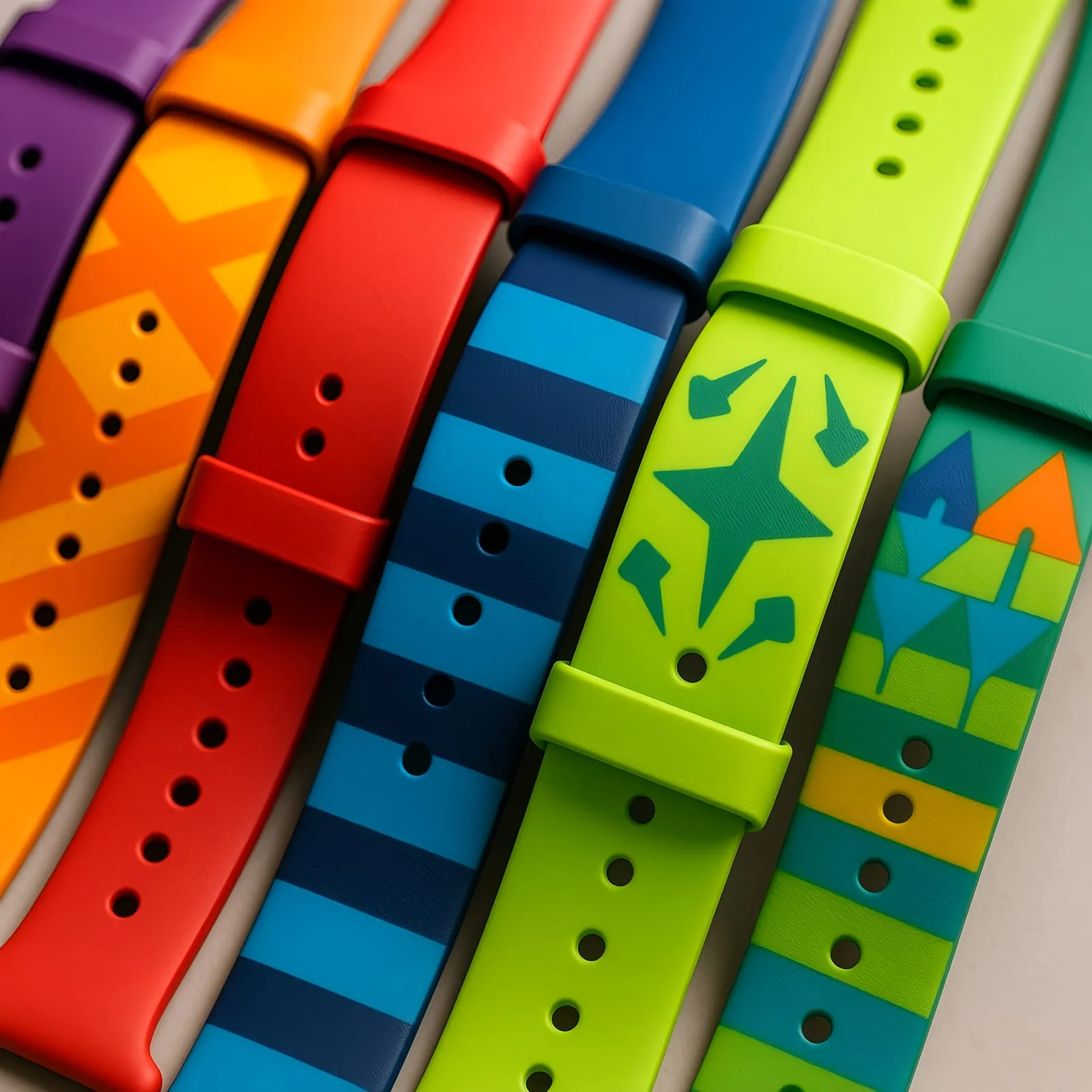
Silicone — waterproof, sweat-proof, comfortable for contact sport. Replace every 12-24 months.
For Office and Daily Wear
Stainless steel or rose gold — dressy, comfortable, lasts a decade.
For Hot-Weather Wearers
Silicone or thin stainless steel — minimal heat retention, no leather (which holds sweat).
For Multiple-Condition Wearers
Bracelet + wallet card combo — bracelet flags the most critical condition, wallet card carries deeper detail.
For Overseas Travellers
QR-coded version with multi-language profile, plus a backup silicone band in case of loss.
For Self-Conscious Wearers
Designer reversible — fashion side daily, alert side when active or at hospital.
What to Engrave for an Active Wearer
- Wearer's name — first and last.
- Primary medical condition — short and specific.
- Critical medication or allergy — what NOT to give or what's life-saving.
- Emergency contact phone — answered 24/7, ideally a mobile that's always on.
- "See wallet card" — if you carry deeper detail.
Browse the full Mediband range for the right style to match your lifestyle. For more on what to engrave and how the bracelet helps in emergencies, see our first responder guide.
Frequently Asked Questions
Can I exercise wearing a medical alert bracelet?
Yes — silicone and stainless steel bracelets are both designed for 24/7 wear including all forms of exercise. Silicone is ideal for swimming, contact sport, and high-sweat activities. Stainless steel is fine for running, cycling, gym work, and yoga. Avoid leather bands for water-heavy or sweat-heavy activities. Rinse with fresh water after sea swimming to prevent corrosion on metal bands.
Does wearing a medical alert bracelet really change how I live my daily life?
Most wearers report a shift in confidence rather than visible behaviour change. They feel safer trying spontaneous activities, travelling solo, exercising alone, or saying yes to social invitations. The bracelet removes a layer of background "what if" anxiety. Some wearers describe it as one of the highest-quality-of-life improvements available for the cost.
Do I need to take the bracelet off during showers or swimming?
No. Silicone, stainless steel, sterling silver, and rose gold are all fully waterproof. Leave the bracelet on 24/7. Rinse with fresh water after swimming in salt water or chlorinated pools to extend the band's life. Removing the bracelet daily is exactly the habit that causes most "I forgot to put it back on" emergencies.
Can a medical alert bracelet help with mental health, not just physical conditions?
Yes. Wearers with severe anxiety, depression, suicidal ideation, schizophrenia, bipolar disorder, or PTSD can wear bracelets flagging the condition + critical medication. In any psychiatric emergency, paramedics knowing the condition speeds appropriate response and prevents inappropriate treatment. Discreet stainless steel or designer reversible styles work well for mental health conditions.
How often should I update my bracelet for healthy active living?
Review engraving every six months at GP visits. Replace silicone bands every 12-24 months as engraving fades. Update immediately after any major medication or condition change. Active wearers may replace silicone more often due to sport wear-and-tear. Stainless steel and premium materials rarely need replacement — they last 10+ years.

Written by
Founder, Mediband
Founder of Mediband; over 20 years providing medical IDs worldwide.
← Previous
Parkinson's Wristband — Why People With Parkinson's Need a Medical ID (2026)
Next →
Medical Alert Bracelets: The Complete Australian Guide (2026)
Comment(s)