By Michael Randall, Founder, Mediband · Updated 11 June 2026 · 9 min read
Skin cancer prevention in Australia is more urgent than anywhere else in the world. The Cancer Council reports two in three Australians will be diagnosed with skin cancer by age 70 — and melanoma is now the most common cancer in 15-39 year olds. The seven SunSmart habits below come straight from the latest 2024-2026 Cancer Council guidelines.
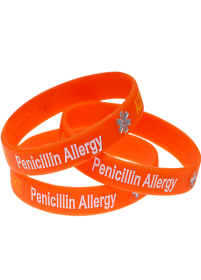
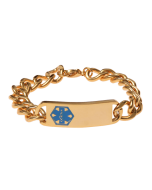
If you're already in treatment, recovering from a melanoma diagnosis or carrying a sunscreen allergy, the medical-ID layer matters too. Paramedics treat a chemotherapy patient differently from a healthy adult, and the bracelet on your wrist makes that distinction in seconds.
Why skin cancer prevention is a year-round Australian habit
Australia's UV Index reaches 11+ (extreme) for half the year in most capitals. The Cancer Council's UV-alert app — free on iOS and Android — shows your local UV level minute-by-minute. Whenever it reads 3 or higher, sun protection is recommended. That's roughly 9 am to 4 pm from September to April for most of the country.
Skin cancer doesn't care about beach versus backyard. UV penetrates light cloud, reflects off water, sand and concrete, and damages skin even when you're not "trying to tan". A one-minute habit before leaving the house — sunscreen, hat, sunnies — buys decades of protection.
7 SunSmart habits that prevent skin cancer
1. Slip on sun-protective clothing
UPF 50+ rated long-sleeve shirts and rashies stop 98% of UV. Look for the AS/NZS 4399 standard on tags. Cheaper alternative: a closely-woven cotton long-sleeve covers most of the same surface area.
2. Slop on SPF 50+ sunscreen — properly
Cancer Council guidance: a teaspoon for each arm, leg, the back of the neck and the face. Re-apply every two hours and immediately after swimming, sweating or towel-drying. Most Australians under-apply by 50%, so the SPF 50 they think they're getting is closer to SPF 25.
3. Slap on a broad-brim hat
Wide-brim or legionnaire-style hats shade the face, ears, neck and scalp — all high-risk skin cancer sites. Baseball caps leave the ears and neck exposed. Kids: dedicated school SunSmart hats are mandatory at most Australian primary schools.
4. Seek shade between 10 am and 3 pm
Even on overcast days, UV at midday can be extreme. Plan outdoor exercise early morning or late afternoon. Shade structures (UV-blocking shade sails) at home reduce midday exposure by 70%+ versus open sky.
5. Slide on close-fitting sunglasses
UV damage causes cataracts, macular degeneration and skin cancer on eyelids. Look for AS/NZS 1067 lens category 2-4. Wraparound styles block the side-incidence UV that flat sunnies miss entirely.
6. Do a quarterly skin self-check
The Cancer Council's "ABCDE" rule for spots: Asymmetry, Border irregularity, Colour variation, Diameter over 6 mm, Evolution over time. Photograph any flagged spot monthly. New or changing spots get a GP visit within two weeks.
7. Book an annual GP skin check from 40 onwards
Anyone 40+ — earlier if fair-skinned, freckled or with a family history of melanoma — should have a full-body skin check yearly. Bulk-billed under Medicare with most GPs. Dermatology referral if a suspicious spot is found.

Recommended for you
Products related to this article
Hand-picked to go with what you just read.
Building a year-round SunSmart routine
Morning: 30-second sunscreen ritual
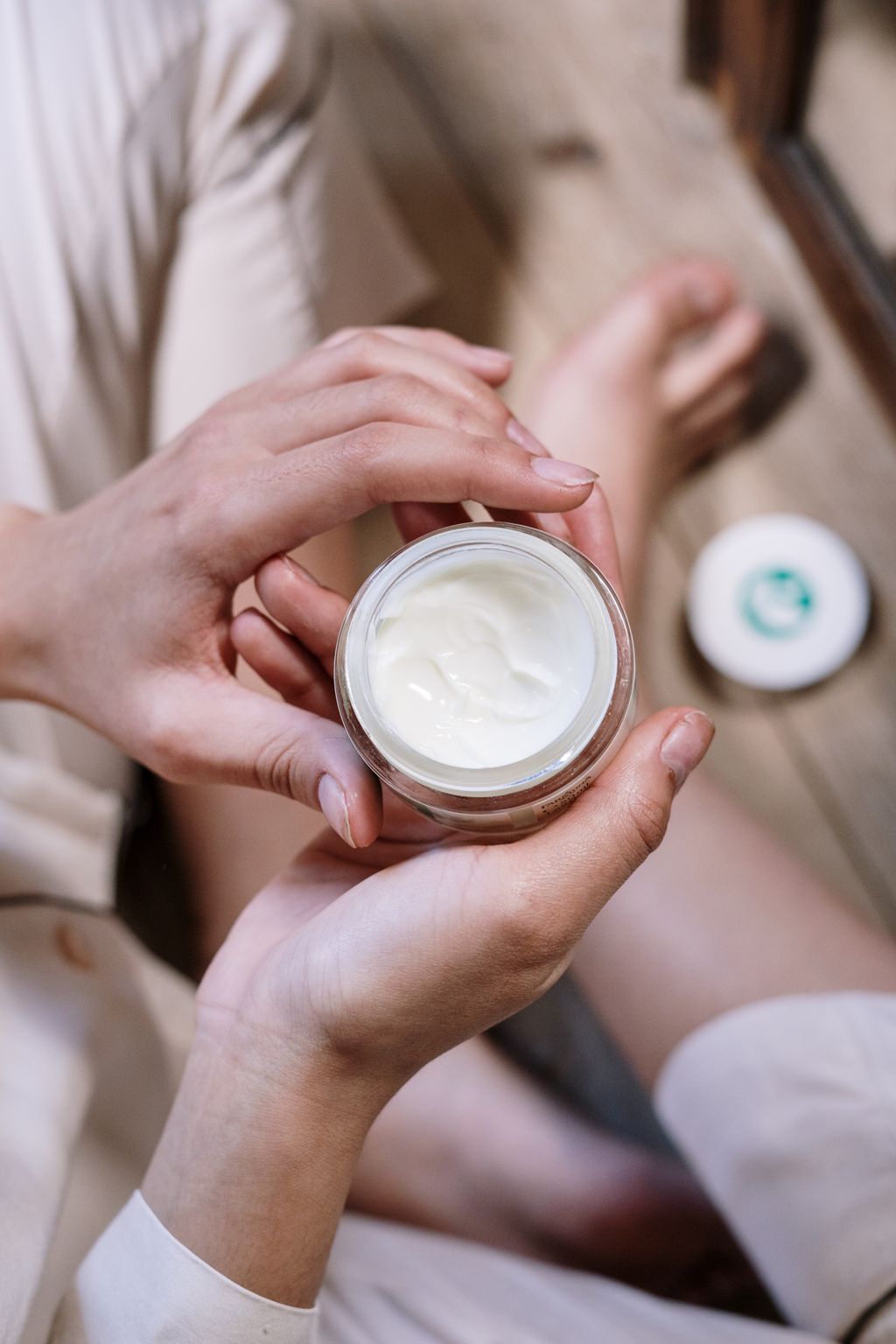
Apply sunscreen to face, ears, neck and back of hands before brushing teeth. Keeps it ahead of forgetting once kids are up. Pair with moisturiser — most modern SPF 50+ formulations double as one.
School-bag prep
Each child carries a small SPF 50+ tube and a UPF 50+ legionnaire hat. Replace lost hats within a week — it's the most-forgotten daily item.
Weekend planning
Beach, sport, BBQ — set a phone alarm for sunscreen re-application every two hours. Most adults under-apply by half; the alarm fixes that.
Quarterly skin check + photos
Phone camera, plain wall as background, same lighting. Note location of any flagged spot on a body map. Photo comparison catches the slow-growing melanomas that GP eyes can miss between visits.
Why a medical ID matters during and after skin cancer treatment
If you're in active treatment (chemotherapy, immunotherapy, radiation), a medical ID bracelet tells first responders:
- Diagnosis — Melanoma stage III, BCC excision, etc.
- Active treatment — Pembrolizumab, Ipilimumab, Vemurafenib
- Side-effect flags — Immunotherapy can cause atypical reactions to common ED treatments
- Allergy — Sunscreen ingredient allergies (PABA, oxybenzone, fragrances) for healthcare setting
- Emergency contact — Oncology nurse or primary carer
Mediband bracelets are sweat-proof, beach-proof and dishwasher-safe — they survive the everyday Australian outdoor life that other medical IDs fail.
Partnering with Australian skin cancer authorities
- Cancer Council Australia — SunSmart program + free UV-alert app
- Melanoma Institute Australia — research, support and clinical pathways
- Australasian College of Dermatologists — find a specialist by postcode
- SunSmart Schools program — Cancer Council-accredited primary school resources
- SkinCheck (NSW Health) — free in-person and mobile skin clinics
- Royal Australasian College of GPs — annual skin check protocols
Two minutes a day, a lifetime of skin
Skin cancer prevention is a maths problem solved by tiny daily habits. Slip, slop, slap. Seek shade. Slide on sunnies. Quarterly self-checks. Annual GP visit. A medical ID for the treatment phase if you ever need it. Two minutes a day, two in three Australians who won't have to face the diagnosis.
Frequently Asked Questions
Quick answers from the Mediband team
What is the SPF for everyday Australian sun protection?
SPF 50+ is the Cancer Council recommendation for everyday use in Australia. SPF 30 blocks 97% of UVB; SPF 50+ blocks 98%. The difference matters under our high UV index — especially September to April.
How much sunscreen should I actually apply?
A teaspoon per arm, per leg, per torso half, plus one for the face/neck/ears. Most Australians under-apply by 50%, meaning your SPF 50+ behaves like SPF 25 in practice.
Do I still need sunscreen on cloudy days?
Yes — up to 80% of UV penetrates light cloud. The Cancer Council UV-alert app shows the real-time index for your suburb. If it reads 3 or higher, sun protection is recommended.
At what age should kids start wearing sunscreen?
Children over six months can wear SPF 50+ sunscreen daily. Babies under six months should be kept out of direct sun and covered with clothing instead. SunSmart school hats are mandatory at most primary schools.
How often should I get a professional skin check?
Annually from age 40 — or earlier if you're fair-skinned, freckled, or have a family history of melanoma. Most GPs bulk-bill a basic skin check; dermatology referral if a suspicious spot is found.
What does the ABCDE rule for skin spots mean?
Asymmetry, Border irregularity, Colour variation, Diameter over 6 mm, Evolution over time. Any spot meeting two or more of these criteria warrants a GP appointment within two weeks.
Should I wear a medical ID during cancer treatment?
Yes — particularly during chemotherapy, immunotherapy or radiation. The bracelet lists active treatment medications so first responders avoid drug interactions and treat atypical reactions correctly.

Written by
Founder, Mediband
Founder of Mediband; over 20 years providing medical IDs worldwide.
← Previous
Is there a medical issue in your family?
Next →
Healthy Eating Facts: 7 Australian Nutrition Rules That Work
Comment(s)