Dairy intolerance, also known as dairy insensitivity or lactose intolerance, is the reduced ability of the body to digest milk sugars. In some instances, intolerance arises when the body develops an allergy to a milk protein known as casein.

Genetic factors also largely influence dairy intolerance. People of North European descent have only a 25% chance of developing the condition, while the rest have a 75% chance. Although a vast majority of the population suffer from this disorder, they may not be aware of it. They often end up confusing the symptoms of dairy intolerance with other medical conditions.
Prevalence of Dairy Intolerance
3/4th of the total population has difficulty digesting lactose to a certain extent. The incidence of dairy intolerance varies from country to country. Nearly 90% of East Asians and 70% of African-Americans suffer from Lactose Intolerance. In Australia, the figures vary from one ethnic group to another. Approximately 84% of Aboriginals are lactose intolerant. This number drops for Australian Caucasians with only 4-17% of them being dairy intolerant. Even babies who are on cow's milk or breast milk aren’t exempt from the condition. They often suffer from casein allergy, the symptoms of which include projectile vomiting, colic, and abdominal pain.
Recommended for you
Products related to this article
Hand-picked to go with what you just read.

Causes of Dairy Intolerance
Patients who are diagnosed with dairy intolerance usually have low levels of the enzyme lactase in the lining of the small intestine. Because of the absence of the right amount of lactase, lactose remains undigested and is partially broken down by bacteria instead. When this happens, the patient suffers from the symptoms of dairy intolerance.
Patients who develop a casein allergy may suffer from bloating, diarrhoea, wheezing, nasal congestion, ear infections, eczema, and skin irritations. If the allergy is severe, the patient may suffer from a loss of consciousness and blood in the stools.
What are the Symptoms of Dairy Intolerance?
- Bloating
- Stomach cramps
- Diarrhoea
- Irritable Bowel Syndrome
Prognosis and Treatment for People with Dairy Intolerance
Patients suffering from lactose intolerance usually don’t have to avoid all dairy products or foods containing dairy. They can consume small amounts of dairy, particularly hard cheeses like mozzarella, brie or cheddar. Lactose Intolerant patients can also typically consume products like butter, cream, and yoghurt.
Full-fat milk is a better option for those suffering from lactose intolerance because the fat slows down the journey of milk through the intestines and allows the enzyme lactase to break down milk sugars. Patients could also switch to soy milk or soy-based yoghurts that are lactose-free.
Those suffering from casein allergies have no other option but to avoid milk and dairy products. Instead of consuming desserts like ice-cream, they could instead opt for sweets made out of rice or soy. They may have to take prescription medications like epinephrine if they suffer from severe respiratory problems caused by the allergy. Casein allergies can also trigger anaphylaxis. Patients must, therefore, avoid any exposure to the allergen.
Coping with Dairy Intolerance
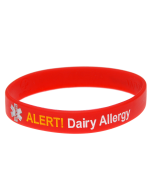
Life can be quite challenging for those suffering from dairy intolerance, particularly the kind associated with casein allergies. Such patients are encouraged to wear a medical ID that contains relevant information about their allergies, current medications, and emergency contacts. One example is a dairy intolerance wristband which clearly identifies a potential casein allergy.
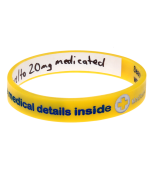
Should the unexpected arise, first responders and doctors will refer to the band and retrieve valuable information about the patient’s medical history. Write on medical wristbands, like the ones offered by Mediband Plus, come custom manufactured with a unique code. The code allows the patient to use the Mediband database for free (up to one year). The database can be accessed online at any time, and the patient can log-in and make changes to their medical profile whenever necessary.
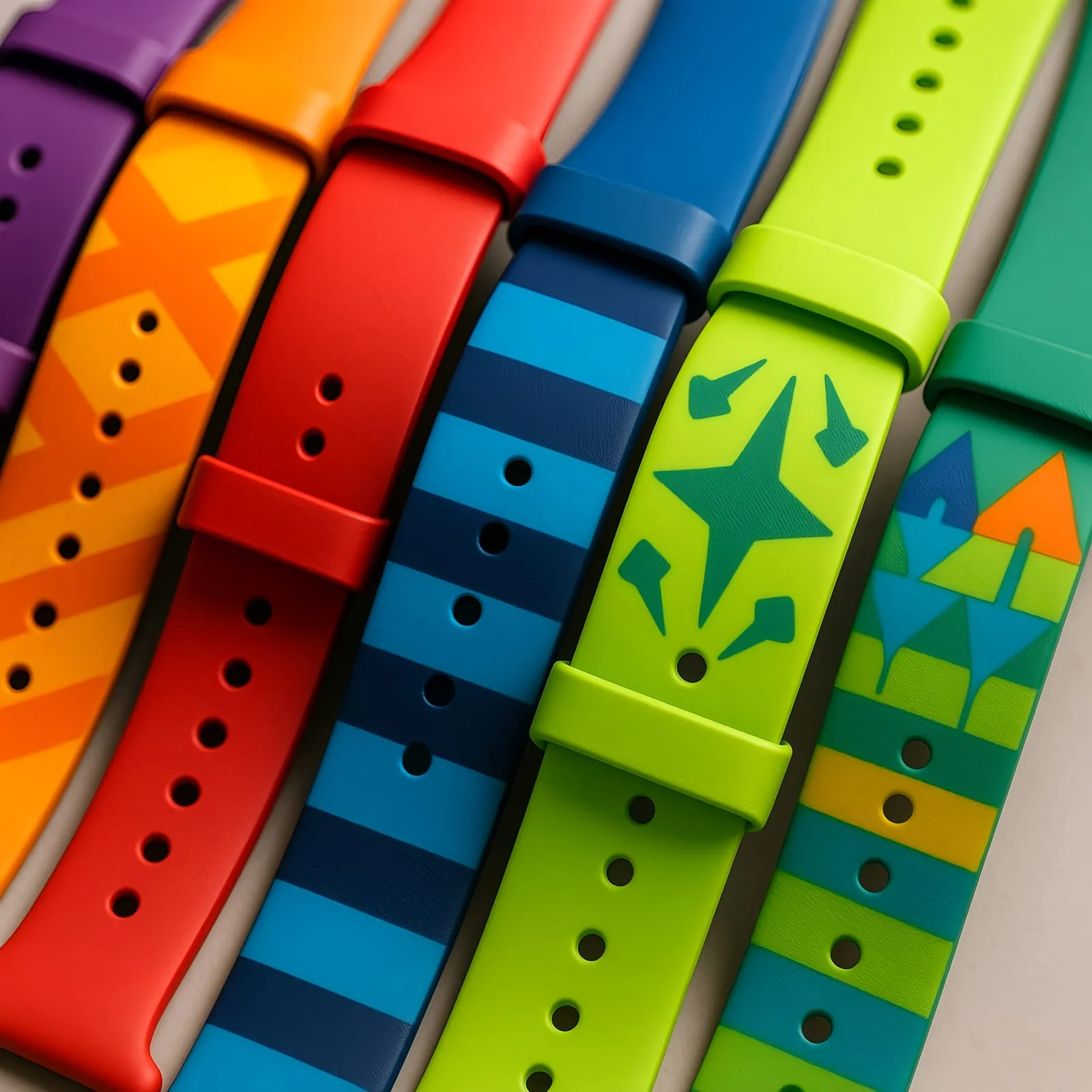
 The latest Mediband dairy intolerance wristbands come in fantastic colors and styles. They’re not chunky or old-fashioned, and people can personalise them to suit their preferences. Mediband also sells wallet cards for those who’d like to put their medical IDs in their wallets.
Don’t let Dairy Intolerance dominate your life. Wear the band and let the good times roll.
Frequently Asked Questions
What's the difference between dairy allergy and dairy intolerance?
Dairy intolerance (lactose intolerance) means your gut can't break down the sugar in milk — uncomfortable, not dangerous. Dairy allergy is an immune-system reaction to milk proteins (casein, whey) and can cause anaphylaxis. The bracelet need is very different for each.
What are the most common symptoms of lactose intolerance?
Bloating, gas, abdominal cramps, diarrhoea, and nausea — typically 30 minutes to 2 hours after consuming dairy. Severity varies enormously between people. Some can tolerate small amounts; others react to traces.
How is lactose intolerance diagnosed?
Hydrogen breath test or lactose tolerance blood test, ordered by your GP. Many people self-diagnose by eliminating dairy for 2-4 weeks and reintroducing — symptoms returning is highly suggestive.
Should someone with dairy allergy wear a medical bracelet?
Yes — anyone who can experience anaphylaxis from dairy must wear a clearly engraved dairy allergy bracelet. List "DAIRY ALLERGY — ANAPHYLAXIS" plus EpiPen status. Lactose-intolerant people don't strictly need a bracelet, but many wear one for hospital admissions.
What dairy substitutes work best?
Soy milk, oat milk and almond milk all work well for cooking and coffee. For yoghurt, coconut yoghurt has the most similar texture. For cheese, almond-based and cashew-based cheeses have improved dramatically. Read labels — "may contain milk" still applies.
Dairy intolerance vs lactose intolerance vs milk allergy
| Condition | What’s affected | Typical symptoms | Urgency |
|---|---|---|---|
| Lactose intolerance | Digestive system (lactase enzyme deficiency) | Bloating, gas, diarrhoea, cramps | Not urgent, uncomfortable |
| Dairy intolerance / sensitivity | Digestive system, sometimes broader sensitivity | Bloating, gas, diarrhoea, nausea, skin reactions | Not urgent, manage by diet |
| Milk / dairy allergy | Immune system reaction | Hives, swelling, breathing difficulty, anaphylaxis | Can be a medical emergency |
These are often confused because the trigger foods overlap, but the mechanism and urgency are different: lactose and dairy intolerance are digestive and uncomfortable rather than dangerous, while a true milk allergy involves the immune system and can escalate quickly.
When to seek medical help
See your GP if symptoms are persistent, you notice unexplained weight loss, blood in your stool, or symptoms in an infant or young child. Seek urgent care or call 000 if you or someone else has breathing difficulty, facial or throat swelling, or other signs of a severe allergic reaction (anaphylaxis) after having dairy — this points to a milk allergy, not a simple intolerance, and needs emergency treatment.
Emergency support for dairy reactions: if you or someone you care for has severe reactions to dairy, a medical ID can help communicate this quickly in an emergency. A bracelet does not treat dairy intolerance or allergy, but it can alert first responders, carers, teachers or bystanders to a known dairy-related risk. See Mediband’s Dairy Allergy Medical Bracelet.
This article is general information only and is not a substitute for medical advice. If you suspect a dairy allergy rather than an intolerance, speak with your GP or an allergy specialist. Sources: Healthdirect Australia, ASCIA (Australasian Society of Clinical Immunology and Allergy), Better Health Channel.

Written by
Founder, Mediband
Founder of Mediband; over 20 years providing medical IDs worldwide.
← Previous
Mediband Safety in a Medical Emergency: How It Keeps You Safe (2026 Guide)
Next →
Universal Medical ID 101 — What It Is and Why You Need One (2026)
Comment(s)