Alcohol Gel Sanitiser: Top 5 Benefits for Your Health
February 19, 2026
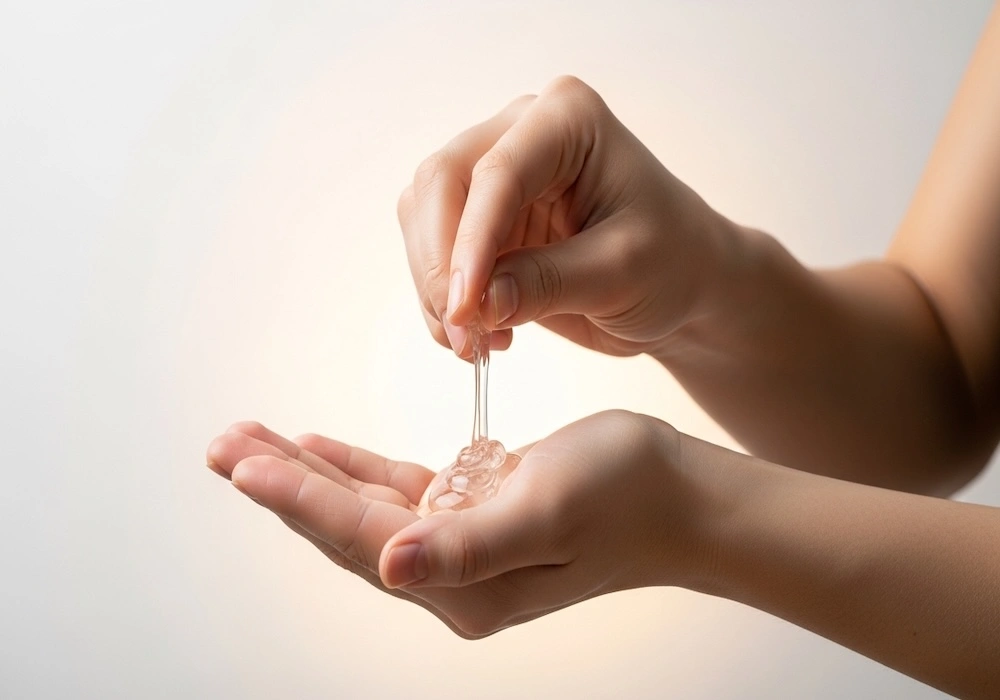
Most people grab a bottle of alcohol gel sanitiser without thinking twice about what it actually does. You use it after touching a shopping cart, before eating, or when a sink is nowhere in sight. It has become such a normal part of daily life that its real health value often gets overlooked. But there is a lot more going on in that small squeeze than most people realise — and knowing the science behind it can genuinely change how you approach hand hygiene every day.
1. It Kills a Wide Range of Harmful Germs Quickly
When you apply a good hand sanitiser gel to your hands and rub it in, the alcohol gets to work almost immediately. Alcohol disrupts the outer membrane of most bacteria and enveloped viruses, causing their internal proteins to break down. This essentially destroys the pathogen's ability to function or reproduce. The keyword here is "enveloped" — this refers to viruses like influenza, coronaviruses, and many other common respiratory viruses, all of which are highly vulnerable to alcohol.
What makes this particularly useful in daily life is the speed. Within seconds of application, alcohol can eliminate most non-spore-forming bacteria and a broad range of viruses. You do not need to wait around or rinse — the gel dries on its own and does its job in the process.
Worth noting here is a real study published in the American Journal of Infection Control, conducted across a 275-bed extended care facility over 34 months. In that study, units where caregivers used an alcohol gel hand sanitiser showed a 30.4% decrease in infection rates compared to control units that did not use the sanitiser. That is a meaningful reduction — and it came purely from better hand hygiene with the gel.
According to the CDC, hand sanitisers with an alcohol concentration between 60 and 95% are significantly more effective at killing germs than those with a lower concentration. So paying attention to the label matters.
2. It Supports Better Hand Hygiene Compliance
One of the less obvious but very real benefits of alcohol gel sanitiser is that it makes good hand hygiene far more achievable in real-world situations. Soap and water are ideal, but they are not always available — on public transport, in office spaces, at markets, or during long commutes. The gel fills that gap.
Research consistently shows that when hand hygiene is easier to perform, people do it more often. In healthcare settings, particularly, the introduction of alcohol-based hand rubs placed at key points in a facility has improved compliance rates significantly. The same logic applies outside of hospitals. When the option is within arm's reach and takes less than 30 seconds, people use it. And when people use it regularly, fewer pathogens are transmitted from surface to hand to face.
There are three main reasons why sanitising hand gel tends to outperform soap and water for compliance:
- It requires no water source or towels, making it usable almost anywhere
- The application process is fast and requires minimal disruption to daily activities
- Modern formulations include moisturisers like glycerol, which make the experience more comfortable on the skin
This matters because hand hygiene is only as effective as the consistency with which it is practiced. A solution that fits into real life will always outperform one that requires ideal conditions.
Complete Your Health Safety Kit
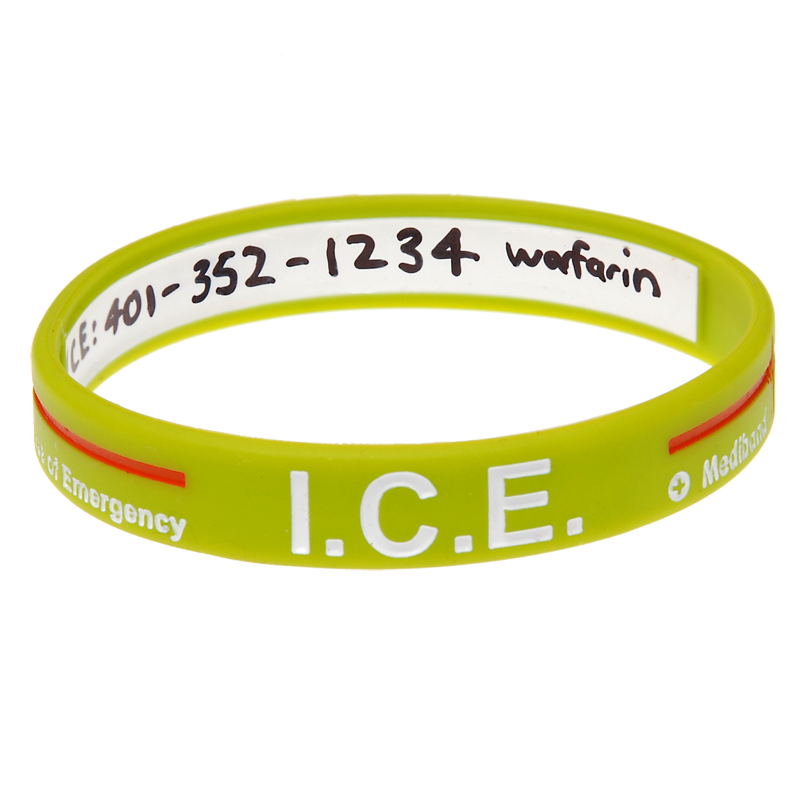
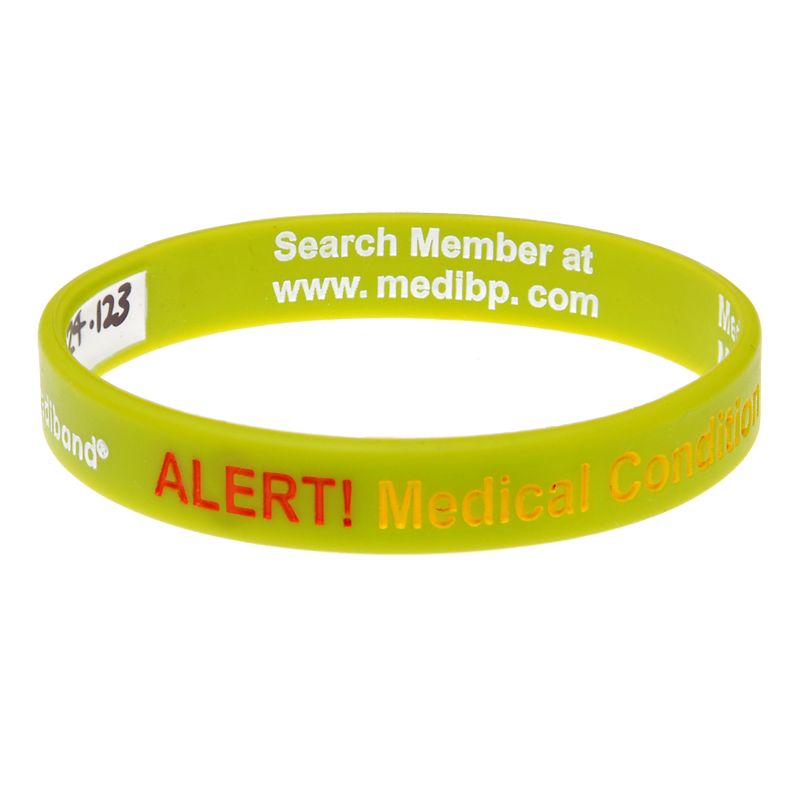
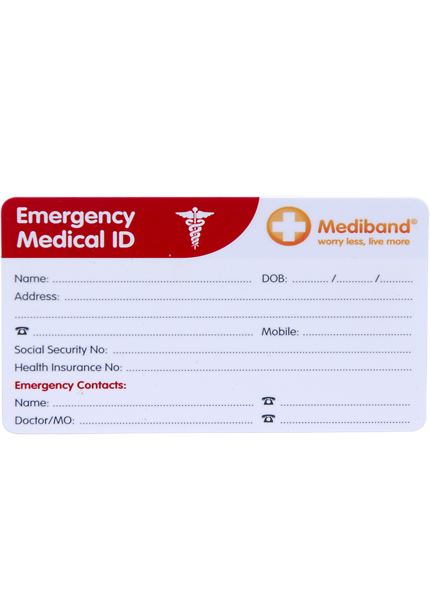
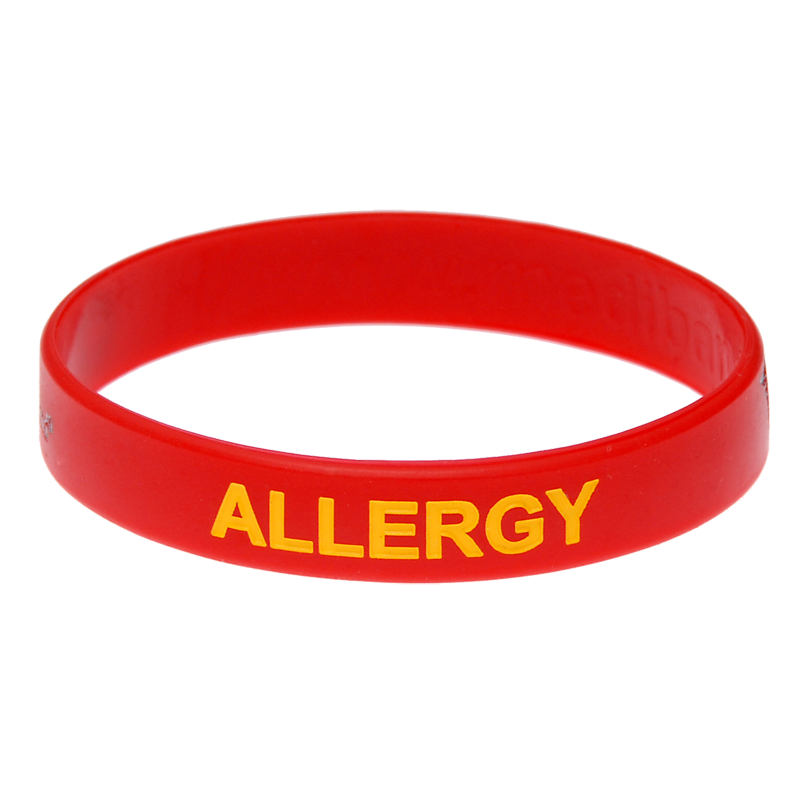
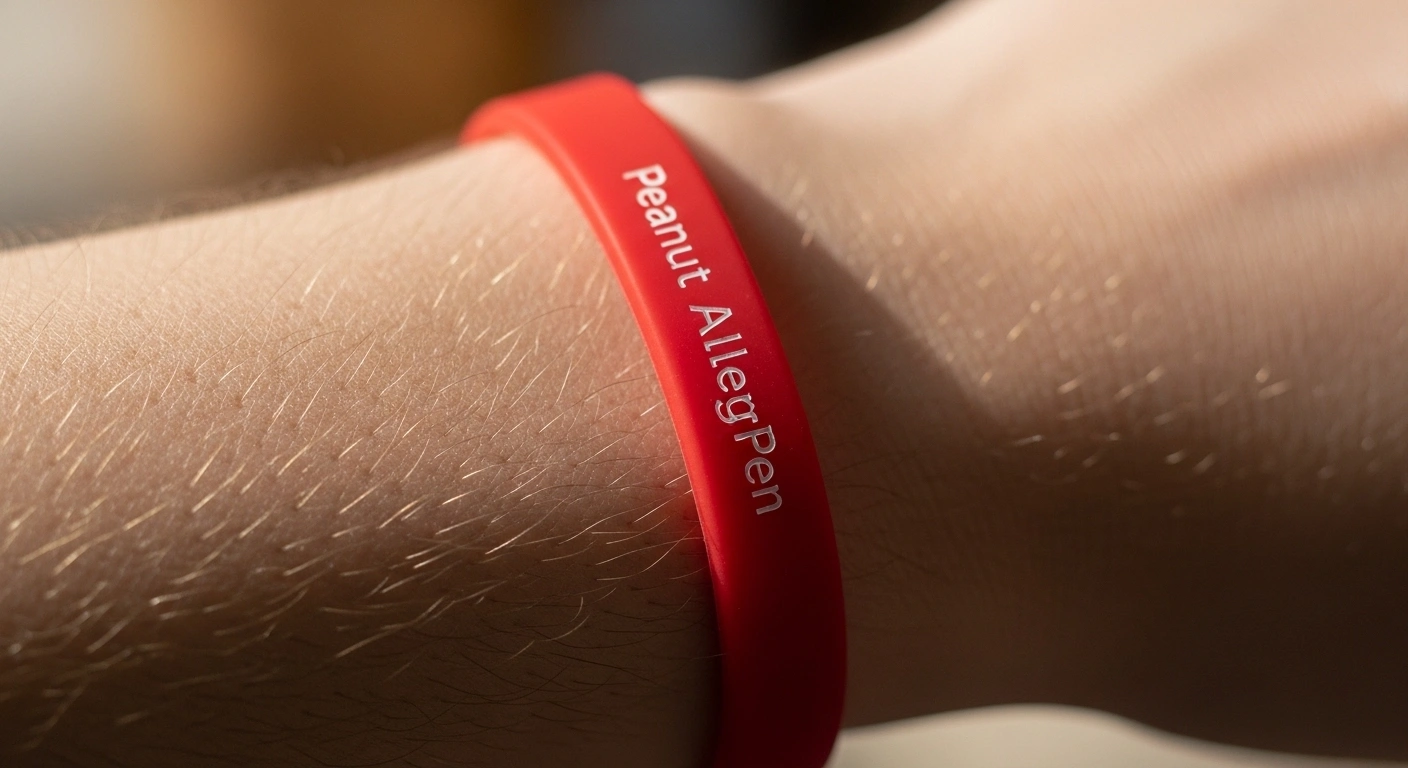
Sanitiser protects against germs — a medical alert bracelet protects you in an emergency by telling first responders what they need to know.
3. It Reduces the Spread of Respiratory and Gastrointestinal Illnesses
One of the most direct health benefits of using sanitising hand gel regularly is its role in cutting down on common illnesses. Colds, flu, food-borne gastroenteritis, and similar conditions spread largely through hand-to-face contact after touching contaminated surfaces. The cycle is simple: someone coughs into their hand, touches a door handle, and the next person who touches that handle carries the pathogen to their eyes, nose, or mouth.
Breaking that cycle at the hand level is one of the most effective public health interventions available. Research from StatPearls (NCBI) confirms that within a few seconds, alcohol can kill most non-spore-forming bacteria and reduce infection transmission rates. Ethanol, the most common active ingredient in these gels, is noted as particularly effective against viruses, while propanol (also found in some formulations) performs strongly against bacteria. Many products combine both for broader protection.
It is worth being clear that the gel does not work on every type of germ. Norovirus, Cryptosporidium, and Clostridium difficile are more resistant, which is why soap and water remain the preferred choice when hands are visibly soiled or after using the bathroom. But for the vast majority of everyday germ exposure, a quality hand sanitiser gel does an excellent job.
4. It Is Gentle Enough for Frequent Use
A concern many people have about using sanitising products regularly is the effect on their skin. This is a fair point. Some older formulations left hands dry and irritated, particularly with repeated use throughout the day. The good news is that modern hand sanitiser gel formulations have come a long way.
Most quality products now include:
- Humectants such as glycerin, which help the skin retain moisture and counteract the drying effect of alcohol
- Emollients like aloe vera, which soothe the skin surface and support the skin barrier
- Skin-conditioning agents that make regular use comfortable for most people
Research published in PMC also supports this — studies have found that alcohol-based hand rubs, when formulated correctly, are generally safe and well-tolerated with repeated use. The skin microflora remains largely stable with regular use of standard formulations, which is reassuring for people who use the gel many times throughout the day.
If you do experience dryness, using a small amount of hand cream in the evening can balance things out without reducing the gel's effectiveness during the day.
5. It Is Practical, Portable, and Ready When You Need It
This might seem like a convenience benefit rather than a health one, but the two are directly connected. The practical nature of alcohol gel sanitiser is precisely what makes it such an effective health tool. You can carry a small bottle in a bag, keep one in the car, at your desk, or near the front door. It does not require special storage, does not spill easily in gel form, and does not require any additional materials to use.
This portability means your protection does not stop at home. When you are on public transport, at a petrol station, touching menus in a restaurant, or handling cash — all situations where surface contamination is genuinely possible — the gel is there immediately. There is no hunting for a bathroom or waiting until you get home.
The benefits of sanitising hand gel in these in-between moments add up over time. The more consistently you can protect yourself throughout the day, the lower your overall exposure to pathogens that cause everyday illness. Good hand hygiene is not a one-time event; it is a habit, and habits are made sustainable when the tools are easy to use.
A Few Things to Keep in Mind
To get the most from any hand sanitiser product, there are a few general points worth knowing. Always use a product with at least 60% alcohol content. Apply enough product to cover all surfaces of both hands, and rub until your hands are dry — this is when the full effect has taken place. And remember that the gel is not a substitute for soap and water when your hands are visibly dirty or after handling certain high-risk materials.
For children, supervision is important since alcohol-based products should not be swallowed. Store products out of reach of young children and follow any guidance on the packaging.
Final Thoughts
The case for regular use of alcohol gel sanitiser is solid. From the speed at which it eliminates pathogens to the real-world evidence of infection rate reductions, the science supports making it part of your daily routine. It is accessible, effective for a wide range of common germs, gentle enough for frequent use when properly formulated, and practical enough to actually use consistently. That last point might be the most important of all — a health habit you can keep up is the one that makes a difference.
This article is for general knowledge purposes only and does not constitute medical advice.
Frequently Asked Questions
Does alcohol gel sanitiser kill all germs?
Alcohol-based hand sanitisers with at least 60 percent alcohol kill most common bacteria and many viruses, including influenza and coronaviruses. However, they are less effective against bacterial spores, norovirus, and some parasites. When hands are visibly dirty or contaminated with chemicals, washing with soap and water is more effective.
How much hand sanitiser should I use each time?
Apply a coin-sized amount — approximately 2 to 3 millilitres — to the palm of one hand. Rub your hands together thoroughly, covering all surfaces including between fingers and around fingernails, for at least 20 seconds or until your hands feel dry. Using too little reduces effectiveness significantly.
What alcohol percentage is most effective in hand sanitiser?
Hand sanitisers with 60 to 80 percent alcohol concentration are most effective at killing germs. According to the Australian Government Department of Health, 70 percent is considered the optimal concentration. Products below 60 percent may not kill many types of germs and are not recommended for healthcare or personal hygiene use.
Does hand sanitiser expire?
Yes. Most alcohol-based sanitisers have a shelf life of two to three years from the date of manufacture. Over time, the alcohol evaporates, reducing the product effectiveness. Check the expiry date printed on the bottle and replace expired products. Store sanitiser in a cool, dry place away from direct sunlight to maintain potency.
Is alcohol gel sanitiser safe for young children?
Alcohol-based sanitisers are safe for children when used under adult supervision. Apply the sanitiser for your child and ensure they rub until completely dry before touching food or their face. Keep sanitiser out of reach of young children to prevent accidental ingestion, which can cause alcohol poisoning in small amounts.

Share on Facebook

Share on X

Share on Pinterest
Comment(s)
Recent Posts
The Risk Of Not Wearing An Allergy Medical Alert Bracelet
March 23, 2026