How to Get More Energy Every Day: 7 Evidence-Based Tips That Actually Work
March 28, 2012
Why Are You So Tired? The Science Behind Modern Fatigue
Fatigue is the number one health complaint reported by adults worldwide — and Australians are no exception. According to the Sleep Health Foundation Australia (2024), approximately 4 in 10 Australian adults report feeling fatigued on a regular basis, with consequences ranging from reduced productivity to increased risk of accidents and chronic disease.
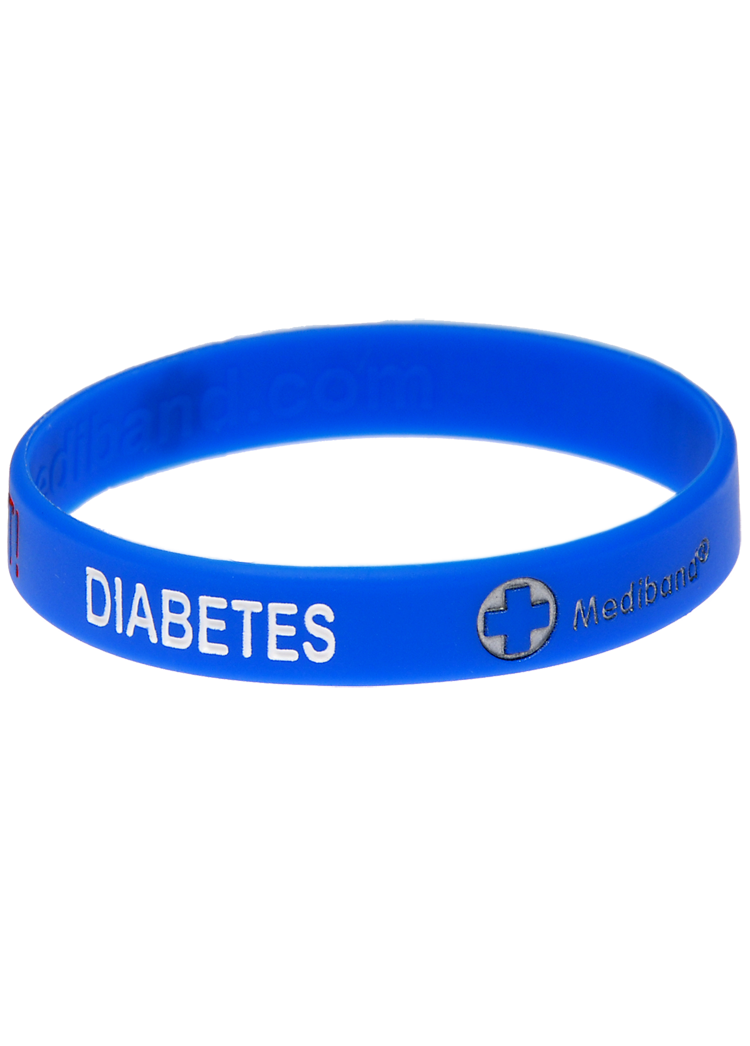
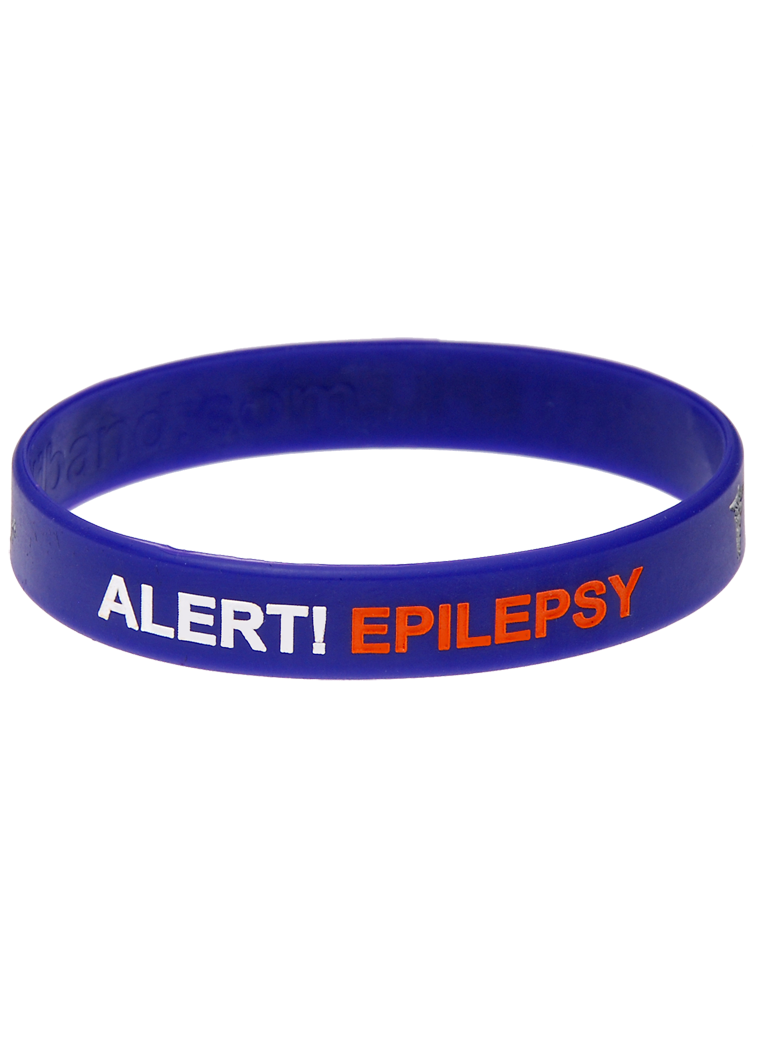
The causes are often a combination of poor sleep, dehydration, sedentary habits, nutrient deficiencies, and chronic stress. For people living with medical conditions like diabetes, epilepsy, thyroid disorders, or heart disease, fatigue can be even more debilitating — and managing energy levels becomes not just a quality-of-life issue, but a safety one.
Here are seven evidence-based strategies to boost your energy naturally — no expensive supplements or extreme routines required.
Managing a Chronic Condition? Stay Safe While Staying Active
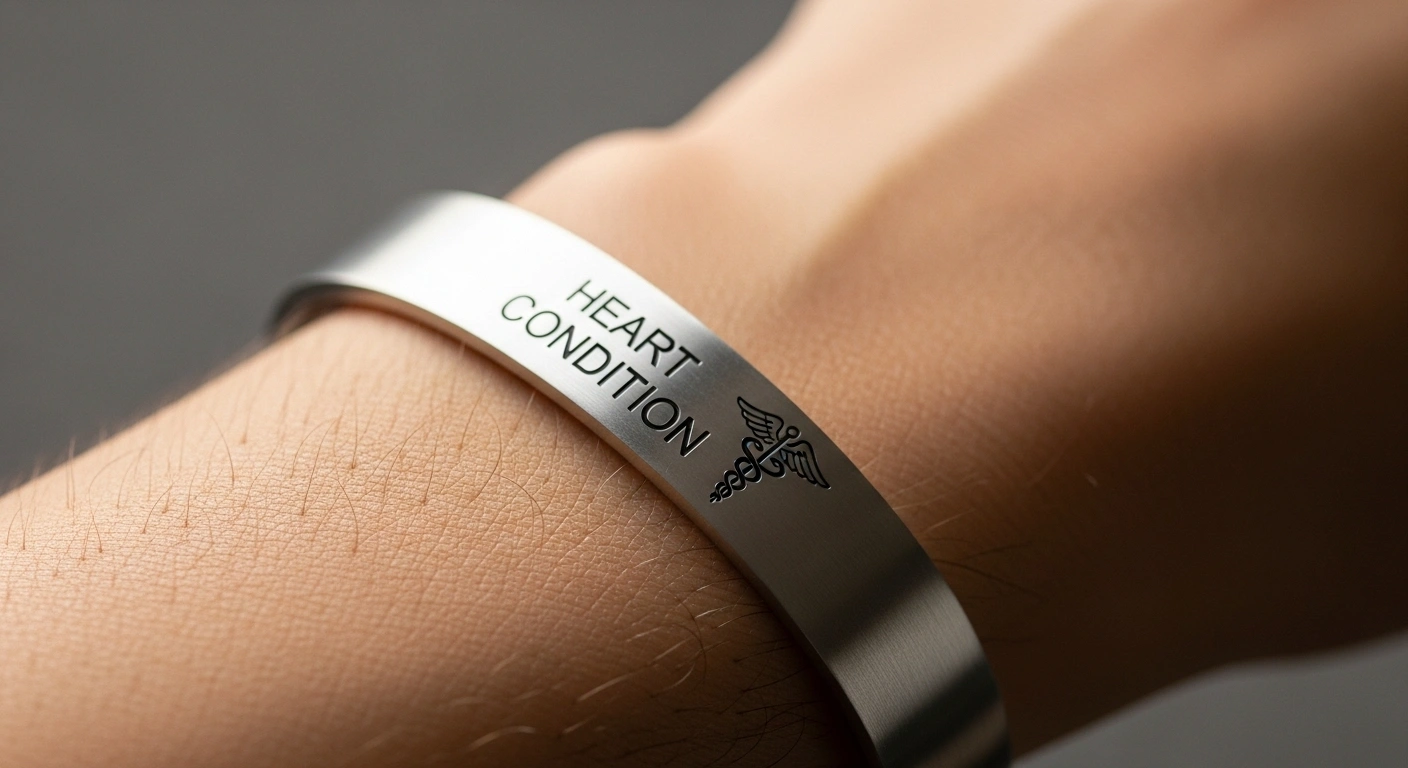
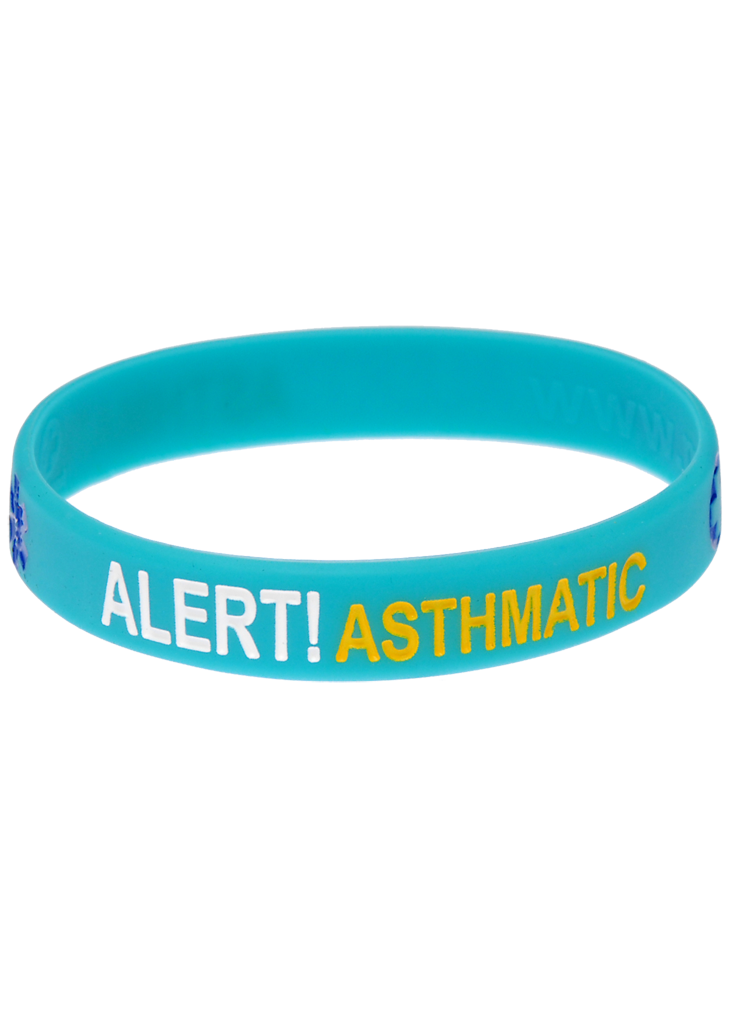
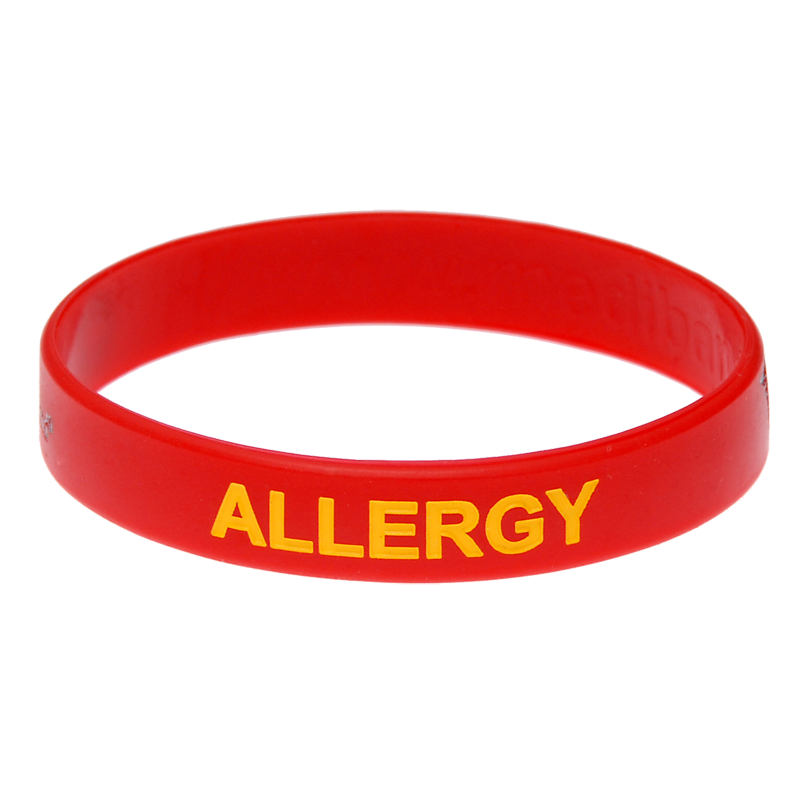
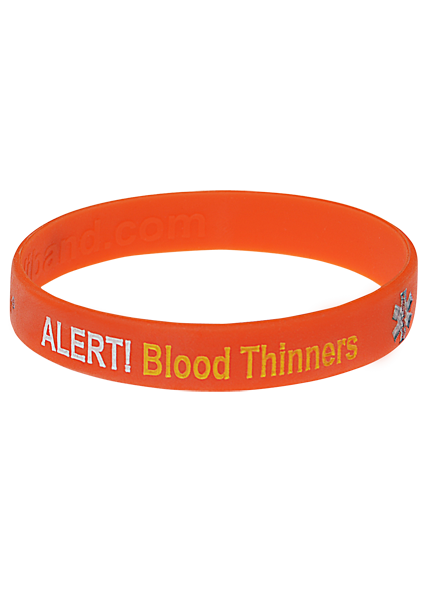
If fatigue is linked to a medical condition, a medical alert bracelet ensures first responders can help you fast.

1. Let the Sunshine In: How Natural Light Resets Your Energy Clock
Your body's internal clock — the circadian rhythm — is primarily regulated by light exposure. When sunlight hits specialised cells in your eyes (called intrinsically photosensitive retinal ganglion cells), it sends a powerful "wake up" signal to the suprachiasmatic nucleus in your brain, which then triggers cortisol release, raises body temperature, and suppresses melatonin production (Walker, 2023).
In practical terms: getting natural light exposure within the first 30–60 minutes of waking is one of the most effective things you can do for your energy levels, mood, and sleep quality.
How to Use Light for Maximum Energy
- Open curtains immediately on waking: Even on overcast days, outdoor light is 10–50 times brighter than indoor lighting. Let daylight flood your bedroom as your first action each morning.
- Get outside within the first hour: A 10–15 minute walk in morning sunlight is ideal. This also helps you sleep better at night by reinforcing your circadian rhythm.
- Use light at lunchtime too: Research published in the Journal of Clinical Sleep Medicine (2024) found that workers who spent at least 30 minutes near a window or outdoors during lunch scored significantly higher on afternoon alertness tests and reported better overall energy levels.
- Reduce blue light at night: The same light sensitivity that wakes you up in the morning can keep you awake if you're exposed to screens before bed. Dim lights and limit screen time in the hour before sleep.

2. Hydrate Before You Feel Thirsty: The Fatigue-Dehydration Connection
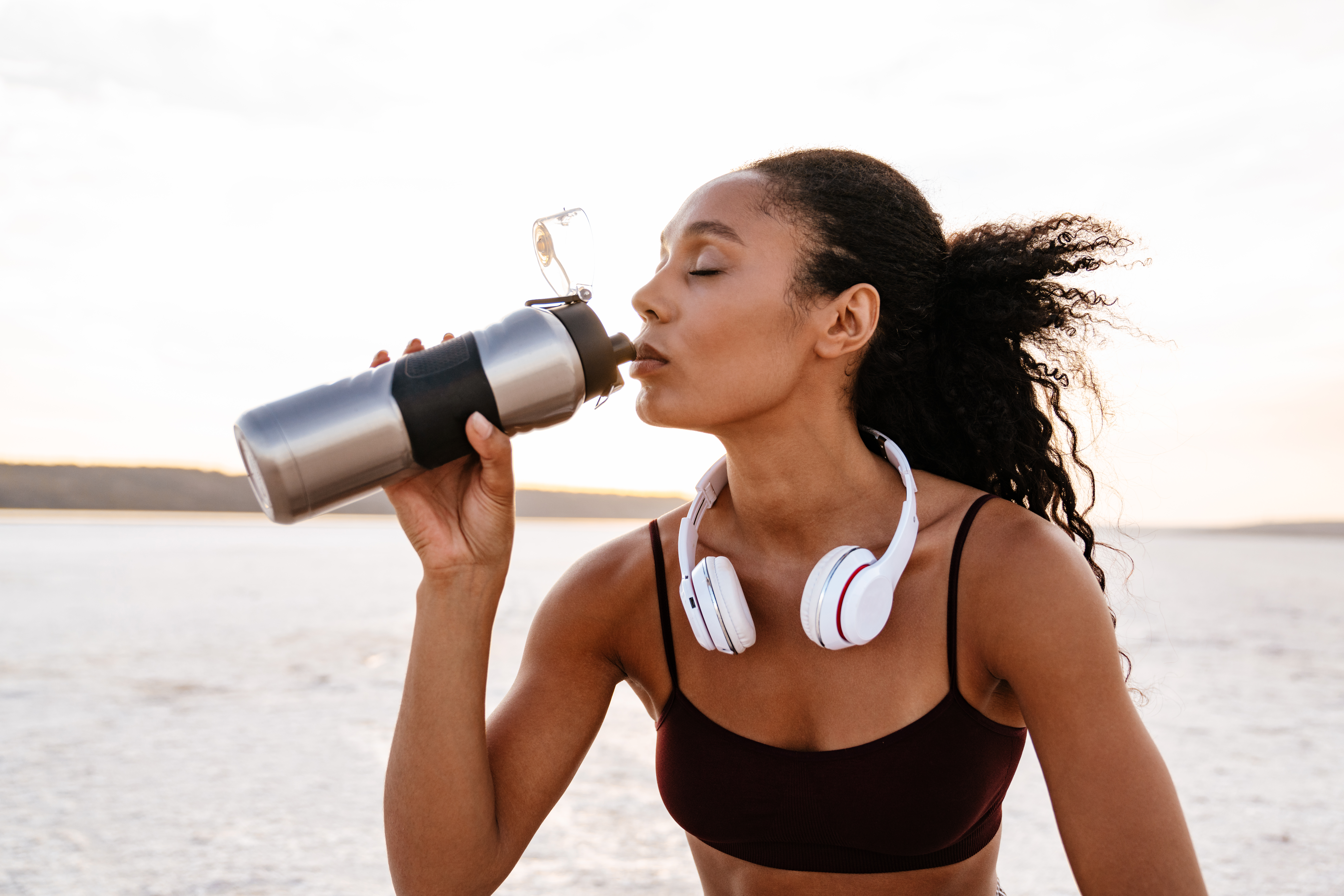
By the time you feel thirsty, you're already mildly dehydrated — and even mild dehydration (as little as 1–2% body water loss) can reduce cognitive performance, increase fatigue, and impair mood (European Journal of Nutrition, 2024). A study from the University of Connecticut found that mild dehydration caused a 25% increase in fatigue ratings and a significant decline in concentration.
For people with conditions like diabetes, where dehydration can accelerate blood sugar imbalances, staying hydrated isn't just an energy tip — it's a medical necessity.
Practical Hydration Strategies
- Start your day with a glass of water: After 7–8 hours of sleep, your body is naturally dehydrated. Drink a full glass of water before your morning coffee or tea.
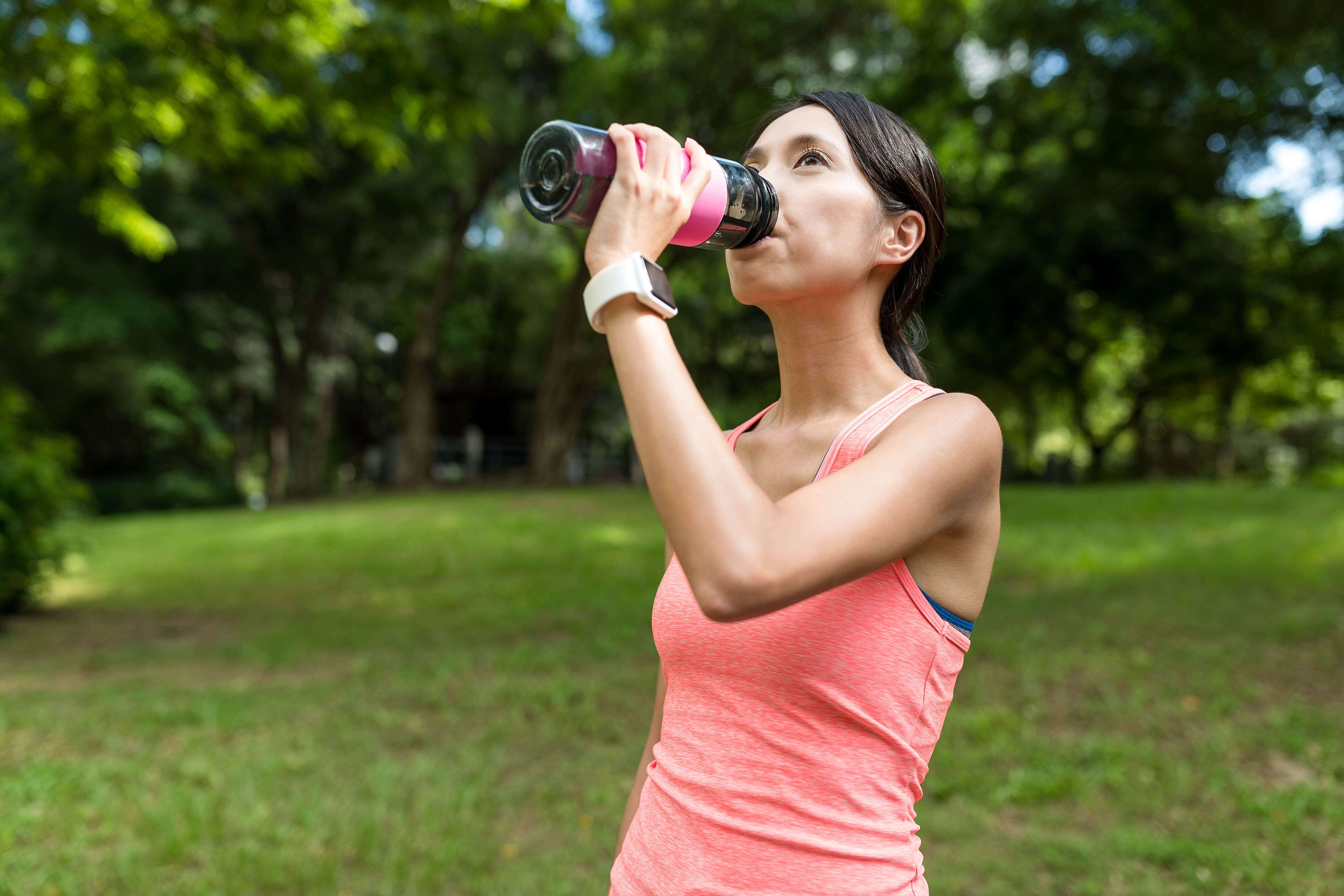
- Carry a water bottle: Having water visible and accessible makes you far more likely to drink regularly throughout the day.
- Aim for 2–2.5 litres daily: This is the general recommendation for adults (National Health and Medical Research Council, Australia). Increase this if you exercise, work outdoors, or live in a hot climate.
- Infuse for flavour: If plain water bores you, add sliced lemon, cucumber, mint, or frozen berries. You'll drink more without adding sugar or calories.
- Monitor the colour: Pale straw-coloured urine indicates good hydration. Dark yellow means you need to drink more.
3. Take a Power Nap: The 20-Minute Energy Reset
NASA research on pilots and astronauts found that a 26-minute nap improved alertness by 54% and performance by 34%. The key word is short — napping for 20–30 minutes gives you the benefits of light sleep (improved alertness, mood, and motor performance) without falling into deep sleep, which can leave you groggy.
How to Nap Effectively
- Keep it under 30 minutes: Set an alarm for 20–25 minutes. Anything longer risks sleep inertia — that heavy, disoriented feeling when you wake from deep sleep.
- Nap between 1–3pm: This is the natural circadian dip when your body temperature drops slightly and alertness decreases. Napping here works with your biology, not against it.
- Try the "coffee nap": Drink a cup of coffee immediately before your nap. Caffeine takes about 20 minutes to kick in, so you'll wake up with both the restorative benefit of the nap and the stimulant effect of the caffeine.
- Don't feel guilty: Major companies including Google, Nike, and NASA actively encourage napping. It's not laziness — it's a proven performance strategy.
4. Move Your Body: Why Exercise Creates Energy Instead of Draining It
It sounds counterintuitive, but physical activity is one of the most effective treatments for fatigue. A meta-analysis published in Psychotherapy and Psychosomatics (2023) found that regular, low-intensity exercise reduced fatigue by 65% — outperforming both medication and cognitive therapy for fatigue management.
Exercise increases mitochondrial density in your cells (the "power plants" that produce energy), improves cardiovascular efficiency, enhances oxygen delivery to tissues, and triggers the release of endorphins and dopamine — all of which translate to sustained energy throughout the day.
The Best Types of Exercise for Energy
- Walking: A brisk 10-minute walk raises energy levels for up to 2 hours (University of Georgia, 2023). It's free, requires no equipment, and can be done anywhere.
- Stretching and yoga: Even 5–10 minutes of stretching in the morning increases blood flow, releases muscle tension, and activates your nervous system.
- Strength training: Building muscle mass increases your resting metabolic rate, meaning you produce and use energy more efficiently even when you're not exercising.
- Outdoor exercise: Exercising outdoors combines the benefits of movement with natural light exposure — a double energy boost.
If you live with a condition like epilepsy, asthma, or a heart condition, exercise is still beneficial — but wearing a medical alert bracelet during physical activity ensures that anyone nearby can respond correctly if an episode occurs.
5. Eat for Energy: Foods That Fuel You (and Foods That Don't)
What you eat directly determines how much energy you have. Simple sugars (lollies, soft drinks, white bread) cause a rapid blood sugar spike followed by a crash that leaves you more tired than before. Complex carbohydrates, healthy fats, and protein provide sustained, steady energy without the rollercoaster.
Energy-Boosting Foods
- Oats: Slow-release complex carbohydrates that keep blood sugar stable for hours. Add nuts and fruit for extra staying power.
- Bananas: Rich in potassium, vitamin B6, and natural sugars that convert to energy quickly but without the crash of processed sugar.
- Nuts and seeds: Almonds, walnuts, chia seeds, and pumpkin seeds are packed with healthy fats, protein, and magnesium — a mineral that plays a critical role in energy production.
- Eggs: High in protein and B vitamins, which are essential for converting food into usable energy. A great breakfast choice for sustained morning energy.
- Leafy greens: Spinach, kale, and broccoli are rich in iron and folate, both of which are essential for oxygen transport and energy metabolism. Low iron is one of the most common causes of unexplained fatigue.
Energy-Draining Foods to Limit
- Sugary drinks and energy drinks: The sugar crash typically hits 1–2 hours after consumption, leaving you worse off than before.
- White bread and pastries: Highly refined carbohydrates that spike blood sugar rapidly.
- Heavy, high-fat lunches: Large meals divert blood flow to your digestive system, causing the "food coma" that kills afternoon productivity.
6. Manage Stress: The Hidden Energy Thief
Chronic stress is one of the biggest but least recognised causes of fatigue. When your body is in a prolonged state of "fight or flight," it continuously pumps cortisol and adrenaline — hormones that are designed for short-term emergencies, not daily life. Over time, this depletes your energy reserves, disrupts sleep, and weakens your immune system.
According to Beyond Blue (2024), over 3 million Australians live with anxiety, and stress-related fatigue is one of its most common symptoms.
Practical Stress-Reduction Techniques
- Deep breathing: The 4-7-8 technique (inhale for 4 seconds, hold for 7, exhale for 8) activates the parasympathetic nervous system and reduces cortisol within minutes.
- Time in nature: A 20-minute walk in a park or green space has been shown to reduce cortisol levels by 20% (Frontiers in Psychology, 2023).
- Set boundaries: Learn to say no to non-essential commitments. Overcommitment is one of the primary drivers of chronic stress and energy depletion.
- Seek professional help: If stress or anxiety is persistent, talk to your GP or call Beyond Blue on 1300 22 4636. Effective treatments are available.
7. Sleep Better: Quality Matters More Than Quantity
Sleep is the foundation that all other energy strategies build on. The Sleep Health Foundation Australia (2024) recommends 7–9 hours per night for adults — but sleep quality matters just as much as duration. Fragmented sleep, even for 8 hours, can leave you more fatigued than 6 hours of uninterrupted, deep sleep.
Sleep Hygiene Essentials
- Consistent schedule: Go to bed and wake up at the same time every day — including weekends. This reinforces your circadian rhythm and makes both falling asleep and waking up easier.
- Cool, dark room: The ideal sleep temperature is 18–20°C. Use blackout curtains and remove or cover any light sources, including standby LEDs.
- No screens for 60 minutes before bed: Blue light from phones and tablets suppresses melatonin production by up to 50%.
- Limit caffeine after 2pm: Caffeine has a half-life of 5–6 hours, meaning half of the caffeine from a 2pm coffee is still in your system at 8pm.
- Address sleep disorders: If you consistently wake unrefreshed despite adequate sleep time, talk to your GP about conditions like sleep apnoea — which affects over 1 million Australians and is significantly underdiagnosed.
Frequently Asked Questions
How much water should I drink each day for more energy?
The general recommendation for Australian adults is 2 to 2.5 litres per day, though this varies based on activity level, climate, and body size. Start with a glass of water first thing in the morning, carry a bottle throughout the day, and increase intake if you exercise or work in hot conditions. Pale straw-coloured urine indicates good hydration.
How long should a power nap be to boost energy?
The ideal power nap is 20 to 26 minutes. This gives you the alertness and performance benefits of light sleep without the grogginess that comes from falling into deep sleep. Set an alarm, nap between 1pm and 3pm, and try drinking a coffee immediately before your nap for a combined energy boost when you wake.
Can exercise help if I feel tired all the time?
Yes. Research shows that regular low-intensity exercise reduces chronic fatigue by up to 65%. Even a 10-minute brisk walk can raise energy levels for up to 2 hours. Start small and build gradually. If fatigue persists despite regular exercise, see your GP to rule out underlying conditions like thyroid disorders, iron deficiency, or sleep apnoea.
What foods give you the most sustained energy?
The best energy foods combine complex carbohydrates, protein, and healthy fats: oats with nuts, eggs on wholegrain toast, bananas with almond butter, or leafy green salads with lean protein. Avoid sugary snacks and drinks, which cause a rapid energy spike followed by a crash. Iron-rich foods like spinach and lean red meat are particularly important if you feel fatigued regularly.
Why should I wear a medical alert bracelet during exercise?
If you have a condition like diabetes, epilepsy, asthma, or a heart condition, exercise can sometimes trigger an episode. A medical alert bracelet tells anyone nearby — other gym-goers, coaches, or paramedics — exactly what's happening and how to help. 95% of emergency responders check for a medical ID within the first 30 seconds of treatment.

Share on Facebook

Share on X

Share on Pinterest
Comment(s)
Recent Posts
The Risk Of Not Wearing An Allergy Medical Alert Bracelet
March 23, 2026