

By Michael Randall · Founder, Mediband
Medically reviewed · Updated September 2025 · 10 min read
Medically reviewed · Updated September 2025 · 10 min read
Heart Health for Australians — 10 Practical Daily Habits That Actually Move the Needle (2025)
Updated September 2025. Cardiovascular disease is the leading cause of death in Australia — one Australian every 12 minutes (Australian Bureau of Statistics 2024). 80% of premature heart events are preventable through known daily habits. The hard part isn’t the science. It’s building consistent daily action.
This guide is the practical, evidence-based playbook for Australian adults wanting to keep their heart healthy — whether you’ve never had a cardiac issue, you’re managing diagnosed disease, or you’re caring for an at-risk parent. Drawn from Heart Foundation Australia, BMJ research, and Mediband customer feedback.
The Australian Heart Health Snapshot (2024 data)
- 1 in 4 Australians have at least one cardiovascular condition
- 4 million Australians live with high blood pressure (1 in 3 adults)
- 1 in 2 Australian men over 65 have some form of heart disease
- $10.4 billion direct annual cost to the Australian healthcare system
- 80% of premature cardiac events preventable through lifestyle (Heart Foundation 2024)
Recommended for you
Products related to this article
Hand-picked to go with what you just read.
The 5 Risk Factors You Can Actually Control
These five drive 80% of preventable cardiac disease:
- 1. Blood pressure — aim <120/80; treat anything consistently >140/90
- 2. LDL cholesterol — under 3.0 mmol/L (lower if previous heart event)
- 3. Body weight — BMI 18.5-24.9 OR waist circumference <94cm (men) / <80cm (women)
- 4. Smoking — the single biggest one. Stop completely.
- 5. Physical inactivity — aim for 150 minutes moderate cardio per week
10 Daily Habits That Move the Needle
Stacked in order of impact:
- 1. Walk 30 minutes a day — the single best return-on-effort cardiovascular habit. Outdoor walks beat indoor treadmill for mood + vitamin D.
- 2. Sleep 7-9 hours on a consistent schedule — less than 6 hours = 13% higher cardiac risk (Lancet 2024).
- 3. Eat the Mediterranean way — 7+ serves veg + fruit/day, olive oil, fish 2x/week, legumes, nuts. Reduces cardiac events 30% (PREDIMED trial).
- 4. Limit alcohol to 2 standard drinks/day max — NHMRC 2020 guideline; ideally fewer.
- 5. Manage stress every day — chronic stress raises cortisol + blood pressure. 10 min breathing or walk outside.
- 6. Hydrate — 2.5-3 L water/day; dehydration thickens blood + raises strain.
- 7. Strength train 2x/week — muscle mass protects heart; even 20-min bodyweight sessions work.
- 8. Annual blood pressure + cholesterol check — from age 45 (35 if Aboriginal or Torres Strait Islander).
- 9. Floss + maintain oral health — gum disease bacteria linked to heart inflammation.
- 10. Wear a medical alert bracelet if at risk — if you have a cardiac condition, are on warfarin or anticoagulant, or have a pacemaker.
Know Your Numbers — The Annual Health Check
The Heart Foundation Australia recommends an annual Heart Health Check from age 45 (35 if Aboriginal or Torres Strait Islander, or with family history). The check is Medicare-rebated (MBS item 699). It covers:
- Blood pressure
- Cholesterol panel (total + LDL + HDL + triglycerides)
- Blood glucose / HbA1c (for diabetes screening)
- Waist circumference + BMI
- Family history
- Smoking status
- Calculated 5-year cardiovascular risk score
Ask your GP for a Heart Health Check at your next visit. It’s 15 minutes of clinic time and the most valuable preventive health screen you can have.
Warning Signs You Should Never Ignore
Call 000 immediately if you experience:
- Chest pain or pressure — tight band, heaviness, squeezing (may radiate to jaw, arm, back)
- Shortness of breath — especially with exertion or lying flat
- Palpitations with light-headedness or fainting
- Sudden weakness on one side of body (possible stroke)
- Sudden severe headache with no obvious cause
- Cold sweat + nausea with any chest discomfort
Women often have atypical heart attack symptoms: fatigue, nausea, jaw pain, upper back pain — without classic chest pain. Don’t dismiss these.
The Mediterranean Diet — Australian Translation
The strongest evidence base for cardiovascular protection. Australian-adapted:
- 7+ serves vegetables + 2 serves fruit daily
- Olive oil as primary cooking fat (replace butter, margarine)
- Fish 2-3 times per week (oily fish like salmon, sardines, mackerel)
- Legumes (chickpeas, lentils, kidney beans) 3+ times/week
- Nuts a small handful daily (almonds, walnuts) — not if peanut/tree-nut allergic
- Wholegrain bread, brown rice, oats (limit refined carbs)
- Lean chicken + turkey OK; limit red meat to 1-2 times/week
- Minimise processed meats, ultra-processed snacks, sugary drinks
Exercise — The 150 / 75 Rule
Australian Department of Health guideline:
- 150 minutes of MODERATE cardio per week (brisk walking, gardening, swimming, cycling)
- OR 75 minutes of VIGOROUS cardio (running, fast cycling, sport)
- PLUS muscle-strengthening activity 2 days/week (resistance bands, bodyweight, gym)
- Breaks throughout the day to reduce sedentary time
Spread it across the week. Sunday-only exercise doesn’t protect the heart the same way as daily 30-minute walks.
For Australians Living With Cardiac Conditions
If you have an existing heart condition, the rules tighten:
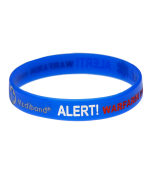
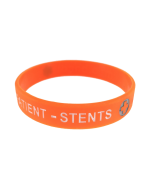
- Wear a visible cardiac alert bracelet if you have stents or angina history
- Wear a pacemaker bracelet if you have an implanted device — affects defibrillation and MRI decisions
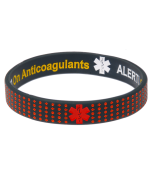
- If on anticoagulants (warfarin, apixaban, rivaroxaban) wear an anticoagulant bracelet — bleeding risk affects every emergency treatment
- Carry a written emergency action plan from your cardiologist
- Know your cardiologist’s phone number by heart (literally)
Mental Health and Heart Health Are Connected
Depression doubles the risk of cardiac events after heart disease diagnosis. Anxiety + chronic stress drive sympathetic nervous system activation, raising blood pressure and cortisol. Tools:
- If persistent low mood lasts 2+ weeks, see your GP for a Mental Health Treatment Plan
- Practice 10 minutes of slow breathing daily (box breathing, 4-7-8 method)
- Sleep schedule consistency — same time every night
- Reduce evening screen time
- Maintain social connection — isolation is a cardiovascular risk factor
For Caregivers and Family Members
If you care for an elderly parent or partner with heart disease:
- Help them stay current with medications — weekly pill dispensers
- Drive them to GP + cardiology appointments
- Walk together — covers their exercise + your own + social connection
- Cook for them in the Mediterranean style
- Ensure they wear a visible medical alert bracelet daily
- Know the signs of stroke (FAST: Face, Arms, Speech, Time)
Australian Heart Health Resources
- Heart Foundation Australia — heartfoundation.org.au, helpline 13 11 12
- Stroke Foundation Australia — strokefoundation.org.au, 1300 194 196
- Heart Health Check via your GP (MBS item 699)
- Cardiac Rehabilitation — Medicare-funded after a cardiac event
- QUIT smoking helpline — 13 78 48
The Mediband Promise
For Australians living with cardiac conditions, on anticoagulants, or with implanted devices, Mediband provides visible alert bracelets trusted by 500,000+ families. NDIS-registered, designed for daily wear, recognised by every Australian paramedic crew.
References & Further Reading
- Heart Foundation Australia (2024). Cardiovascular Risk Calculator + Heart Health Check Guidelines.
- Australian Bureau of Statistics (2024). Cardiovascular Disease Statistics.
- NHMRC (2024). Australian Dietary Guidelines.
- Australian Department of Health — Physical Activity Guidelines for All Australians.
- PREDIMED Trial — Mediterranean Diet + Cardiovascular Outcomes. NEJM.
Frequently Asked Questions
Quick answers from the Mediband team
What's the single most effective habit for heart health?
30 minutes of walking per day. The Heart Foundation Australia rates this as the highest-return cardiovascular habit per minute invested. Outdoor walks beat indoor treadmill for mood and vitamin D. Spread across the day works as well as one block.
At what age should I start having heart health checks?
From age 45 for most Australians (35 if you're Aboriginal or Torres Strait Islander, or have a strong family history). It's Medicare-rebated (MBS item 699) and takes 15 minutes. Annual check after that.
What blood pressure number is too high?
Consistently above 140/90 mmHg requires treatment. Optimal is below 120/80. A single high reading doesn't diagnose hypertension — your GP will average several readings or fit a 24-hour blood pressure monitor.
Does the Mediterranean diet really reduce heart attacks?
Yes. The PREDIMED trial of 7,400+ adults showed a 30% reduction in major cardiovascular events over 5 years for the Mediterranean diet vs control. Olive oil, fish, legumes, nuts, vegetables, and limited red meat are the core.
What are heart attack symptoms in women?
Often atypical. Women may have fatigue, nausea, jaw pain, upper back pain, or shortness of breath — without classic chest pain. Cold sweats and a sudden sense of impending doom are also common. Never dismiss these symptoms; call 000 if in doubt.
How does sleep affect heart health?
Less than 6 hours per night = 13% higher cardiac risk (Lancet 2024). Sleep regulates blood pressure, cortisol, inflammation, and glucose. The most important factor is consistent timing — same bedtime every night. Insomnia and sleep apnoea both significantly raise cardiac risk.
Should I wear a medical alert bracelet if I have a heart condition?
Yes — especially if you have stents, a pacemaker/ICD, or take anticoagulants (warfarin, apixaban, rivaroxaban). The bracelet tells paramedics within seconds, which guides defibrillation pad placement, MRI safety, antiplatelet management, and bleeding control. Mediband makes specific cardiac, pacemaker, and anticoagulant alert bracelets.

Written by
Founder, Mediband
Founder of Mediband; over 20 years providing medical IDs worldwide.
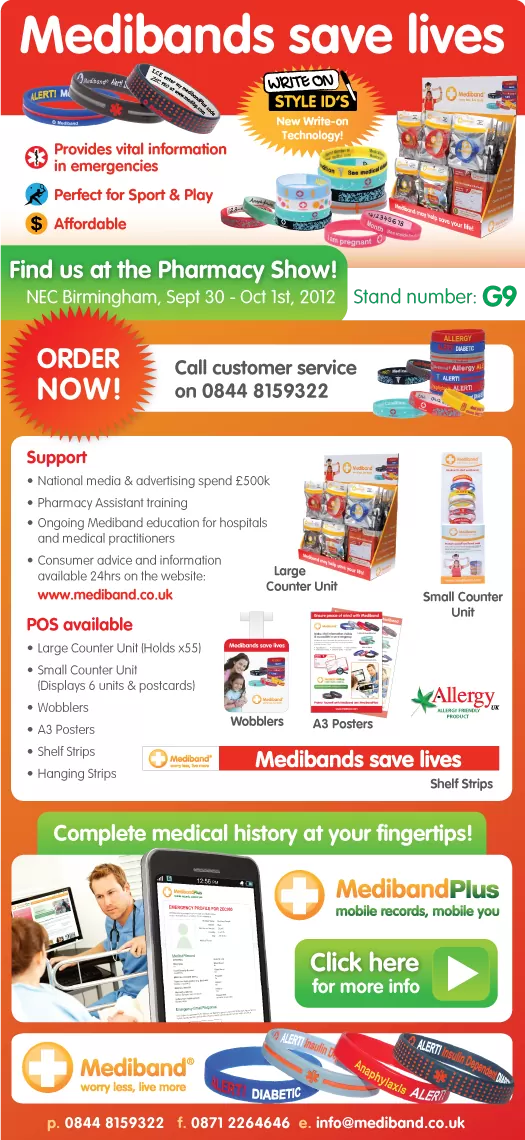

How can I buy one of these bands as I have AF & think there a great idea' please forward me an email or contact me on:
07773406634
Thank You
Mr S Turner