5 Tips for Managing Epilepsy So It Doesn’t Ruin Your Social Life
September 10, 2019

Having epilepsy can make it challenging to have a social life. Some people who suffer from epileptic seizures get so anxious about having seizures they decide not to go out at all. It doesn’t matter if it’s time meant to be spent with friends or family. The fear of embarrassment and risk of a sudden seizure while outside usually outweigh the desire to socialise.
However, living with epilepsy doesn’t mean you need to behave like a hermit for the rest of your life. There are ways and means by which you can manage it by avoiding seizure triggers. Five of them are discussed below.

Photo by Abigail Lynn on Unsplash | https://unsplash.com/photos/rdmJc2Os4EM
1. Avoid exposure to flashing lights or certain visual patterns
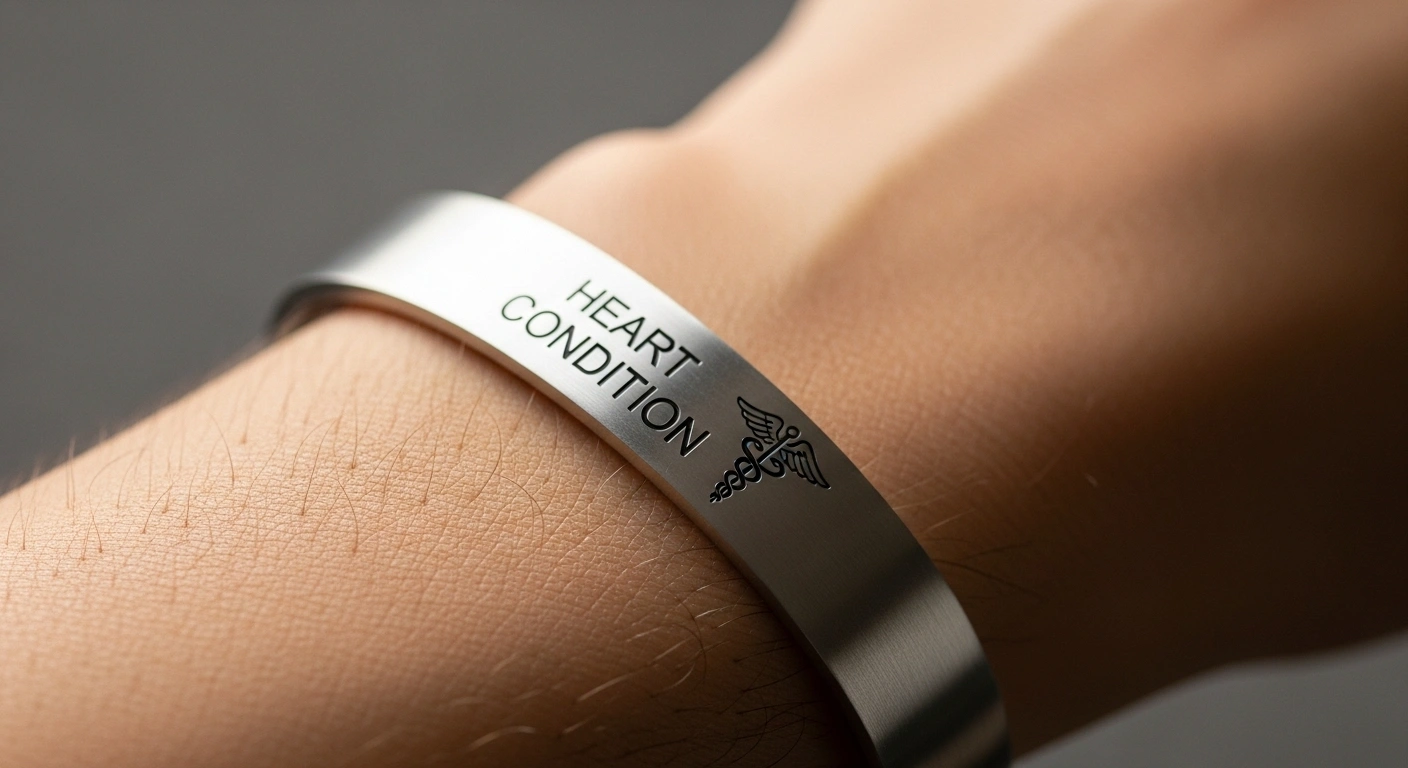
Only around three per cent of people with epilepsy are photosensitive. And although photosensitive epilepsy afflicts more children than adults, you should know if you are one of them. If so, then you will need to stay away from concerts, bars or clubs. You can definitely say yes to parties and other events that don’t involve these visual stimulants. If you must go to an event where it is likely you may have an attack, wear an epilepsy medical ID bracelet or a medical alert bracelet. In case of a seizure, this will help ensure you get the immediate first aid or medical attention you need.

Photo by Matthew T Rader on Unsplash | https://unsplash.com/photos/bZbd02TN9t0
2. Get adequate quality sleep
Sleep deprivation has been known to trigger epileptic seizures. In fact, it has been identified as the second most common trigger of seizures. This is why it is essential to avoid pulling "all-nighters" or losing sleep for extended periods. Adults with epilepsy need about seven to eight hours of good quality sleep per night.
What if you have trouble sleeping?
If you have trouble sleeping, consider checking the following:
- Poor sleeping habits: Avoid tech screen time about 30 minutes to an hour before bedtime. If possible, leave your phone outside the bedroom. Also, have your last meal at least two hours before sleeping. Moreover, stick to a regular sleeping and waking schedule.
- Lack of exercise: Be sure to engage in regular physical activity (at least 30 minutes a day), and avoid exercising too close to bedtime. You should also avoid stimulating activities before going to bed. Instead, practice meditation or relaxation techniques.
- Caffeine intake: Do not have tea, coffee, chocolate or any high-caffeine food and drinks six hours before bedtime.
- Bedroom conditions: Ensure your bedroom is conducive to sleeping. Have blackout curtains installed if your room gets a lot of morning sunlight. Make sure it is quiet and cool enough to help you relax and go to sleep.
- Showering before bedtime with warm water: This has been known to help induce relaxation and sleep.

Photo by Eaters Collective on Unsplash | https://unsplash.com/photos/rS2OpgFbeMk
3. Steer clear of alcohol to avoid epilepsy
The effect of alcohol on epileptic individuals varies. However, if you know that you have a sensitivity to alcohol, avoid drinking it. Most alcohol-related seizures happen with a hangover. This is because the brain is dehydrated at this stage. If you must drink, then stay hydrated by drinking water in between. Know your limits, and avoid intoxication at all costs. Also, note that some anti-epilepsy medications lose their potency when mixed with alcohol.

Photo by Matthew T Rader on Unsplash | https://unsplash.com/photos/Y6MzYPOLkXI
4. Stay away from drugs
Drug abuse is a major problem in itself, whether the user has epilepsy or not. However, the use of recreational drugs poses greater risks to people living with epilepsy. Using drugs also puts the brain in a dehydrated state and triggers seizures. Bad cases of drug use-induced seizures can even lead to sudden unexplained death in epilepsy (SUDEP). Certain drugs can also reduce the efficacy of anti-epilepsy medication. These are all compelling reasons for you to stay away from drugs altogether.

Photo by Christian Erfurt on Unsplash | https://unsplash.com/photos/sxQz2VfoFBE
5. Know if you have social or stress triggers
The connection between stress and epileptic seizures is not entirely understood. However, do note what certain social situations or problems make you anxious and lead to seizures. In doing so, you can find ways of managing or avoiding them. In one report, nine out of 10 people with epilepsy “who actively managed their stress believed it reduced their risk of seizures.”
If you are female, you may already know that the menstrual cycle can trigger seizures. Known as “catamenial epilepsy,” these seizures occur around the menstrual cycle. If you suffer from this, talk to your doctor about the best ways for managing seizures during this period.
Lead a full life with epilepsy
Having epilepsy doesn’t mean your life has to be severely limited. Wearing customised medical accessories stating essential medical information can help ensure you get the appropriate medical attention during a seizure.
By following the tips above, you can certainly lead a full life while dealing with epilepsy.
Want to know how we can help?
Get in touch with us so we can tailor the kind of medical accessory you need.

Share on Facebook

Share on X

Share on Pinterest
Comment(s)
Recent Posts

The Risk Of Not Wearing An Allergy Medical Alert Bracelet
March 23, 2026