Around 40% of packaging ends up in landfill, and another third washes into the ocean. Plastic does not break down on any timescale that matters — it just shreds into smaller and smaller fragments that we now find in human blood, breast milk, and the deepest parts of the ocean.
For businesses in 2026, packaging is no longer a quiet line item on the balance sheet. Customers are checking. Regulators are catching up. Investors are asking. And the cost of not changing is rising every year.
Here are the five strongest reasons your business should switch to biodegradable or compostable packaging this year — and why durable, reusable products like medical IDs are part of the same conversation.
1. Reduce Environmental Pollution at Source
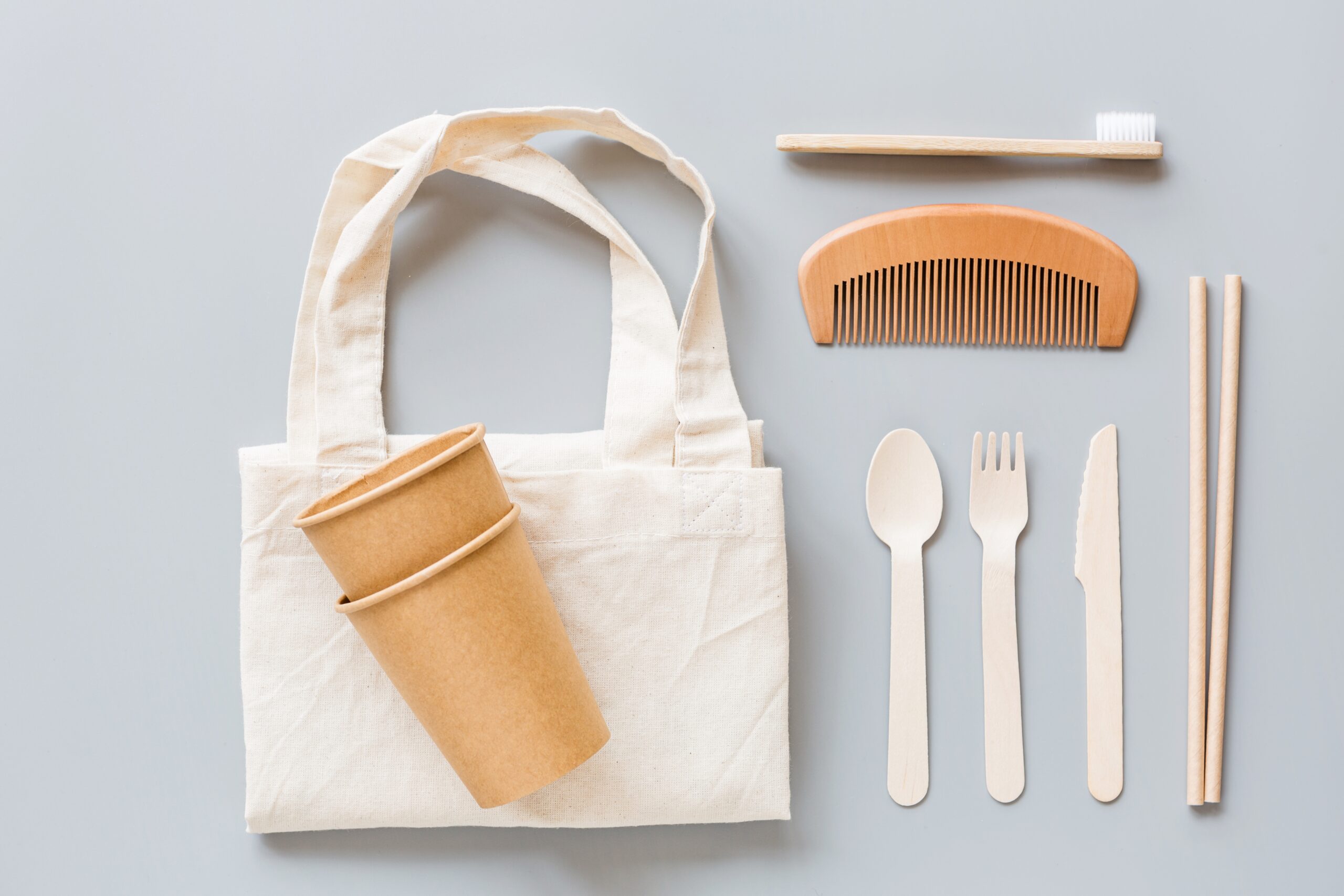
Conventional plastic takes up to 1,000 years to break down. Biodegradable alternatives made from PLA, mushroom mycelium, sugarcane bagasse, seaweed, or recycled paper can break down in months under the right conditions — and they don't release the same micro-plastics into waterways.
Australia alone produces around 1 million tonnes of plastic packaging waste each year. Switching even a fraction of that to compostable alternatives makes a measurable difference.
2. Meet 2026 Consumer Expectations
Sustainability is no longer a niche concern. Recent global surveys show roughly two thirds of consumers say a brand's environmental commitment influences their buying decision — and Gen Z customers will pay a premium for it.
If a competitor switches first, you don't just lose the eco-conscious shopper — you lose every customer who reads the comparison post, the news article, or the LinkedIn share. Packaging is one of the most visible signals of how seriously a brand takes sustainability.
Recommended for you
Products related to this article
Hand-picked to go with what you just read.
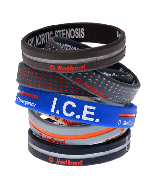
3. Reduce Long-Term Costs and Risk
Biodegradable packaging often has a higher unit cost up front. The total cost of ownership tells a different story:
- Lower waste-disposal fees as compostable streams become cheaper than mixed plastic.
- Reduced exposure to plastic levies and landfill taxes already in place across the EU, UK, and parts of Australia.
- Avoided rework when retailers (Coles, Woolworths, Aldi, Tesco) tighten their packaging standards.
- Fewer recalls and reputation hits as labelling laws around "recyclable" claims tighten.
The ROI on switching is no longer just the carbon number — it's the cost of staying compliant.
4. Get Ahead of Tightening Regulations
Governments are no longer waiting for industry to self-regulate. Australia's National Plastics Plan, the EU's Single-Use Plastics Directive, and similar laws in the UK and US are all phasing out problematic plastics. Brands that wait until enforcement land typically pay 3–5x more to retrofit packaging under deadline pressure.
Switching early lets you choose materials, suppliers, and printing partners on your terms — not the regulator's.
5. Strengthen Your Brand Story
Sustainability builds trust. A small change — switching to a compostable mailer, removing plastic windows from boxes, replacing plastic void fill with cardboard — gives you something concrete to talk about in your marketing, on your packaging, and in your About page.
Pair the change with a third-party certification (Australasian Recycling Label, BPI Compostable, EN 13432) so the claim is verifiable and you don't risk a greenwashing headline.
How Mediband Approaches Sustainable Design
The most sustainable product is the one you don't have to throw away. At Mediband, our stainless steel and silicone medical IDs are engineered to last for years of daily wear — replacing the cycle of disposable medical jewelry that historically went straight to landfill.
Durability and reusability are part of the same sustainability conversation as biodegradable packaging. Both reduce waste at source. Both lower lifetime cost. Both reflect the way 2026 customers expect brands to think.
The Bottom Line
Switching to biodegradable packaging is no longer a "nice to have." Customers expect it, regulators are mandating it, and the long-term economics favour it. Start with your highest-volume packaging line, pick a certified material, and tell the story honestly.
Frequently Asked Questions
What's the difference between biodegradable and compostable packaging?
All compostable packaging is biodegradable, but not all biodegradable packaging is compostable. Compostable packaging meets specific standards (like AS 4736 in Australia or EN 13432 in Europe) and breaks down into non-toxic compost within months. "Biodegradable" is a broader term and can take much longer.
Is biodegradable packaging really more expensive?
Up-front, yes — usually 10–30% more per unit. But factoring in waste disposal, levies, brand value, and the rising cost of compliance, total cost of ownership is often comparable or lower over a 3–5 year horizon.
How do I avoid greenwashing accusations when switching?
Use third-party certifications (Australasian Recycling Label, BPI, AS 4736, EN 13432). Be specific about which components are compostable and under what conditions (home compost vs commercial). Don't claim "100% sustainable" if only one part is changed.
What about medical and pharmaceutical packaging?
Medical packaging has tighter regulations around hygiene and tamper evidence. Many compostable alternatives are now approved for outer packaging, mailers, and secondary packaging — even where the primary medical pack still needs sterile barrier protection.
How does buying durable products like medical IDs help sustainability?
Every disposable item replaced by a durable, reusable one reduces packaging, transport, and end-of-life waste. A single stainless steel medical ID worn for 10 years replaces dozens of disposable hospital wristbands or paper alerts — that's the same logic that makes compostable packaging matter.

Written by
Founder, Mediband
Founder of Mediband; over 20 years providing medical IDs worldwide.
← Previous
How to Help Your Child Cope With Chronic Illness: A Parent's Complete Guide (2026)
Next →
Why you need a medical ID bracelet
Comment(s)