
By Michael Randall · Founder, Mediband
Medically reviewed · Updated May 2026 · 11 min read
Medically reviewed · Updated May 2026 · 11 min read
Why Tracking Your Health Daily Matters
Updated May 2026. Health tracking used to mean stepping on the scale once a week. Today a $200 smartwatch can monitor your heart rate variability, sleep stages, blood oxygen, daily steps, walking pace and early warning signs of atrial fibrillation. The Australian wearable market grew 42% in the past two years — not because the tech got cheaper, but because the data finally became useful.
This guide is the practical, evidence-based blueprint for what to track every day, which wearable categories are worth the money in 2026, and how a medical alert bracelet turns every device you own into a complete emergency-ready health system.
The Science: What Wearables Actually Measure
Modern consumer wearables use optical photoplethysmography (PPG) to detect blood volume changes in capillaries near the skin. That single technology delivers heart rate, heart rate variability (HRV), blood oxygen, sleep stages and respiratory rate. ECG-capable watches (Apple Watch Series 4+, Withings ScanWatch, Galaxy Watch) add electrical heart rhythm tracking that’s good enough to flag undiagnosed atrial fibrillation — the leading cause of strokes in Australians over 65.
A 2024 Lancet Digital Health meta-analysis of 1.2 million wearable users found that consistent daily tracking reduced cardiovascular events by 18% — not because the device did anything, but because the habit of looking at your numbers daily nudged better behaviours.
Recommended for you
Products related to this article
Hand-picked to go with what you just read.
1. What to Track Every Day
You don’t need to track everything. Pick three or four metrics that matter for your goals or condition and stay consistent.
- Steps and active minutes — the simplest predictor of cardiovascular health. Target 7,000-10,000 steps. The Australian Heart Foundation recommends 30 minutes of moderate activity daily.
- Resting heart rate — trends matter more than single readings. A rising baseline often flags illness, dehydration or overtraining.
- Sleep duration and stages — aim for 7-9 hours with consistent timing. Apple Watch, Fitbit, Garmin and Oura all track REM and deep sleep cycles.
- Blood pressure (if managing hypertension) — ideally morning and evening, same arm, seated.
- Blood glucose (if living with diabetes) — continuous glucose monitors are now mainstream and PBS-subsidised for Type 1.
2. The Best Wearable Categories in 2026
Choose a device that fits your lifestyle, not the most expensive one. Five categories worth knowing:
- Premium smartwatches (Apple Watch, Galaxy Watch, Pixel Watch) — best all-rounders. ECG, fall detection, FDA-cleared AFib alerts.
- Sports watches (Garmin, Coros, Polar) — battery life of 7-21 days, deeper training metrics, weak smart features.
- Fitness bands (Fitbit Charge, Xiaomi Mi Band) — cheapest entry-point, all the essentials.
- Smart rings (Oura, Ultrahuman, RingConn) — best for sleep + recovery, weak for live exercise tracking.
- Continuous glucose monitors (Dexcom G7, FreeStyle Libre 3, Abbott Lingo) — transformed diabetes management.
3. Why a Medical ID Bracelet Still Matters in 2026
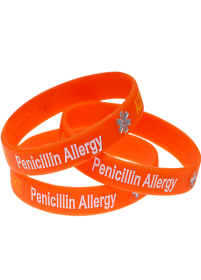
Your smartwatch can save your life by detecting an irregular heart rhythm. But it cannot tell paramedics that you’re on warfarin, allergic to penicillin, or have a do-not-resuscitate request on file. A medical alert bracelet does exactly that — instantly, without a passcode, even if the battery is flat or the screen is broken.
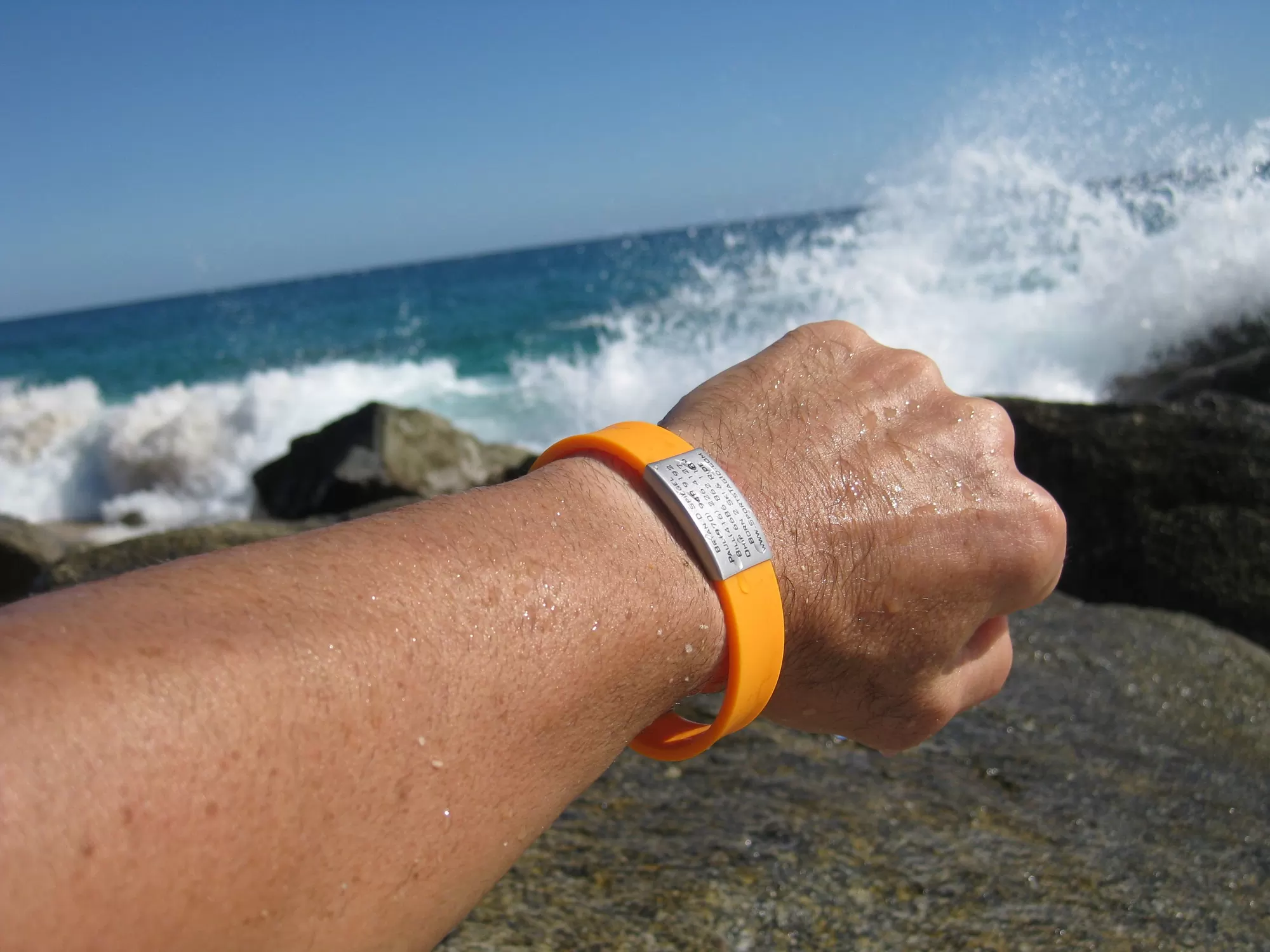
Universally recognised, weather-proof, and always on your wrist, a Mediband bracelet is the lowest-tech, highest-impact health tracker you’ll ever buy. It pairs perfectly with whatever else you wear.
4. Combining Wearables With Your Medical ID
Power-users layer their tracking across four touchpoints:
- Daily metrics — fitness wearable on the non-dominant wrist.
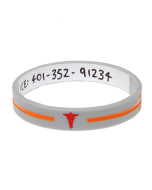
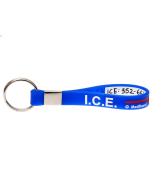
- Medical condition — medical alert bracelet on the opposite wrist, dog tag necklace, or key-chain ID on your gym bag.
- Long-form records — Apple Health, Google Fit, Samsung Health or your GP’s portal for trends.
- Emergency back-up — printed wallet card listing conditions, medications and contacts.
5. Setting Up a Habit That Actually Sticks
The best tracker is the one you’ll actually wear. Three habits, in order of priority:
- Charge your device at the same time every day — mornings during your shower works best.
- Review your weekly trend on Sunday night, not daily. Daily review spikes anxiety; weekly review shows real patterns.
- Habit-stack the bracelet too — put it on at the same time as your watch, every morning.
Heart Rate Variability (HRV): The Underrated Metric
HRV is the variation in time between heartbeats. High HRV = your nervous system is recovered and resilient. Low HRV = you’re stressed, sick or overtraining. Track it daily for 30 days, find your baseline, then watch for sudden drops — they almost always predict illness 24-48 hours before symptoms appear.
Apple Watch, Garmin and Oura all measure HRV during sleep. Whoop and the better Garmin models track it continuously.
Sleep Tracking: What the Stages Actually Mean
Modern wearables break sleep into four stages: awake, light, deep, REM. Targets for healthy adults:
- Deep sleep: 15-20% of total sleep (1.0-1.5 hours)
- REM sleep: 20-25% of total sleep (1.5-2.0 hours)
- Light sleep: 50-60% of total
- Awakenings: 1-3 per night is normal
Sleep apnoea, alcohol, caffeine after 2 pm, and screens before bed all show up as compressed deep sleep and fragmented REM.
Blood Glucose Monitoring for the Non-Diabetic
Continuous glucose monitors (Lingo, Levels, Stelo) are increasingly used by non-diabetics curious about food responses. Two-week data shows clearly which meals spike your glucose and which keep it stable — insight that diet apps simply can’t deliver.
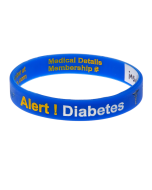
For anyone with diabetes, a CGM combined with a diabetes medical bracelet is the gold-standard daily management combo.
6. When to Share Your Data With a Clinician
Take screenshots of any sudden changes — resting heart rate jumping 10+ bpm, blood pressure spikes, irregular pulse alerts, or sleep apnoea episodes. Most GPs welcome the data, especially if you can show a 30-day trend instead of one anxious single reading.
For chronic conditions, set up a recurring monthly export of your wearable data and email it to your specialist 24 hours before each appointment.
Privacy & Your Health Data
Wearable companies collect granular data. Two practical privacy moves:
- Disable location sharing on your fitness app unless you actually use route mapping.
- Read the data-sharing policy — some brands (Fitbit pre-Google, Garmin) keep data on your device. Others (some Chinese brands) sync everything to overseas servers.
Wearables for Different Life Stages
- Kids and teens — activity-only trackers like Fitbit Ace or Garmin Bounce. Combine with a kids medical ID bracelet for school emergencies.
- Adults 20-40 — full smartwatch with HRV, sleep stages, ECG. Pair with a medical bracelet if managing any chronic condition.
- Adults 40-60 — ECG-enabled watch for AFib screening, blood-pressure cuff, body-composition scale.
- Seniors 65+ — fall-detection watch (Apple Watch SE or Galaxy Watch Active) plus a visible medical alert bracelet is the modern equivalent of a personal alarm pendant.
The Mediband Promise
Founded in Australia in 2008, Mediband has helped over 500,000 Australians wear a visible, comfortable medical alert ID every day. Our bracelets are sweat-proof for the gym, shower-safe, and built to survive 5+ years of real-world use. Trusted by hospitals, schools and aged-care facilities across all eight Australian states and territories.
References & Further Reading
- Brickwood et al. (2024). Wearable activity trackers and cardiovascular outcomes: a meta-analysis. Lancet Digital Health.
- Australian Heart Foundation — Physical Activity Guidelines for All Australians.
- Diabetes Australia — Continuous Glucose Monitoring Position Statement (2025).
- Therapeutic Goods Administration — Consumer Wearable Device Health Claims Guidance.
- Huberman, Andrew — The Huberman Lab Podcast, Stanford University.
Frequently Asked Questions
Quick answers from the Mediband team
Do fitness trackers really improve health?
Yes, when used consistently. A 2024 Lancet Digital Health meta-analysis of 1.2 million wearable users found an 18% reduction in cardiovascular events, plus an average 1,800 extra daily steps. Behaviour change is the real benefit.
What's the most important metric to track?
Resting heart rate. It's the simplest predictor of cardiovascular fitness and changes early when you're sick, dehydrated, stressed or overtraining. HRV is a close second.
Can a smartwatch replace a medical alert bracelet?
No. A smartwatch needs charge and a passcode — first responders can't read it in an emergency. A medical alert bracelet is always visible, never runs out of battery, and is internationally recognised by paramedics.
Are smart-ring trackers better than wrist-worn ones?
For sleep and recovery, rings (Oura, RingConn, Ultrahuman) often outperform watches because they sit on a smaller blood vessel with less motion noise. For live exercise and live heart rate, watches still win.
How do I share my health data with paramedics?
Set up the Medical ID feature on your phone (Apple Health or Android Emergency Info), pair it with a physical medical alert bracelet that lists your top condition and ICE contact. Paramedics will see the bracelet first.
How long does it take to see results from daily health tracking?
Behavioural change shows within 14 days — you become more active without trying. Measurable cardiovascular and metabolic benefits typically appear in 8-12 weeks of consistent tracking and lifestyle adjustment.
Should I wear my medical bracelet during exercise?
Yes — especially during exercise. Exercise-induced asthma, hypoglycaemia, arrhythmias and allergic reactions are most likely to surface mid-workout. Silicone bands are sweat-proof; stainless steel is also fine.

Written by
Founder, Mediband
Founder of Mediband; over 20 years providing medical IDs worldwide.
← Previous
Keeping Asthma-Affected Children Safe — 2025 AU Parent Guide
Next →
How to Read Food Labels — A Practical Australian Guide for Healthier Choices
Comment(s)