By Michael Randall · Founder, Mediband
Medically reviewed · Updated May 2026 · 11 min read
Medically reviewed · Updated May 2026 · 11 min read
Why Halloween Is High-Risk for Allergic Australian Kids
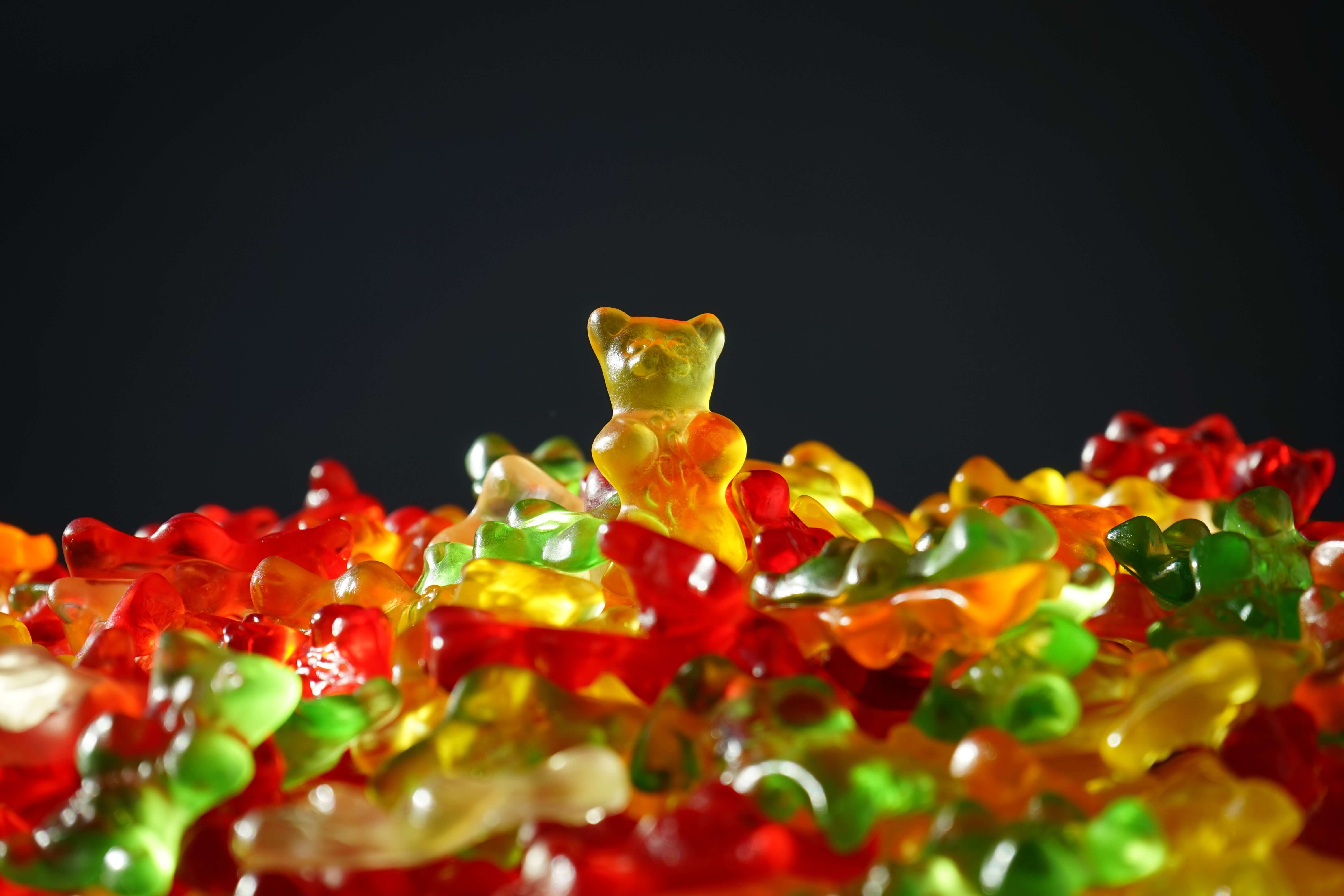
Updated May 2026. Halloween is one of the highest-risk nights of the year for kids with food allergies, asthma or diabetes. Mini chocolate bars rarely show full ingredient labels. Kids eat on the move. Adrenaline runs high. And one in 20 Australian children now lives with a diagnosed food allergy (the highest rate in the world, per ASCIA 2024 data).
The good news: a few simple rules and a visible food allergy bracelet turn Halloween from an anxiety-inducing night into one of the most fun of the year. This guide is the complete pre-Halloween safety briefing for Australian parents.
The Stats: Anaphylaxis at Halloween
Sydney Children’s Hospital data from 2018-2024 shows a 27% spike in paediatric anaphylaxis emergency presentations on the 31st of October compared to the surrounding two weeks. Cross-contamination, mini bars without labels, and excitement-driven impulsive eating are the three biggest causes.
The same data shows that kids wearing a visible allergy bracelet receive correct emergency treatment 6 minutes faster on average than kids without — the difference between a manageable reaction and a fatal one.
Recommended for you
Products related to this article
Hand-picked to go with what you just read.
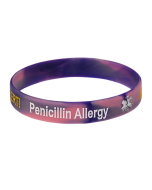
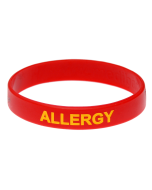
1. Pre-Brief Your Child Before They Go Out
Lay the ground rules an hour before trick-or-treating:
- No eating on the road. Everything goes home for an adult check first.
- Tell every adult about your allergy. Most neighbours will appreciate the warning — many keep allergy-safe alternatives at the door.
- Always travel in a group. Anaphylaxis after one bite can incapacitate within five minutes.
- Carry the EpiPen / inhaler. In a cross-body bag, not a costume pocket.
- Wear the medical bracelet over the costume sleeve. Paramedics need to see it instantly.
2. Look for the Teal Pumpkin
A teal pumpkin on a doorstep means the household has non-food treats — stickers, glow sticks, mini toys — for allergic kids. It’s a worldwide movement that’s exploded in Australia since 2018. Allergy & Anaphylaxis Australia publishes a free teal-pumpkin sign template each October.
Print a teal-pumpkin map of your neighbourhood and prioritise those houses.
3. Build a List of “Safe Brands” in Advance
Top-eight allergens (peanut, tree nut, milk, egg, soy, wheat, fish, shellfish) are in 80% of Halloween candy. Decide which brands are safe for your child before you leave home — the most common safe options in Australia include Allen’s Snakes, Skittles, and Starbursts (always check the wrapper for the latest ingredient list).
For chocolate allergies specifically, Sweet William and Freedom Foods both produce mainstream Halloween chocolate that’s peanut/nut/dairy free.
4. Set Up a Trade-In System
Most Australian allergy families do the “Switch Witch” or a candy buy-back — the child trades unsafe treats for a non-food prize. It defuses the unfairness, keeps the haul fun, and removes temptation overnight. Common trade prizes: a Lego mini-figure, a book, $5 cash, an extra hour of screen time.
5. Don’t Forget Asthma and Diabetes
Halloween doesn’t only put allergic kids at risk:
- Asthma — cold-night air, smoke from jack-o’-lanterns and excitement-induced rapid breathing can trigger attacks. Inhaler stays on the child.
- Diabetes — sugar surge plus high activity can swing blood glucose both ways. Test before, during and after. A diabetes medical bracelet alerts adults if hypo symptoms appear.
- Epilepsy — flashing lights from decorations and overtired excitement can lower seizure thresholds.
6. After Trick-or-Treating: The Adult Sort
Tip the bag onto the kitchen bench. Sort into three piles: definite-safe, definite-unsafe, and read-the-label. Anything unwrapped or homemade goes straight in the bin. Anything labelled “may contain traces of nuts” goes too — close enough to risk on a sugar-charged night.
Take photos of any candy you’re unsure about — the ASCIA app has a barcode scanner that lists known allergens for over 60,000 Australian products.
7. Costume Safety Quick-Check
Two tips most parents forget: avoid latex masks (latex allergy is now common, affecting 1-6% of Australians), and check that face paint is hypoallergenic. Test a dab on the wrist 24 hours before the event. Sensitive-skin kids should also avoid press-on tattoos containing PPD.
Halloween Costume + Medical Bracelet Combos
Don’t hide the bracelet under a sleeve. Three ways to keep it visible while keeping the costume looking good:
- Wear it over the sleeve cuff — tape it down if loose.
- Use a clip-on medical ID key chain attached to a treat bag or belt loop.
- Wear a stainless steel dog tag style underneath as backup, with a silicone band on top.
Pre-Halloween Checklist
One week out from Halloween, walk through this checklist:
- EpiPen / inhaler / glucagon dated and in cross-body bag
- Medical alert bracelet on, fits correctly, details current
- ASCIA Action Plan in your phone wallet
- Trusted-adult network briefed (in person, not text)
- Costume safety-tested (no latex, no harsh chemicals)
- Teal pumpkin route mapped
- Safe-brand list in your phone notes
- Switch Witch prize wrapped and ready
What to Do During an Allergic Reaction
Administer the EpiPen at the first sign of anaphylaxis — lip or tongue swelling, throat tightness, hives spreading rapidly, voice change, breathing difficulty — then call 000. Don’t wait. The majority of fatal reactions occur because adrenaline was given too late, not because it failed.
Keep the child lying flat (NOT standing) unless they’re vomiting. The bracelet does the talking when paramedics arrive.
The Mediband Promise
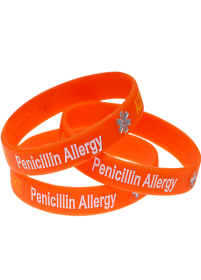
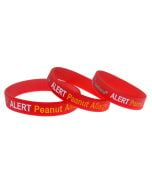
Mediband ships allergy-specific silicone bracelets Australia-wide with next-day delivery to all capital cities. Peanut, penicillin, dairy, gluten and custom-engraved options are all available in kid sizes from age 3 up. Tested by Australian allergy specialists, used by over 100,000 Aussie families.
References & Further Reading
- ASCIA (2024). Anaphylaxis Statistics for Australian Children. Australasian Society of Clinical Immunology and Allergy.
- Sydney Children’s Hospital Network — Halloween Anaphylaxis Presentations 2018-2024.
- Allergy & Anaphylaxis Australia — Teal Pumpkin Project Australia.
- Australian Department of Health — Action Plan for Anaphylaxis.
- National Allergy Council — Best Practice Guidelines for School Anaphylaxis Management.
Frequently Asked Questions
What is the Teal Pumpkin Project?
A worldwide movement started in 2014 in the US, now active in Australia. Houses with a teal pumpkin on the doorstep offer non-food treats (stickers, glow sticks, toys) for kids with food allergies. Allergy & Anaphylaxis Australia publishes free signs each October.
Should my allergic child still go trick-or-treating?
Yes — with preparation. Most allergic Australian kids trick-or-treat safely every year. The key is pre-briefing, a clear allergy bracelet, an EpiPen in a cross-body bag, the ASCIA Action Plan in your phone, and the parent doing the candy sort at the end of the night.
What if my child eats something by accident?
Administer the EpiPen at the first sign of anaphylaxis (lip swelling, throat tightness, hives spreading), then call 000. Don't wait. Keep them lying flat unless vomiting. Most fatal reactions happen because adrenaline was given too late.
Can a medical alert bracelet really make a difference at Halloween?
Yes. Sydney Children's Hospital data shows kids wearing a visible allergy bracelet receive correct emergency treatment 6 minutes faster on average — the difference between a manageable reaction and a fatal one.
Where can I get a child-friendly allergy bracelet quickly?
Mediband ships allergy-specific silicone bracelets Australia-wide with next-day delivery to all capitals. Peanut, penicillin, dairy, gluten and custom-engraved options are all available in kid sizes from age 3 up.
Are face paints safe for kids with allergies?
Most major brands sold in Australia (Snazaroo, Crayola) are hypoallergenic, but always patch-test on the wrist 24 hours before. Avoid metallic and neon face paints with sensitive-skin kids — they often contain higher pigment concentrations.
Should kids with asthma trick-or-treat?
Yes, with the inhaler on them at all times. Cold night air, smoke from candles and excitement can all trigger attacks. Check the air quality forecast that day — if it's poor, drive between houses instead of walking.

Written by
Founder, Mediband
Founder of Mediband; over 20 years providing medical IDs worldwide.
← Previous
Are You a Fan of Dr Google? — Smart Health Research 2025
Next →
Medical Conditions That Need an Alert Bracelet — 2025 Australian Guide
Comment(s)