What to Do About Allergies: A Complete Australian Guide (2025)
February 28, 2012
Allergies affect approximately 1 in 5 Australians, making them one of the most common chronic health conditions in the country (Australasian Society of Clinical Immunology and Allergy, 2023). Whether you suffer from seasonal hay fever, food allergies, or life-threatening anaphylaxis, knowing what to do about allergies is essential — not just for managing day-to-day symptoms, but for staying safe during a serious reaction.
This guide covers everything you need to know: understanding your triggers, managing symptoms at home, handling food allergies, responding to an emergency, and why wearing an allergy medical alert bracelet could be the most important safety step you take.
Understanding Allergies: What Are They and Why Do They Happen?
An allergy occurs when your immune system overreacts to a normally harmless substance — called an allergen. Instead of ignoring it, your body treats it as a threat and launches a defensive response that causes allergy symptoms. This response can range from mildly irritating to life-threatening.
Australia has one of the highest rates of allergic disease in the world. According to ASCIA, allergic conditions now affect around 20% of Australians, and the prevalence of food allergy has risen dramatically over the past two decades, particularly in children under five.
Common Allergy Triggers in Australia
- Dust mites — the most common indoor allergen in Australian homes
- Pollen — grasses and trees, especially in spring and summer
- Pet dander — from cats, dogs, and other animals
- Mould spores — in damp environments like bathrooms and kitchens
- Food allergens — peanuts, tree nuts, milk, eggs, wheat, soy, seafood, sesame, and penicillin-containing foods
- Insect venom — bee stings and wasp stings
- Medications — including penicillin and aspirin
Allergy Symptoms: From Mild to Severe
Allergy symptoms vary widely depending on the allergen and your sensitivity:
- Mild/moderate: runny nose, sneezing, itchy eyes, skin rash, hives, swelling, stomach cramps
- Severe (anaphylaxis): throat swelling, difficulty breathing, drop in blood pressure, loss of consciousness — this is a medical emergency requiring immediate adrenaline (EpiPen) and a call to 000
Anaphylaxis affects an estimated 1–2% of Australians and is most commonly triggered by food, insect stings, and medications (ASCIA, 2023). It can occur even if previous reactions were mild.
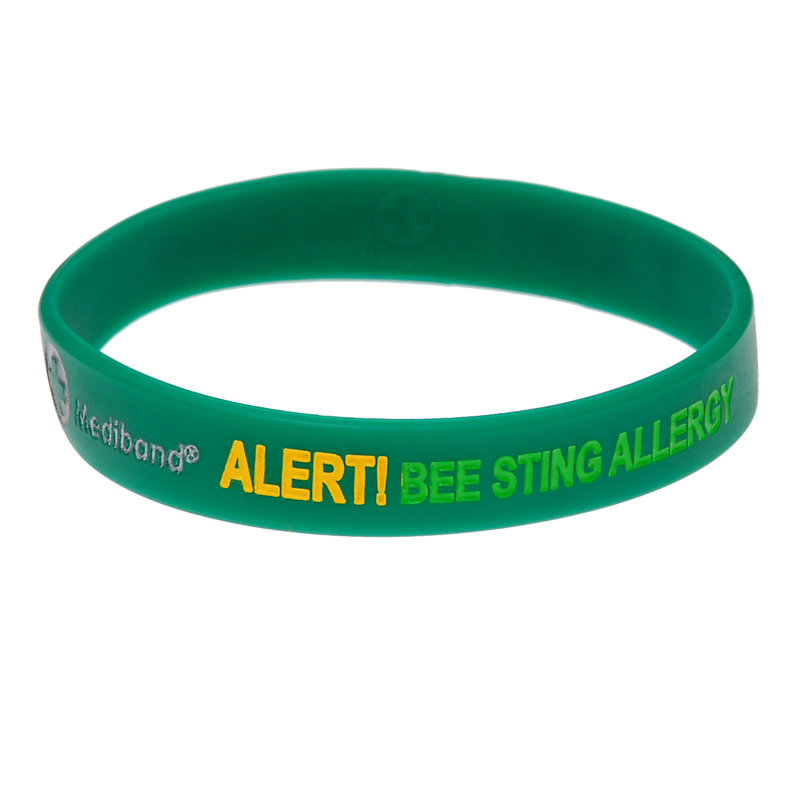
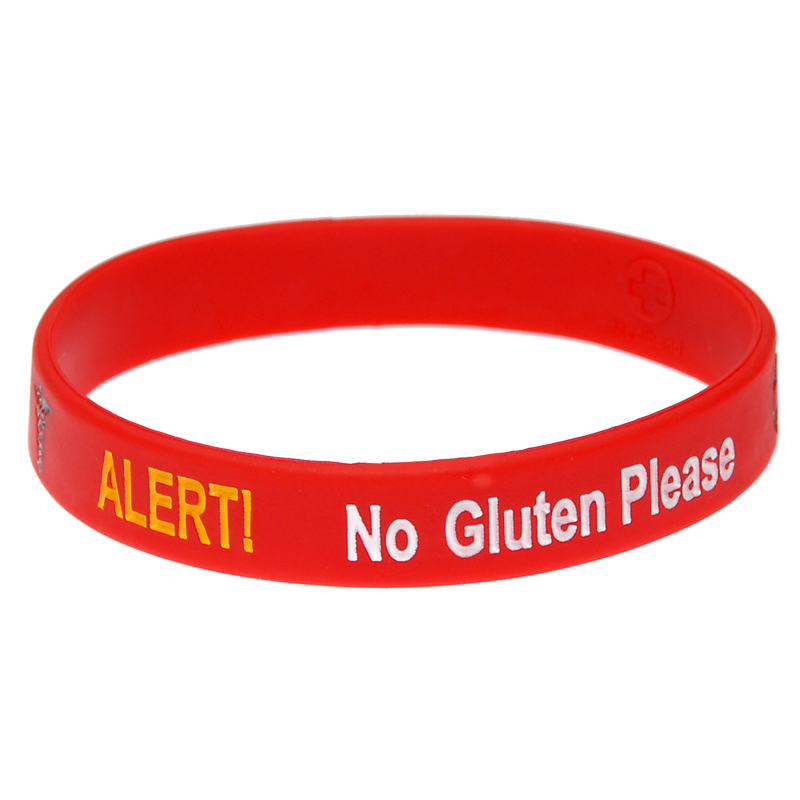
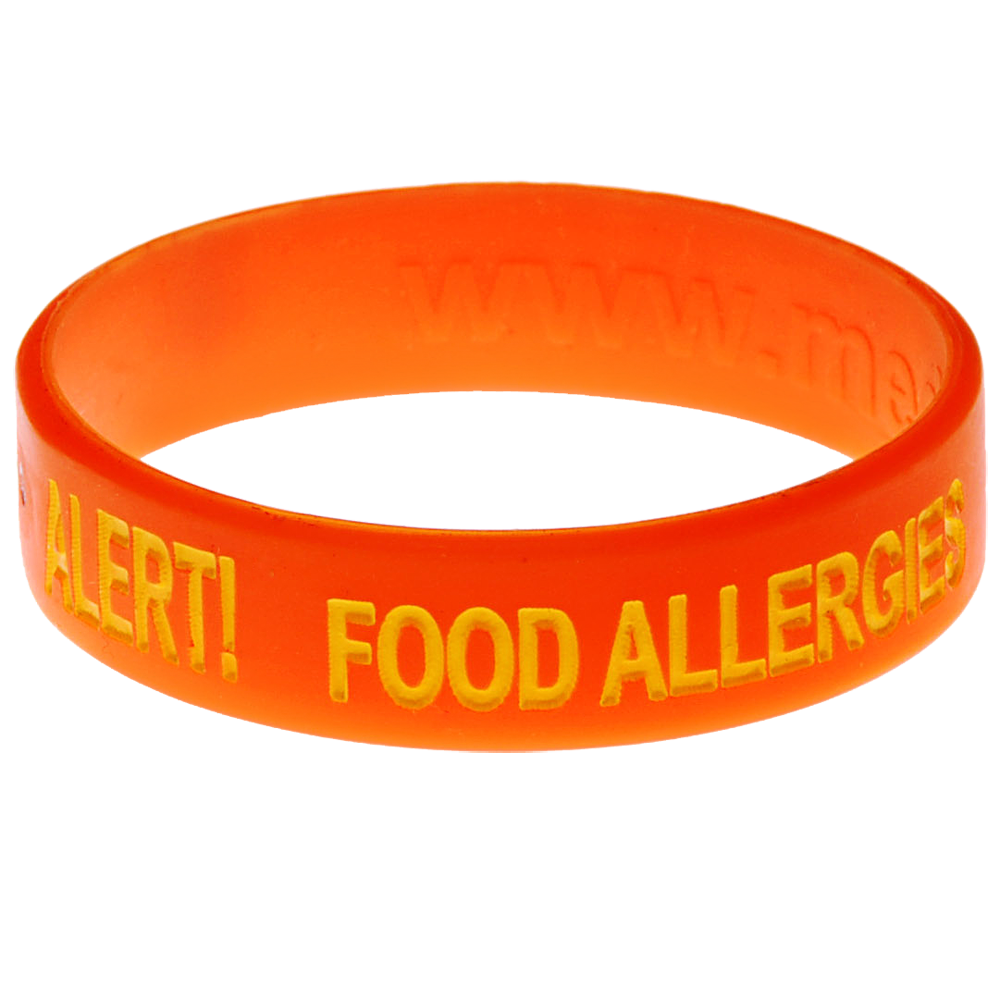
Shop Allergy Medical Alert Bracelets
Let emergency responders know about your allergy instantly — even when you can't speak for yourself.

What to Do About Allergies at Home: Practical Management Tips
For many Australians, allergies are a daily reality that can be significantly reduced with the right home management strategies. The key is identifying your specific triggers and taking targeted action.
Reducing Dust Mite Allergies at Home
Dust mites are microscopic creatures that thrive in warm, humid Australian homes — particularly in bedding, carpets, and upholstered furniture. They are the most common cause of perennial (year-round) allergic rhinitis in Australia.
- Vacuum carpets and soft furnishings twice a week using a vacuum with a HEPA filter
- Wash all bedding in water above 60°C weekly to kill dust mites
- Use allergen-impermeable mattress and pillow covers
- Dust surfaces with a damp cloth rather than a dry duster (which disperses mites into the air)
- Keep indoor humidity below 50% — consider a dehumidifier in high-humidity areas
- Remove heavy curtains and replace with blinds that are easy to wipe down
Managing Pet Dander Allergies
Cat and dog dander (tiny flakes of skin) is one of the most potent indoor allergens. If rehoming your pet isn't an option:
- Keep pets out of bedrooms and off furniture at all times
- Designate pet-free zones, especially sleeping areas
- Brush and wash pets frequently — ideally by a non-allergic family member
- Use a HEPA air purifier in the main living areas
- Wash hands immediately after touching the pet
- Replace carpets with hard flooring where possible — dander accumulates in carpet fibres
Controlling Mould and Moisture Allergies
Mould spores are a year-round problem in Australia's humid coastal cities. They peak in autumn and winter when homes are closed up. To reduce mould exposure:
- Ventilate bathrooms and kitchens during and after use — open windows or use exhaust fans
- Fix leaks and dripping taps as soon as they occur
- Wipe down tiles, grout, and shower screens regularly with an anti-mould solution
- Avoid indoor plants in bedrooms and damp-prone rooms
- A tub of bicarbonate of soda placed in corners draws moisture away from walls naturally
Food Allergy Management in Australia
Australia has some of the highest rates of food allergy in the developed world. According to research from the Murdoch Children's Research Institute, approximately 10% of infants develop food allergy in their first year of life — one of the highest rates globally. The nine major food allergens declared on Australian food labels are: milk, eggs, peanuts, tree nuts, wheat, soy, sesame, fish, and shellfish.
Reading Food Labels for Allergens
Under Food Standards Australia New Zealand (FSANZ) regulations, all packaged foods must declare allergens in a "Contains" statement. Always:
- Read the full ingredient list — not just the "Contains" statement
- Check for "May contain traces of…" warnings if you have severe or anaphylactic-level sensitivity
- Re-read labels each time you buy a product — manufacturers change formulations
- Be aware of hidden allergen names (e.g., casein = milk protein, albumin = egg protein)
Eating Out Safely With Food Allergies
Restaurant meals carry significant risk for food-allergic Australians due to cross-contamination and ingredient changes. To eat out safely:
- Call ahead to discuss your allergy with kitchen staff — don't rely on wait staff alone
- Carry your written allergy action plan and share it with restaurant staff
- Always carry your EpiPen (adrenaline auto-injector) and antihistamines
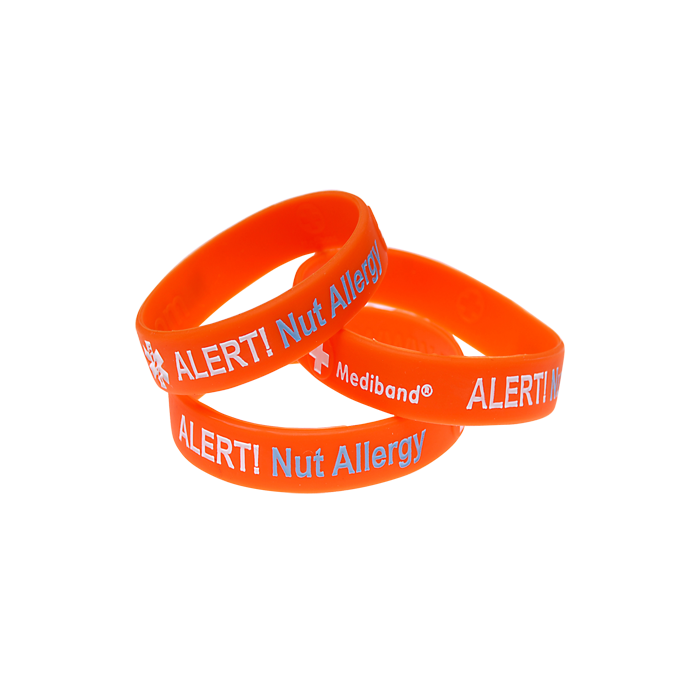
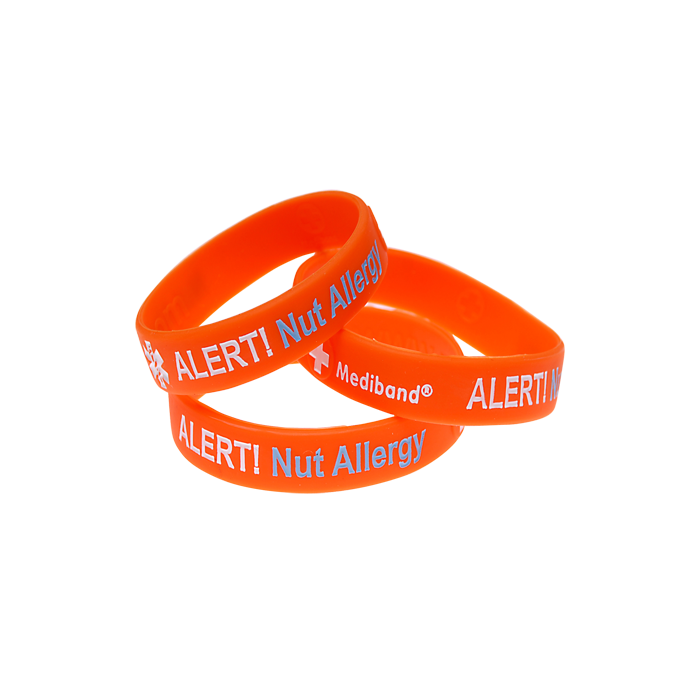
- Wear your allergy medical alert bracelet so that emergency services know your allergy if you cannot communicate
- Choose simpler dishes with fewer ingredients, and avoid buffets or shared serving utensils
What to Do During an Allergic Reaction
Your response to an allergic reaction depends on its severity. Knowing the difference between a mild reaction and anaphylaxis — and acting quickly — can be life-saving.
Responding to Mild to Moderate Allergic Reactions
- Remove or avoid the allergen immediately if possible
- Take an antihistamine (e.g., cetirizine or loratadine) as directed
- Apply a cool compress to hives or skin reactions
- Monitor closely — mild reactions can escalate to anaphylaxis, especially with food and insect allergens
- If symptoms worsen or don't improve within 30 minutes, seek medical attention
Responding to Anaphylaxis — A Medical Emergency
Anaphylaxis is a severe, rapid-onset allergic reaction that requires immediate treatment. Signs include throat tightening, difficulty breathing or swallowing, swelling of the tongue, sudden drop in blood pressure, pale or floppy appearance (in children), and collapse.
If you suspect anaphylaxis, act immediately:
- Administer adrenaline auto-injector (EpiPen) to the outer mid-thigh — even through clothing
- Call 000 immediately and tell them it is anaphylaxis
- Lay the person flat with legs elevated (or sitting up if breathing is difficult) — do not stand them up
- If there is no improvement after 5 minutes and a second EpiPen is available, administer it
- Keep the person calm and still until the ambulance arrives
ASCIA recommends that all Australians with a history of anaphylaxis have a written Anaphylaxis Action Plan — available free from the ASCIA website — and that it is shared with schools, workplaces, and carers.
Why Wearing an Allergy Medical Alert Bracelet Could Save Your Life
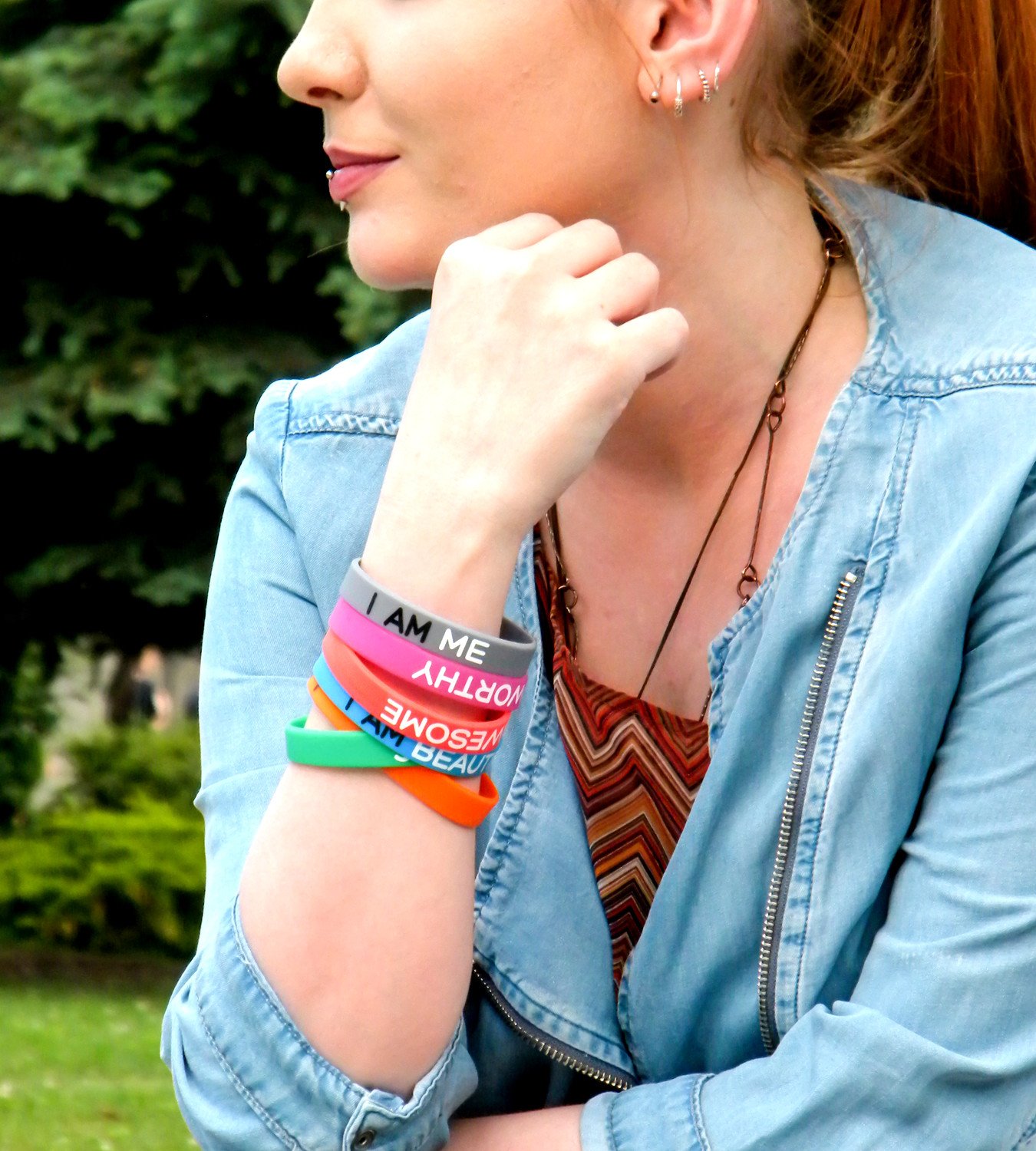
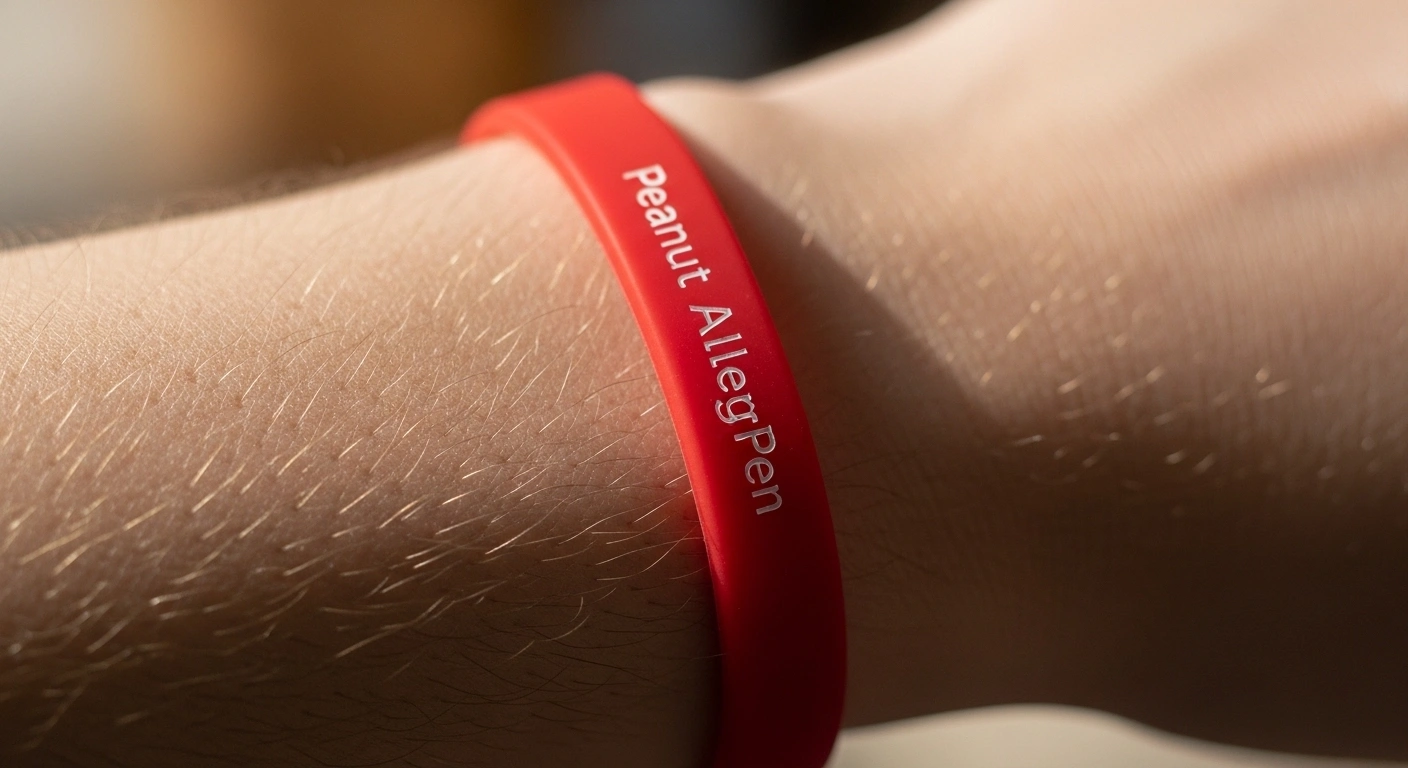
During a severe allergic reaction, you may lose consciousness or be unable to communicate your allergy to paramedics and emergency room staff. An allergy medical alert bracelet ensures that first responders immediately know:
- That you have a severe allergy
- What you are allergic to (e.g., penicillin, peanuts, bee venom)
- That they should not administer medications containing your allergen
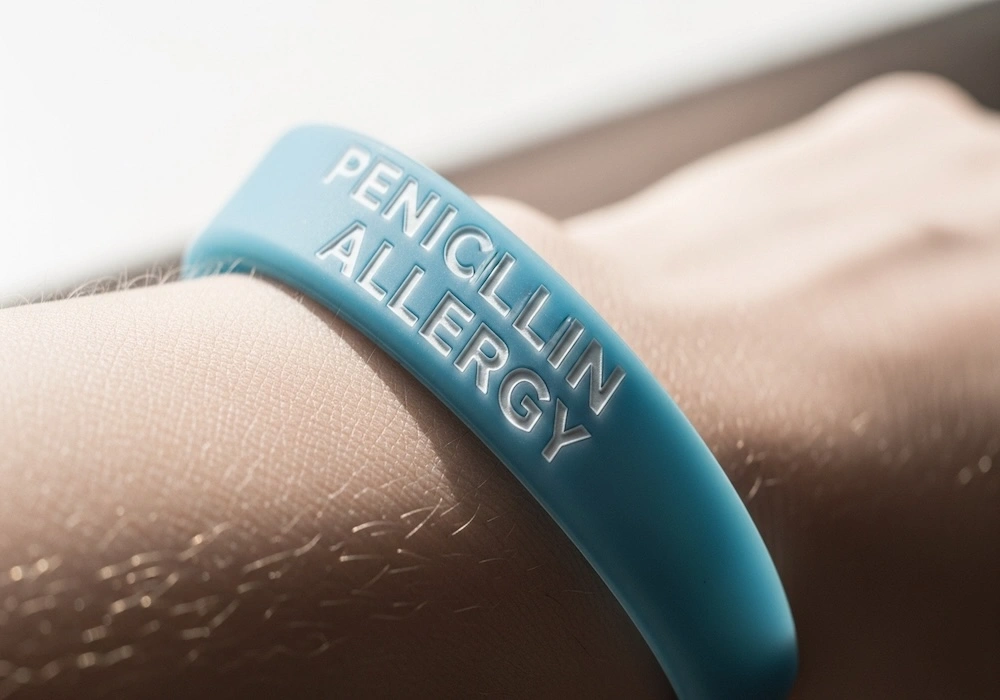
This is particularly critical for medication allergies like penicillin — if you are unconscious in hospital and medical staff do not know about your allergy, they could unknowingly administer a life-threatening drug. A Mediband allergy alert bracelet is the fastest, most reliable way to communicate this information when you cannot.
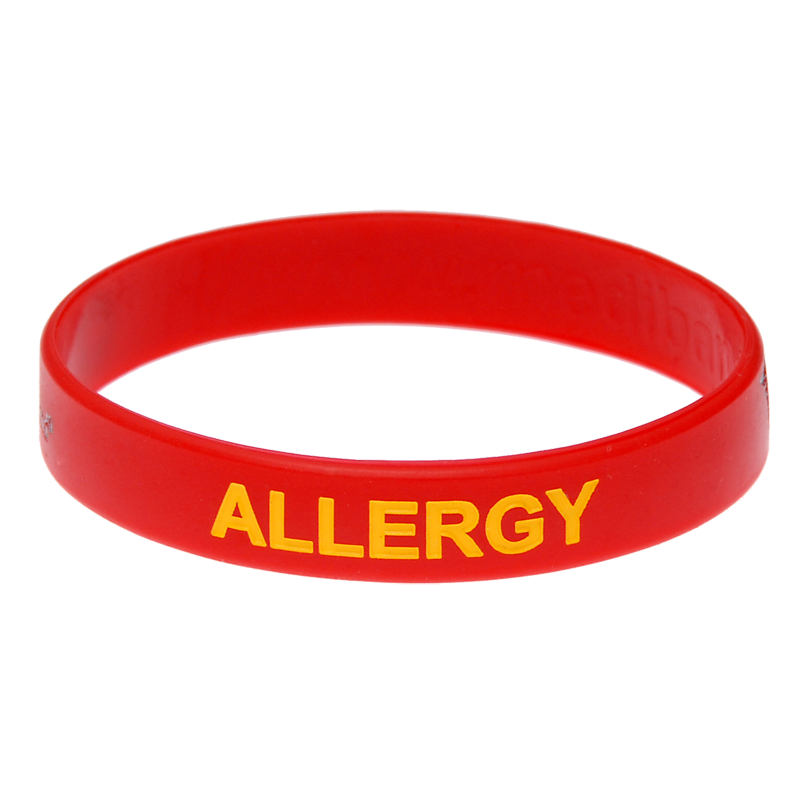
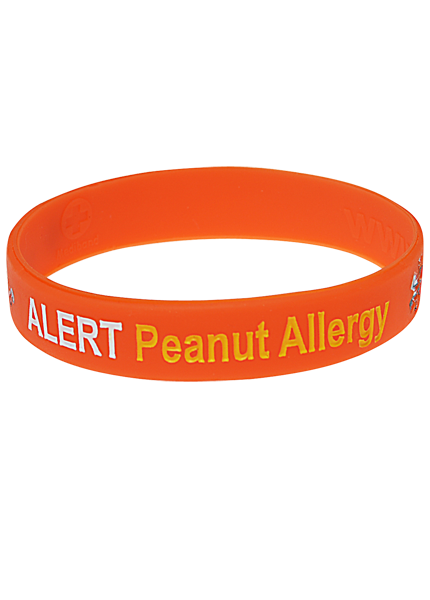
Mediband's allergy medical alert bracelets are made from durable, skin-safe silicone and are available in a wide range of specific allergy types — from food allergies (peanut, dairy, gluten, egg and nut) to medication allergies (penicillin, ibuprofen, morphine, aspirin) and insect venom allergies (bee sting). Each bracelet is clearly engraved or printed with the allergy alert, making it immediately visible to emergency responders.
When to See a Doctor About Your Allergies in Australia
Many Australians self-manage mild allergies for years without a formal diagnosis. However, you should see a GP or allergist if:
- Your allergy symptoms significantly affect your quality of life or sleep
- Over-the-counter antihistamines aren't controlling your symptoms
- You have had any reaction that affected your breathing or involved swelling of the throat or face
- You are not sure what you are allergic to and need skin-prick testing or blood tests
- You want to discuss allergen immunotherapy (desensitisation) — now available in Australia for dust mites, grass pollen, and some other allergens
- Your child has had a food allergic reaction for the first time
A GP can refer you to a clinical immunologist or allergist for specialist testing and management. Medicare covers allergy testing under certain circumstances — ask your GP whether you qualify for a referral.
Frequently Asked Questions About Allergies in Australia
What are the most common allergies in Australia?
The most common allergies in Australia include dust mite allergy (the leading cause of allergic rhinitis), pollen allergy (hay fever), food allergies (particularly peanut, egg, cow's milk, and tree nuts in children), pet dander allergy, and insect venom allergy (bee and wasp stings). Australia has one of the highest prevalence rates of allergic disease in the world, with around 1 in 5 Australians affected (ASCIA, 2023).
What should I do if I have a severe allergic reaction?
If you or someone else shows signs of anaphylaxis — throat tightening, difficulty breathing, swelling of the face or tongue, or collapse — use an adrenaline auto-injector (EpiPen) immediately to the outer thigh, then call 000. Lay the person flat with legs elevated. Do not give antihistamines as a first-line treatment for anaphylaxis — adrenaline is the only appropriate initial treatment. Seek emergency medical care even if symptoms improve after the EpiPen.
Should I wear a medical alert bracelet for allergies?
Yes — especially if you have a severe food allergy, medication allergy (such as penicillin), or a history of anaphylaxis. In an emergency where you are unconscious or unable to speak, a medical alert bracelet is the fastest and most reliable way to communicate your allergy to paramedics and emergency room staff. It can prevent accidental exposure to your allergen during treatment and could be life-saving.
How can I reduce dust mite allergies at home?
To reduce dust mite exposure: wash bedding weekly in water above 60°C, use allergen-proof mattress and pillow covers, vacuum twice weekly with a HEPA-filter vacuum, keep indoor humidity below 50% with a dehumidifier, replace carpets with hard flooring where possible, and use a damp cloth for dusting rather than dry cloths. These steps can significantly reduce symptoms of perennial allergic rhinitis caused by dust mites.
When should I see an allergist in Australia?
You should see an allergist if your allergy symptoms are not well-controlled by antihistamines, if you have experienced anaphylaxis or a reaction affecting your breathing, if you want to identify your specific allergen triggers through skin-prick or blood testing, or if you want to discuss allergen immunotherapy (desensitisation). Your GP can refer you to a Medicare-registered clinical immunologist or allergist.
What is the difference between a food intolerance and a food allergy?
A food allergy involves an immune system response that can be immediate and potentially life-threatening. A food intolerance (such as lactose intolerance) is a digestive issue that does not involve the immune system and is generally not life-threatening, though it can cause significant discomfort. Symptoms can overlap (bloating, stomach cramps), but only a true food allergy carries the risk of anaphylaxis. An allergist can conduct formal testing to distinguish between the two.

Share on Facebook

Share on X

Share on Pinterest
Comment(s)
Recent Posts

The Risk Of Not Wearing An Allergy Medical Alert Bracelet
March 23, 2026