Medical Alert Wristbands Australia: The Complete Guide
January 21, 2011

More than 3.6 million Australians live with a chronic condition that could become a medical emergency without warning — from epilepsy and severe allergies to diabetes and heart disease. In those critical first minutes, a simple band on your wrist can give paramedics everything they need to provide the right treatment. That is the power of a medical alert wristband.
What Is a Medical Alert Wristband?
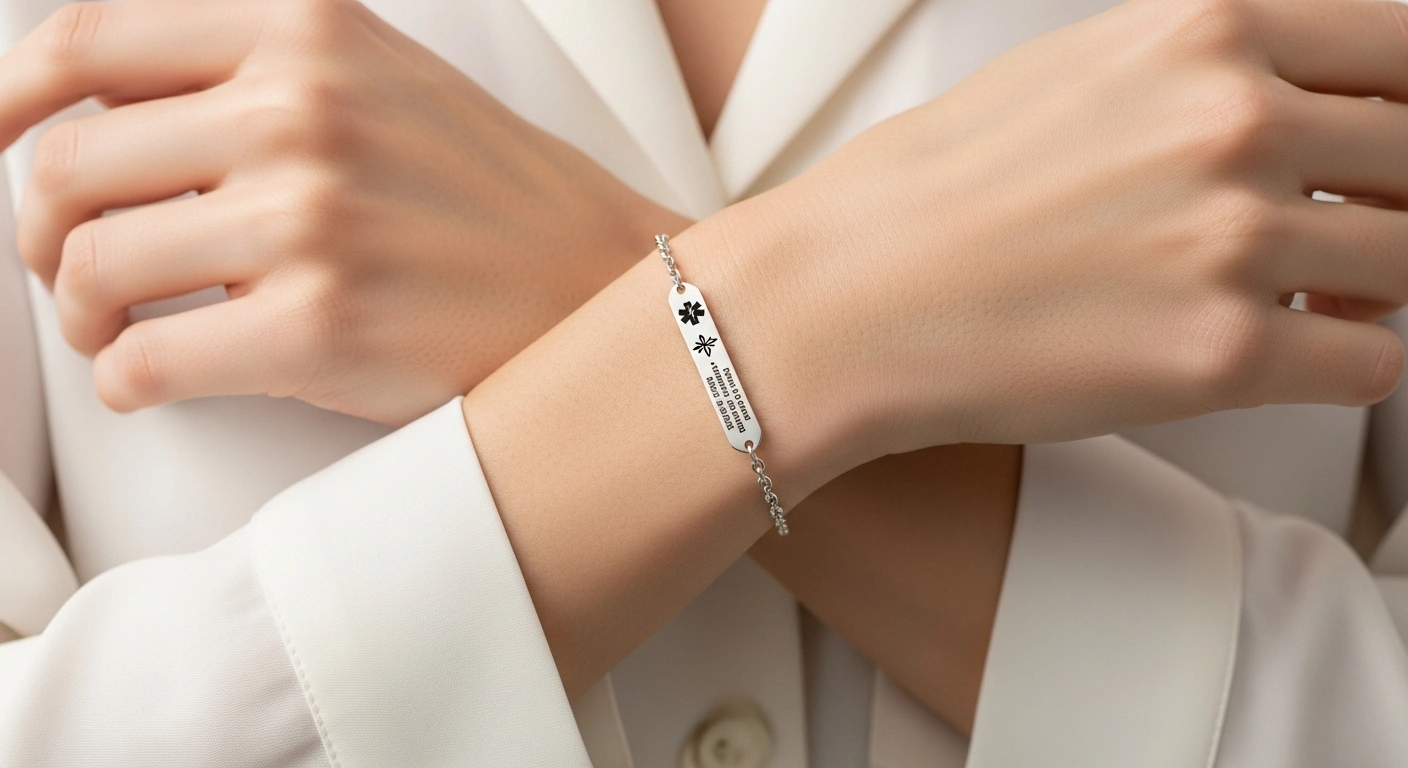
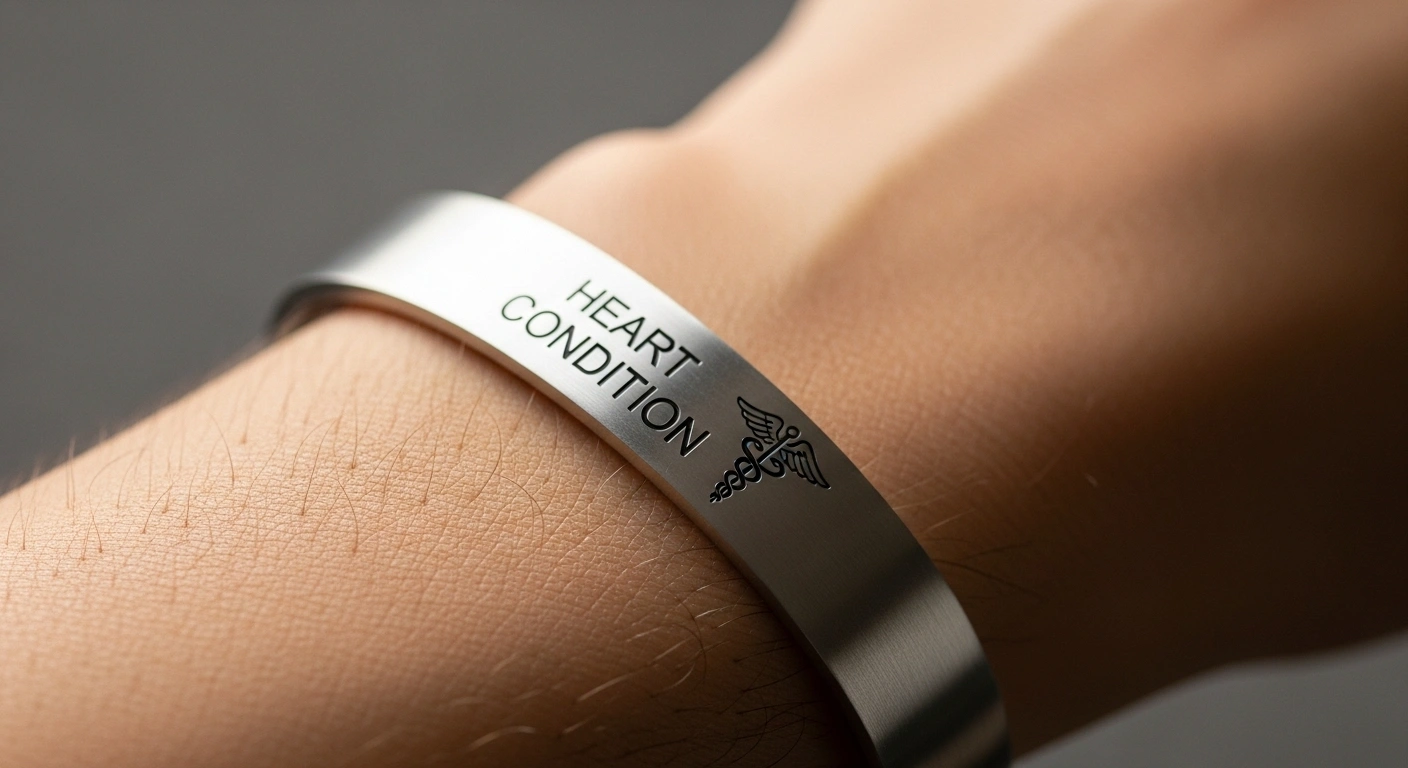
A medical alert wristband — also called a medical ID bracelet — is a wristband worn at all times that displays critical health information on the outer face of the band. Paramedics, emergency room nurses, and first responders across Australia are trained to check the wrist (and neck) within the first 30 seconds of attending an unconscious or unresponsive patient.
The information on the band tells responders what condition you have, what medications you take, any allergies that could affect treatment, and who to contact in an emergency. Unlike a phone that may be locked, a wallet that may be misplaced, or a verbal history you cannot give if you are unconscious — a medical alert wristband is always visible and always readable.
Mediband has been supplying medical ID wristbands to Australians, New Zealanders, and customers across the UK, USA, and Canada for over 15 years, helping people living with chronic conditions stay safe every day.

Why Emergency Responders Rely on Medical Alert Wristbands
The Critical First 30 Seconds
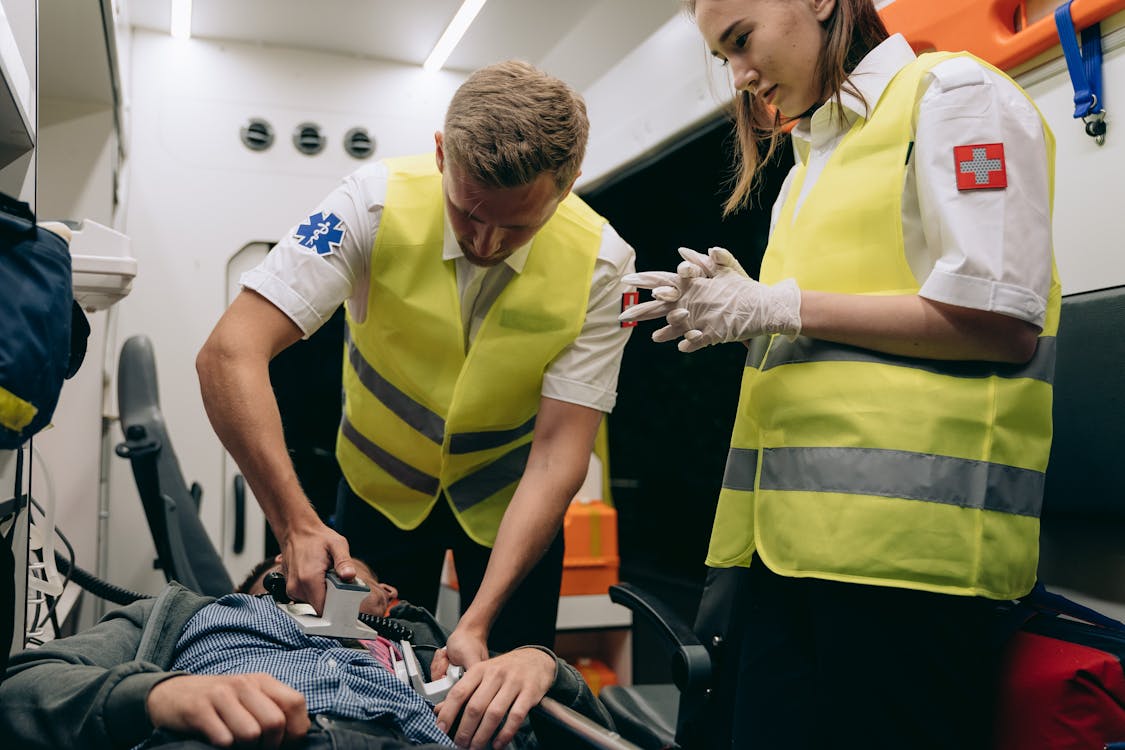
When paramedics arrive at an emergency, they triage patients quickly. Checking the wrist and neck for a medical ID is a standard first-response step — particularly when a patient is unconscious, confused, or unable to communicate. A 30-second read of a medical alert wristband can prevent a potentially fatal medication error, avoid an allergic reaction to a treatment drug, or immediately trigger the correct protocol for conditions like anaphylaxis, epilepsy, or hypoglycaemia.
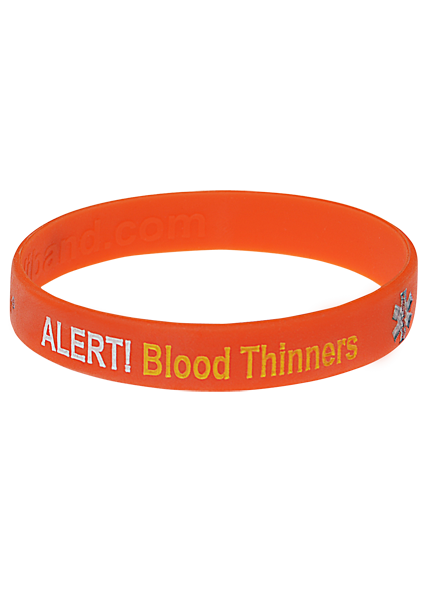
For people on anticoagulants like warfarin, a wristband is especially critical — administering the wrong medication or performing certain procedures without knowing a patient is on blood thinners can be life-threatening.
When You Cannot Speak for Yourself
Medical emergencies do not wait for convenient moments. A diabetic hypoglycaemic episode, an anaphylactic reaction, or an epileptic seizure can leave you unable to communicate exactly when accurate information matters most. People living with dementia or autism may also struggle to convey their medical needs clearly under stress.
For these individuals — and for anyone with a serious health condition — a medical alert wristband bridges the communication gap when it counts. According to the Better Health Channel, wearing a medical ID is one of the most effective ways to ensure you receive appropriate emergency care.
Shop Medical Alert Wristbands
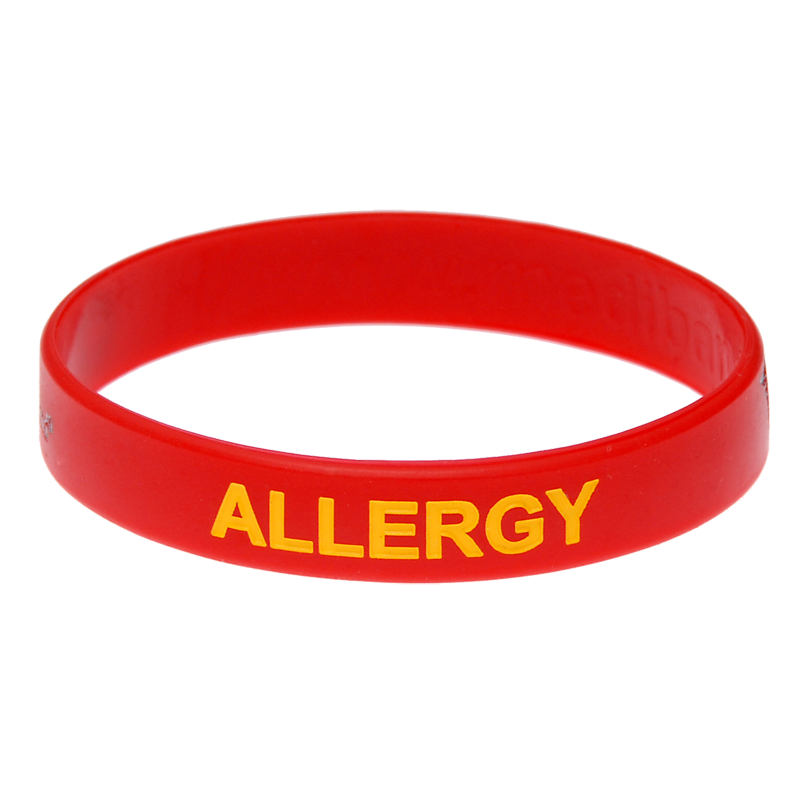
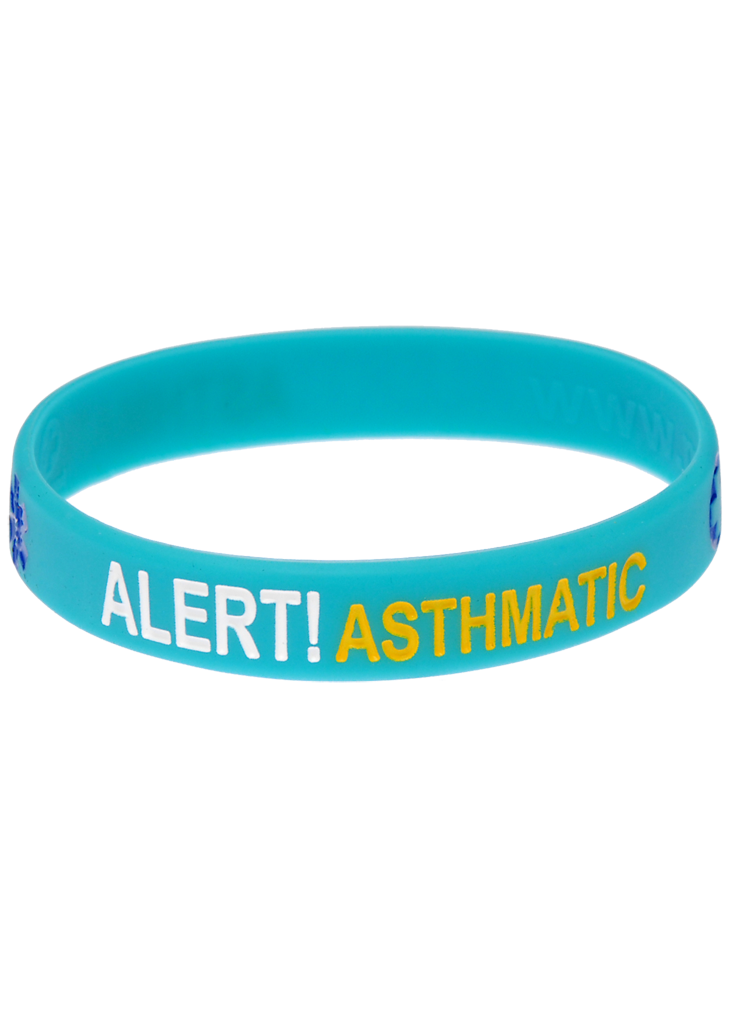
Find the right wristband for your condition — worn 24/7, water-resistant, and designed for everyday life.

Who Should Wear a Medical Alert Wristband?
Medical alert wristbands are not only for people with severe or rare conditions. Any person whose health status could affect emergency treatment is a candidate.
People with Chronic Health Conditions
The following conditions are among the most important to identify in an emergency:
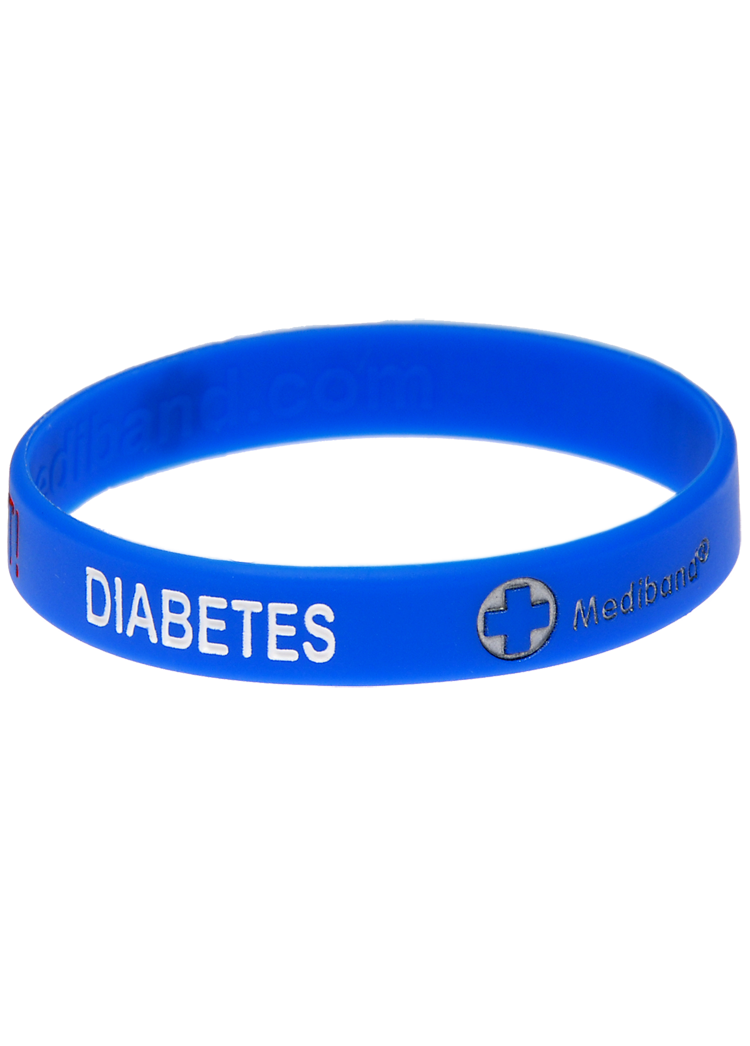
- Diabetes — Over 1.5 million Australians are diagnosed with diabetes (Diabetes Australia, 2024). Insulin-dependent diabetics need responders to know immediately, since hypoglycaemia and hyperglycaemia require opposite treatments — a mistake in either direction can be fatal.
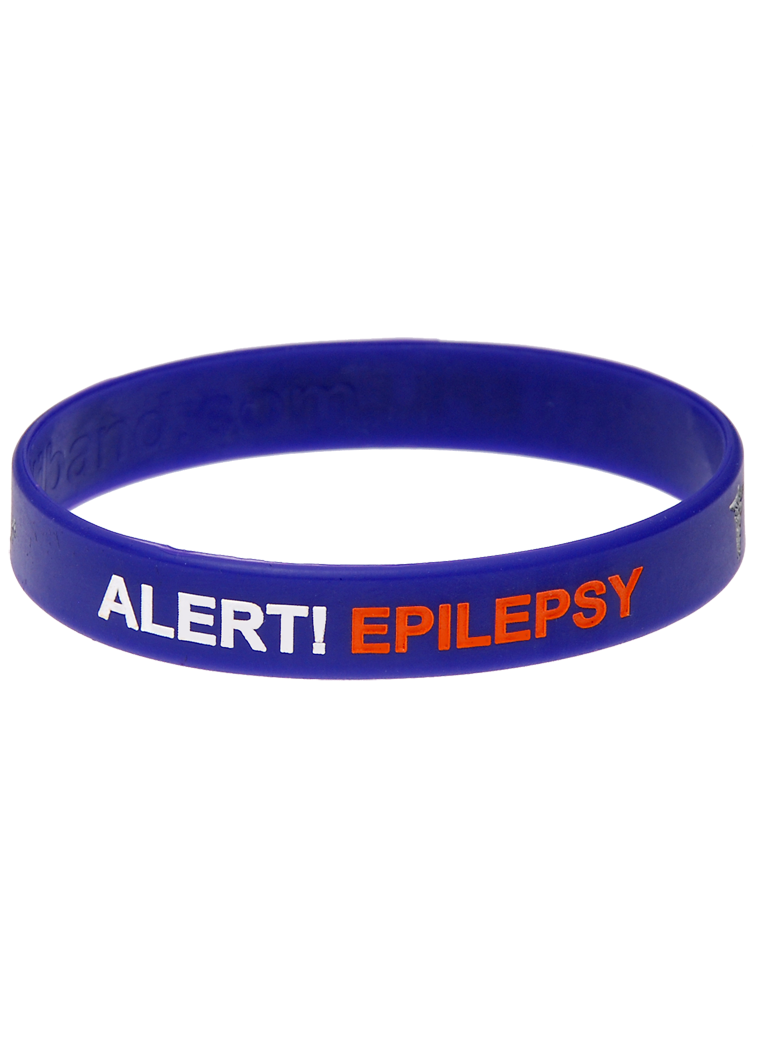
- Epilepsy — Approximately 250,000 Australians live with epilepsy (Epilepsy Action Australia). A wristband tells responders what medications the person takes and whether specific treatments should be avoided.
- Heart conditions — People on blood thinners, anticoagulants, or those with pacemakers or cardiac stents need responders to know before any invasive treatment or defibrillation begins.
- Asthma — Severe asthma can be life-threatening. A wristband alerts responders to the condition and key medications, helping them act fast and correctly.
- Parkinson's disease and neurological conditions — Symptoms can be misread as intoxication or disorientation without proper identification, causing dangerous delays in appropriate care.
Severe Allergy Sufferers
According to ASCIA (the Australasian Society of Clinical Immunology and Allergy), approximately 1 in 20 Australians has a food allergy, and up to 2% of the population is at risk of anaphylaxis. A clearly labelled allergy alert wristband ensures hospital staff do not administer medications containing your allergen — a potentially life-saving precaution during any hospital visit, even for an unrelated condition.
Common allergies that warrant a medical alert wristband include penicillin and other antibiotics, latex, ibuprofen, peanuts, tree nuts, shellfish, and dairy products.
Children, the Elderly, and People with Cognitive Conditions
Children cannot always communicate their medical needs accurately under stress or when frightened. A wristband on a child's wrist ensures teachers, coaches, and paramedics know what to do — and critically, what not to do — in an emergency. Similarly, elderly Australians and those living with dementia or Alzheimer's disease may not be able to recall or communicate their medical history when it matters most.
For both groups, wearing a medical ID consistently is one of the most practical steps a family can take to reduce emergency risk. Mediband offers bands in children's sizes and dementia-specific write-on formats designed for care settings.

What to Include on Your Medical Alert Wristband
Essential Information
The goal is to give emergency responders the most critical information in the shortest time. For most people, this means including:
- Your primary medical condition — e.g. "Type 1 Diabetic", "Epilepsy", "Anaphylaxis Risk"
- Critical medications — e.g. "On Warfarin", "Uses EpiPen", "Insulin Dependent"
- Key drug allergies — particularly those that could affect emergency treatment, such as penicillin, ibuprofen, or latex
- An emergency contact number — someone who knows your full medical history and can be reached quickly
For a full breakdown of what to engrave, see our guide to what to include on a medical ID bracelet.
What to Leave Off
Keep the information brief and immediately readable. Avoid including your full medication list, non-critical supplements, or technical details that only a specialist would understand. Emergency responders need to act fast — prioritise the information that directly affects treatment decisions in the first few minutes of an emergency. A wallet card or phone-based health record can carry the fuller picture.
Types of Medical Alert Wristbands Available in Australia
Silicone Medical Alert Bands
Silicone wristbands are the most popular choice for everyday wear. They are durable, water-resistant, comfortable for extended wear, and available in a wide range of colours and condition-specific designs. Mediband's silicone range covers conditions including diabetes, epilepsy, allergies, asthma, cardiac conditions, pacemaker recipients, and many more. Most are printed with bold, high-contrast text on a coloured background — designed to be read instantly under pressure.
Write-On Medical ID Wristbands
Write-on wristbands are ideal when you need a flexible medical ID — such as for hospital patients, aged care residents, or children trialling their first medical wristband. The ICE Write-On Medical Bracelet lets you fill in custom information in a designated field, making it practical for complex or multi-condition profiles that do not fit a standard pre-printed design.
Designer Medical Alert Bracelets
For those who want their medical ID to reflect their personal style, Mediband's designer and reversible range offers patterned designs that look far more like standard jewellery while still carrying critical medical information on the reverse side. These are particularly popular with teenagers and adults who are reluctant to wear a traditional-looking medical band every day — because a wristband only helps if it is actually worn.
Frequently Asked Questions
Do paramedics actually check for medical alert wristbands?
Yes. Emergency responders across Australia are trained to check the wrist and neck for medical ID within the first 30 seconds of assessing an unresponsive or unconscious patient. A clearly labelled wristband directly informs their treatment decisions — particularly for conditions like diabetes, epilepsy, severe allergies, and blood-thinning medications where incorrect treatment can cause serious harm.
What information should I put on a medical alert wristband?
Include your primary medical condition, any critical drug allergies, key medications (especially blood thinners, insulin, or an EpiPen requirement), and an emergency contact number. Keep it brief — emergency responders need to read it in seconds. For complex medical histories, pair your wristband with a medical wallet card to carry fuller details.
Can children wear medical alert wristbands?
Yes. Mediband offers medical alert wristbands in children's sizes, and these are strongly recommended for children with food allergies, epilepsy, asthma, or diabetes. A wristband means teachers, coaches, and paramedics can respond correctly in an emergency — even if a child is frightened or unable to communicate their condition clearly.
Is a medical alert wristband the same as a medical ID bracelet?
Yes — "medical alert wristband", "medical ID bracelet", and "medical alert bracelet" all refer to the same type of product. The terminology varies by country and brand. In Australia, both "wristband" and "bracelet" are commonly used, and both serve the same purpose: giving emergency responders immediate access to your critical health information when you cannot speak for yourself.
How long does a Mediband medical alert wristband last?
Mediband silicone wristbands are water-resistant and designed for everyday use including showering, swimming, and sport. With regular daily wear, the print typically remains clear for 12–24 months before a replacement is warranted. Write-on bands can be replaced more frequently as needed, particularly in hospital or care settings where the wearer's details may change.
Shop Medical Alert Wristbands at Mediband
Whether you are shopping for yourself, a child, or an elderly family member, Mediband has a medical alert wristband for your condition. All bands are made for everyday wear, water-resistant, and available for fast delivery across Australia. Don't wait for an emergency to plan for one.
More Medical Alert Wristbands
Also available — customisable and condition-specific options for every need.

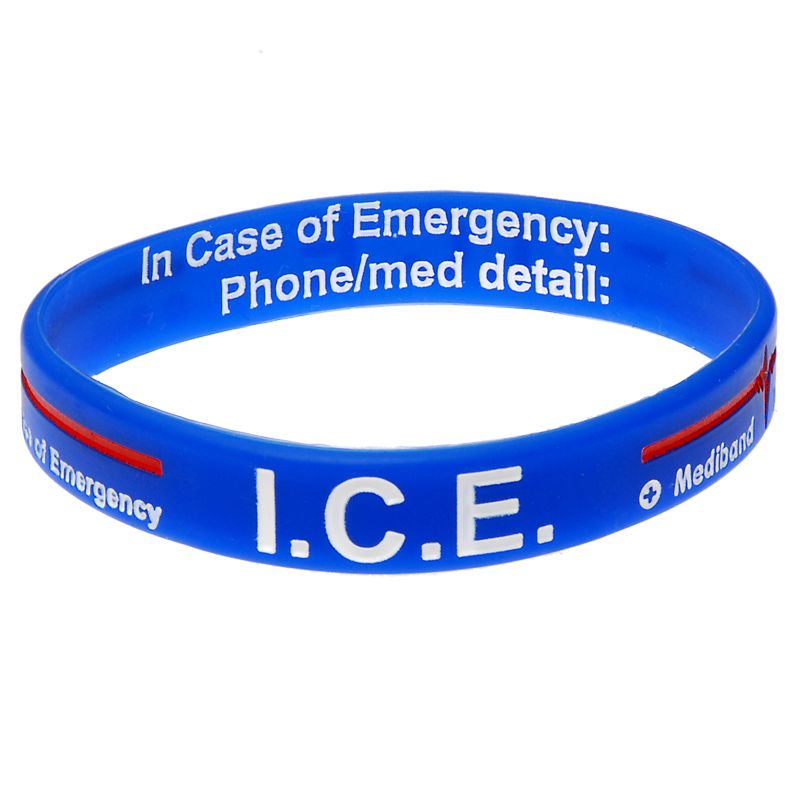
Not sure which wristband is right for you? Browse the full Mediband range or read our guide on who should wear a medical alert bracelet to find the right fit for your condition.

Share on Facebook

Share on X

Share on Pinterest
Comment(s)
Recent Posts
The Risk Of Not Wearing An Allergy Medical Alert Bracelet
March 23, 2026