Rare Disease Medical Alert Bracelets: Why They Matter More Than You Think
January 16, 2023

There are approximately 7,000 known rare diseases affecting an estimated 300 million people worldwide (Global Genes, 2024). In Australia, around 2 million people — roughly 8% of the population — are living with a rare disease (Australian Government Department of Health, 2024). Despite affecting so many, individual rare diseases are often poorly understood by the general public and even by some medical professionals.
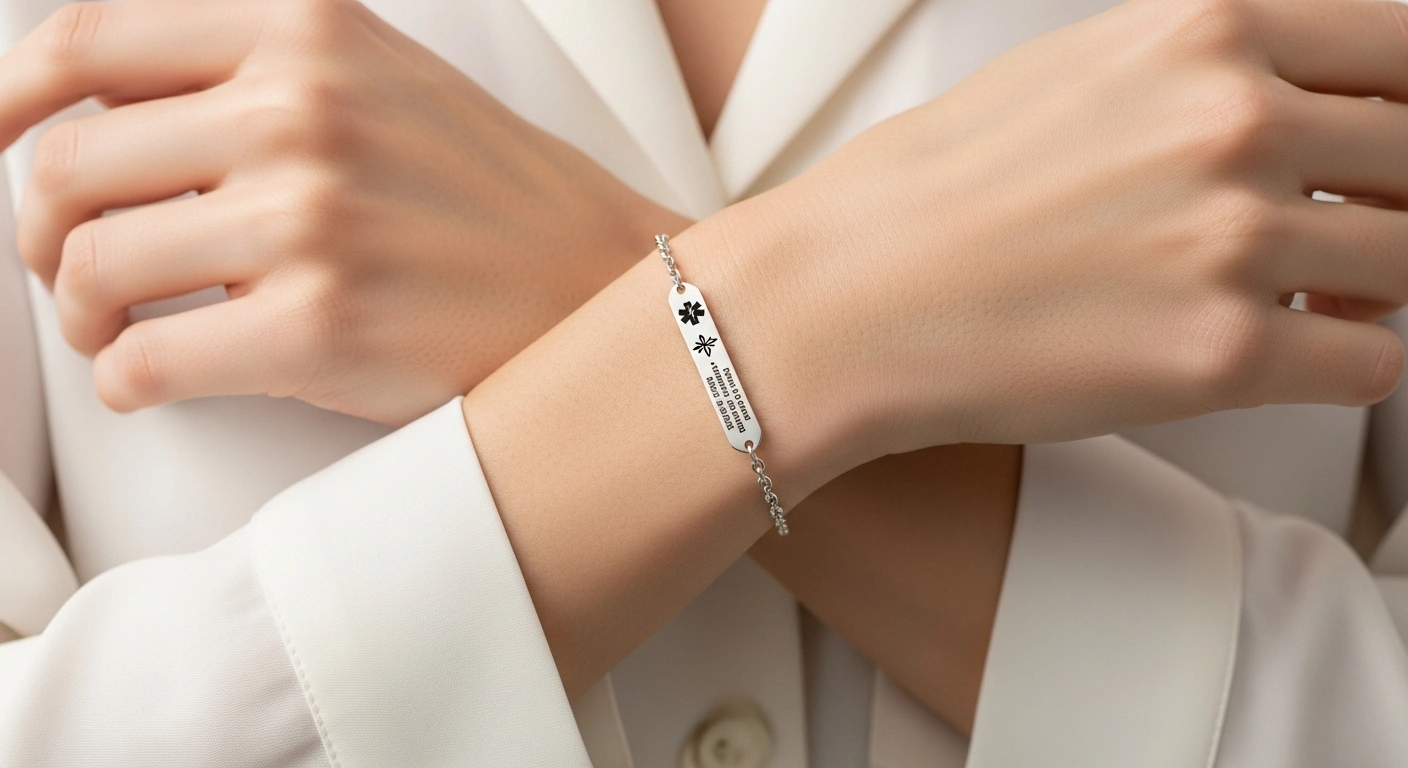
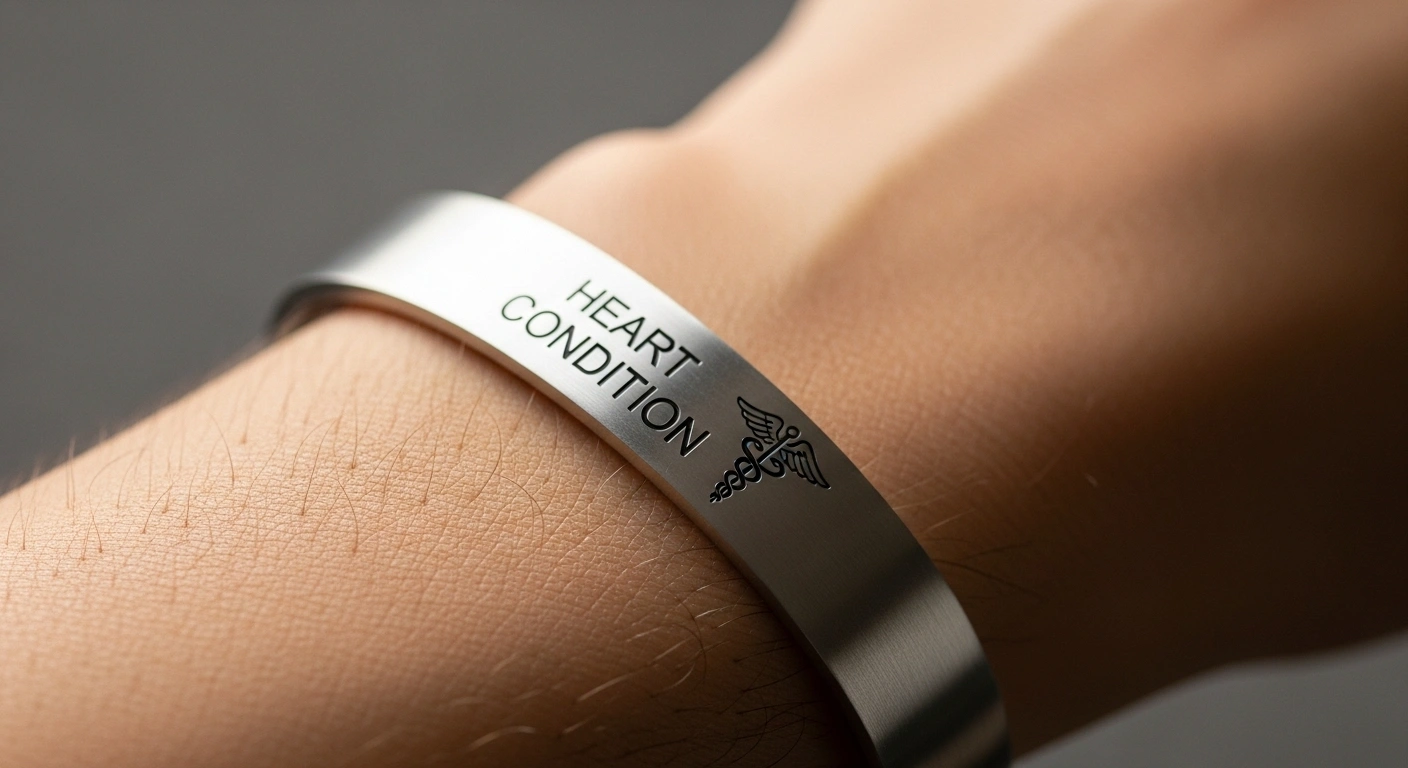
This is precisely why a medical alert bracelet is so critical for anyone living with a rare condition. When every second counts in an emergency, a bracelet that communicates your diagnosis, medications, and critical care instructions could literally save your life.
What Counts as a Rare Disease?
In Australia, a rare disease is defined as a condition affecting fewer than 5 in every 10,000 people. While each individual disease is uncommon, collectively they affect millions. Key facts:
- 7,000+ rare diseases have been identified globally
- 80% are genetic in origin (Rare Voices Australia, 2024)
- 70% appear in childhood, but many are diagnosed in adulthood
- Most have no cure — treatment focuses on managing symptoms and improving quality of life
- The average diagnostic journey takes 5–7 years and often involves multiple misdiagnoses
Common Examples of Rare Diseases
- Cystic fibrosis: Affects the lungs and digestive system, requiring daily treatment
- Huntington's disease: A progressive neurological condition causing movement, cognitive, and psychiatric symptoms
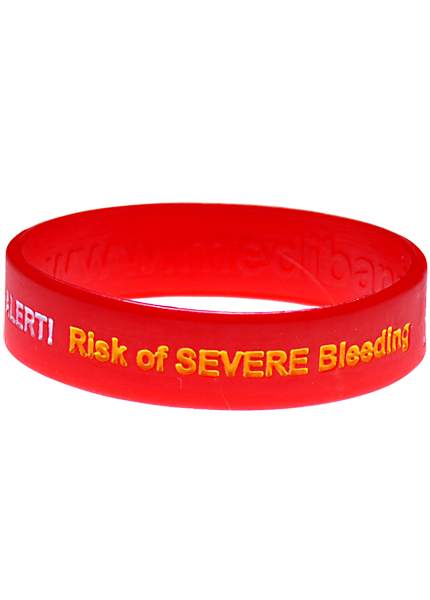
- Haemophilia: A bleeding disorder where blood doesn't clot properly — emergency responders must know
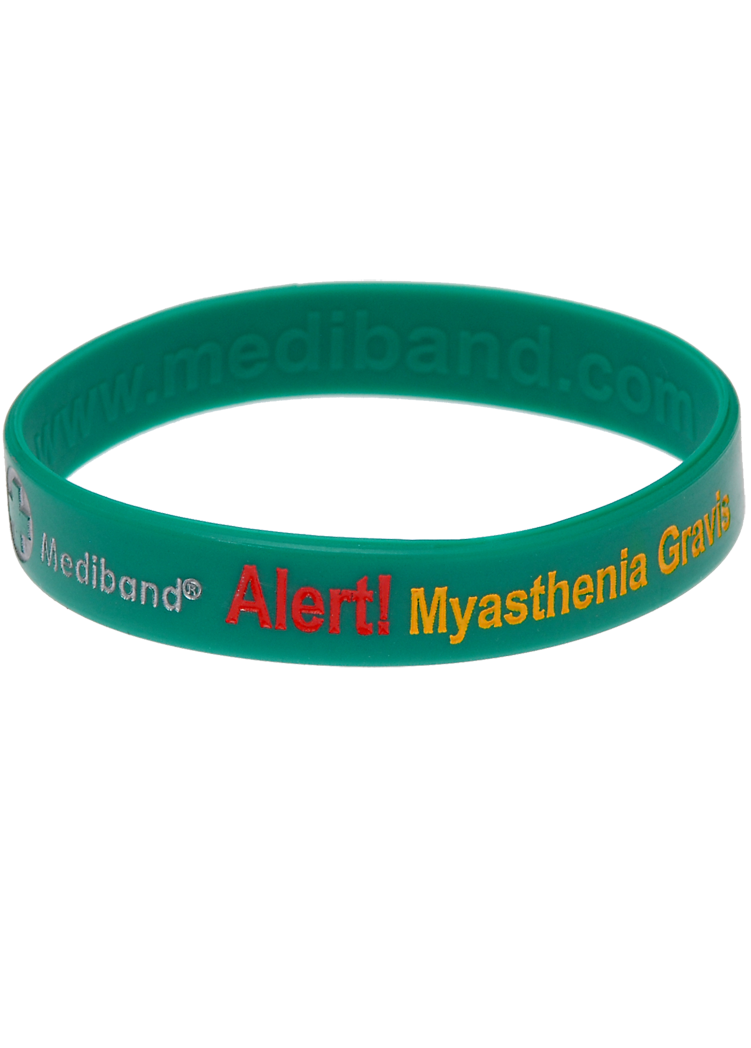
- Myasthenia gravis: Causes muscle weakness that worsens with activity, can affect breathing
- Muscular dystrophy: Progressive muscle weakness and loss of muscle mass
- Cushing's syndrome: Excess cortisol production leading to weight gain and increased risk of heart attack and stroke
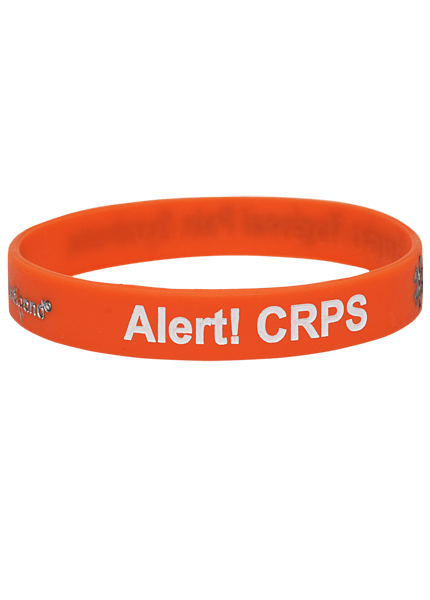
- CRPS (Complex Regional Pain Syndrome): Chronic pain condition usually affecting a limb after injury
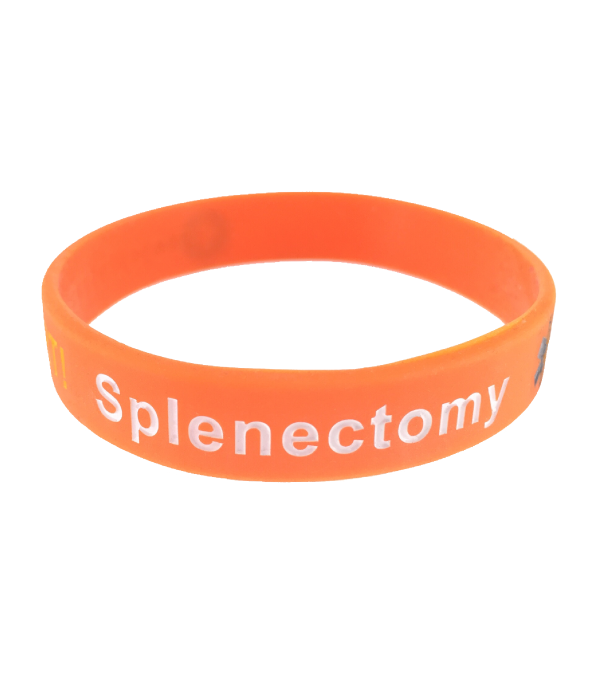
Shop Medical Alert Bracelets for Rare & Chronic Conditions
Help emergency responders understand your rare condition — even when you can't speak for yourself.
Why Are Medical Alert Bracelets Especially Important for Rare Diseases?
For common conditions like diabetes or asthma, most emergency responders know the standard protocols. But rare diseases present unique challenges:
Emergency Responders May Not Recognise Your Condition
A rare disease is, by definition, something a paramedic or ER doctor may never have encountered. Your medical alert bracelet serves as an instant briefing — providing the diagnosis name, critical medications, and any treatments to avoid.
Wrong Treatment Can Be Dangerous
Many rare diseases have specific contraindications. For example, certain anaesthetics are dangerous for people with myasthenia gravis, and standard pain relief may worsen symptoms of CRPS. A medical ID prevents well-meaning but potentially harmful treatment decisions.
You May Be Unable to Communicate
Rare diseases can cause sudden episodes of confusion, loss of consciousness, muscle weakness, or difficulty speaking. During these moments, your bracelet communicates what you cannot.
Faster, More Accurate Treatment
Research shows that medical alert identification reduces time to diagnosis in emergency settings by up to 40% (MedicAlert Foundation, 2023). For rare diseases, where misdiagnosis is common, this advantage can be life-saving.

What Information Should a Rare Disease Medical Alert Bracelet Include?
Because rare diseases are unfamiliar to many healthcare providers, the information on your bracelet needs to be especially clear and specific:
Must-Have Information
- Full condition name: Use the medical term (e.g. "Von Willebrand Disease Type 1", "Myasthenia Gravis")
- Key treatment instructions: "No Succinylcholine" or "Requires Factor VIII" — specific instructions that could prevent harm
- Current medications: Especially immunosuppressants, blood products, or steroids
- Emergency contact: A family member or carer who can provide additional medical history
Choosing the Right Type of Medical ID
For rare diseases, a write-on reversible bracelet is often ideal — it allows you to customise both sides with your specific condition details. If your condition has a pre-printed bracelet available (like myasthenia gravis or Von Willebrand disease), that offers instant recognition.
How to Live Well with a Rare Disease
Build Your Support Network
Connect with others through Rare Voices Australia, condition-specific support groups, and online communities. Sharing experiences and practical tips with people who understand your condition can be profoundly empowering.
Become an Expert in Your Condition
With rare diseases, you may end up knowing more about your condition than some of the doctors you see. Keep a detailed medical file, stay updated on research, and don't hesitate to educate healthcare providers when needed.
Prioritise Self-Care
Living with a chronic condition is physically and emotionally demanding. Build self-care into your routine: gentle exercise, good nutrition, adequate sleep, and stress management techniques like mindfulness or journalling.
Stay on Top of Medical Appointments
Regular check-ups allow your healthcare team to monitor your condition, adjust medications, and inform you about new treatments or clinical trials. Ask your specialist about the Australian Government's rare disease research funding and any relevant clinical trials.
Advocate and Raise Awareness
Participate in Rare Disease Day (celebrated every February), share your story, and help educate your community. Wearing a medical alert bracelet is itself a form of advocacy — it starts conversations and raises awareness of rare conditions.
Frequently Asked Questions
What rare diseases need a medical alert bracelet?
Any rare disease that could affect emergency treatment should have a medical alert bracelet. This includes bleeding disorders (haemophilia, Von Willebrand disease), neuromuscular conditions (myasthenia gravis, muscular dystrophy), metabolic disorders, adrenal insufficiency, and any condition requiring specific medications or treatment protocols.
What should I write on a medical alert bracelet for a rare condition?
Include the full medical name of your condition, any critical treatment instructions (e.g. "No Succinylcholine"), current medications especially immunosuppressants or blood products, drug allergies, and an emergency contact number. Use the medical terminology — abbreviations may not be understood by all responders.
Can I get a pre-printed medical alert bracelet for my rare disease?
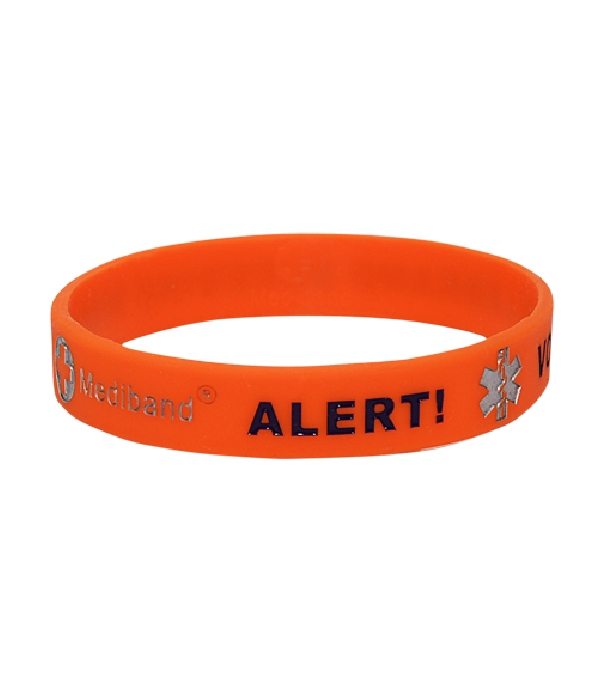
Mediband offers pre-printed bracelets for some rare conditions including myasthenia gravis, Von Willebrand disease, CRPS, and haemophilia. For other rare diseases, write-on or customisable bracelets allow you to add your specific condition details on both sides of the band.
How many people in Australia have a rare disease?
Approximately 2 million Australians — around 8% of the population — live with a rare disease. While each individual condition affects fewer than 5 in 10,000 people, collectively rare diseases are surprisingly common. Around 80% are genetic in origin and 70% first appear in childhood.
Where can I find support for my rare disease in Australia?
Rare Voices Australia (rarevoices.org.au) is the national peak body connecting people with rare diseases to support services, advocacy, and research. Many individual conditions also have dedicated foundations and support groups. Your specialist or hospital social worker can help connect you with relevant resources.

Share on Facebook

Share on X

Share on Pinterest
Comment(s)
Recent Posts
The Risk Of Not Wearing An Allergy Medical Alert Bracelet
March 23, 2026