Medical Alert Jewelry That Saves Lives — Australian Guide (2025)
By Michael Randall · Founder, Mediband
Medically reviewed · Updated December 2025 · 10 min read
Medically reviewed · Updated December 2025 · 10 min read
Medical Alert Jewelry That Saves Lives — Australian Guide
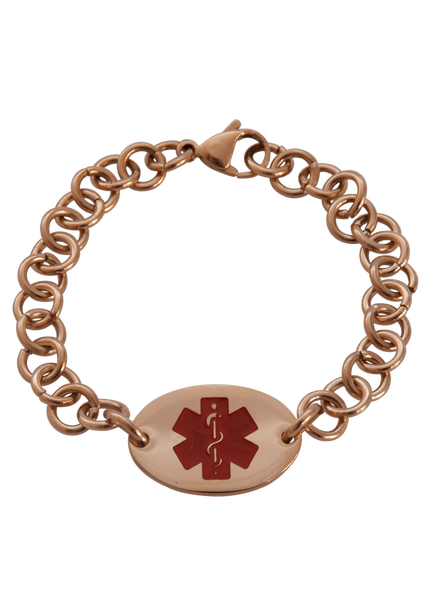
Updated December 2025. When most people hear "medical alert jewelry" they picture a clinical-looking plastic band. The reality in 2025 is very different. Modern medical alert IDs come as elegant rose-gold pendants, slim stainless steel cuffs, gold link bracelets and silicone wristbands — all carrying the same life-saving information, all instantly recognised by Australian paramedic crews.
This is the practical Australian guide to medical alert jewelry: what it does, how it saves lives, which styles fit which lifestyle, and how to choose a piece you'll actually wear every day. Because the most beautiful medical ID is the one that doesn't sit in a drawer.
The One Reason Medical Alert Jewelry Saves Lives
In any emergency — car accident, collapse, anaphylaxis, stroke, diabetic hypo — the first 60 seconds of paramedic action are decisive. Australian paramedic protocol on every unresponsive patient call includes a wrist + neck check for medical IDs, typically completed within 30 seconds of arrival. When a visible medical alert is present:
- The correct treatment starts 5-10 minutes faster than without one (Sydney Children’s Hospital 2018-2024 anaphylaxis data)
- Dangerous medications are avoided, not administered then reversed
- The patient’s emergency contact is called from the scene, not after admission
- Hospital admission triages straight to the right specialist team
The bracelet, necklace or pendant speaks for you when you cannot. The difference between a generic admission and a precise emergency response is, often, those four words engraved on a piece of metal on your wrist.
A Brief History — From Hospital Tags to Designer Pieces
The first commercial medical alert necklace was launched in 1956 by California physician Dr Marion Collins after his daughter nearly died from a penicillin reaction. For four decades, medical alert jewelry meant one option: a stainless steel cuff with engraved condition. By the early 2000s, silicone wristbands transformed daily-wear acceptance for kids and athletes. Today, the Mediband range covers everything from $15 silicone for school sport to $150 rose-gold cuffs that pass as designer jewellery in the office.
The Three Categories of Medical Alert Jewelry
Modern Australian medical alert pieces fall into three categories:
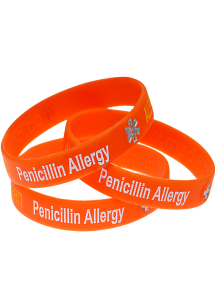
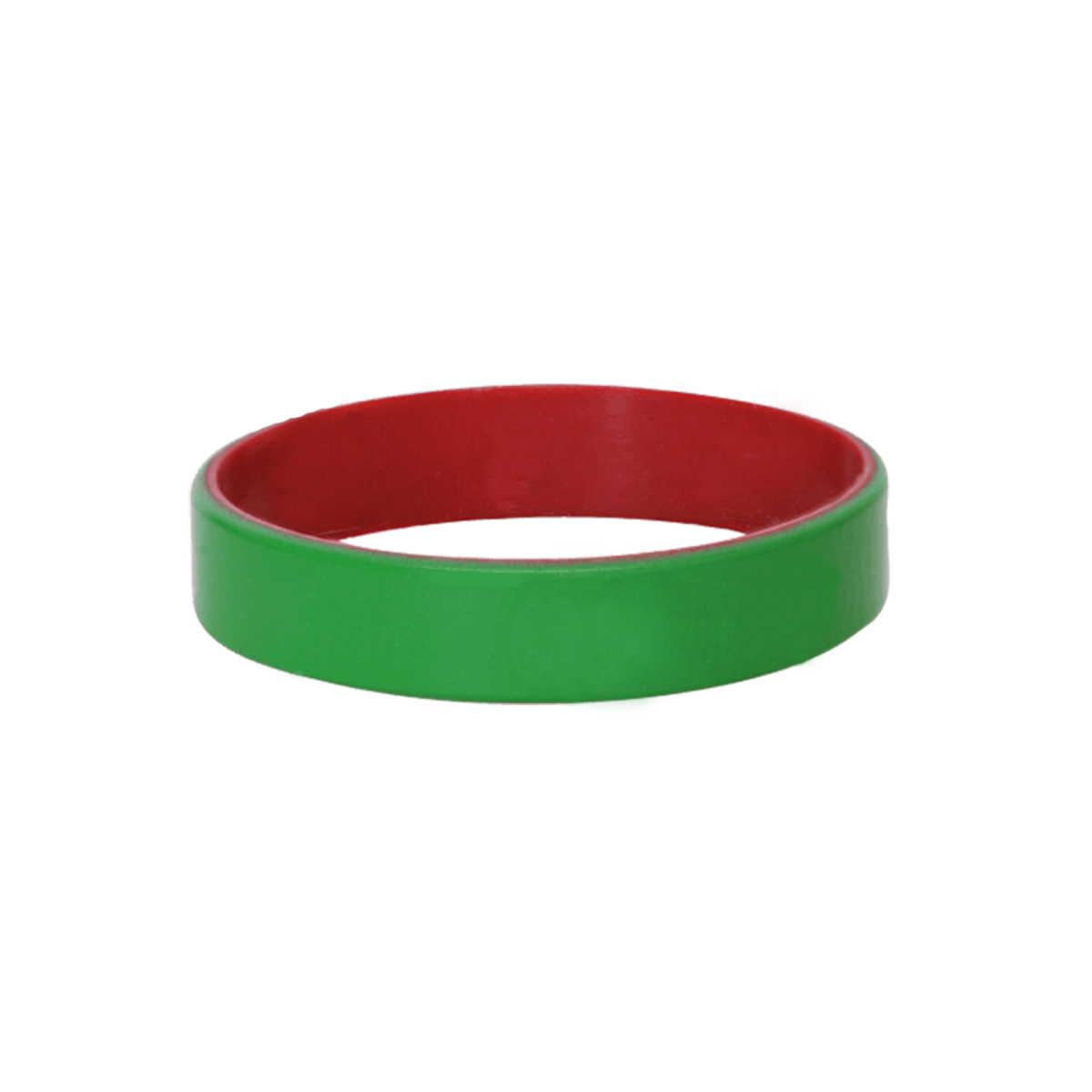
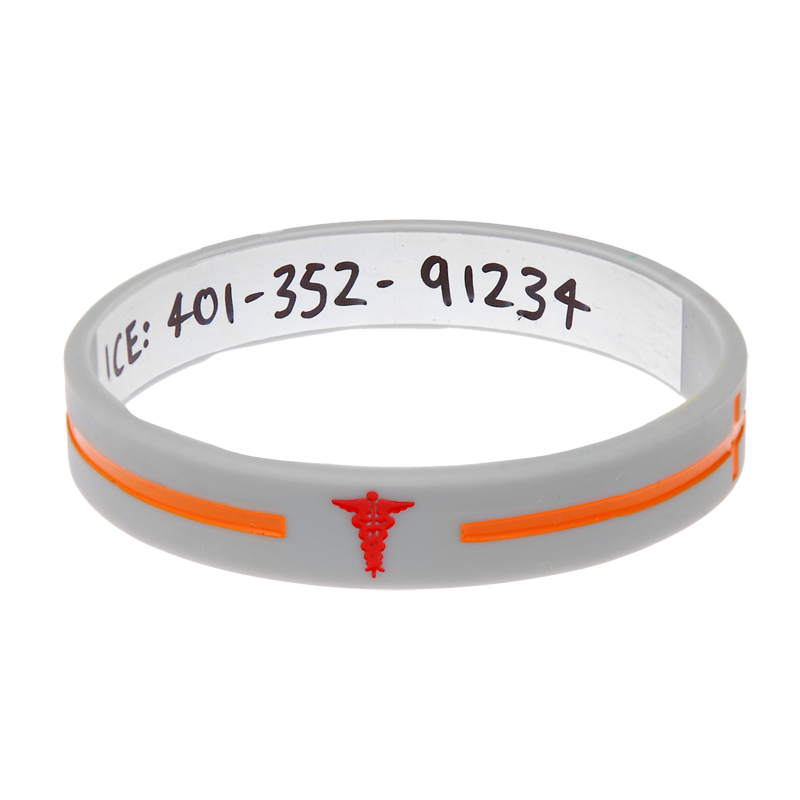
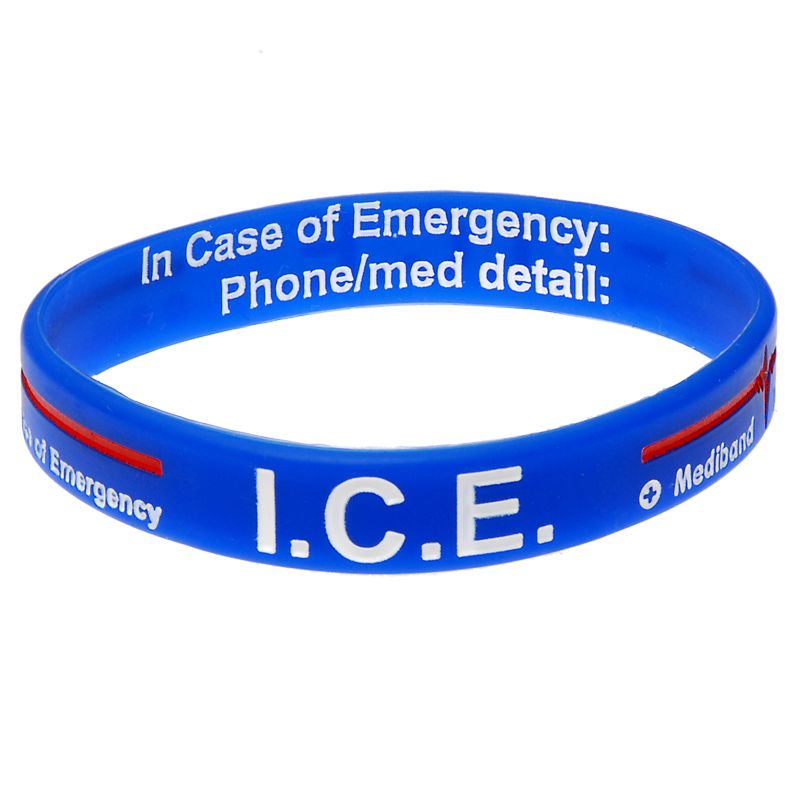
- Silicone wristbands — soft, waterproof, perfect for kids, sport, and 24/7 wear. Available in reversible designer styles + 30+ designs.
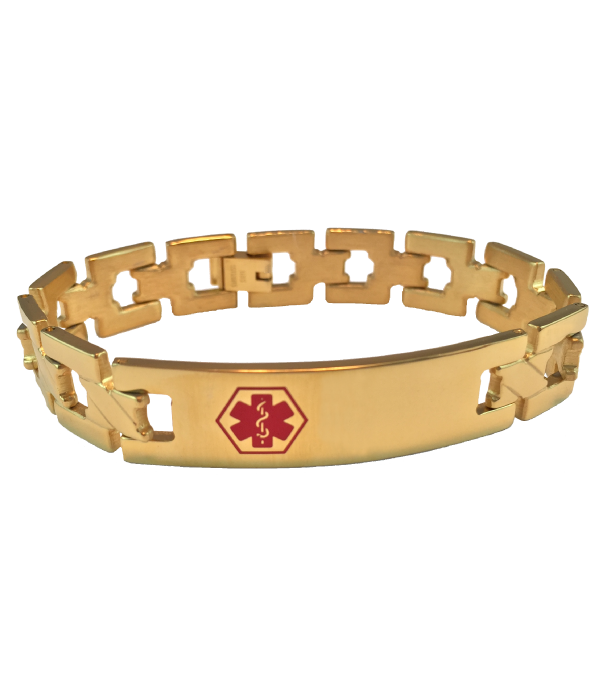
- Stainless steel bracelets + cuffs — jewellery-grade, durable, the standard for adult daily wear. Includes classic steel, gold-finish, and rose-gold options.
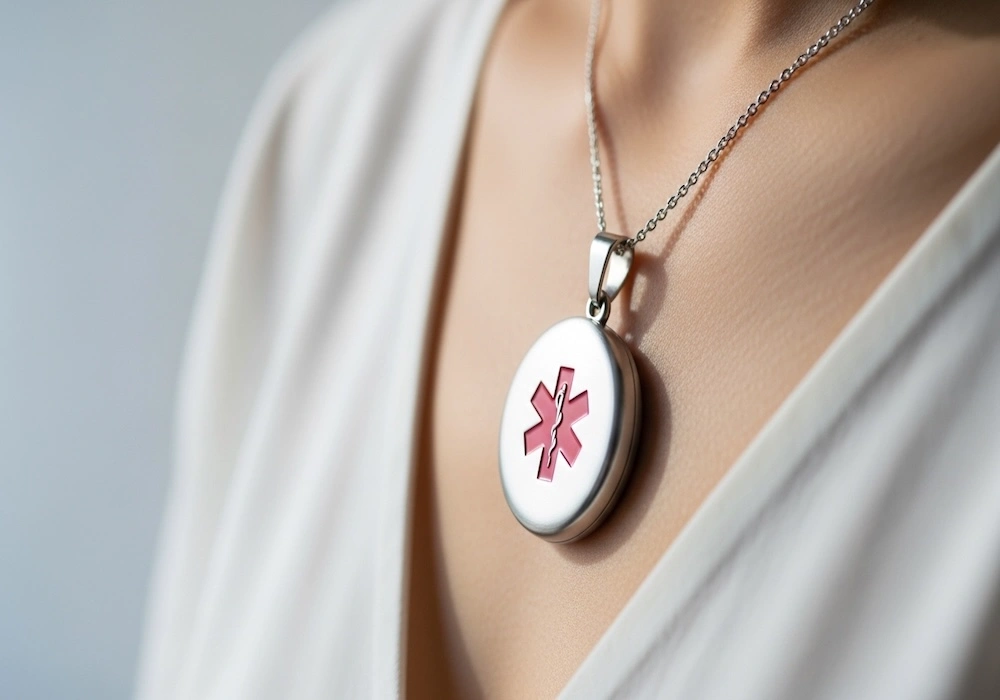
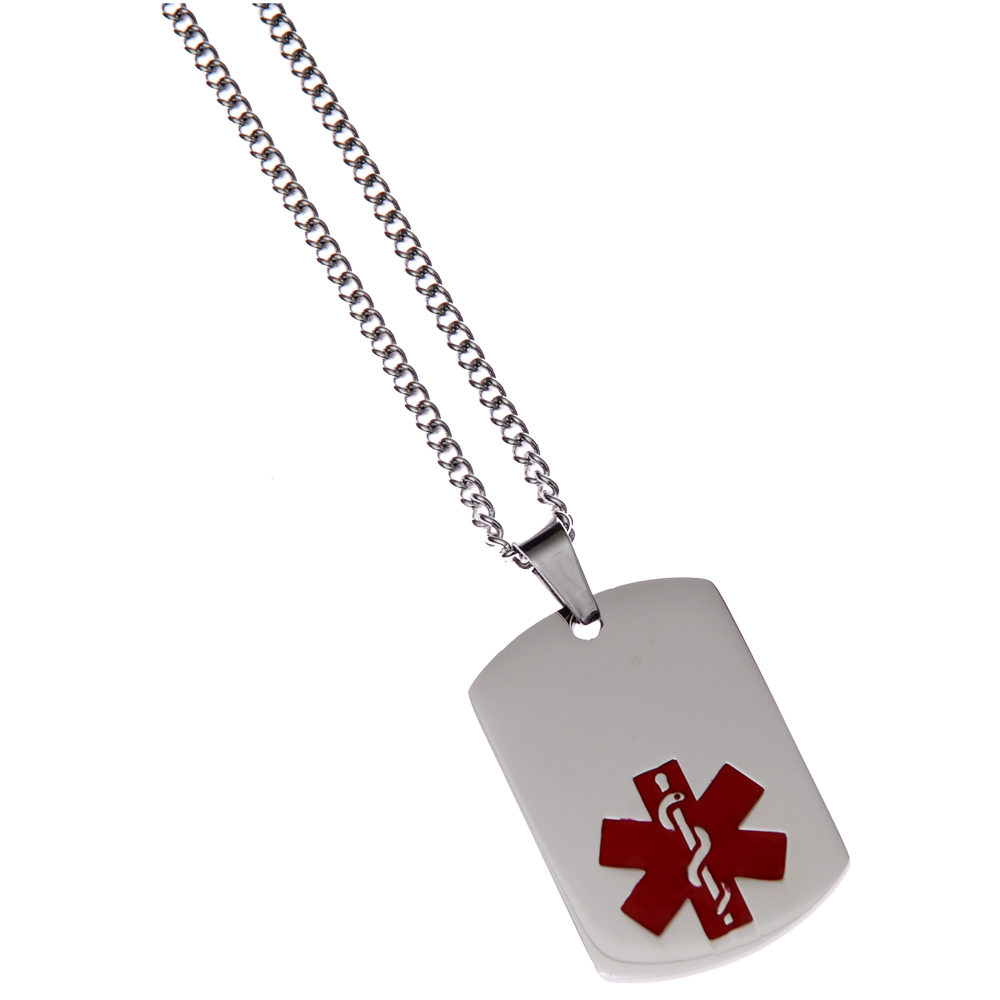
- Pendants and necklaces — for those with sensitive wrists or who prefer neck-worn IDs. Star of Life emblem styles + stainless steel chains or hypoallergenic silicone cord options.
How Paramedics Read Medical Alert Jewelry
Australian paramedic + ED triage protocol is consistent across every state. On every unresponsive or collapsed patient:
- Step 1 — airway, breathing, circulation
- Step 2 — wrist check (both wrists), neck check, ankle check for medical alert IDs
- Step 3 — read the engraving aloud to confirm + radio findings to incoming ED
- Step 4 — treatment adjusts immediately based on found condition
The Rod of Asclepius (single snake on staff) is the universal symbol every Australian paramedic crew is trained to spot. Whether your piece is plastic, steel or rose-gold, the symbol does the same job — it tells the responder this is medical information, not decoration.
Top Medical Alert Jewelry from Mediband
Premium stainless steel, gold and silicone — every Mediband carries the international Rod of Asclepius medical alert symbol.
Top Conditions That Need a Medical Alert Piece
Australian doctors recommend medical alert jewelry for anyone living with:
- Diabetes — especially insulin-dependent Type 1
- Epilepsy — seizure conditions can happen anywhere
- Severe allergies — food, drug, insect, latex; anyone with an EpiPen
- Severe asthma — exercise-induced or weather-triggered
- Heart conditions — arrhythmias, cardiac stents, pacemakers
- Blood thinners — warfarin, apixaban, rivaroxaban, dabigatran
- Adrenal insufficiency — Addison’s disease, long-term steroid use
- Dementia, Alzheimer’s, autism — identification + carer contact
- Post-stroke + post-surgery recovery
- Bleeding disorders, haemophilia, sickle cell
What to Engrave — The 4 Critical Fields
Less is more. Paramedics need information in 4-6 seconds. Stick to:
- Medical condition — primary diagnosis (e.g. “Type 1 Diabetic”, “Epilepsy”, “On Warfarin”)
- Critical allergy — if you have one (e.g. “Penicillin Allergy”, “Peanut Allergy”)
- Your full name
- Emergency contact — one mobile + relationship
Optional fifth field: target INR, organ donor status, or “See AHD” pointing to an Advance Health Directive.
Choosing the Right Style for Your Lifestyle
The best medical alert jewelry is the one you’ll actually wear every day. Match the piece to your daily life:
- Active / sport / kids — silicone wristband, waterproof, replaceable
- Office / formal wear — slim stainless steel cuff in silver or gold
- Sensitive wrists / wrist injury — pendant on chain, Star of Life emblem
- Premium / gift — rose-gold or yellow-gold cuff, polished finish
- Multiple settings — own both: silicone for weekends, steel for weekdays
Silicone vs Steel vs Gold
The three material choices compared:
| Material | Price (AUD) | Lifespan | Best for |
|---|---|---|---|
| Silicone | $15-30 | 4-5 years | Kids, sport, swimming |
| Stainless steel | $60-90 | 10+ years | Office, daily adult wear |
| Gold / Rose gold | $90-150 | Lifetime | Premium, gift, jewellery-style |
Necklace vs Bracelet — Which Wins?
Bracelets generally win on visibility — the wrist is the first place paramedics check. Necklaces win on comfort for office workers, those with wrist arthritis, or anyone wanting a discrete option under formal sleeves. Many Australian customers wear both: a discrete pendant under clothing for the office, plus a silicone band for weekends and sport.
Skin Sensitivity & Allergies
Two common considerations:
- Nickel allergy — common in Australians. Choose 316L surgical-grade stainless steel (low-nickel) or 18k+ gold pieces
- Latex allergy — not a concern; medical-grade silicone contains no latex
- Hypersensitive skin — titanium or pure silicone is the safest choice
Care & Daily Wear Tips
Silicone pieces: dishwasher-safe, hot water + soap; avoid harsh chemicals. Stainless steel: warm water + soft cloth, occasional jewellery cleaner. Gold + rose gold: avoid prolonged chlorine exposure (pools), buff occasionally with a microfibre cloth. All Mediband pieces are designed for 24/7 wear including sleep, shower and exercise.
When to Replace Your Medical Alert Jewelry
Three triggers for replacement:
- Engraving becomes hard to read — usually 4-5 years for silicone, 10+ for steel
- Medical information changes — new diagnosis, new medication, new ICE contact
- Visible damage — cracks, tarnishing, broken clasp
For Kids — The School + Sport Question
Australian school nurses universally recommend medical alert jewelry for any child with a chronic condition. Silicone is the standard:
- Soft band can’t injure during sport or play
- Available in kid-friendly designs kids actually want to wear
- Write-on band lets you update details as the family changes
- Chlorine-safe for school swimming + weekend pool
For Seniors — Visibility + Permanence
For older Australians, stainless steel often wins. Permanent engraving doesn’t fade, deep laser etching is easier for clinicians to read at close range, and the piece survives 10+ years without replacement. Pair with a medical wallet card in the purse for backup detail.
The Mediband Promise
Founded in Australia in 2008, Mediband has delivered over 500,000 medical alert pieces to Australian families. Our range covers every condition, every style, every age — from $15 silicone wristbands to $150 rose-gold cuffs. NDIS-registered, trusted by hospitals, aged-care facilities and schools across all eight Australian states and territories.
References & Further Reading
- Sydney Children’s Hospital (2018-2024) — Paediatric Anaphylaxis Presentations + Medical ID Outcomes.
- ASCIA (Australasian Society of Clinical Immunology and Allergy) — Medical Alert Bracelet Recommendations.
- NDIS Quality and Safeguards Commission — Assistive Technology Guidance.
- Diabetes Australia — Daily Wear Medical ID for Diabetic Patients.
- Australian Heart Foundation — Cardiac Medical ID Best Practice.
Frequently Asked Questions
Quick answers from the Mediband team
Does medical alert jewelry really save lives?
Yes — Sydney Children's Hospital data from 2018-2024 shows patients with a visible medical alert ID receive correct emergency treatment 5-10 minutes faster on average than those without. In an anaphylaxis or cardiac event, those minutes are the difference between recovery and tragedy.
What should I engrave on medical alert jewelry?
Four critical fields: medical condition (e.g. 'Type 1 Diabetic'), critical allergy if any (e.g. 'Penicillin Allergy'), your full name, and one emergency contact mobile. Optional: blood type, organ donor status, or 'See AHD' for advance directive.
Is stainless steel medical alert jewelry hypoallergenic?
316L surgical-grade stainless steel is low-nickel and tolerated by most people with mild nickel sensitivity. For severe nickel allergy, choose Mediband's titanium pieces or silicone bands instead. Standard 304 steel can occasionally cause reactions in highly sensitive individuals.
Bracelet or necklace — which is better?
Bracelets generally win on visibility — wrists are checked first by paramedics. Necklaces win on comfort for office workers, those with wrist arthritis, or under formal sleeves. Many Australian customers wear both, switching between contexts.
Can I wear medical alert jewelry while swimming?
Yes — silicone bands are 100% waterproof and chlorine-safe; stainless steel is also fine in pool water. Gold and rose-gold pieces can survive occasional swimming but extended chlorine exposure will dull the finish over time. The only style to avoid for daily aquatic wear is leather.
How often should medical alert jewelry be replaced?
Silicone bracelets last 4-5 years of continuous daily wear; stainless steel 10+ years; gold pieces a lifetime. Replace whenever the engraving becomes hard to read, your medical information changes (new diagnosis, new medication), or there is visible damage.
Is Mediband jewelry NDIS-claimable?
Yes — Mediband is an NDIS-registered supplier. Medical alert jewelry is claimable under most NDIS plans where it supports safety, participation or independent living. We can invoice directly or via your plan manager. Contact our team for an NDIS quote.
1 Oct 2013

Written by
Founder, Mediband
Michael founded Mediband in 2004 and has led the company for over two decades, providing medical IDs to people worldwide living with chronic conditions, allergies, and disabilities. Mediband is NDIS-registered, designed in Australia, and supplies hospitals including Boston Children's, LA County, and the St Vincent's Hospital allergy clinic. Michael works directly with peak bodies, NDIS support coordinators, and pharmaceutical clinical trials.

Share on Facebook

Share on X

Share on Pinterest
Comment(s)
Related posts