
By Michael Randall, Founder, Mediband · Updated 10 June 2026 · 9 min read
Australian families face a steady drip of medical news — Medicare rebate changes, new immunisations, telehealth rules, NDSS subsidy updates. Most updates take five minutes to absorb and ten to apply. The five below have the highest practical impact for family safety in 2026.
Pair each update with an action: review a school plan, audit the medical ID, book a telehealth follow-up. The list is short and the wins are real.
Why Australian families need a quarterly health-news scan
The Australian Government Department of Health publishes formal updates monthly; the practical changes affecting families land roughly every quarter. A standing 20-minute reminder beats reactive scrambling when something changes mid-emergency.
Families with chronic-condition members (anaphylaxis, diabetes, asthma, epilepsy) benefit most. The check pairs naturally with school terms and Medicare claim cycles.
5 Australian medical updates families should action this year
1. Anaphylaxis Action Plan revised — refresh school records
ASCIA updated the action plan format and 0.3 mg/0.15 mg auto-injector positioning in 2023. Most state education departments already require the new version. Audit your child's school plan before the next term.
2. Telehealth Medicare rebates permanent
Bulk-billed and rebated telehealth GP consultations are now a permanent Medicare item. Excellent for medication reviews, mental-health follow-ups and updating medical-ID info without taking a half-day off work.
3. NDSS continuous glucose monitor subsidies expanded
Type 1 diabetics receive subsidised CGM. Some Type 2 diabetics on insulin therapy also qualify. Speak with your endocrinologist or NDSS for current eligibility.
4. Better Access mental-health rebates extended
10 Medicare-rebated psychology sessions per calendar year remain in force. Add a mental-health flag to the medical ID — first responders treat presentations differently with context.
5. My Health Record default settings reviewed
Default upload for prescriptions, immunisations and allergies is on. Family carers can set proxy access for children under 14 and elderly relatives. 15 minutes in the portal can save hours in an emergency.

Recommended for you
Products related to this article
Hand-picked to go with what you just read.


Quarterly family health checklist
Step 1: Audit the school plans
Anaphylaxis, asthma, diabetes action plans live in the school office. Refresh the version every January and at any treatment change.
Step 2: Book a telehealth medication review
Annual minimum. Add a check after any new diagnosis, allergic reaction or hospital admission.
Step 3: Reconcile My Health Record proxy access
Family carers should be set as authorised proxies for under-14s and any elderly relative needing assistance.
Step 4: Refresh the medical IDs
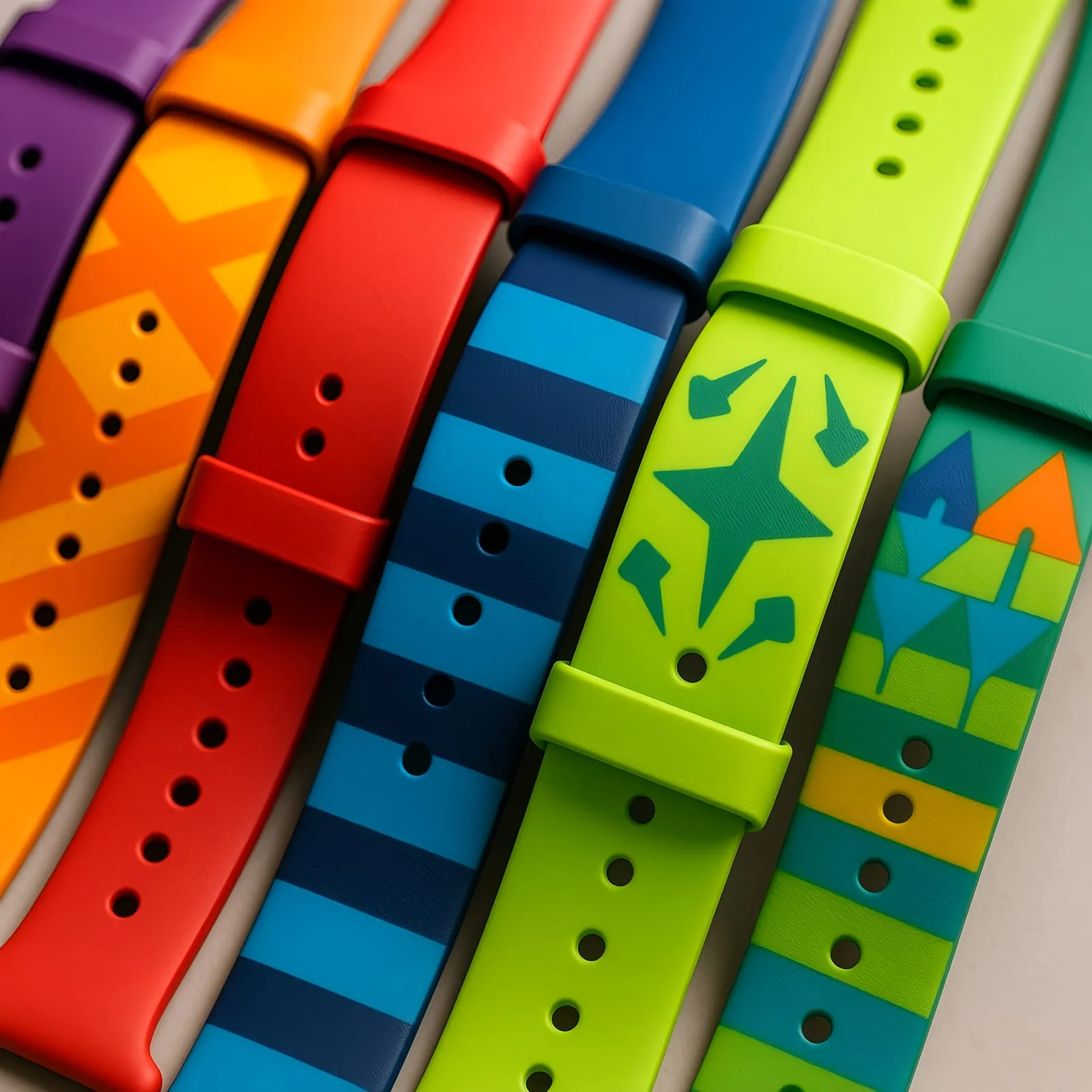
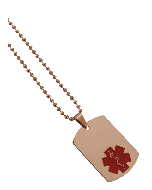
Wipe and rewrite write-on bracelets; replace any cracked or sun-bleached silicone. Engraved SS dog tags hold for 10+ years.
What to put on the medical ID for each family member
Adult with chronic condition
- Name + DOB
- Condition (Type 1 Diabetes, Anaphylaxis, etc.)
- Key medication + dose
- Emergency contact phone
Child with allergy
- Name + age
- "Anaphylaxis: peanuts" or specific allergen
- "EpiPen prescribed"
- Parent mobile + school number
Elderly relative
- Name + DOB
- Dementia + medication list (separate card)
- Blood-thinner warning if relevant
- Primary carer phone
Australian health organisations to bookmark
- Department of Health — policy + Medicare item updates
- Australian Digital Health Agency — My Health Record settings
- NDSS — diabetes supplies + tech updates
- Allergy & Anaphylaxis Australia — ASCIA-aligned action plans
- Beyond Blue — free phone support for anxiety, depression
- Black Dog Institute — mental-health triage

Small quarterly routine, family-wide safety
Five updates, four 20-minute actions, one quarter of the year. Audit the bracelets tonight, book the telehealth visit tomorrow, refresh the school plans next week.
Frequently Asked Questions
How often should families review Australian health news?
Quarterly is enough for most families. Pair the review with school-term changes and daylight-saving clock changes for easy memory anchors.
Are telehealth GP visits as good as in-person for medication reviews?
Yes for most medication reviews, mental-health follow-ups and condition check-ins. Reserve in-person for anything needing physical examination.
Can my Type 2 diabetic relative get NDSS-subsidised CGM?
Possibly — Type 2 diabetics on insulin therapy may qualify. Check eligibility with their endocrinologist or call NDSS directly.
What's the difference between My Health Record and a digital medical ID?
My Health Record is a hospital-grade lifetime record; a digital medical ID like MedibandPlus is a 30-second QR-scannable emergency profile. Use both.
How do I add a mental-health flag to a medical ID?
Include the condition name + any relevant medication. First responders treat depressive or anxious presentations differently when they have context.
Should every family member have a medical ID?
Anyone with an allergy, chronic condition or medication. Healthy adults benefit too for ICE (in case of emergency) details.
How long does a Mediband write-on bracelet last?
Silicone bands: 3-5 years with normal use. Premium SS dog tags: 10+ years. Replace any cracked or sun-bleached band immediately.

Written by
Founder, Mediband
Founder of Mediband; over 20 years providing medical IDs worldwide.
← Previous
Emergency Department Waiting Times: Australian Guide
Next →
A Healthy Start in Life: Baby & Toddler Safety Guide
Comment(s)