
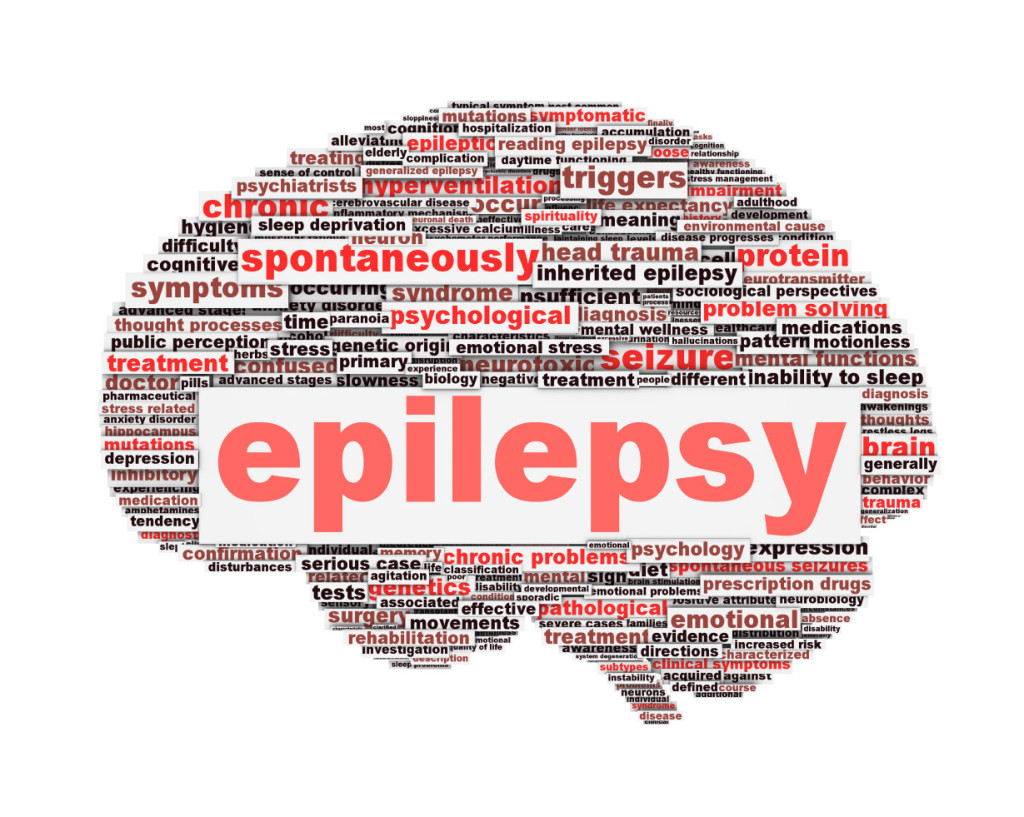
Living with epilepsy is about consistency — consistent medication, consistent sleep, consistent trigger management — backed up by a clear plan for the moments when a seizure happens anyway. Whether you were diagnosed last week or have been managing seizures for years, the same daily habits make the difference between living well with epilepsy and living in fear of the next event. This 2025 guide walks through what the Epilepsy Foundation of Australia and your specialist will typically recommend, plus the practical realities of carrying a medical alert bracelet that protects you when a seizure does occur.
Mediband has supplied Australian epilepsy patients with medical alert bracelets, reversible write-on bands and wallet cards for over fifteen years. The strategies below come from real customers — the daily habits that work, the warning signs that matter, and the protective gear that quietly saves the day when seizures strike.
Five Daily Habits That Help Manage Epilepsy
Most people with well-controlled epilepsy share a similar daily pattern. None of these habits cure epilepsy, but together they dramatically reduce seizure frequency:
1. Take medication at the same time every day
Anti-seizure medication only works when blood levels stay steady. Pair your dose with a daily routine (breakfast, brushing teeth, before bed) so it becomes automatic. Use a phone reminder or weekly pill organiser as a backup.
2. Stay with the same medication brand
Generic anti-epileptic drugs can have small formulation differences that affect seizure control. Epilepsy Foundation guidance is to stay with whichever brand currently controls your seizures — flag any substitution at the pharmacy and discuss it with your neurologist first.
3. Get 7–9 hours of sleep per night
Sleep deprivation is one of the most common seizure triggers. Aim for a consistent bedtime and wake time, even on weekends. Shift work and long-haul travel both need extra planning.
4. Limit caffeine, alcohol and other stimulants
Coffee, energy drinks and alcohol can lower the seizure threshold. Reducing or eliminating these is a low-effort change that consistently improves seizure control for many people.
5. Track and avoid personal triggers
Common triggers include stress, missed medication, flashing lights and hormonal cycles. Keep a seizure diary for 3–6 months to identify your specific patterns, then plan around them.
What to Do If You See Someone Having a Seizure
Most seizures stop on their own within 1–3 minutes and don’t need emergency treatment. But bystander response matters — first aid done well protects the person from injury and supports a faster recovery. Australian first-aid guidance for a tonic-clonic (convulsive) seizure:
- Stay calm and time the seizure. If it lasts longer than 5 minutes, call 000 — status epilepticus is a medical emergency.
- Move dangerous objects away. Don’t restrain the person; create space around them.
- Cushion the head if possible. A folded jumper or jacket helps prevent injury during convulsions.
- Never put anything in the mouth. The "swallowing the tongue" myth is dangerous — putting objects in the mouth risks injury and choking.
- Roll them onto their side once the convulsions stop. The recovery position keeps the airway clear.
- Stay until they recover. Confusion after a seizure (postictal state) lasts 5–30 minutes. Reassure them, explain what happened, and check their medical alert bracelet for emergency contacts if they need help getting home.
Call 000 immediately if: the seizure lasts longer than 5 minutes; the person doesn’t regain consciousness; another seizure starts before they recover; the person is injured, pregnant, in water, or this is their first known seizure.
Recommended for you
Products related to this article
Hand-picked to go with what you just read.
Why an Epilepsy Medical Alert Bracelet Matters Every Day
Most seizures happen unexpectedly — in shops, on public transport, at work, in the gym. An epilepsy medical alert bracelet does three critical jobs in those moments:
Identifies epilepsy to bystanders and paramedics
Without a clear identifier, bystanders may panic and assume a heart attack, stroke or substance issue. A bracelet marked "Epilepsy" tells them exactly what is happening and what (and what not) to do.
Communicates medication and triggers when you can't speak
Reversible write-on bracelets let you record current medication, dose and triggers on the inside. Paramedics flip the band and have the information they need in seconds.
Carries emergency contact details for after the seizure
Confusion after a seizure makes phone use difficult. An ICE bracelet or attached wallet card lists a family member or carer to call so the recovery period happens with support, not in isolation.
Practical Realities of Living Well with Epilepsy
Beyond the medical management, the lifestyle realities of living with epilepsy include:
Driving rules in Australia. Each state requires a seizure-free period (commonly 6–12 months) before you can drive. Discuss your specific case with your neurologist before resuming driving.
Telling employers and colleagues. You don’t have to disclose unless seizures might affect job safety. Many people choose to inform 1–2 trusted colleagues so seizure first-aid is covered without making it a whole-workplace announcement.
Mental health and epilepsy. Depression and anxiety are more common in people with epilepsy than in the general population. Speak with your GP if you notice mood changes — epilepsy medications can also affect mood and may need adjustment.
Pregnancy and epilepsy. Some anti-seizure medications carry teratogenic risk. Anyone of childbearing age should discuss medication choice with their neurologist well before trying to conceive.
Frequently Asked Questions
What are the most common seizure triggers in adults?
The most common triggers are missed or late medication, lack of sleep, stress, alcohol, flashing or strobing lights, hormonal changes, illness or fever, and certain foods or stimulants (caffeine, energy drinks). Most people with epilepsy have a personal set of 2-4 triggers that account for the majority of their seizures — keeping a seizure diary for 3-6 months is the best way to identify yours.
How long should a seizure last before I call 000?
Call 000 if a tonic-clonic seizure lasts longer than 5 minutes, if another seizure starts before the person fully recovers, if the person doesn't regain consciousness, or if this is their first known seizure. Status epilepticus (continuous seizure activity) is a medical emergency that needs hospital treatment.
Can I drive in Australia if I have epilepsy?
Most Australian states require a seizure-free period (typically 6-12 months depending on the type of seizure and individual circumstances) before driving is permitted again. The specifics vary by state and seizure type — your neurologist will discuss the rules that apply to your case and certify you to your state licensing authority when appropriate.
Is an epilepsy medical alert bracelet really necessary if my seizures are well-controlled?
Yes. Even with good control, breakthrough seizures can happen unexpectedly during illness, medication changes, sleep deprivation or stress. A medical alert bracelet ensures that wherever and whenever a seizure occurs, first responders and bystanders can identify the cause immediately and respond appropriately. It costs little, weighs almost nothing, and prevents the worst-case outcomes.
Should I tell my employer I have epilepsy?
You're not legally required to disclose unless seizures could affect workplace safety (operating heavy machinery, working at heights, driving for work). Many people with controlled epilepsy choose to inform a small group of trusted colleagues so seizure first-aid is covered, rather than making it a workplace-wide disclosure. The Epilepsy Foundation of Australia offers resources for navigating these conversations.

Written by
Founder, Mediband
Founder of Mediband; over 20 years providing medical IDs worldwide.
← Previous
Superfoods for Chronic Health Conditions: Top 7 Foods That Support Daily Wellness
Next →
Diabetic ID Bracelets: A 2025 Guide for the Newly Diagnosed
Comment(s)