
Why Every Home Needs a First Aid Kit — Right Now
Most household emergencies aren't dramatic — they're paper cuts that won't stop bleeding, a kitchen burn during dinner, a child's fall off the bike, a sudden allergic reaction to a new food. In every one of these moments, the difference between a quick fix and a stressful trip to the hospital is whether you have the right supplies within arm's reach. A well-stocked home first aid kit transforms minor injuries from disasters into manageable moments.
According to HealthDirect Australia, immediate first aid in the first few minutes of an injury or sudden illness can dramatically improve outcomes — sometimes saving a life. Yet research from Australian Red Cross consistently finds that fewer than 50% of homes have a complete, in-date first aid kit. This guide walks you through what to include, where to keep it, and how to keep it ready for the moment you need it.
What Should Go Into a Home First Aid Kit?
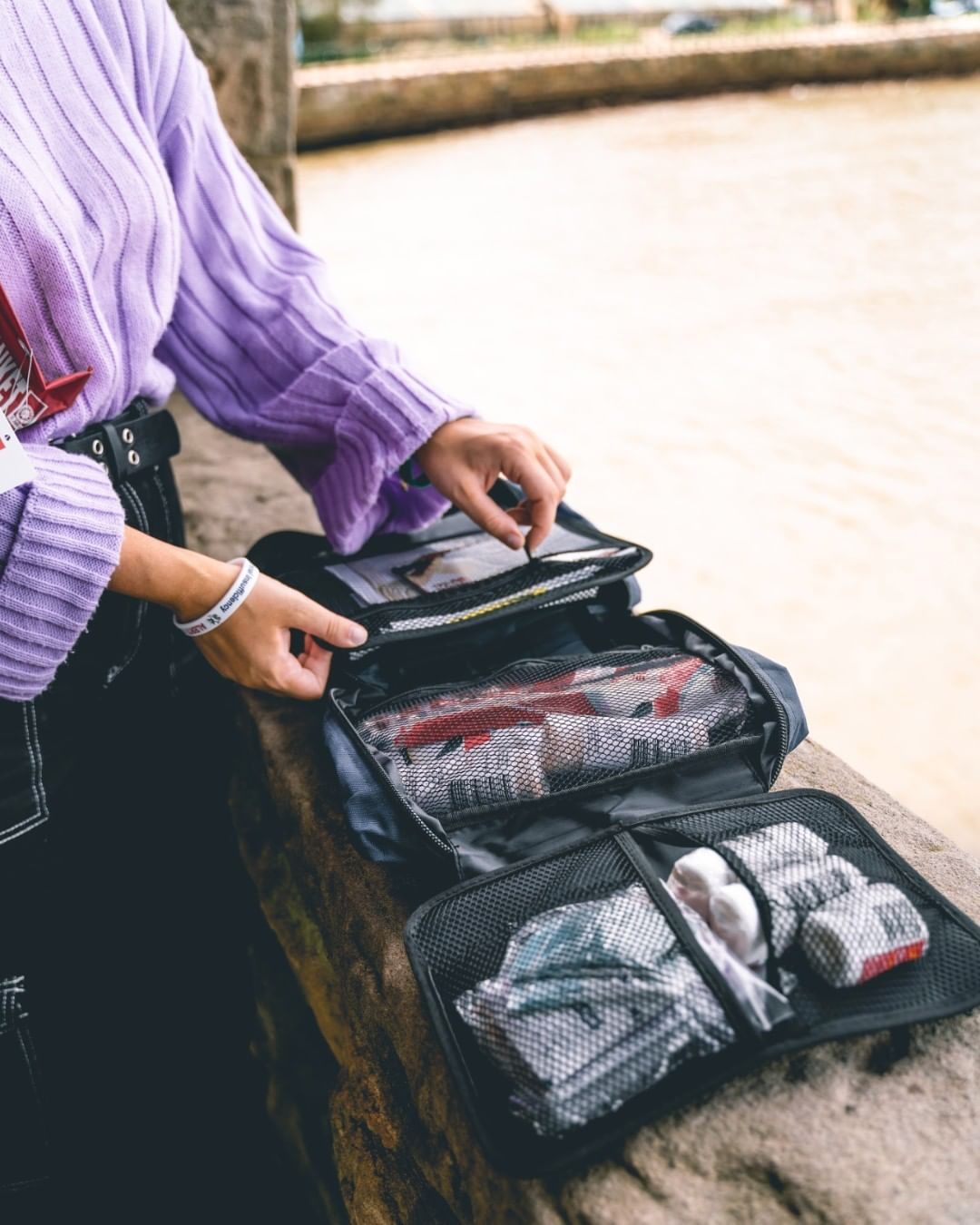
The Australian Red Cross publishes a recommended kit list. The essentials, organised by category:
Wound Care
- Adhesive bandages (assorted sizes)
- Sterile gauze pads (5cm and 10cm)
- Adhesive tape (paper and cloth)
- Crepe and conforming bandages
- Triangular bandages (for slings)
- Wound dressings (non-stick)
- Antiseptic solution and wipes
- Saline pods for eye and wound flushing
Tools and Instruments
- Stainless-steel scissors and tweezers
- Safety pins (small and large)
- Disposable nitrile gloves (latex-free for allergy sufferers)
- Resuscitation face shield or pocket mask
- Splinter probes
- Digital thermometer (plus spare batteries)
- Forehead thermometer strips for kids who hate ear or oral readings
Medications and Specialty Items
- Pain relief (paracetamol and ibuprofen — adult and children's strength)
- Antihistamine (cetirizine or loratadine for mild allergic reactions)
- Hydrocortisone cream (1%) for skin irritations
- Antibiotic ointment for minor cuts
- Burn gel or hydrogel dressings
- Oral rehydration sachets for gastro
- Eye wash solution
Emergency Items
- Emergency thermal blanket (foil)
- Instant cold pack (single-use)
- Heat pack or hand warmers
- Adrenaline auto-injector (EpiPen) — if anyone in the home has anaphylaxis
- Asthma inhaler and spacer — if anyone has asthma
- Glucagon kit or fast-acting glucose — if anyone is diabetic
- List of allergies and current medications for each family member
- Emergency contact numbers (GP, after-hours, poisons hotline)
Recommended for you
Products related to this article
Hand-picked from the Mediband range to go with what you just read.
Where Should You Store Your First Aid Kit?
The kit only works if you can get to it quickly. The right location is:
- Easy to grab — at adult height in a kitchen cupboard or hallway closet, not high on a shelf or behind boxes.
- Out of children's reach if it contains medications — but the rest of the kit can be lower.
- Cool and dry — not in the bathroom (humid) or the car (overheats and degrades supplies).
- Clearly labelled — a green and white first aid cross sticker on the front so anyone in the house can find it.
- Multiple kits in larger homes — main kit in the kitchen, smaller kit in the car, and a travel-friendly kit for the holiday house or boat.
Tell every household member, including babysitters and house guests, exactly where the kit lives. The kit you can't find in 30 seconds isn't doing its job.
How Often Should You Check and Restock Your First Aid Kit?
A first aid kit is only as good as its expiry dates. Build these habits:
- Quarterly mini-check — Look inside, replace anything used. 10 minutes.
- Twice-yearly full audit — Daylight saving changeover is a good reminder. Check expiry dates on every item.
- After every use — Replace what you used the same day or week. Don't put the kit back empty.
- Every 12 months — Replace adhesive bandages and gauze even if unused — the adhesive degrades.
- Every 24 months — Replace solutions, eye wash, and creams whether opened or not.
First Aid Kit Adjustments for Different Family Members
For Families With Young Children
Add child-strength paracetamol, child plasters with fun designs (compliance matters), gentle saline nasal spray, teething gel, and a small comfort toy. Include a child-friendly first aid book that older kids can flip through — helps reduce panic when something happens.
For Families With Asthma, Diabetes, or Allergies
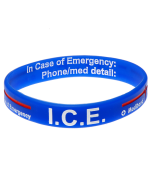
Stock condition-specific essentials: spare reliever inhalers, glucagon kits, antihistamines, and at least two adrenaline auto-injectors (one always expires near the time you need a backup). Pair with a medical alert bracelet for the affected family member so the wider community knows what to do.
For Older Adults
Include extra wound care for thin skin, blood pressure monitor, glucose meter (if diabetic), spare reading glasses (you can't read the medication label without them), and a current list of all medications and dosages.
For Pet Owners
Keep a separate small kit for pets — vets recommend gauze, vet wrap, hydrogen peroxide (for inducing vomiting under vet guidance), and tick removal tweezers. Don't share human medications with pets without veterinary advice.
Pair Your First Aid Kit With a Medical Alert Bracelet
A first aid kit handles the immediate wound or symptom. A medical alert bracelet handles the underlying condition — the diabetes, the allergy, the heart condition, the medication interaction. Together they form the complete safety net:
- The kit gives you supplies to act in seconds.
- The bracelet tells responders what's happening medically — even if no family is home.
- The wallet card or QR profile carries detailed history for hospital staff.
Both should be in the home of every family — they cost less than a single visit to a private hospital, and they pay back many times over the first time they're needed.
First Aid Skills Matter as Much as the Kit
The best-stocked kit in Australia won't help if no one knows how to use it. Every adult in the household should know how to:
- Stop bleeding with direct pressure
- Apply a sling or compression bandage
- Recognise the signs of stroke (FAST: Face, Arms, Speech, Time)
- Recognise anaphylaxis and use an EpiPen
- Manage a burn (cool running water for 20 minutes)
- Perform CPR and use an AED if available
The Australian Red Cross and St John Ambulance both run affordable first aid courses. Refresh your skills every 2-3 years — even a half-day course covers the most common emergencies. Knowing what to do is half the battle. Having the kit ready is the other half.
Frequently Asked Questions
What's the difference between a basic and an advanced first aid kit?
A basic kit covers minor injuries — cuts, scrapes, burns, headaches, mild allergic reactions. An advanced kit adds items for trauma and specific medical events: tourniquet, splints, oxygen mask, advanced wound dressings, and condition-specific medications like adrenaline or glucagon. For most homes, a comprehensive basic kit is enough; advanced kits are usually for workplaces, sports clubs, or remote travellers.
Should I buy a pre-made first aid kit or build my own?
Pre-made kits are excellent starting points and meet recognised standards. Build out from there — add condition-specific items for your family, replace any low-quality components, and personalise with allergy info and emergency contacts. The advantage of buying first is speed and completeness; the advantage of building is that everything is exactly what your family needs.
How long do first aid kit supplies actually last?
Adhesive bandages and gauze: 12-18 months unopened. Saline solutions, antiseptic wipes, and ointments: 24-36 months unopened. Medications: check the printed expiry — typically 12-36 months. Auto-injectors (EpiPens): 12-18 months. Cold packs and emergency blankets: 5+ years. The rule of thumb: audit every six months and replace anything within three months of expiry.
Do I need a separate first aid kit for the car?
Yes — a small dedicated car kit is one of the most-used kits any family owns. Cars are where minor injuries happen at parks, sports games, and on holidays. The car kit gets opened more than the kitchen kit. Keep it cool (a hard plastic case under a seat works), check it twice a year, and stock for the kinds of injuries kids and travellers actually get.
What's the most overlooked item in home first aid kits?
The list itself — written allergies, medications, and emergency contacts for every family member. In a real emergency, you forget what you know. A laminated card in the kit (and the same info on a medical alert bracelet) means anyone helping has the facts they need without relying on memory or panic.

Written by
Founder, Mediband
Founder of Mediband; over 20 years providing medical IDs worldwide.
← Previous
Medical Alert Bracelet FAQ — Everything Answered (2026)
Next →
Stay Safe — How a Medical Alert Bracelet Protects Your Family Every Day (2026)
Comment(s)