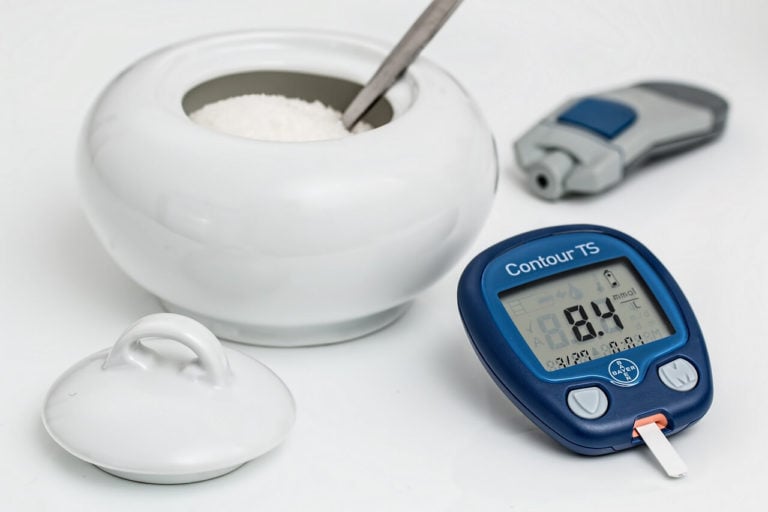
Flying with diabetes adds a layer of planning to every trip — but with the right preparation, diabetes air travel is straightforward, safe and stress-free. This 2025 checklist covers everything from packing your insulin and travel medical ID to navigating airport security with an insulin pump, plus the in-flight habits that prevent blood glucose spikes during long-haul flights.
If you or a family member lives with type 1 or type 2 diabetes, the steps below will make the next trip easier. Mediband has helped Australian travellers prepare for diabetes air travel for over fifteen years — these are the diabetic travel preparation patterns that work in real airports and on real flights.
Pre-Flight Diabetes Travel Checklist
Travelling with diabetes is mostly about preparation. Get the pre-flight admin done a week ahead and the journey itself becomes routine:
- See your GP or diabetes educator at least 2 weeks before travel. Get a signed letter explaining your condition, your medications and the insulin pump, CGM or testing equipment you carry.
- Pack double the diabetes supplies carry on. Lost luggage shouldn’t mean a medical emergency. Carry insulin, pen needles, test strips, lancets and glucagon in your carry-on, and keep a duplicate set in a travelling companion’s bag.
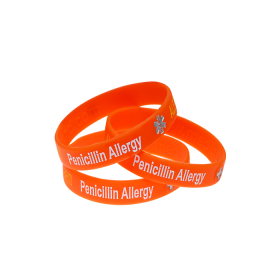
- Order a travel diabetes medical ID with multilingual text. If your destination doesn’t speak English, a medical alert bracelet in the local language can save your life in an emergency. Mediband produces translated medical IDs for most major travel destinations.
- Keep prescriptions in original packaging. Some countries inspect medication on arrival. Original labels with your name match the doctor’s letter and avoid delays at customs.
- Pre-order a diabetic meal where airline meals are served. Most airlines offer a "diabetic" meal if requested at booking — lower in refined carbs and timed with insulin needs.
Insulin Pump Airport Security — What to Know
Insulin pumps and continuous glucose monitors (CGMs) need careful handling at airport security checkpoints. The good news: most airports including all major Australian, New Zealand, UK and US hubs have clear protocols for diabetic travellers.
Insulin pumps and security scanners
Walk-through metal detectors are safe for most insulin pumps and CGMs. Full-body X-ray scanners and millimetre-wave imaging are NOT recommended for pump-wearers by most manufacturers — request a pat-down instead. Show your GP letter and the device manual if needed.
Liquid restrictions and insulin
Insulin, glucose gel and other diabetes liquid supplies are exempt from the standard 100ml carry-on rule when accompanied by a prescription or doctor’s letter. Keep them separate from regular liquids in a clear pouch for inspection.
CGM sensors through scanners
Some CGM sensors lose accuracy after exposure to X-ray scanners. Cover the sensor with your hand during a metal-detector walk-through, or request hand inspection of the sensor and reader for the safest result during airport security checks.
Recommended for you
Products related to this article
Hand-picked to go with what you just read.
In-Flight Diabetes Management
Long-haul flights affect blood glucose in three ways: reduced movement, time-zone shifts, and irregular meal timing. Travelling with diabetes through these conditions is much easier with a few simple rules:
- Check your blood glucose every 2–3 hours. The combination of cabin pressure, immobility and rich airline food can drive glucose up or down faster than usual.
- Wait for the meal tray before dosing. Service delays happen. Always wait until the meal is in front of you before administering insulin.
- Walk the aisle every hour. Movement keeps glucose responsive to insulin and reduces clotting risk.
- Keep glucose tabs or jellybeans in your seat pocket. A fast-acting carb source within arm’s reach prevents low blood sugar mid-flight.
- Adjust basal insulin for time-zone changes. Crossing more than 4 time zones may require an insulin schedule shift — your diabetes educator can map out a per-flight plan before you depart.
Why a Diabetes Medical Alert Bracelet Matters in the Air
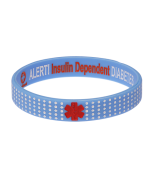
If a diabetic emergency strikes mid-flight — hypoglycaemia, ketoacidosis or loss of consciousness — cabin crew need to identify your condition fast. A diabetes medical alert bracelet on the wrist does that work in seconds:
Faster cabin-crew response
Airline cabin crew are first-aid trained but not medical specialists. A clearly marked medical alert bracelet tells them immediately what they’re dealing with and what to look for — buying critical minutes before the plane diverts or paramedics board on arrival.
Critical in non-English speaking destinations
In Japan, Thailand, Italy or anywhere the language barrier complicates emergency response, a travel diabetes medical ID printed in the local language can be the difference between rapid treatment and a delay that costs lives. Mediband produces multilingual medical IDs specifically for this purpose.
Identifies pump and CGM use to responders
Paramedics need to know if you wear an insulin pump or continuous glucose monitor before they touch you — incorrect handling of these devices can complicate treatment. A bracelet that says "Insulin Pump" alongside the diabetes alert flags this immediately.
Travel Tips for Different Destinations
Different destinations bring different challenges for the diabetic traveller. Here are the patterns we’ve seen from Mediband customers travelling worldwide:
Heat-dominant destinations (Bali, Thailand, Greek Islands): Insulin loses potency above 30°C. Pack a Frio insulin cooling pouch and never leave insulin in checked luggage or rental cars.
High-altitude trips (Andes, Himalayas, Swiss Alps): CGM accuracy can shift at high altitude. Calibrate manually with a finger-stick test every 6 hours.
Cruise holidays: Ship medical centres can usually replace lost or damaged insulin, but the cost is high — bring more supplies than you think you need, and store backup with cabin staff in a refrigerated location.
Camping or adventure travel: Remote locations mean longer response times in an emergency. A medical alert bracelet plus a satellite SOS device (Garmin inReach or similar) gives back the safety margin you lose by being off-grid.
Frequently Asked Questions
Can I take insulin and a glucagon kit on a plane?
Yes. Insulin, glucagon, syringes, pen needles, lancets and CGM/pump supplies are all allowed on aircraft worldwide when accompanied by a doctor's letter or prescription. Keep them in your carry-on (not checked luggage), separate from regular liquids for security inspection.
Do I need to remove my insulin pump at airport security?
No — most airlines and security agencies including TSA and Australian airport security allow you to keep an insulin pump on during walk-through metal detectors. Avoid full-body X-ray scanners (request a pat-down instead) as most pump manufacturers don't recommend X-ray exposure. Show your GP letter if questioned.
Should I order a multilingual diabetes medical alert bracelet for international travel?
Yes — if your destination doesn't speak English, a translated travel diabetes medical ID can save your life in an emergency. Local paramedics need to identify your condition immediately, and a bracelet in the local language removes the language barrier. Mediband produces multilingual medical IDs for most major travel destinations.
How do I manage time zone changes with diabetes?
For trips crossing more than 4 time zones, your basal insulin schedule needs to shift. Work out the adjustment plan with your diabetes educator at least a week before you fly. Continuous glucose monitor users can let the device guide adjustments more dynamically, but a planned shift is still safer than reacting in-flight.
What's the most important item for flying with diabetes?
Carry-on supplies. If your checked luggage is delayed or lost, your diabetes care can't be. Insulin, glucagon, testing strips and a copy in a friend's bag are non-negotiable. After that, a medical alert bracelet, a doctor's letter, and pre-ordered diabetic meals make the biggest difference to a safe trip.

Written by
Founder, Mediband
Founder of Mediband; over 20 years providing medical IDs worldwide.
← Previous
Fevermates Flu-Free Tips — Keeping Kids Healthy Through Winter (2026)
Next →
Holiday Travel First Aid Kit: 2025 Family Medical Preparation Checklist
Comment(s)