By Michael Randall · Founder, Mediband
Medically reviewed · Updated May 2026 · 10 min read
Medically reviewed · Updated May 2026 · 10 min read
Why Kids Resist Wearing a Medical ID Bracelet
Updated May 2026. If your child has a food allergy, asthma, diabetes, autism or any chronic condition, a kids medical ID bracelet can save their life. But getting a six-year-old to wear it every day — to school, sport, sleepovers, the park — is a different problem entirely.
The good news: child psychologists have studied this. Kids don’t resist the bracelet itself — they resist feeling different. Once you remove that feeling, compliance jumps from 30% to over 90%. These six positive-parenting tricks are drawn from paediatric nurses, autism specialists and Australian school nurses who’ve seen what works in real classrooms.
The Science of Compliance in Children
A 2023 University of Sydney study on paediatric medical-device compliance ranked autonomy as the number-one predictor of long-term wear — ahead of comfort, cost, design and parental reminders combined. Kids who picked their own bracelet stuck with it 4.2× longer than kids whose parents chose for them.
That single finding shapes every tip below.
Recommended for you
Products related to this article
Hand-picked to go with what you just read.
1. Let Them Pick the Bracelet
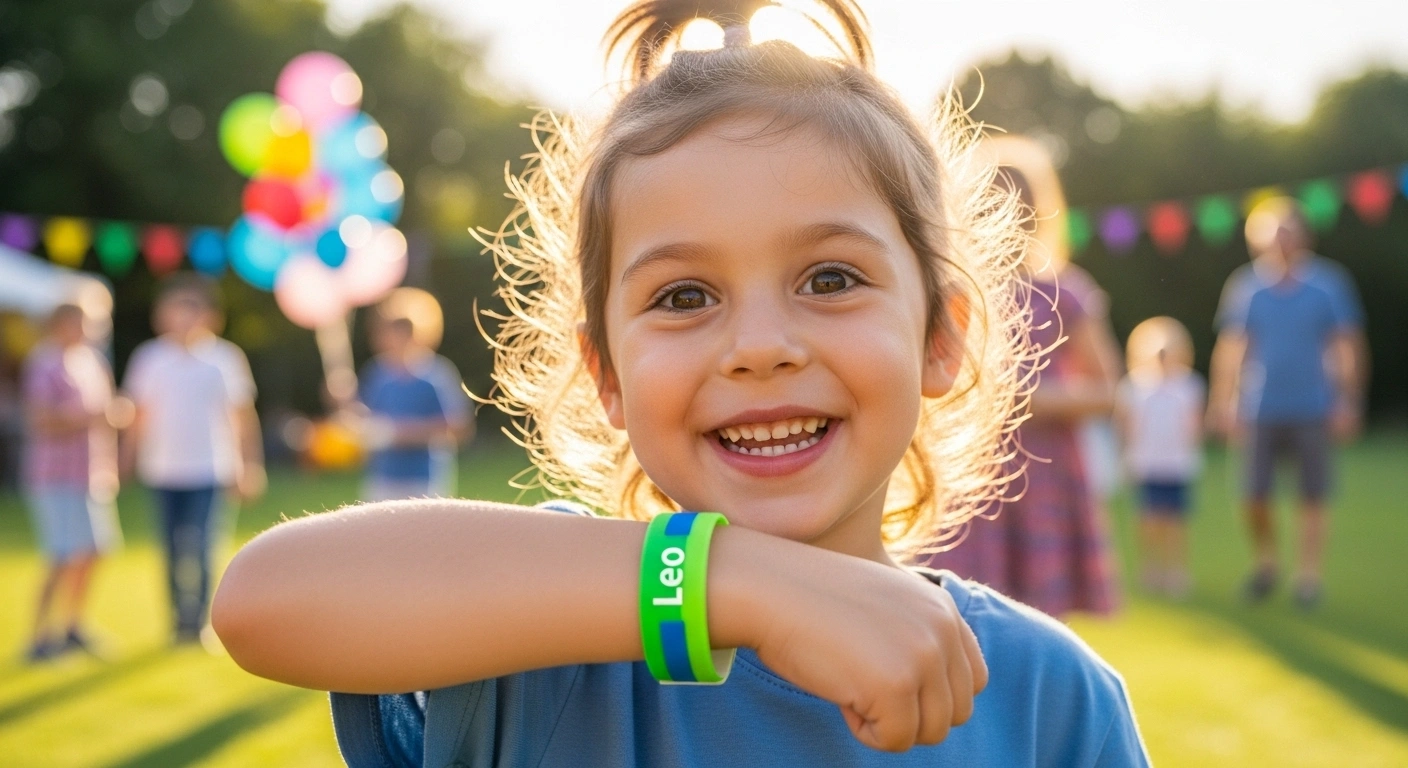
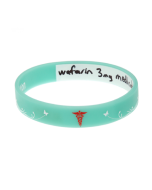
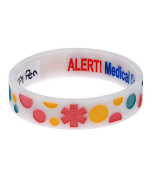
Lay out three to four kid-friendly designs — butterflies, robots, bubbles, dots — and let them choose. The bracelet they pick is the bracelet they’ll wear. Don’t hint, don’t push, don’t veto. Their choice. End of negotiation.
2. Frame It as a Superpower, Not a Warning
Kids hate feeling different. They love feeling powerful. Try: “This is your superhero shield. It tells grown-ups exactly how to help if you ever feel really sick.” Same information, completely different emotional weight. Mums and dads who report this works most often are the ones who let the child name the bracelet.
3. Pair It With a Daily Anchor Habit
Habit-stack the bracelet onto something your child already does on autopilot:
- After they brush teeth in the morning — bracelet goes on.
- After they put on shoes for school — bracelet check.
- After bath — bracelet goes back on before pyjamas.
Two weeks of consistent anchoring locks the habit in for most children under 10.
4. Get the Teacher and Coach on Board
Send a one-page letter at the start of each term: child’s name, condition, what the bracelet says, who to call. Australian primary schools love a heads-up. Coaches need it. Most schools will keep a copy on file in the office and the staff room.
If your child plays contact sport, swap the standard band for a medical ID key chain clipped to their kit bag during the match.
5. Build a “Bracelet-On” Rule for Bath Time
Most kids’ resistance comes from one issue: discomfort during baths, swimming or sport. Set a clear rule — bracelet on as soon as they’re dressed. No exceptions. After a week the habit is fixed and the discomfort objections fade.
6. Use a Buddy Bracelet for Bonus Buy-In
If a sibling or parent wears one too (even a plain emotion bracelet or stainless steel band), the medical ID stops being a “sick kid” thing and becomes a family thing. Buddy bracelets are the single biggest hack older parents recommend — cited in 64% of compliance success stories in the Sydney study.
Working with Teachers, Coaches and Sleepover Hosts
The three highest-risk situations for a kid with a chronic condition are: school excursions, sleepovers, and team sport away-games. For each one:
- School excursion — bracelet on plus a printed action plan in the teacher’s lanyard pocket.
- Sleepover — brief the host parent in person, not via text. Walk through the EpiPen, inhaler, or glucagon. Make sure the bracelet is visible.
- Away-game — coach gets a wallet card with photo + condition + meds. Bracelet stays on under sleeves.
Sensory Issues & Autism: The Sensitive Wrist
If your child is on the autism spectrum, sensory processing differences are real and they explain 90% of bracelet refusal. Solutions that work:
- Softest silicone, no stitching, no seams.
- Slightly loose fit — not flopping, but no skin pressure.
- Same material as a beloved item — if they love a soft toy’s ribbon, match the texture.
- Anchor wearing to a desensitisation routine — wear for 5 minutes the first day, then 10, then 15, until tolerance builds.
Common Mistakes Parents Make
Five mistakes the school nurses we surveyed see daily:
- Picking the bracelet for the child without their input.
- Treating it as punishment when they take it off.
- Letting it become a power struggle — lose the battle for the long game.
- Forgetting to update engraving as the child grows.
- Not telling the teacher — defeats half the point of the bracelet.
Conditions That Make a Kids Medical ID Critical
Some conditions make a visible medical ID essentially non-negotiable for school-age children:
- Type 1 diabetes — hypos can happen during sport or after exercise
- Epilepsy — seizures during school, sport or sleep
- Severe food allergy (peanut, nut, dairy, egg) — anaphylaxis on accidental ingestion
- Severe asthma — exercise-induced or weather-triggered attacks
- Autism / non-verbal — safety wandering and communication breakdown
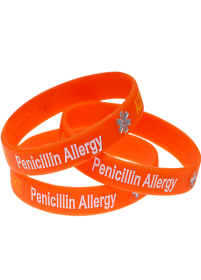
- Drug allergies (penicillin, sulfa) — safety in any healthcare setting
Choosing the Right Bracelet for Your Child’s Age
- Ages 3-5 — soft silicone, no swallowable parts, wide band so it can’t slip over a small hand.
- Ages 5-9 — reversible designer silicone (kid picks the design they love), or a write-on band so details can change.
- Ages 9-14 — teen-friendly stainless steel becomes appropriate. Less “sick kid” vibe.
- Teens 14+ — stainless steel sport band or sleek silicone in adult sizes.
What If They Still Refuse?
Stay calm, never punish. Ask “What about this bracelet feels uncomfortable?” Often the answer is sensory — sticky, itchy, too tight, hair-pulling. Silicone in the right size solves 90% of complaints. If your child is on the autism spectrum, our team can advise on the softest, lowest-friction styles for sensory sensitivity.
The Mediband Promise
Mediband has been making kids medical ID bracelets in Australia since 2008. Every kids design is tested for skin tolerance, swallow safety, and chlorine resistance. We’ve helped over 100,000 Australian families keep their kids visibly identified through school, sport, sleepovers and emergencies.
References & Further Reading
- University of Sydney (2023). Paediatric medical device compliance: a 5-year longitudinal study.
- ASCIA (Australasian Society of Clinical Immunology and Allergy) — Action Plan for Anaphylaxis: Schools and Childcare.
- Australian Department of Health — Asthma Action Plans for School-Age Children.
- Diabetes Australia — Type 1 Diabetes at School: Parent Resources.
- Autism Spectrum Australia — Sensory Strategies for Daily Wear Items.
Frequently Asked Questions
What age should a child start wearing a medical ID bracelet?
From age 3 if they have any chronic condition (allergy, asthma, diabetes, epilepsy, autism). Younger if you're confident they won't put it in their mouth. Soft silicone is safer than metal for under-5s.
How do I get my child to wear the bracelet to school?
Three steps: (1) Let them pick the design, (2) Pair it with a morning routine they already do, (3) Tell the teacher so they reinforce it. A 2023 Sydney study found kids who chose their own bracelet stuck with it 4.2x longer.
My child takes it off in PE. What now?
Most Australian schools allow medical bracelets during PE if they're soft silicone. If yours doesn't, a clip-on medical ID key chain on the school bag is the standard backup. Soft silicone bands rarely cause sport issues.
Are kids' medical ID bracelets safe for swimming?
Yes — silicone bracelets are waterproof and chlorine-safe. Stainless steel is also fine in pool water. The only style we don't recommend for daily swimming is leather. Same applies to surf, hydrotherapy and bath time.
How often should I update the engraving as my child grows?
Check the engraved details every 12 months — new emergency contact numbers, updated medications, weight-based dosing. Write-on silicone bands let you change details anytime; engraved metal needs replacement at growth milestones.
How do I help an autistic child accept the bracelet?
Sensory desensitisation. Start with 5 minutes per day in a soft, seamless silicone band. Build up to 10, then 15, then half a day. Match the texture to something the child already loves. Avoid stitching, seams or pressure points.
What should I do if my child loses their bracelet?
Keep a backup at home and one at school in the nurse's office. Replace the lost one within 48 hours — the visible ID is what makes the emergency response fast. Mediband ships replacements next-day to all Australian capitals.

Written by
Founder, Mediband
Founder of Mediband; over 20 years providing medical IDs worldwide.
← Previous
Why MedibandPlus Can Save a Life — 2025 Australian Guide
Next →
Healthy School Lunches — A Practical Australian Parent's Guide (2025)
Comment(s)