
By Michael Randall · Founder, Mediband
Medically reviewed · Updated July 2025 · 10 min read
Medically reviewed · Updated July 2025 · 10 min read
Healthy School Lunches — A Practical Australian Parent's Guide (2025)
Updated July 2025. The school lunch box is one of the most consistent battlegrounds in Australian family life. You pack roughly 180 lunches per child per school year. Get it right and your child has energy through the afternoon, concentration in class, and a happy mood at home. Get it wrong and you’re fighting hangry meltdowns by 3:30 pm.
This guide is the practical, evidence-based playbook from Australian dietitians, paediatricians and parents who actually live the school-lunch reality — including the nut-free, allergy-safe, and time-poor versions.
What the Research Says About Kids’ Lunch Boxes
2024 Cancer Council Australia data:
- 54% of Australian school lunches are below NHMRC guidelines for fruit + vegetable content
- 37% of primary kids’ lunches contain at least one ultra-processed snack daily
- 1 in 5 Australian kids start school without breakfast at least once a week
- Schools with Crunch and Sip programs see 24% better afternoon concentration vs control groups
- 1 in 20 Australian children has a diagnosed food allergy — highest paediatric rate in the world
Recommended for you
Products related to this article
Hand-picked to go with what you just read.
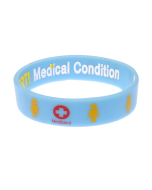
The 5-Part Lunch Box Formula
Every healthy lunch box has five components. Build around this template and you’ll never have decision fatigue at 7 am:
- 1. Main — protein + complex carb (sandwich, wrap, pasta, sushi, rice paper roll)
- 2. Fresh fruit — one piece OR small portion of fruit salad
- 3. Vegetable sticks — carrot, cucumber, capsicum, snow peas, cherry tomatoes
- 4. Dairy or alternative — cheese, yogurt, milk, soy or oat milk
- 5. Hydration — water bottle (always)
Plus an OPTIONAL 6th: a small treat (popcorn, dried fruit, mini muffin). Optional — not required every day.
Australian School Lunch Rules
Most NSW + Victorian primary schools now follow these guidelines (NSW Health Crunch and Sip, Cancer Council Healthy Schools):
- Nut-free — standard at most primary schools since 2010
- No nut spreads — peanut butter, Nutella, almond butter all prohibited
- No food sharing — lunches stay with the child they’re packed for
- Encourage fruit + veg + water
- Limit sugary drinks + processed snacks — many schools ban energy drinks outright
For kids with diagnosed allergies, the rules tighten further. See [internal: allergy alert bracelets for safety details].
20 Tested Healthy Lunch Box Combos
Australian parent-tested combos that actually get eaten:
- Wholegrain wrap + chicken + lettuce + cheese + cucumber + grapes
- Vegemite + cheese sandwich + apple + carrot sticks + yogurt
- Cold pasta salad + cherry tomato + cheese cubes + crackers + strawberries
- Rice paper rolls (rolled at home) + dipping sauce + fruit salad
- Sushi rolls (no fish if seafood allergy) + edamame + mandarin
- Mini frittatas (egg + veg, batch-cooked Sunday) + crackers + apple
- Boiled egg + cheese + crackers + cucumber + fruit
- Pancake roll-ups (Sunday cooked, frozen) + sliced strawberry + yogurt dip
- Chickpea + rice salad + cucumber + tomato + grapes
- Pita bread + hummus + carrot + apple + cheese
- Veggie sticks + cream cheese dip + crackers + dried apricot + grapes
- Cooked chicken drumstick + cherry tomato + cheese stick + grapes
- Mini meatballs + cucumber sticks + cheese + crackers + mango
- Cheese + ham roll-ups + apple slice + home-baked muffin
- English muffin pizza + cheese + tomato + cucumber + apple
- Cold sausages (nut-free brand) + crackers + cucumber + fruit
- Tuna mayo on wholegrain + lettuce + carrot + grapes + yogurt
- Vegetable fried rice (leftover) + cherry tomato + apple
- Baked sweet potato + cheese + cucumber + plum + dried fruit
- Quesadilla (cheese + black bean) + capsicum + apple slice + yogurt
The 30-Minute Sunday Prep Routine
Batch-prep 5 weekday lunches in 30 minutes:
- Boil 5 eggs (10 min, set timer)
- Cook 1 kg chicken breast or thighs (15 min in pan, sliced after cooling)
- Wash + chop carrot, celery, cucumber, capsicum, cherry tomato (5 min)
- Portion cheese, crackers, fruit into containers
- Refrigerate everything in single-serving compartmentalised containers
Monday-Friday assembly = 3 minutes. Add the daily fruit, place in lunch box. Done.
Nut-Free Alternatives That Actually Work
If your school is nut-free + your child loves peanut butter, swap options:
- SunButter (sunflower seed butter) — closest texture + flavour to peanut butter, mainstream Australian supermarket availability
- Tahini — sesame paste; check school sesame policy first
- Pumpkin seed butter — mild, sweet, kid-friendly
- Cream cheese + honey — high-protein, sweet without sugar bombs
- Vegemite + cheese — salty + savoury, the classic Aussie standby
Hydration — The Most-Forgotten Part
The Heart Foundation Australia recommends 6-8 cups of water per day for primary-age kids (more in summer + during sport). The lunch box water bottle covers 2-3 cups. Tips:
- Insulated water bottle (Stay-Cool, Frank Green, B.box) — cold water = drunk water
- Refill at the school bubbler if available
- Avoid sugary drinks + sports drinks for primary kids
- For active sport days, add a frozen mini-bottle to the lunch box (defrosts to ice-cold by 10 am)
Food Safety in Summer Heat
Australian summers can hit 35°C+ by 10 am. Lunch-box food safety becomes critical:
- Insulated lunch box mandatory in summer
- Add a small ice pack OR a frozen water bottle (doubles as cool pack + hydration)
- Avoid mayo-based fillings on 30°C+ days unless cooled properly
- Pre-prep Sunday: cooked protein keeps 3 days max in fridge
- Wash lunch boxes daily; check seals + drainage holes weekly
For Kids with Diagnosed Food Allergies
1 in 20 Australian primary kids has a food allergy. For these children, the lunch box is daily safety work, not just nutrition:
- Pack lunches that LOOK similar to peers’ lunches — reduces feeling left out
- Use compartmentalised boxes to prevent cross-contamination at home with non-allergic siblings
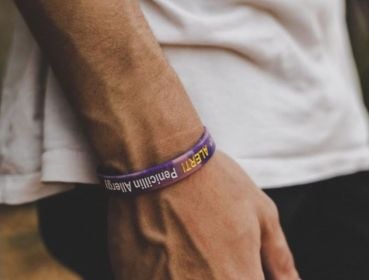
- Always include the child’s allergy alert bracelet — visible to teachers, school nurses, excursion supervisors
- Send EpiPen + ASCIA Action Plan in the school bag
- Talk to teachers at the start of every term about the child’s allergens
What NOT to Pack (School-Banned Items in 2025)
- Anything containing nuts (peanut butter, Nutella, almond butter, mixed nuts, nut bars)
- Sugary drinks (cordial, soft drink, energy drinks)
- Lollies + chocolate bars (most schools ban from lunch box; some allow as treat once weekly)
- Homemade items containing nuts/sesame/etc — some schools restrict
- Anything labelled "may contain traces of nuts" if the school is strict
Conditions That Need Extra Lunch-Box Care
- Diabetes (Type 1): consistent carb counting per meal; insulin dosing matches lunch carbs
- Coeliac disease: dedicated gluten-free items; separate prep area at home
- Severe nut/peanut allergy: EpiPen in bag, allergy bracelet on wrist, label every item
- Fructose malabsorption: low-fructose fruits (banana, berries), avoid apple/pear
- Eosinophilic oesophagitis: specialist dietitian plan, eliminate trigger foods
Common Lunch Box Mistakes
- Packing too much — kids eat 30% of what’s in front of them; overpacking is waste
- Trying new foods on Day 1 — test at home first, not at school
- Forgetting the water bottle
- Skipping the allergy alert bracelet on volunteer / canteen-helping days
- Not labelling the lunch box — schools collect 100+ unlabelled boxes per term
The Mediband Promise
For Australian families managing food allergies, diabetes, coeliac disease or any chronic condition at school, Mediband provides allergy alert + medical ID bracelets trusted by over 100,000 Aussie families. Soft silicone, waterproof, available in kid-friendly designs from age 3 up. NDIS-registered.
References & Further Reading
- Cancer Council Australia (2024). School Lunch Box Audit + Healthy Schools Recommendations.
- NHMRC Australia — Eat For Health Dietary Guidelines for Children + Adolescents.
- NSW Health — Crunch and Sip Program Implementation Guide.
- ASCIA — School Anaphylaxis Action Plan + Resources.
- Healthy Kids Association — Australian School Canteen Guidelines.
Frequently Asked Questions
Quick answers from the Mediband team
What should be in an Australian school lunch box?
Five components: a main (protein + carb like a wrap or sandwich), fresh fruit, vegetable sticks, dairy (cheese/yogurt), and a water bottle. Optional sixth: a small treat. This template fits every Australian primary school's nutrition guidelines.
How do I make school lunches when both parents work full-time?
Sunday batch-prep. In 30 minutes: boil 5 eggs, cook 1kg chicken, wash and chop a week's worth of veg, portion cheese and crackers. Monday-Friday morning becomes a 3-minute assembly job. Insulated compartmentalised lunch boxes (Yumbox, Bento, PackIt) make this fast and waste-free.
What should I pack if my child has a peanut allergy?
Avoid all nut spreads and any product marked 'may contain traces of nuts'. Use SunButter (sunflower seed butter), tahini, cream cheese, or Vegemite as protein-rich alternatives. Always send an EpiPen, ASCIA Action Plan, and ensure your child wears a visible allergy alert bracelet to school.
Are sandwiches still healthy?
Yes — when built on wholegrain bread with a real protein filling (chicken, cheese, egg, tuna) and at least one salad item. Skip the white-bread + processed meat combo. Australian dietitians still recommend sandwiches as a daily lunch option for school-age kids.
How much water should a primary-age child drink during the school day?
2-3 cups of water during school hours (Heart Foundation Australia guideline). More on sport days or in summer. Insulated water bottles keep water cold — and cold water is much more likely to be drunk than warm. Frozen mini water bottles double as ice packs + drinks.
What lunch box do you recommend?
Insulated, leak-proof, compartmentalised. Top Australian parent picks: Yumbox, Bento, PackIt Freezable (built-in cooler), Sistema KLIP IT. Compartments help separate allergy-safe food from any potential cross-contamination at home.
Should kids with diabetes pack different lunches?
Yes — consistent carbs per meal. Pack lunches with predictable carb amounts so insulin dosing matches. Avoid surprise high-sugar items. Pair every Type 1 child's lunch with a visible diabetes medical alert bracelet so school nurses know what to do if a hypo happens during class.

Written by
Founder, Mediband
Founder of Mediband; over 20 years providing medical IDs worldwide.
← Previous
6 Ways to Get Kids to Wear a Medical ID Bracelet (2026 Guide)
Next →
Keeping Asthma-Affected Children Safe — 2025 AU Parent Guide
Comment(s)