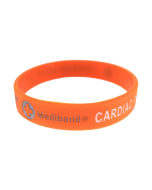
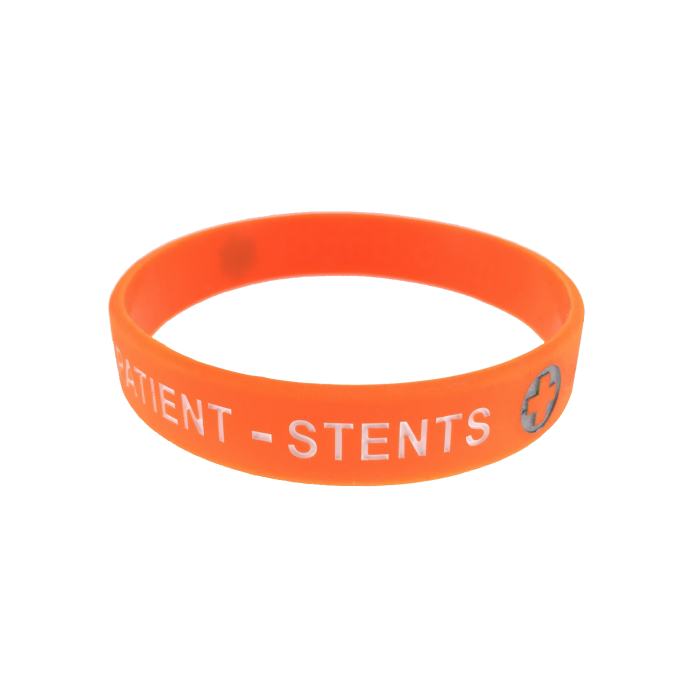
Cardiac Patient - Stents Alert Medical Bracelet
US$ 5.66
SKU
B1672


Enjoy life more knowing that you - or your loved one - can get immediate and appropriate treatment should something happen.
| SKU | B1672 |
|---|---|
| Manufacturer | Mediband |
Cardiac Patient Stent Alert Medical Bracelet
The Cardiac Stent Alert Medical ID Bracelet is essential safety wear for anyone living with a coronary stent — whether bare-metal, drug-eluting (DES), or bioresorbable. In a cardiac emergency, ED clinicians urgently need to know you have a stent in place, because it changes:
- The choice and dose of antiplatelet therapy (aspirin + clopidogrel/ticagrelor/prasugrel)
- The interpretation of any new chest-pain presentation
- The decision to take you straight to the cath lab vs medical management
- The risk-benefit of thrombolysis
Over 35,000 Australians have a coronary stent placed each year. For every one of them, a visible medical ID bracelet is the difference between fast, correct emergency care and dangerous delay.
Why a Visible Stent Bracelet Matters
If you collapse, develop chest pain or have a car accident, ED staff need stent information immediately. Without it:
- Antiplatelet medication may be stopped or under-dosed, risking acute in-stent thrombosis
- Thrombolysis decisions are made without full risk picture
- Cath lab activation may be delayed waiting for old records
- Stent thrombosis (rare but catastrophic) is missed
The bracelet bridges those critical first 15 minutes between ambulance arrival and full clinical handover.
What to Engrave on a Stent Bracelet
- "Cardiac Stent" or "Coronary Stent — DES" (drug-eluting)
- Year inserted — e.g. "Stent 2024"
- Current antiplatelet meds — e.g. "Aspirin + Clopidogrel"
- Your name + emergency contact mobile
- (Optional) cardiologist phone number
Who Should Wear One
- Post-PCI (percutaneous coronary intervention) patients with one or more stents
- Patients on dual antiplatelet therapy (DAPT) following stenting
- Anyone with bare-metal, drug-eluting, or bioresorbable scaffolds
- Patients with multiple stents from staged procedures
- Heart transplant + cardiac bypass patients with stented grafts
How Paramedics + ED Read the Bracelet
The bright orange band + Star of Life symbol triggers an immediate cardiac workup priority. Paramedics will run 12-lead ECG en route. ED will pre-alert the cath lab. Antiplatelet medication will be continued correctly. Most importantly: any vomiting episode (which can cause patients to skip antiplatelet doses) will be flagged as a stent-thrombosis risk.
Stent Types and Why They Matter
Different stent types have different antiplatelet requirements:
- Bare-metal stents (BMS) — typically 1 month DAPT, then aspirin alone
- Drug-eluting stents (DES) — 6-12 months DAPT minimum, sometimes longer
- Bioresorbable — protocol varies by manufacturer and patient
Engraving the stent year and current medication tells ED whether you're in the high-risk early window or post-DAPT.
Care & Sizing
Bright orange silicone for maximum visibility, waterproof, 4-5 year lifespan. Available S/M/L/XL. Comfortable enough for 24/7 wear including exercise and sleep.
Related Mediband Medical Alert Bracelets
Frequently Asked Questions
Quick answers from the Mediband team
What is a cardiac stent bracelet?
A medical alert bracelet engraved with 'Cardiac Stent' that tells paramedics and ED clinicians the wearer has a coronary stent in place. It guides emergency decisions about antiplatelet medication, cath lab activation, and risk of stent thrombosis.
Why do stent patients specifically need a medical ID?
Stopping or under-dosing antiplatelet therapy after a stent is one of the highest risks for acute in-stent thrombosis — a catastrophic event. The bracelet keeps ED clinicians informed instantly, especially after trauma, vomiting illness or unconsciousness.
What should I engrave on a stent bracelet?
Engrave 'Cardiac Stent' plus the year (e.g. 'Stent 2024'), current antiplatelet meds (e.g. 'Aspirin + Clopidogrel'), your name and one emergency contact. Optional: cardiologist's phone number.
When should I get a new bracelet after my procedure?
Ideally before discharge from hospital. At minimum, before you start travelling, exercising or returning to work. The first 6-12 months on dual antiplatelet therapy are the highest-risk period.
Do I still need it after my year of DAPT is over?
Yes — even after dual antiplatelet therapy ends, the stent itself is permanent. Anyone responding to an emergency benefits from knowing it's there. Update the engraving to reflect your current medication.
Related Products
Anaphylaxis Alert Medical Bracelet
US$ 5.66

Fibromyalgia Alert Medical Bracelet
US$ 5.67