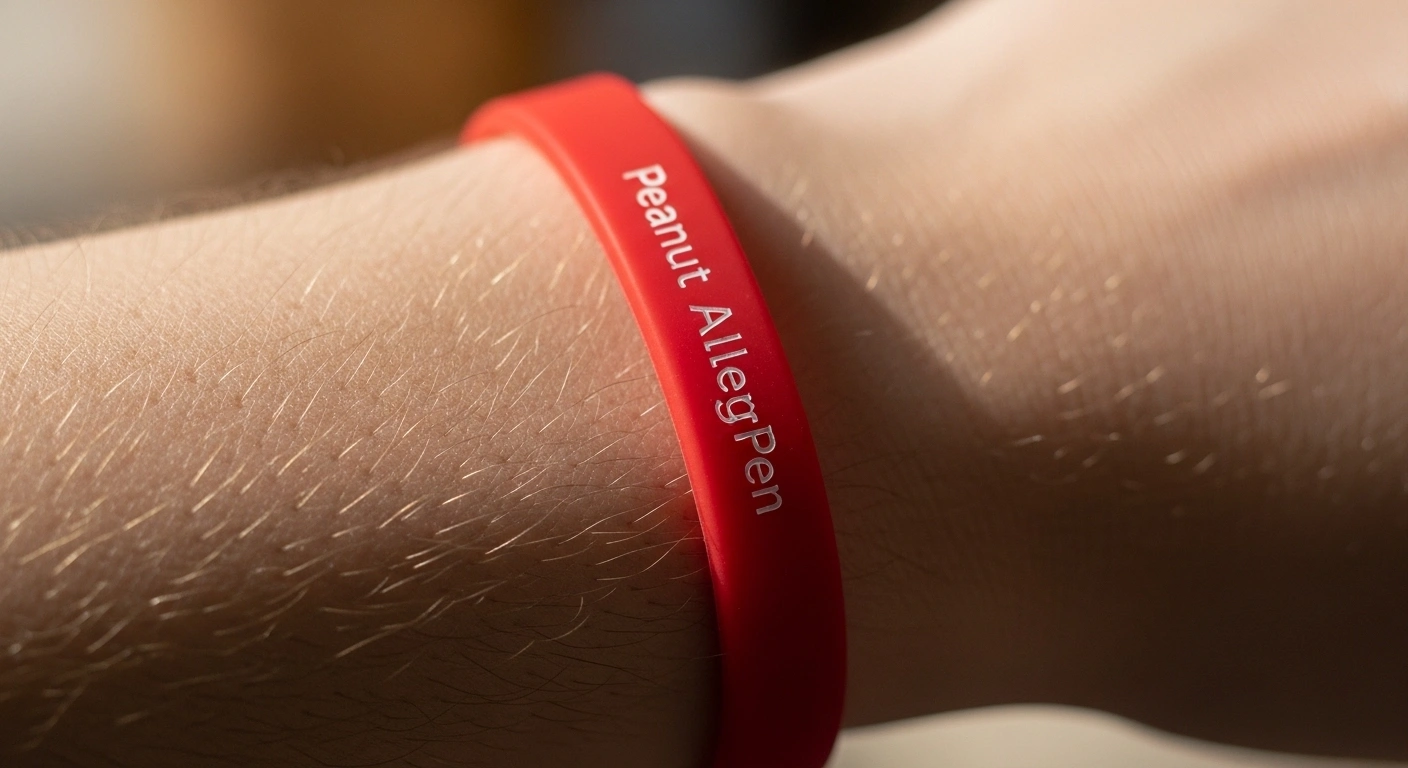
The Australian summer holidays are the riskiest weeks of the calendar for medical emergencies. Emergency-department presentations in the December–January window rise sharply against the rest of the year — up almost 12 % across NSW Health hospitals in 2023, with food allergies, dehydration, surf injuries, snake bites and chronic-disease flares the main drivers. When you are travelling, hosting, swimming, drinking and eating outside your routine, the conditions that hum in the background the rest of the year suddenly bite. A silicone medical ID bracelet on the wrist of every family member with a chronic condition costs less than a Christmas-Eve dinner and gives a paramedic the 15 seconds of context they need if something goes wrong.
This 2026 update of our original “Season’s Greetings” safety reminder is the longer, evidence-based guide we wish we’d written in 2012. It covers the 12 most common Australian holiday medical risks, what to do, who to call, and how to set your household up for a quieter, safer summer.

Why summer is Australia’s busiest emergency-department season
Three things spike in late December and January:
- Heat — UV index 12+, dehydration, heat exhaustion, heat stroke.
- Disrupted routines — missed medications, irregular sleep, travel, drinking.
- Out-of-area events — bushwalks, beach swims, BBQs with new food cross-contact, fireworks.
For Australians living with type 1 or type 2 diabetes, severe allergies, asthma, epilepsy or heart conditions, the holiday season needs a 10-minute planning session before it starts. We’ll cover that planning below.
1. Anaphylaxis — the #1 holiday-season allergy risk
Christmas lunches and summer BBQs are the most allergen-rich meals of the Australian calendar. Cross-contact with peanuts, tree nuts, shellfish, milk and eggs is the rule, not the exception. ASCIA reports that anaphylaxis presentations to Australian EDs rise sharply over the holiday window.
What to do:
- Keep two EpiPens with you — one at the venue, one in the car.
- Inform the host. Pre-check the menu. Cross-contact-cook your own dish if needed.
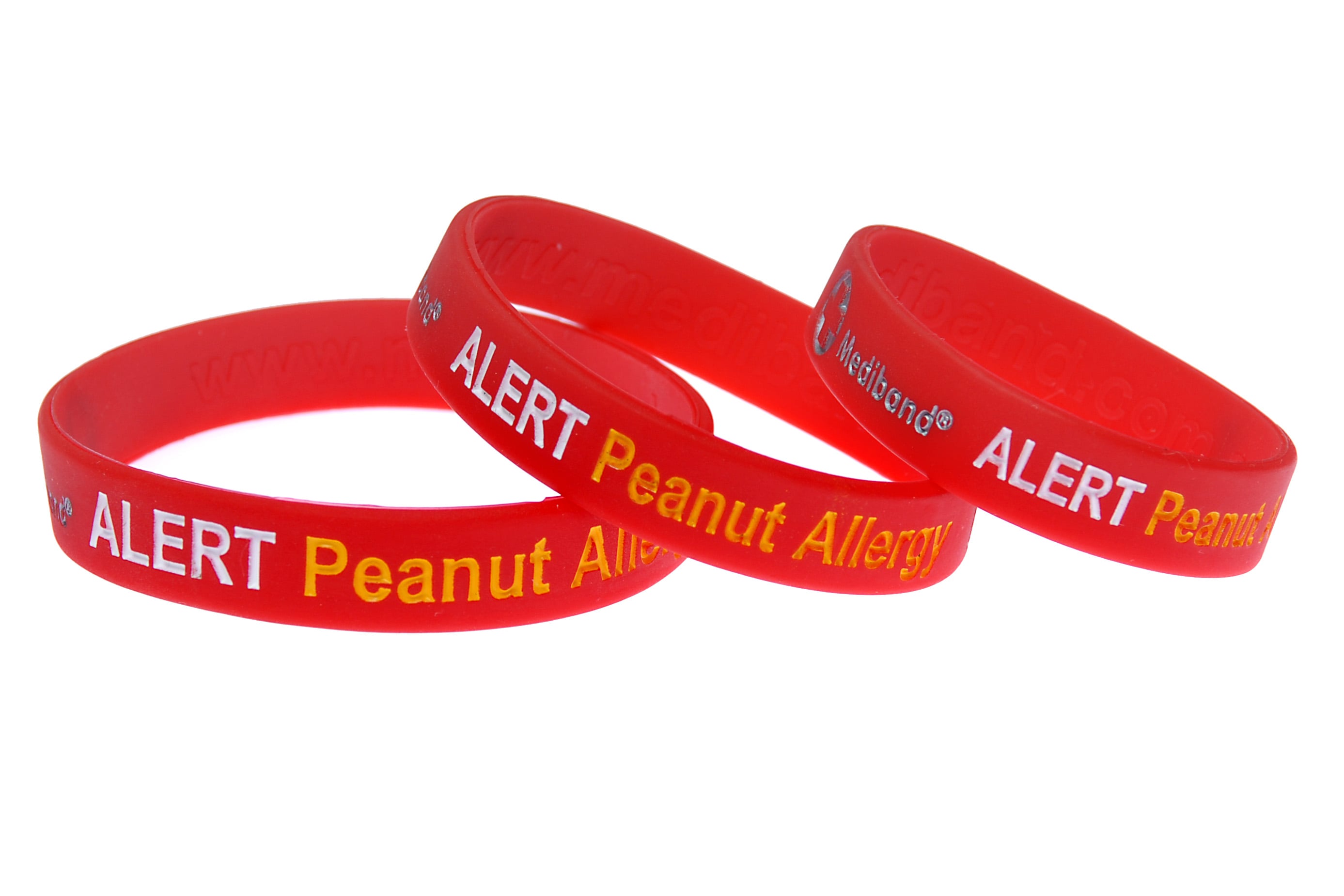
- Wear a medical alert bracelet engraved with the trigger(s), EpiPen dose, and emergency contact.
- If a reaction starts: lie flat, EpiPen in outer thigh, call 000, repeat EpiPen at 5 minutes if no improvement.
2. Heat exhaustion and heat stroke
The 2024 Australian summer broke 18 historical heat records. Healthdirect Australia notes that heat-related illness can develop in under 30 minutes during a heatwave, particularly in the elderly, children under 5, pregnant women and people with chronic conditions.
Early warning signs:
- Heavy sweating, headache, dizziness, nausea, muscle cramps — heat exhaustion.
- Confusion, slurred speech, hot dry skin, body temp 40°C+ — heat stroke. Call 000 immediately.
3. Dehydration
Australians underestimate fluid loss in hot weather. A 70 kg adult on a 38°C day needs around 3 litres of water minimum. Healthdirect recommends 35 ml per kilogram of body weight plus extra for heat, exercise and alcohol.
4. Surf and pool drownings
Surf Life Saving Australia reports an average of 290 drownings per year, with December and January the peak months. Children under 5 and males 25–55 are over-represented. Swim between the flags, never alone, never after drinking, and supervise children at arm’s length around any water.
5. Snake and spider bites
Australia’s long grass + bushland + dry summer = peak season for eastern brown, tiger and red-bellied black snakes. Healthdirect recommends:
- Do not try to identify or catch the snake.
- Keep the bitten person still — lie down.
- Apply pressure bandage from the bite all the way up the limb (pressure-immobilisation technique).
- Call 000.
6. Diabetes — insulin and glucose at parties
For people with type 1 or insulin-dependent type 2 diabetes, the holiday season is a control-killing combination of irregular meals, alcohol, sugar-loaded desserts and lifted activity levels. Diabetes Australia recommends:
- Keep your CGM or glucometer easy to access.
- Carry fast-acting glucose (jelly beans, juice).
- Adjust insulin doses with your endocrinologist before travel.
- Wear a medical ID stating “TYPE 1 DIABETES” + insulin name + emergency contact.
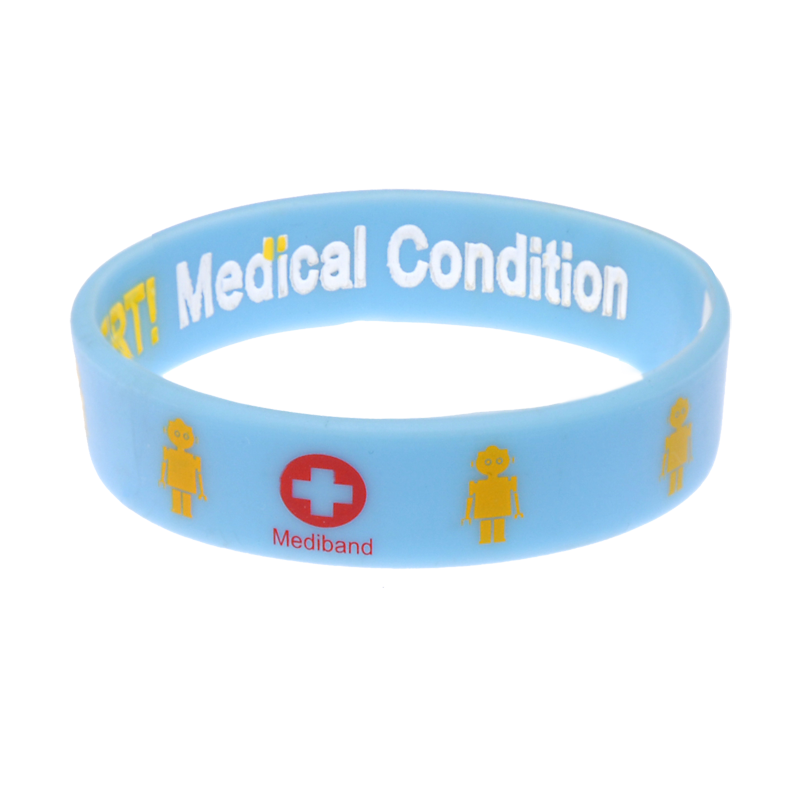
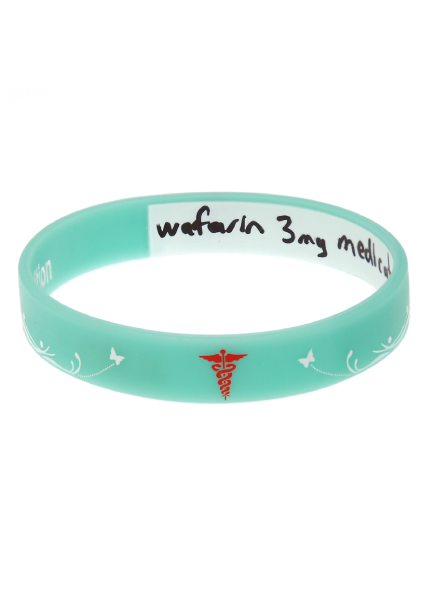
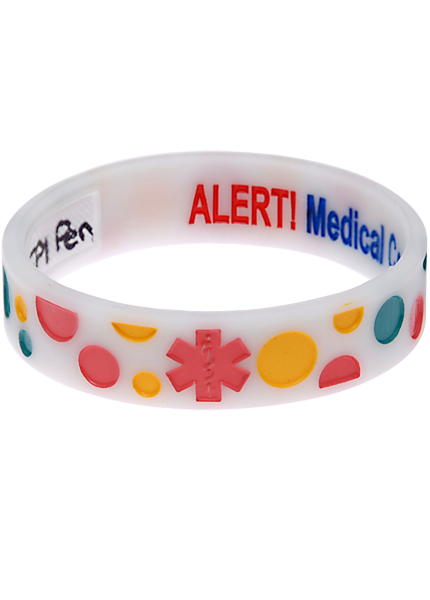
Holiday safety net — Mediband medical ID
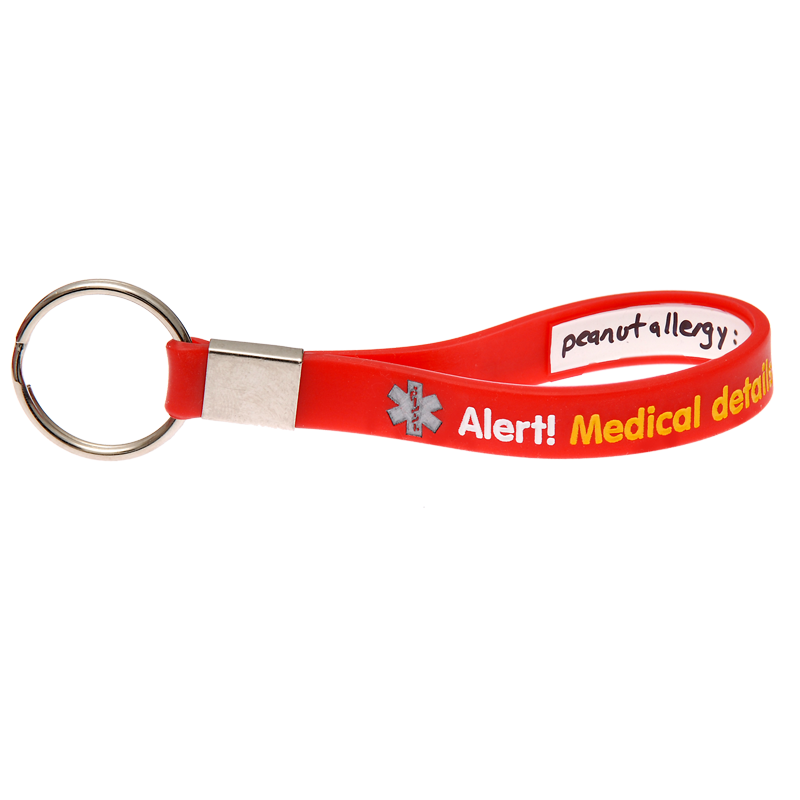
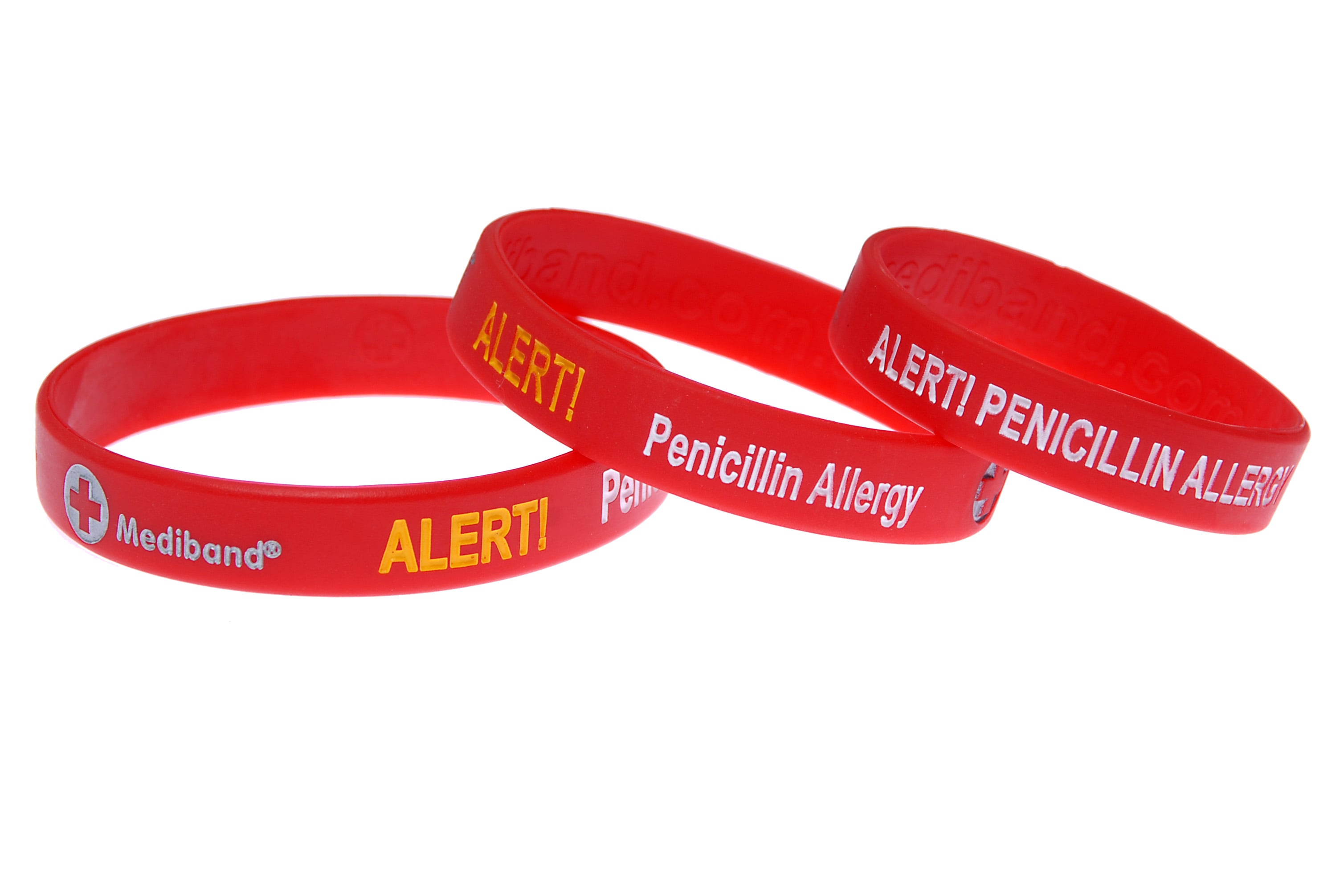
Travelling, hosting or just relaxing this summer? A discreet medical ID gives bystanders, paramedics and ED staff the critical context they need if something goes wrong — for under $10.
7. Asthma flare-ups — bushfire smoke + thunderstorm asthma
Australian summers bring two unique asthma triggers: bushfire smoke and thunderstorm asthma. Asthma Australia recommends:
- Carry reliever (blue puffer) at all times during travel.
- Monitor air-quality apps (AirVisual, EPA Air Watch).
- Have a written asthma action plan in your wallet.
- Wear a medical ID for severe asthma. List the trigger (e.g. “exercise-induced asthma”) and reliever.
8. Epilepsy — sleep deprivation + alcohol triggers
The single most reliable seizure-trigger for Australians with epilepsy over the holidays is sleep deprivation. Late-night Christmas Eve, early-morning kids, multi-day road trips, time-zone shifts — it adds up.
Keep medication times consistent (set phone alarms even on holiday). Pack 2x the medication you think you need. The Epilepsy Foundation recommends a visible medical ID on adults and children with all forms of epilepsy.
9. Cardiac events — the “holiday heart” phenomenon
“Holiday Heart Syndrome” describes atrial fibrillation triggered by binge drinking — common after long lunches and end-of-year parties. The Heart Foundation notes that cardiac events spike 4 % on Christmas Day in Australia. If you have a known arrhythmia, anticoagulant prescription, pacemaker or recent stent, wear a medical ID.
10. Sun damage and skin cancer
Australia has the highest skin cancer rate in the world. Cancer Council Australia’s Slip Slop Slap Seek Slide rules are non-negotiable in summer: SPF 50+, reapplied every 2 hours, hat, sleeved shirt, shade between 11am-3pm, and sunglasses.
11. Travel medications and pre-existing conditions
If you’re flying interstate or overseas:
- Pack all medications in carry-on luggage in original labelled containers.
- Bring a doctor’s letter listing your conditions and medications.
- Note time-zone medication-adjustment plan (especially insulin).
- Identify the local emergency number at your destination.
- Check travel insurance covers your pre-existing condition.
12. Mental health spikes
The holiday season raises call volumes to Lifeline (13 11 14) and Beyond Blue (1300 22 4636) in Australia. Family conflict, grief, loneliness, financial pressure and disrupted routines compound. Check in on family members who live alone, and reach out yourself if the mood drops.
The 10-minute holiday emergency plan
Before the season starts, spend 10 minutes on:
- Medication audit — do you have enough for the next 4 weeks? Renew now.
- Emergency contacts — list them in your phone under “ICE” (In Case of Emergency).
- Medical IDs — order or refresh a Mediband bracelet for every family member with a condition.
- Action plans — ASCIA, asthma, epilepsy, diabetes — print and pack.
- Document copies — insurance card, doctor’s letter, prescriptions — photo + cloud backup.
Kids and the festive season
The combination of new foods, busy adults, swimming pools and unfamiliar settings is statistically the riskiest week of the year for children with chronic conditions. Allergy & Anaphylaxis Australia publishes a free family-holiday safety toolkit each November.
An age-appropriate kids medical ID bracelet in their favourite colour is a discreet way for adults outside your usual circle — relatives, hosts, lifeguards, paramedics — to recognise the condition fast.
The Mediband promise
From the team at Mediband: a happy, safe holiday season to every Australian family. Worry less. Live more.
Frequently asked questions
Why is the Australian summer holiday period so risky for medical emergencies?
Three things spike: heat (UV 12+, dehydration), disrupted routines (missed meds, irregular sleep), and out-of-area events (BBQs, swims, travel, drinking). NSW ED presentations rise 12 % across December and January.
What is the minimum holiday safety prep for a chronic condition?
Refresh meds for 4 weeks, list emergency contacts under ICE in phone, order or refresh medical IDs for everyone with a condition, print action plans (asthma/anaphylaxis/epilepsy/diabetes), photograph + cloud-back-up insurance and prescription docs.
Do my children need medical IDs over the holidays?
If they have severe allergies, type 1 diabetes, epilepsy or asthma — yes. New environments, unfamiliar carers, and busy adults add up to the highest-risk week of the year for kids with chronic conditions.
What should the medical ID engraving say?
Condition (ANAPHYLAXIS / TYPE 1 DIABETES / EPILEPSY), trigger(s) where relevant, key medication (EpiPen / insulin / Keppra), and an emergency-contact phone number. Add comorbidities like asthma or heart conditions.
Is “holiday heart” a real thing?
Yes — Holiday Heart Syndrome describes atrial fibrillation triggered by binge drinking. Cardiac events rise 4 % on Christmas Day in Australia. If you have a known arrhythmia or take anticoagulants, wear a medical ID.
What do I do if someone is bitten by a snake?
Do not catch or identify the snake. Lie the patient still. Apply pressure bandage from the bite all the way up the limb (pressure-immobilisation technique). Mark the bite site. Call 000.
What is the holiday season number for mental health support?
Lifeline 13 11 14 and Beyond Blue 1300 22 4636. Both rise in call volume between mid-December and mid-January. If a family member seems off, ask directly — it does not increase risk and it might save a life.
References
- ASCIA — Anaphylaxis Action Plan allergy.org.au
- Allergy & Anaphylaxis Australia allergyfacts.org.au
- Healthdirect Australia — Heat Stroke healthdirect.gov.au
- Heart Foundation Australia heartfoundation.org.au
- Diabetes Australia diabetesaustralia.com.au
- Asthma Australia asthma.org.au
- Epilepsy Foundation epilepsy.org.au
- Cancer Council Australia cancer.org.au
- Surf Life Saving Australia — Drowning report
- Beyond Blue 1300 22 4636 beyondblue.org.au
- Lifeline 13 11 14 lifeline.org.au

Written by
Founder, Mediband
Founder of Mediband; over 20 years providing medical IDs worldwide.
← Previous
When to Get a DNR Bracelet: Meaning, Benefits and Limits
Next →
The Role of Identification Wristbands in Preventing Medical Errors
Comment(s)