

No one plans for a chronic illness. We plan holidays, mortgages, weekend getaways — not a diagnosis that follows us for life. But around 1 in 2 Australian adults lives with at least one chronic condition, and the numbers climb every year. Chronic illness isn't just an "older person" problem; diabetes, autoimmune disease, anxiety and heart conditions increasingly show up in people in their 20s, 30s and 40s at the peak of health.
When the diagnosis arrives, the most useful question isn't "why me?" — it's "how do I cope well?" This guide pulls together eight practical, evidence-informed tips that real patients and clinicians consistently point to. They won't cure the condition, but they will protect your quality of life — and in many cases, extend it.
1. Talk to Your Family (Early, Not Later)

A chronic condition reshapes daily life — from meal planning to holidays to household budgets. Pretending otherwise exhausts everyone. Sit down with your household (partner, kids, flatmates) early and explain three things: what the condition is, what changes it asks of you, and how they can help. Most families want to support you but don't know how until they're told.
Healthy lifestyle changes like quitting smoking, cutting alcohol or overhauling meals are far easier when the house is on board — and your loved ones benefit from the same habits.
2. Invest in Yourself
The word "routine" gets a bad rap, but chronic illness is where routine pays off. Predictable sleep, regular movement, consistent mealtimes and scheduled rest reduce flare-ups and protect your energy. The Mayo Clinic and the Australian Department of Health both point to the same finding: small, daily consistency outperforms occasional heroic effort.
Start with one thing — walk 15 minutes after dinner, swap one soft drink for water, set a 10pm phone-off alarm. Stack new habits slowly. A year from now you'll be glad you started.
Recommended for you
Products related to this article
Hand-picked to go with what you just read.


3. Reach Out to Others Who Get It

Family love is priceless, but it's not the same as sitting in a room with ten people who know exactly what a 3am blood sugar crash feels like. Online and in-person support groups aren't just emotional crutches — they're information lifelines. Members often know which specialists are good, which medications work, and which community programs fund support.
Try Diabetes Australia, Epilepsy Action Australia, the Heart Foundation, or condition-specific Facebook groups. Reddit communities (e.g. r/ChronicIllness) are surprisingly moderated and warm. Don't underestimate how much isolation amplifies symptoms — peer connection measurably reduces it.
4. Educate Yourself From Credible Sources
The patients who do best are the patients who understand their condition. Make it your mission to learn — not from random TikToks, but from your healthcare team, the HealthDirect database, Mayo Clinic and Cochrane Reviews. Read the leaflet on every medication. Ask your specialist what questions you should be asking.
A Mediband medical ID bracelet is part of this education-and-preparation loop. It's not optional jewellery — it's the signal to paramedics that translates your condition into instant action. Mediband carries silicone write-on bands, stainless steel engraved bracelets, dog tags, wallet cards and emergency ID options for every chronic condition.
5. Take Responsibility for Your Own Care
Your GP and specialists are partners, not saviours. Nobody knows your body like you do, and nobody will pay more attention to your day-to-day numbers than you will. Track what matters — blood pressure, blood sugar, peak flow, mood, sleep — in a notebook or an app. Bring the data to appointments. It transforms conversations from guesswork to problem-solving.
Taking responsibility also means booking your own appointments, chasing your own test results, and saying "no" to treatments that don't fit your goals. Good clinicians welcome engaged patients.
6. Manage Stress Deliberately

Chronic stress isn't just uncomfortable — it makes almost every chronic condition worse. Cortisol raises blood sugar, suppresses immunity, amplifies pain and sabotages sleep. The good news: even modest stress-reduction habits produce measurable improvements.
What works, backed by research:
- 10 minutes of daily breathing or meditation (Smiling Mind, Calm, Headspace are all free-to-start).
- A daily 20-minute walk outdoors — sunlight regulates mood and sleep at once.
- Strict screen curfew 60 minutes before bed.
- A therapist. Your GP can refer you under a Mental Health Care Plan for up to 10 subsidised sessions.
7. Get to Know Your Medications
If you've recently been prescribed more than two medications, you're already at higher risk of interactions, missed doses and side-effect confusion. Learn each medication's name, dose, purpose and common side effects. Ask your pharmacist for a free Home Medicines Review — they come to your house, check the cabinet, and flag anything dangerous.
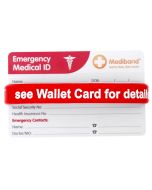
Use a weekly pill organiser. Set phone alarms tied to meals. Keep an updated list on your phone's lock screen and in your wallet — because in an emergency, a paramedic needs to see that list before giving you a shot of anything. A Mediband bracelet + wallet card combo is designed for exactly this.
8. Involve a Primary Care Doctor Who Coordinates Everyone

When you have multiple conditions, you often have multiple specialists — a cardiologist, an endocrinologist, a rheumatologist, a pain specialist. Without a GP in the middle, their advice can clash, medications duplicate, and the whole-person view gets lost.
Your primary care doctor is the quarterback. They coordinate, check for drug interactions, advocate for you with the system, and watch for the mental-health tail of physical illness (which often shows up 6–18 months after diagnosis).
Complement your GP with a centralised medical record — either through MyHealthRecord (Australia's public system) or a private option. A Mediband ID bracelet gives emergency responders instant access to the key subset: condition, allergies, emergency contact.
Live a Full Life — Chronic Doesn't Mean Small
A chronic diagnosis narrows some things — but it widens others. Patients consistently report deeper gratitude, stronger relationships, clearer priorities, and a sharper sense of what matters after they've learned to live with long-term illness. The tips above aren't about fighting your condition; they're about building the scaffolding that lets you live around it.
Wear a Mediband medical alert bracelet so your condition never becomes a dangerous surprise to the people helping you. Educate yourself. Lean on your family and community. And give yourself the same grace you'd give a friend.
Worry less. Live more.
Frequently Asked Questions
What counts as a chronic health condition?
A chronic condition is generally defined as any illness that lasts 12 months or more and requires ongoing medical attention — common examples include diabetes, heart disease, asthma, epilepsy, arthritis, autoimmune disorders, chronic kidney disease and long-term mental health conditions. Around 1 in 2 Australian adults lives with at least one chronic condition.
How do I emotionally cope with a new chronic diagnosis?
Give yourself permission to grieve the version of your health you used to have — it's a normal response, not weakness. Then build a support network: GP, specialist, one trusted friend, and a peer support group. Speak to a psychologist early rather than late. Small, consistent actions beat heroic bursts.
Do I need a medical ID bracelet for a chronic condition?
If your condition or medications could affect emergency treatment — yes. Paramedics are trained to check wrists, neck and wallets within the first minute. A Mediband instantly communicates key facts (condition, allergies, medications, emergency contact) when you can't speak for yourself.
How do I keep track of multiple medications?
Use a pill organiser for the week, set phone alarms tied to meal times, and keep an up-to-date list on your phone's lock screen or in your wallet. Ask your pharmacist for a Home Medicines Review if you're on five or more medicines — it's free and can catch dangerous interactions.
When should I bring in a primary care doctor to coordinate specialists?
As soon as you see more than one specialist. Your GP becomes the "quarterback" — making sure treatments don't clash, referrals are logged, and your whole-person health (mental, physical, social) gets attention no single specialist can give.

Written by
Founder, Mediband
Founder of Mediband; over 20 years providing medical IDs worldwide.
← Previous
How to Use Your Asthma Inhaler Correctly: A Step-by-Step Guide
Next →
Chronic Health Conditions: How to Be Safe in an Emergency (2026 Guide)
Comment(s)