Medical Alert Bracelets: The Complete Australian Guide (2026)
Medical Alert Bracelets: Everything You Need to Know (2026 Australian Guide)
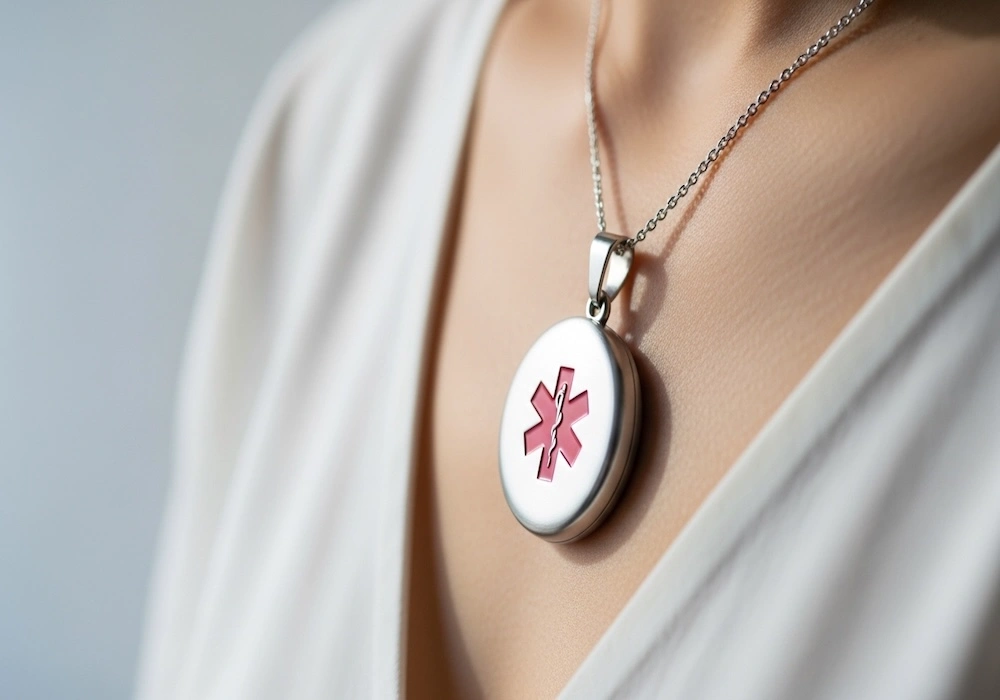
A medical alert bracelet is a small, wearable piece of jewellery — typically silicone, stainless steel, sterling silver, or rose gold — engraved or written with the wearer's most important medical information. In an emergency, paramedics check the wrist (and neck) within the first 30 seconds of assessment. The bracelet tells them what condition the wearer has, what medication they're on, what allergies must be avoided, and how to reach a family member. That 30-second window often decides the outcome of the emergency.
According to HealthDirect Australia, around 11 million Australians live with at least one chronic health condition. The Australian Bureau of Statistics estimates that severe allergies affect 5 in 100 Australian adults and 1 in 10 children. Yet only a small fraction wear visible medical identification. This guide closes that gap — explaining who needs a medical alert bracelet, which type to choose, what to engrave, and how it works in real emergencies.
Who Needs a Medical Alert Bracelet?
Adults with Chronic Conditions
Diabetes, epilepsy, asthma, heart disease, autoimmune disorders, kidney disease, thyroid disease — anyone whose emergency treatment depends on responders knowing the underlying condition.
People on Critical Medications
Anticoagulants (Warfarin, Apixaban, Eliquis), immunosuppressants, beta-blockers, insulin, biologics, antipsychotics — all interact dangerously with common emergency medications.
Severe Allergy Sufferers
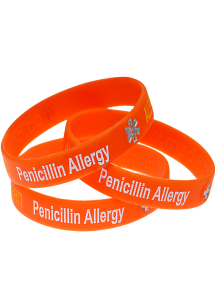
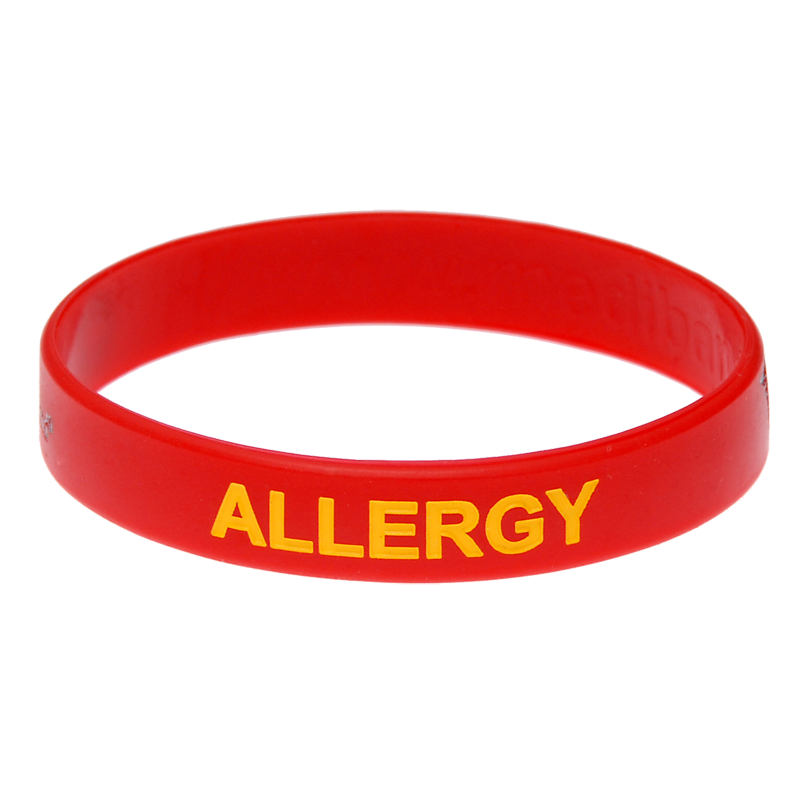
Anaphylaxis-risk patients with peanut, shellfish, latex, contrast dye, penicillin, bee sting, or other severe allergies. Red alert bracelets are recognised internationally.
Older Adults
Falls risk, dementia, recent surgery, complex medication routines — all benefit from a clear daily-wear identifier.
Children
Kids with allergies, asthma, epilepsy, diabetes, autism, or rare conditions. Soft silicone bands work for ages 3+.
Athletes and Travellers
Marathon runners, hikers, cyclists, divers, international travellers — anyone far from family or home medical records.
Implant Recipients
Pacemakers, stents, ports, insulin pumps — emergency treatments differ based on implants, and the bracelet flags it instantly.
Anyone with Advance Care Directives
People with DNR orders or specific care wishes documented benefit from a bracelet flagging the documentation.
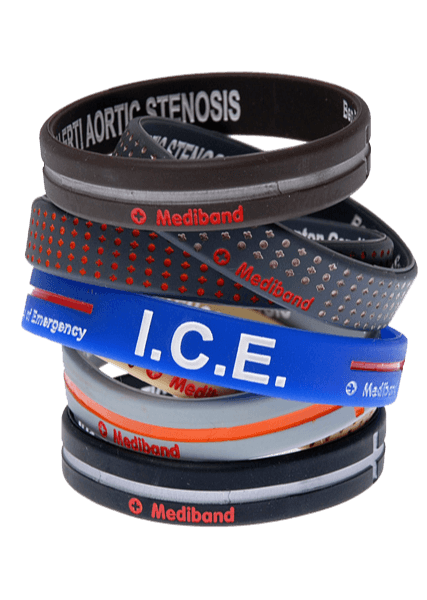
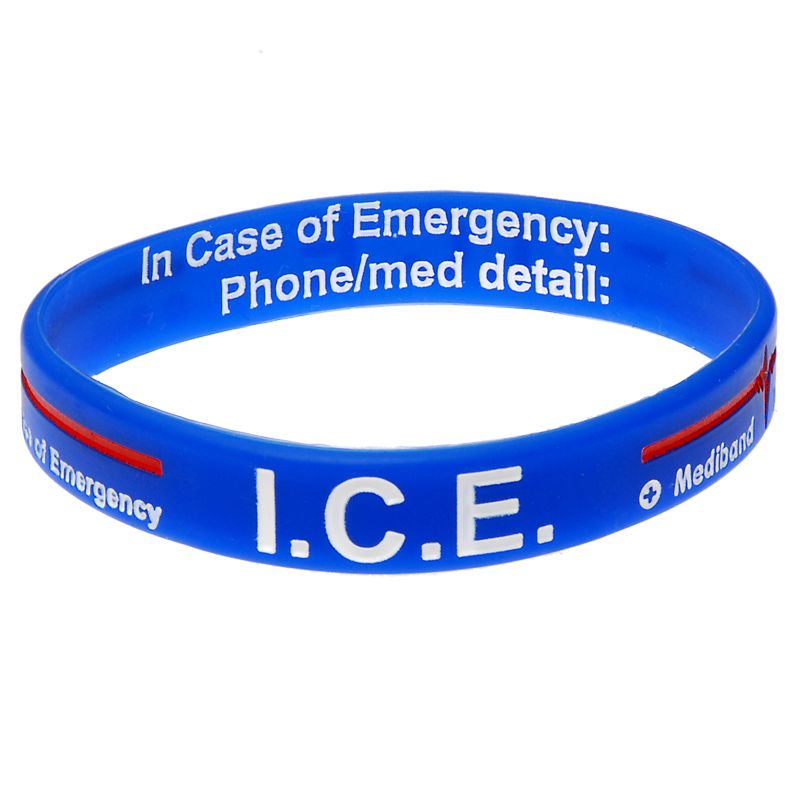
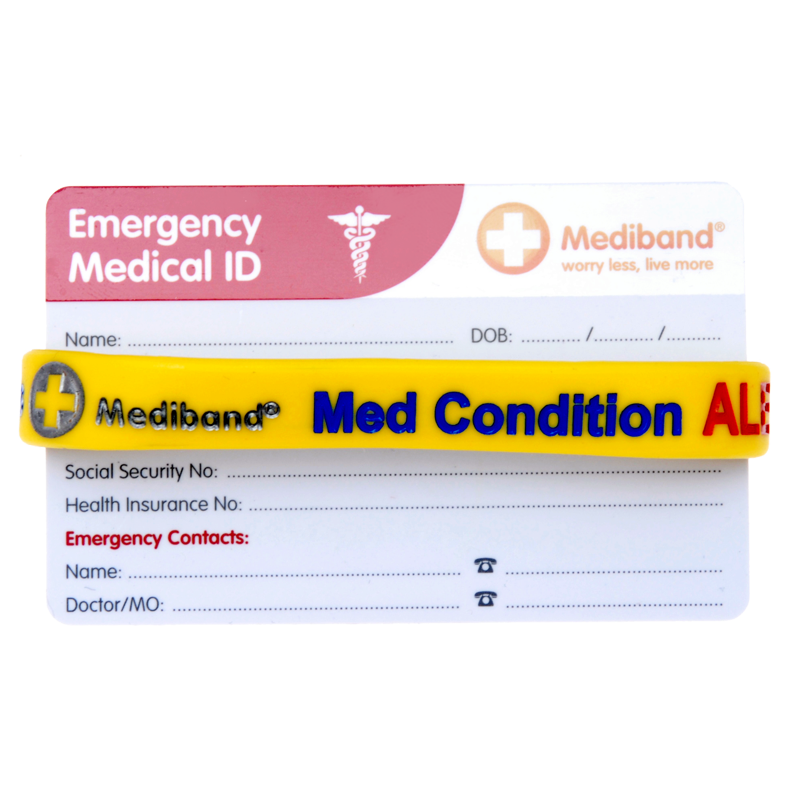
Choose Your Mediband — Every Style for Every Wearer
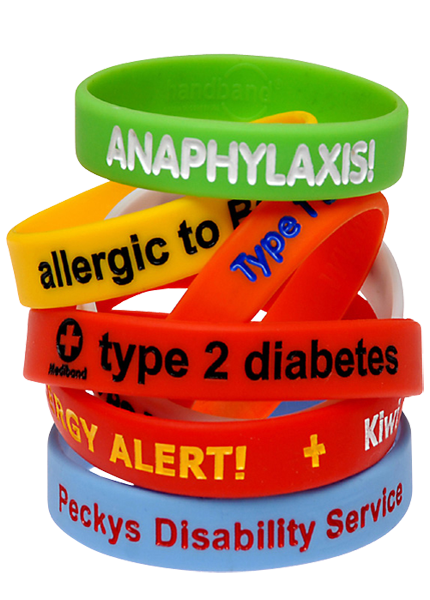
From premium stainless steel to silicone bands for kids — find the right Mediband for your daily life.

How a Medical Alert Bracelet Actually Works
The mechanism is straightforward but powerful:
- The bracelet is always visible — paramedics worldwide are trained to check both wrists and the neck for medical IDs within the first 30 seconds.
- The information is immediate — engraved or written details are read in under five seconds. No phone unlock, no app login, no waiting.
- The wearer doesn't need to be conscious — the bracelet speaks even when the person can't.
- Wrong treatments are avoided — the most common life-threatening errors in emergency care are wrong-medication or wrong-treatment due to unknown patient history.
- Right contacts get called fast — the phone number on the wrist gets dialled before paramedics reach the hospital.
The Star of Life and snake-and-staff symbols on the bracelet flag it as medical alert to anyone trained in international emergency response.
The 5 Types of Medical Alert Bracelets
1. Engraved Stainless Steel
Polished, durable, dressy. Engraving stays sharp for years. Lifespan 10+ years. Ideal for daily wear, office, sport, formal occasions.
2. Silicone Write-On
Soft, waterproof, easy to update. Best for kids, athletes, people whose info changes often. Lifespan 12-24 months per band.
3. Designer Reversible
Stylish on one side, alert on the other. Popular with teens, working professionals, and self-conscious wearers.
4. Premium Materials (Rose Gold, Sterling Silver, Leather)
Jewellery-grade aesthetics for formal occasions or as a high-value gift.
5. QR-Coded and NFC Bands
Carry far more information via scannable code — full medical history, current meds, scanned documents. Useful for international travel and complex conditions.
What to Engrave on Your Medical Alert Bracelet
Less is more. Five priority fields:
- Wearer's name — first and last.
- Primary medical condition — "Type 1 Diabetic", "Anaphylaxis – Peanut", "Epilepsy", "Heart Disease".
- Critical medication or allergy — what NOT to give, or what's life-saving ("EpiPen", "No Aspirin", "Warfarin").
- Emergency contact phone — answered 24/7.
- "See wallet card" — points to deeper info if you carry it.
Skip information that doesn't help in emergencies: home address, full date of birth, sensitive history. Less crowding means faster reading.
Why Bracelets Beat Phones, Cards, and Tattoos
- Phones: locked, dead battery, in another room, smashed in the impact. Even unlocked phones don't reliably show medical info.
- ID cards: in a wallet that's in a bag that's in the car. Not on the body away from belongings.
- Medical tattoos: only visible if exposed; cannot be updated when meds change.
- Verbal info: requires consciousness — exactly the situation a bracelet is designed for.
How to Choose the Right Mediband for You
- Daily office wear → stainless steel or rose gold (dressy, lasts 10+ years)
- Active life → silicone (sport-safe, waterproof)
- Self-conscious → designer reversible (fashion side daily, alert side when needed)
- Premium occasions → sterling silver or rose gold (jewellery-grade)
- Complex profile → QR-coded (links to full digital profile)
- Multiple conditions → bracelet + wallet card combo
How Much Does a Medical Alert Bracelet Cost?
Prices vary widely by material:
- Silicone write-on: most affordable — entry-level family pricing
- Engraved stainless steel: mid-range — durable, lasts a decade
- Designer reversible: mid-to-upper range
- Rose gold, sterling silver, leather: premium pricing
- QR-coded with subscription: bracelet plus annual fee
Compared to even one avoided emergency mistake, the bracelet pays for itself many times over.
Browse the full Mediband collection by material, style, and condition. For more on how the bracelet helps in real emergencies, see our first responder guide and FAQ guide.
Frequently Asked Questions
Do I really need a medical alert bracelet?
If you have a chronic condition, severe allergy, or critical medication — yes. Paramedics worldwide check for medical IDs in the first 30 seconds of any emergency. The bracelet tells them what NOT to do (wrong medications, wrong treatments) and what to do faster. For diabetes, anaphylaxis, epilepsy, anticoagulant therapy, and many other conditions, it's one of the highest-impact safety tools available.
Will paramedics actually look at my bracelet?
Yes. Checking for medical IDs is part of standard paramedic training and protocols globally. The Star of Life and snake-and-staff symbols are recognised in every country with formal emergency medical training. Most paramedics check within the first 30 seconds.
How long does a medical alert bracelet last?
Stainless steel: 10+ years. Sterling silver: 10+ years with care. Rose gold (plated): 3-5 years before plating wears. Silicone: 12-24 months as engraving fades. Leather: 2-3 years. Replacement cost is low for silicone; metal bands rarely need replacement.
Can I shower, swim, and exercise with a medical alert bracelet?
Yes — choose the right material. Silicone and stainless steel are both fully waterproof, sweat-proof, and pool-safe. Avoid leather or fabric for water-heavy activities. Always rinse with fresh water after sea swimming. Quality bracelets are designed for 24/7 wear.
How often should I update my medical alert bracelet?
Review every six months at GP visits and after any major change in medication, condition, or emergency contact. Write-on silicone is easiest to update; engraved bands can be re-engraved or replaced inexpensively. QR-linked versions update instantly. Out-of-date info is more dangerous than no bracelet.
2 Dec 2013

Written by
Founder, Mediband
Michael founded Mediband in 2004 and has led the company for over two decades, providing medical IDs to people worldwide living with chronic conditions, allergies, and disabilities. Mediband is NDIS-registered, designed in Australia, and supplies hospitals including Boston Children's, LA County, and the St Vincent's Hospital allergy clinic. Michael works directly with peak bodies, NDIS support coordinators, and pharmaceutical clinical trials.

Share on Facebook

Share on X

Share on Pinterest
Comment(s)
Related posts