5 Healthy Daily Routines for Better Health (Australian Guide)

By Michael Randall · Founder, Mediband
Medically reviewed · Updated May 2026 · 8 min read
Medically reviewed · Updated May 2026 · 8 min read
Why Healthy Routines Matter More Than Motivation
Updated May 2026. Motivation gets you started; routines keep you going. A clear daily routine is the single biggest predictor of long-term health outcomes — bigger than gym memberships, bigger than diet plans, bigger than willpower. The best wellness research of the last decade keeps landing on the same conclusion: build the right habits, and your future health takes care of itself.
This guide is a practical, evidence-based blueprint for the five healthy daily routines that deliver the highest return on the least effort — sleep, hydration, movement, sunlight, and a small but life-saving habit most people miss: wearing a medical alert bracelet every day. It’s written for Australians of every age and life stage, including anyone managing a chronic condition such as diabetes, epilepsy, heart disease, dementia or food allergies.
The Science: Why Habits Beat Willpower
A landmark 2009 study from University College London tracked 96 people building a new daily habit. The median time to automaticity was 66 days, with a range of 18 to 254 days depending on habit complexity. The takeaway: there’s no magical 21-day rule. There’s only consistency.
Habits work because they offload decision-making to your subconscious. Once a behaviour is automatic, willpower is no longer required — freeing your mental energy for the things that actually need it. That’s the entire foundation of modern behaviour-change science.
1. Sleep on a Consistent Schedule
The single most underrated daily wellness habit. Going to bed and waking at the same time — even on weekends — resets your circadian rhythm within two weeks. Aim for 7–9 hours, with the most restorative sleep happening between 10 pm and 2 am.
Two non-negotiables: no caffeine after 2 pm (caffeine has a 6-hour half-life), and no screens for 60 minutes before bed (blue light suppresses melatonin by 23% on average). Your sleep tracker will show the proof inside one week.
If you live with a chronic condition like sleep apnoea, epilepsy or chronic pain, sleep schedule matters even more — many medications work best when taken at consistent times.
2. Hydrate Before You Caffeinate
You wake up 2% dehydrated after 7–8 hours of sleep. Most people then double the dehydration with coffee. Flip the order: 500 mL of water first, coffee second. Your energy curve will be steadier and your morning headaches will vanish.
Carry a refillable 1 L bottle. Target 2.5–3 L by 6 pm. Anyone managing kidney conditions, gout, or living in a hot climate may need more; check with your GP.
3. Move Every 30 Minutes (Not Just 30 Minutes a Day)
This is the rule the fitness industry didn’t want you to learn. Long sedentary blocks raise insulin resistance and inflammation markers even if you exercise hard once a day. Set a 30-minute movement reminder on your phone — stand up, stretch, walk to the kitchen, get back to work.
Then layer on intentional cardio: 150 minutes a week of brisk walking, or 75 minutes of running, or any blend that adds up. The Australian Department of Health Physical Activity Guidelines recommend exactly this. Heart health responds to consistency, not intensity.
For people living with diabetes, regular movement also stabilises blood glucose and reduces insulin needs over time.
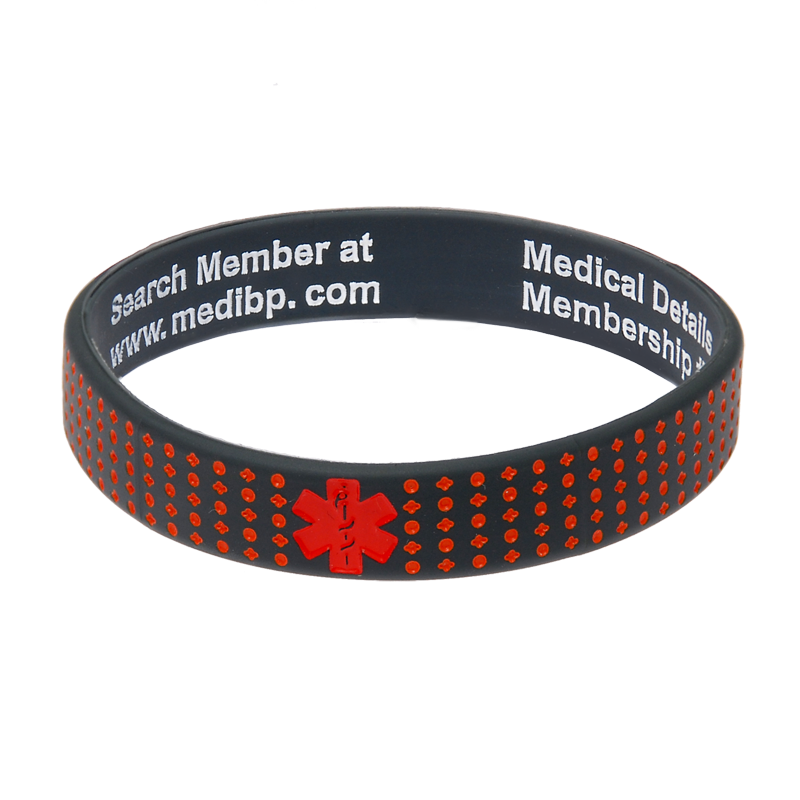
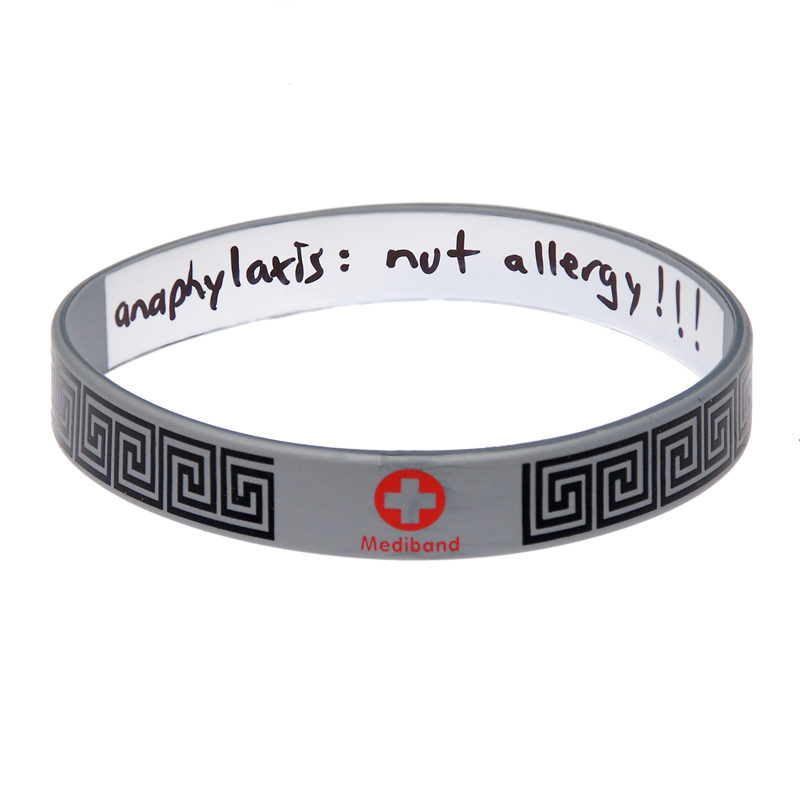
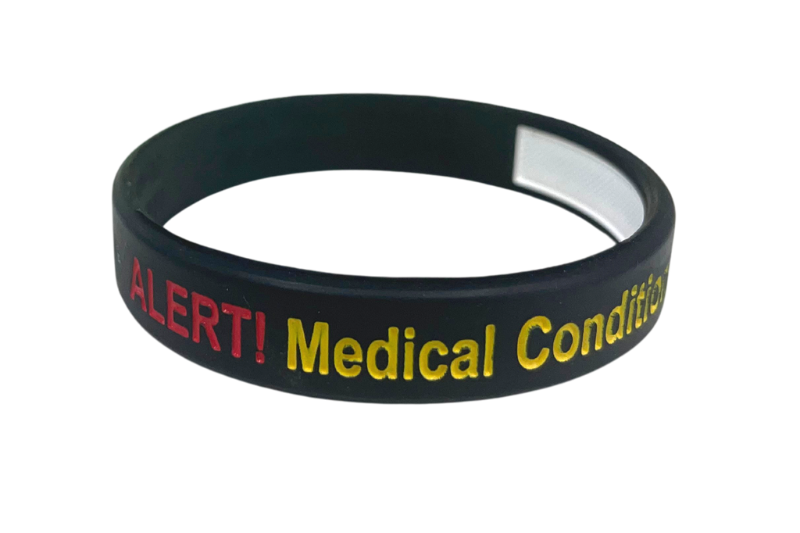
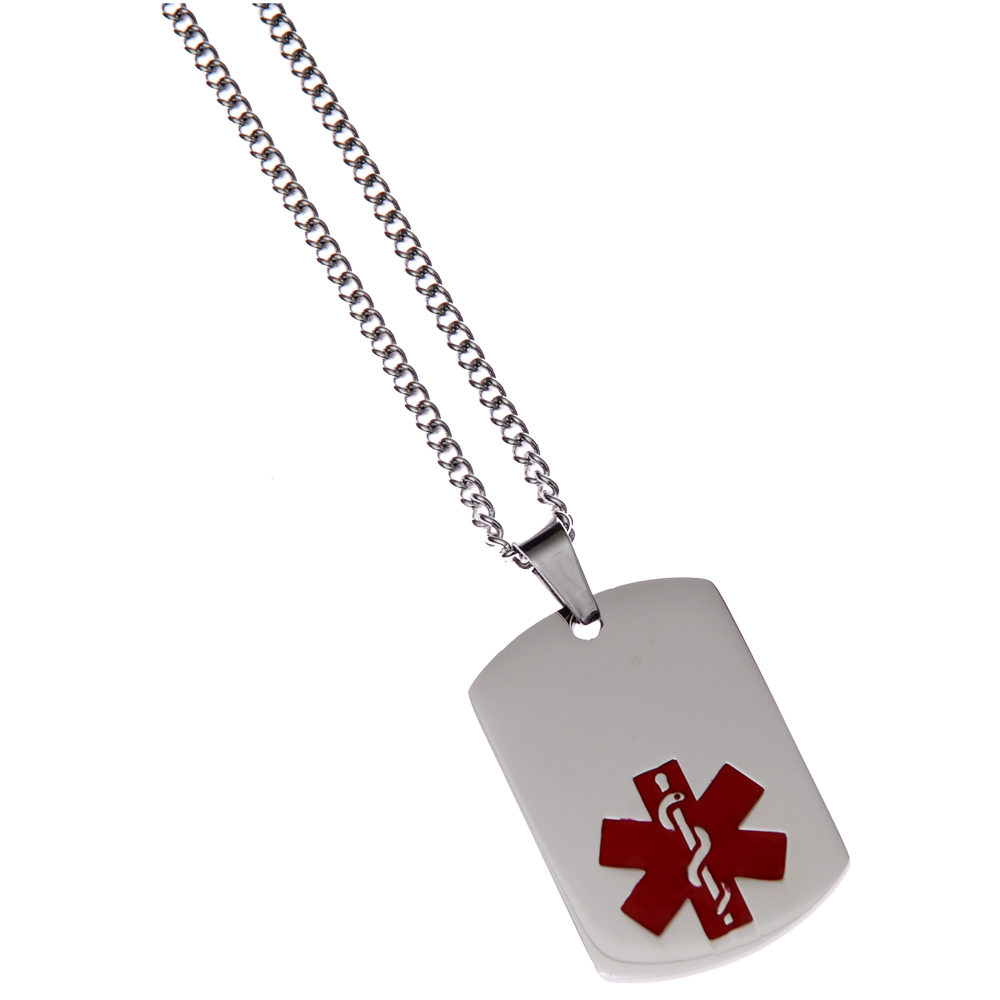
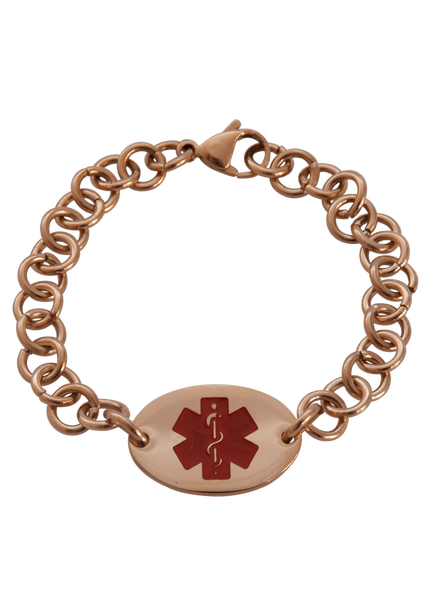
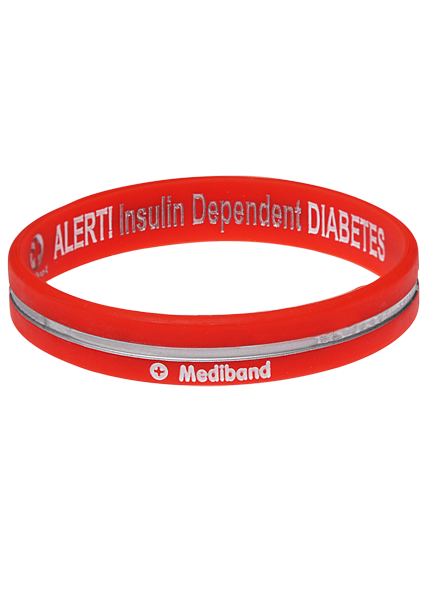
Daily-Wear Medical Bracelets That Make the Habit Easy
Soft silicone, sweat-proof stainless steel, and pendants designed for daily wear. The Mediband range Australians trust.
4. Get 10 Minutes of Morning Sunlight
Stanford neuroscientist Andrew Huberman built a career proving this. Ten minutes of direct outdoor light within 30 minutes of waking sets your dopamine, cortisol and melatonin rhythms for the entire day. No phone, no sunglasses, just step outside.
The clinical evidence is strong: morning light exposure is associated with a 27% reduction in self-reported depression scores, improved sleep timing, and better daytime alertness. It’s the closest thing to a free anti-depressant medicine has produced.
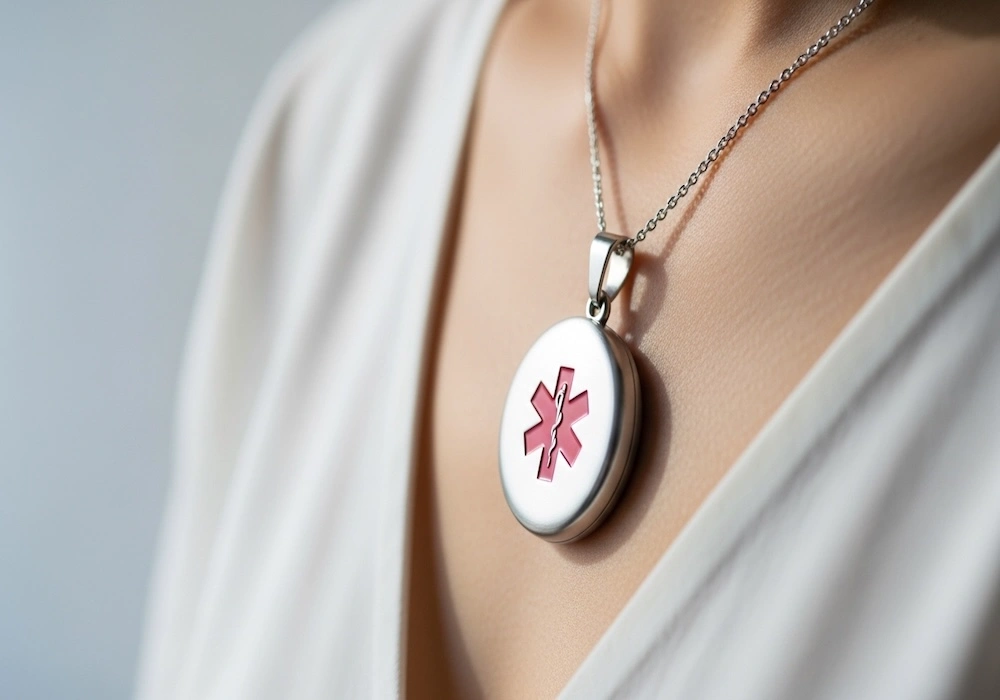
5. Wear Your Medical Alert Bracelet Every Day
If you live with diabetes, epilepsy, heart disease, allergies, autism or any chronic condition, a medical alert bracelet is the daily habit with the highest single-event return. The day you need it, nothing else matters.
It tells paramedics within seconds:
- Your medical condition (e.g. Type 1 diabetic, on warfarin)
- Critical allergies (e.g. penicillin, peanut, latex)
- Your emergency contact — immediately, without a phone passcode
Habit-stack it with your watch every morning. Bracelet on, watch on, brush your teeth. After 66 days, you won’t even think about it.
Managing Stress in Your Daily Routine
Chronic stress is the silent killer of healthy routines. Three evidence-based stress techniques that take less than five minutes a day:
- Box breathing — 4-second inhale, 4-second hold, 4-second exhale, 4-second hold. Repeat 4 times. Used by Navy SEALs to slow the heart rate before high-pressure events. Drops cortisol within 90 seconds.
- The 5-4-3-2-1 grounding technique — name 5 things you see, 4 you can touch, 3 you hear, 2 you smell, 1 you taste. Pulls you out of anxious rumination.
- 20 minutes outside, no phone — nature exposure drops cortisol by 16% on average (2024 King’s College London study).
When Medical Alert Bracelets Can Help
Healthy routines reduce risk but don’t eliminate it. Conditions that should be backed by a visible medical ID even in someone living a healthy lifestyle include:
- Type 1 or insulin-dependent diabetes — hypos can happen during exercise
- Epilepsy — seizures during sleep, exercise or stress are common triggers
- Heart conditions — arrhythmias and undiagnosed cardiac events
- Severe food or drug allergies — anaphylaxis can happen anywhere
- Dementia or cognitive decline — wandering and disorientation
- Blood thinners (warfarin, apixaban, rivaroxaban) — bleed-out risk in trauma
- Asthma — severe attacks during exercise or weather change
How Long Does It Take to Build a Healthy Habit?
The often-quoted “21 days” is a myth from a 1960s plastic surgeon’s book. The real number, from peer-reviewed research, is a median of 66 days with a range of 18 to 254 days. Simple habits like drinking water on waking lock in fastest; complex behavioural changes like daily exercise take the longest.
Pick one habit at a time. Don’t pick five. Stack it onto something you already do daily.
Habit Stacking: The Best-Kept Wellness Secret
From James Clear’s bestseller Atomic Habits: stack new habits onto reliable existing ones. Examples that work for thousands of Mediband customers:
- “After I brush my teeth, I put on my medical alert bracelet.”
- “After I pour my morning coffee, I drink 500 mL of water.”
- “After I close my laptop, I take a 10-minute walk in sunlight.”
- “After I switch off the TV, I’m in bed within 15 minutes.”
The existing anchor habit triggers the new behaviour automatically. No willpower required.
Tracking Without Becoming a Slave to It
Use a single habit tracker for the first 30 days — we like a paper journal or apps like Streaks, Habitica or Loop Habit Tracker. Tick boxes religiously for two weeks, then forget the app. Once the habit’s automatic, the tracker becomes friction.
If you wear a smartwatch, layer in passive tracking (steps, sleep, heart rate) and only review weekly — not daily. Daily tracking spikes anxiety; weekly tracking shows real trends.
What to Do When You Slip
Miss a day, never miss two in a row. That single rule, from Atomic Habits, is the most evidence-backed habit-recovery strategy ever published. One bad day doesn’t break a 66-day habit. Two in a row does — because the brain starts coding the missed behaviour as the new norm.
The slip is not the problem. The decision to slip again is.
A Simple 7-Day Starter Plan
If you’re building healthy daily routines from scratch, this is the order that works for 80% of people:
- Day 1–2: Fix bedtime. Same time every night. No screens 60 min before.
- Day 3: Add the morning 500 mL water before coffee.
- Day 4: Add 10 minutes of morning sunlight.
- Day 5: Add the 30-minute movement reminder.
- Day 6: Put on your medical alert bracelet as part of your morning routine.
- Day 7: Review the week. Adjust. Commit to another 60 days.
Healthy Routines for Different Life Stages
Routines scale with your age and circumstances:
- Kids and teens — sleep schedule + screen-time limits matter most. A kids medical ID bracelet handles emergency communication when carers aren’t fluent in the child’s condition.
- Adults 20–40 — stress management + consistent movement are highest leverage. The years bad habits compound the fastest.
- Adults 40–60 — sleep, heart-rate tracking, and proactive screening. Resting heart rate becomes a key health metric.
- Seniors 65+ — balance, hydration, social connection. Dementia and falls are the two biggest emerging risks; a medical ID bracelet becomes essential, not optional.
The Mediband Promise
Founded in Australia in 2008, Mediband has helped over 500,000 Australians wear a visible, comfortable medical alert ID every day. Our bracelets are designed for daily wear — sweat-proof for the gym, shower-safe, and built to survive 5+ years of real-world use. We’re trusted by hospitals, schools and aged-care facilities across all eight Australian states and territories.
References & Further Reading
- Lally et al. (2009). How are habits formed: Modelling habit formation in the real world. European Journal of Social Psychology.
- Singh et al. (2024). Effectiveness of physical activity interventions for improving depression. BMJ.
- Australian Department of Health — Physical Activity and Exercise Guidelines for All Australians.
- Clear, James (2018). Atomic Habits. Penguin Random House.
- Huberman, Andrew — The Huberman Lab Podcast, Stanford University.
Frequently Asked Questions
How long does it really take to build a healthy habit?
Median 66 days, range 18 to 254 days, depending on complexity (Lally et al., UCL 2009). Simple habits like morning water lock in fastest; complex behavioural changes like consistent exercise can take 3-6 months.
What's the most important healthy habit to start with?
A consistent sleep schedule. Fixing bedtime first re-balances hormones, mood, hunger and energy — making every other healthy habit easier to build. Pick one habit at a time.
Do morning routines really matter?
Yes. A 2024 BMJ meta-analysis of 218 trials and 14,000 participants found people with consistent morning routines (water, sunlight, movement within the first hour) reported 27% lower depression scores and significantly better daytime focus.
How do you build healthy habits that actually stick?
Three rules: (1) stack the new habit onto an existing anchor habit you already do daily, (2) start with one habit only, not five, and (3) miss a day, but never miss two in a row. That's the most evidence-backed habit-recovery strategy in print.
Why are daily routines important for managing a chronic condition?
Predictable daily routines stabilise medications, blood sugar, blood pressure and sleep — all of which directly affect chronic disease outcomes. Studies consistently show patients with structured daily routines have fewer hospital admissions and better quality-of-life scores.
Should I wear my medical alert bracelet during exercise?
Yes — especially during exercise. That's when exercise-induced asthma, hypoglycaemia, arrhythmias and allergic reactions are most likely to surface. Silicone bands are sweat-proof; stainless steel is also fine in pool water.
What are simple daily wellness habits anyone can start?
Five evidence-based habits with minimal effort: (1) fix your bedtime, (2) drink 500 mL water before coffee, (3) move every 30 minutes, (4) get 10 minutes of outdoor light in the morning, and (5) wear your medical ID bracelet daily. The Mediband 7-day starter plan stacks all five.
19 Oct 2013

Written by
Founder, Mediband
Michael founded Mediband in 2004 and has led the company for over two decades, providing medical IDs to people worldwide living with chronic conditions, allergies, and disabilities. Mediband is NDIS-registered, designed in Australia, and supplies hospitals including Boston Children's, LA County, and the St Vincent's Hospital allergy clinic. Michael works directly with peak bodies, NDIS support coordinators, and pharmaceutical clinical trials.

Share on Facebook

Share on X

Share on Pinterest
Comment(s)