
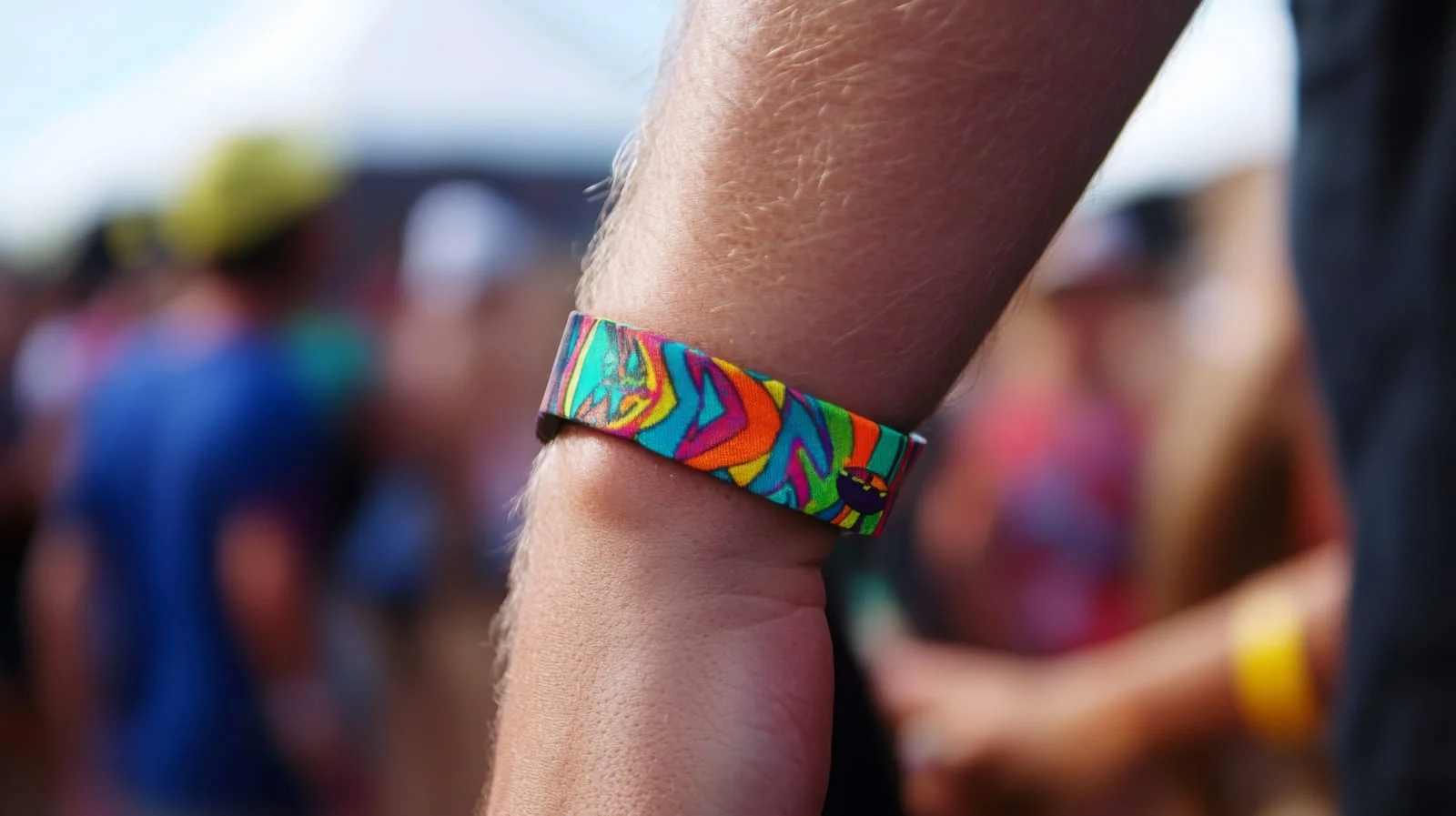
By Michael Randall · Founder, Mediband
Medically reviewed · Updated September 2025 · 11 min read
Medically reviewed · Updated September 2025 · 11 min read
Exercise With a Medical Condition — A 2025 Australian Safety Guide
Updated September 2025. Around 50% of Australian adults live with at least one chronic condition (ABS National Health Survey 2024) — diabetes, asthma, cardiovascular disease, severe allergies, epilepsy. Yet the same Australian guidelines recommend 150 minutes of moderate exercise per week for every adult, including those with chronic conditions. The challenge: how do you get the benefits of exercise without taking on unnecessary risk?
This guide is the practical, evidence-based Australian playbook for making the most of exercise when you live with a medical condition. Built from Heart Foundation Australia, Diabetes Australia, Asthma Australia, RACGP, and 17 years of Mediband customer feedback.
Why exercise matters more when you have a chronic condition
- Type 2 diabetes — regular exercise lowers HbA1c by 0.5-0.7% (Diabetes Australia) — equivalent to one diabetes medication
- Cardiovascular disease — 150 min/week of moderate cardio cuts second-event risk 25% (Heart Foundation)
- Asthma — controlled exercise improves lung function + cuts attack frequency 40% (Asthma Australia)
- Depression + anxiety — 3x weekly exercise reduces symptoms equivalent to SSRI medication (Black Dog Institute)
- Bone density — weight-bearing exercise prevents osteoporosis-related fractures
The Heart Foundation, Diabetes Australia, and most specialty bodies all explicitly recommend exercise FOR chronic-condition patients — not despite the condition.
Recommended for you
Products related to this article
Hand-picked to go with what you just read.
The risks exercise adds when you have a medical condition
Hypoglycaemia (insulin-treated diabetes)
Exercise lowers blood glucose. For Type 1 + insulin-dependent Type 2 diabetes, vigorous exercise can drop glucose dangerously within 30 minutes. Pre-exercise glucose check, fast-acting carbs on hand, and a visible diabetes alert bracelet are mandatory.
Exercise-induced asthma
10-15% of Australian asthma sufferers have exercise as their primary trigger. Reliever puffer must be carried; coaches/training partners need to know.
Cardiac events
Stable cardiac patients can safely exercise but at lower intensity. Sudden cardiac events during exercise account for 5-8 deaths per 100,000 Australians per year. A medical alert bracelet listing pacemaker/stent/ICD details speeds correct paramedic response.
Exercise-induced anaphylaxis
Rare but real: 1 in 100,000 Australians experience anaphylaxis triggered by exercise (often combined with food trigger 1-4 hours prior). EpiPen + medical alert bracelet essential.
Seizure risk
Most Australian neurologists clear stable epilepsy patients for exercise; some sports (rock climbing, scuba, solo cycling) carry higher risk. A visible epilepsy alert bracelet is the difference between paramedics knowing to time the seizure vs treating it as cardiac arrest.
The pre-exercise safety check (every condition)
- GP clearance — annual Heart Health Check (MBS item 699) covers blood pressure, cholesterol, cardiovascular risk
- Specialist sign-off for advanced conditions (post-cardiac surgery, brittle diabetes, severe asthma)
- Carry rescue medication — EpiPen, insulin/glucose, reliever puffer, GTN spray
- Visible medical alert bracelet — engraved with specific condition + ICE number
- Notify exercise partner / coach / gym staff
- Hydrate before, during, after
What exercise types suit which conditions
Type 1 + Type 2 diabetes
- Best: brisk walking, swimming, cycling, resistance training
- Avoid: prolonged vigorous activity without glucose monitoring
- Carry: glucose tabs, glucometer, medical alert bracelet
Severe asthma
- Best: swimming (humid air protects airways), yoga, walking
- Caution: outdoor running (cold/dry air, pollen)
- Pre-exercise: reliever 15 min before
Cardiovascular conditions (post-stent, post-MI)
- Best: cardiac-rehab programs first, then walking + light cycling
- Heart rate target: 50-70% max (GP-prescribed)
- Stop if: chest tightness, breathlessness, dizziness
Anaphylaxis-prone (food, exercise-induced)
- Best: indoor gym (controlled environment), swimming (no food triggers)
- Avoid food trigger 4 hours pre-exercise
- EpiPen always within reach
Epilepsy
- Best: most aerobic sports, gym workouts with partner
- Caution: scuba, rock climbing, solo distance cycling
- Tell training partners about condition + seizure plan
The Mediband role during exercise
Sport + exercise are when emergencies most often happen — yet they're also when many people TAKE OFF their medical alert bracelet, worried about damage or chafing. Mediband silicone is specifically engineered for daily wear including sport:
- Hypoallergenic medical-grade silicone — won't irritate sweaty skin
- Waterproof (pool, ocean, sweat, dishwasher)
- Latex-free, BPA-free, phthalate-free
- Permanent laser engraving — survives 5+ years sport use
- Soft band — doesn't bruise or pinch during high-intensity
- Quick-drying after swim/shower
Take it off only when going through metal detectors (stainless steel only) — never during exercise.
For Australian shift workers + athletes
Shift workers, FIFO miners, professional athletes — anyone whose body experiences extreme demand needs the bracelet on at all times. Sleep-deprived training amplifies risks for diabetes (rebound hypoglycaemia), cardiovascular events, and asthma triggers.

How much exercise is enough
Australian Department of Health guideline:
- 150 min/week moderate cardio (brisk walking, cycling, swimming) — OR
- 75 min/week vigorous cardio (running, HIIT, fast cycling)
- PLUS 2 sessions per week muscle-strengthening
- PLUS daily movement (avoid sitting 8+ hours straight)
For chronic-condition patients, start with 50% of these targets, ramp up over 3-6 months. The goal is consistency, not heroics.
Habit-stacking for exercise compliance
James Clear's Atomic Habits approach works especially well for chronic-condition exercise:
- "After breakfast, I take a 20-minute walk" (chains exercise onto eating)
- "After I check my blood glucose, I do 5 minutes of resistance"
- "After dropping kids at school, I walk 1 lap of the oval"
- "Before evening medication, I do 10 minutes stretching"
UCL median habit-formation time: 66 days. Stick with one tiny habit for 2 months and it becomes automatic.
Common mistakes Australian chronic-condition patients make
- Skipping pre-exercise glucose check (Type 1 diabetes)
- Forgetting reliever puffer (asthma)
- Removing bracelet "just for this workout"
- Exercising alone when condition could cause sudden collapse
- Treating fatigue as "needing rest" when it's hypoglycaemia / cardiac warning
- Not telling the gym front desk about condition + ICE
The Australian resources you should know
- Heart Foundation Australia — heartfoundation.org.au — 13 11 12
- Diabetes Australia — diabetesaustralia.com.au — 1300 136 588
- Asthma Australia — asthma.org.au — 1800 ASTHMA
- Heart Health Check (MBS item 699) — ask your GP
- Healthdirect — healthdirect.gov.au — 1800 022 222
- Cardiac Rehabilitation Australia — acra.net.au — locate your nearest program
The Mediband promise
Mediband has supported over 500,000 Australian adults + families managing chronic conditions since 2008. Permanent laser engraving, medical-grade silicone + 316L steel, NDIS-registered, Australian-designed and supported. Trusted by paramedics, GPs, diabetes educators, allergy specialists, and cardiac rehab clinicians.
References & further reading
- Heart Foundation Australia (2024). Physical Activity + Cardiovascular Risk Position Statement.
- Diabetes Australia (2024). Exercise + Type 1 / Type 2 Diabetes Management Guidelines.
- Asthma Australia. Exercise-Induced Asthma Action Plan.
- Australian Department of Health. Physical Activity + Exercise Guidelines for Australian Adults.
- RACGP. Pre-exercise Screening + Cardiac Risk Assessment.
Frequently Asked Questions
Quick answers from the Mediband team
Should I take off my medical alert bracelet during exercise?
No — exercise is when emergencies most often happen. Mediband silicone is hypoallergenic, waterproof, and engineered for sport. Take it off only for metal-detector security (stainless steel) — never for a workout.
How does exercise affect Type 1 diabetes?
Exercise lowers blood glucose; vigorous activity can drop it dangerously within 30 minutes. Pre-exercise check, fast-acting carbs on hand, and a visible diabetes alert bracelet are mandatory. Most Australian Type 1 educators also recommend reducing pre-exercise insulin by 20-50%.
Can I exercise with a heart condition?
Yes — usually, with GP/cardiologist clearance. Cardiac rehab programs are Medicare-rebated and worth doing first. Then walk, cycle, or use cardiac-rehab gym equipment at 50-70% max heart rate. Stop immediately if you experience chest tightness, breathlessness, or dizziness.
Is exercise safe for severe asthma?
Yes if managed. Use reliever 15 minutes before exercise. Swimming (humid air) is the safest sport for asthma. Cold-air outdoor running is the hardest. Always carry reliever + tell training partners.
What if I have anaphylaxis triggered by exercise?
Exercise-induced anaphylaxis (often combined with food eaten 1-4 hours pre-workout) affects 1 in 100,000 Australians. Always: avoid trigger food 4 hours before exercise, carry EpiPen, exercise with a partner, wear visible anaphylaxis alert bracelet.
How much exercise is enough for chronic-condition management?
Start with 50% of Australian Department of Health guidelines (75 min/week moderate or 38 min/week vigorous + 1 strength session). Ramp to 100% over 3-6 months. Consistency beats intensity. Daily 20-minute walks compound massively over a year.
Is exercise NDIS-claimable for Australians with disability?
Aspects are — exercise physiology services, gym membership for some plans, and medical alert bracelets (Consumables) are all NDIS-funded for eligible participants. Ask your plan manager about Capacity Building or Daily Living funding for exercise programs.

Written by
Founder, Mediband
Founder of Mediband; over 20 years providing medical IDs worldwide.
← Previous
Food Safety at Home: 7 Rules to Avoid Allergens & Food Poisoning
Next →
Heart Health for Australians — 10 Practical Daily Habits That Move the Needle
Comment(s)