
By Michael Randall, Founder, Mediband · Updated 8 June 2026 · 9 min read
How to lose weight isn't a mystery — it's a maths problem solved by daily habits. Crash diets work for two weeks; sustainable change works for two decades. The five habits below are backed by The Royal Australian College of General Practitioners (RACGP), the Heart Foundation and Diabetes Australia.
If you have a chronic condition like Type 2 diabetes, hypertension or sleep apnoea, weight management can reduce or eliminate the need for medication. Pair these habits with a medical alert bracelet so emergency responders see your condition immediately, and you've built a complete safety net.
Why "fast weight loss" almost always fails
Research from the Garvan Institute shows that 80% of dieters who lose more than 5% body weight regain it within two years. Why? Because crash diets ignore biology — the body lowers metabolic rate to defend its set-point. The five habits in this guide work because they shift the set-point, not just the scale.
Sustainable weight loss is 1–2% of body weight per month, sustained over six to 12 months. That's the rate Australian dietitians actively recommend for adults with overweight or obesity.
5 weight loss habits proven to work
These are layered habits. Master the first, then add the next. Trying all five from day one almost guarantees burnout.
1. Protein at every meal
Protein is 25–30% more thermogenic than carbs or fat — your body burns calories digesting it. 25g per meal (one chicken breast, two eggs, a tin of tuna or a cup of Greek yoghurt) keeps appetite stable, preserves muscle and aligns with the 1.2g/kg/day target most dietitians recommend for active adults.
2. Walk 8,000+ steps daily
The Heart Foundation's 30-minute target is good; 8,000+ steps is better. A 2020 JAMA study tracked 5,000 adults for a decade and found 8,000 steps reduced all-cause mortality 51% versus 4,000. No gym required — walks during phone calls, school runs and lunch breaks all count.
3. Sleep 7–9 hours
Sleep below 7 hours raises ghrelin (hunger hormone) by 15% and lowers leptin (satiety hormone) by 15%. The result: you eat 300+ extra calories the next day without realising. A consistent bedtime is the single highest-leverage habit for stubborn weight.
4. Limit liquid calories
The average Australian drinks 1.2 L of soft drink, juice or sweetened coffee per week — equivalent to 11,000+ extra kJ. Switch to water, sparkling water, black coffee or unsweetened tea. Allow one wine or beer with dinner if it fits your goals; it's the daily 600 mL bottle of cola that quietly adds 10 kg over three years.
5. Track three meals a week
You don't need to log every bite. Tracking three meals a week — one breakfast, one lunch, one dinner — builds awareness without obsession. A free app like MyFitnessPal works. The point isn't restriction; it's pattern recognition (the daily "small" muffin that's actually 1,200 kJ).

Recommended for you
Products related to this article
Hand-picked to go with what you just read.
Weight loss and Type 2 diabetes — the strongest link
Diabetes Australia data: 90% of Type 2 diabetes is linked to overweight or obesity. The UK DIRECT trial showed 46% of T2 diabetics achieved remission after losing 10–15 kg through structured low-calorie diet. Translation: weight loss is medicine for T2 diabetes.
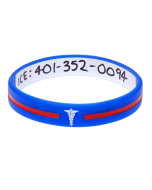
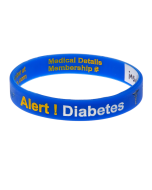
If you are at risk or already diagnosed, a Diabetes medical alert bracelet matters. Hypoglycaemia (low blood sugar) can present as confusion or collapse — the bracelet tells responders to check blood sugar before treating other causes.
Building a sustainable weight loss plan step by step
The plan that lasts is the plan you forget about. Use this template to design yours.
Step 1: Set a 12-week target
Calculate 5% of current body weight. Multiply by 1.5. That's a realistic 12-week target (e.g. 80 kg → 6 kg over 12 weeks). Anything more aggressive is fuel for the rebound cycle.
Step 2: Map weekly meals
Sunday spend 20 minutes planning seven dinners. Repeat the same five breakfast options and three lunches Monday–Friday. Decision fatigue causes most healthy-eating slip-ups; templates remove the decisions.
Step 3: Schedule three "walking windows"
Pick three 30-minute slots in the week that protect themselves — pre-work, lunch break, after-dinner. Treat them like calendar meetings.
Step 4: Weekly weigh-in (not daily)
Same day, same time, same scale, in underwear. Daily weighing introduces noise from water retention, sodium and sleep. Weekly weigh-ins show real trend.
What to track on your medical ID if you have weight-related conditions
If overweight, obesity or weight-related conditions are part of your health picture, a medical alert bracelet should include:
- Diagnosis — Type 2 Diabetes, Hypertension, Sleep Apnoea, PCOS
- Medication — metformin, insulin, blood pressure meds
- Allergy — sulfa drugs, penicillin, contrast dye
- Emergency contact — local mobile number first
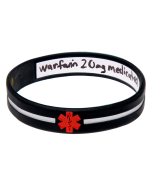
Mediband's reversible write-on design keeps personal info on the inside, blank style on the outside. Sweat-proof for the gym, dishwasher-safe and fits 130–230 mm wrists.
Partnering with Australian organisations that support weight loss
These bodies offer free, evidence-based, no-marketing resources:
- Dietitians Australia — find an Accredited Practising Dietitian by postcode
- Diabetes Australia — NDSS subsidy on diabetes supplies, free phone counselling
- Heart Foundation — free 30-day walking and recipe plans
- Australian Government Healthy Weight Guide — bmiAU calculator and weekly meal planner
- Quitline — for those who pair weight loss with quitting smoking

Habits, not heroics
The body responds to consistency. A daily 25 g protein breakfast, an 8,000-step walk and a 10 pm bedtime will outperform any 21-day cleanse over five years. If you have a chronic condition, fit a medical alert bracelet today — it costs less than dinner and runs 24/7.
Frequently Asked Questions
How much weight can I realistically lose in a month?
1–2% of body weight per month is the rate Australian dietitians actively recommend. An 80 kg adult should target 0.8–1.6 kg per month for sustainable loss without metabolic rebound.
Do I need to count calories to lose weight?
Not always. Tracking three meals a week (one breakfast, one lunch, one dinner) builds pattern awareness without daily logging. After 4–6 weeks most people internalise the patterns and stop tracking entirely.
Should I wear a medical ID if I have Type 2 diabetes?
Yes — hypoglycaemia can present as confusion or collapse, and a medical alert bracelet ensures responders check blood sugar first. Include medication (metformin, insulin) and emergency contact.
Is intermittent fasting safe for weight loss?
For most healthy adults, yes. Skip breakfast or stop eating after 7 pm. Not recommended for pregnant women, anyone with a history of disordered eating, Type 1 diabetes, or those on blood-sugar-affecting medications without GP supervision.
What's the best exercise for fat loss?
Walking 8,000+ steps daily plus two strength sessions per week. Strength training preserves muscle during weight loss — losing muscle slows metabolism, which is why crash dieters rebound.
How do I know if I have Type 2 diabetes risk?
Use the AUSDRISK calculator from Diabetes Australia (free online). A score above 12 indicates moderate-to-high risk and warrants a GP fasting glucose test.
Can a medical ID bracelet help if I take Ozempic or Mounjaro?
Yes. GLP-1 medications can cause nausea, low blood sugar (especially combined with insulin) and rarely pancreatitis. The bracelet lists the medication so first responders know.

Written by
Founder, Mediband
Founder of Mediband; over 20 years providing medical IDs worldwide.
← Previous
Latest Health News: 7 Australian Updates Every Family Should Know
Next →
Family Health Tips: 5 Daily Habits That Keep Loved Ones Safe
Comment(s)